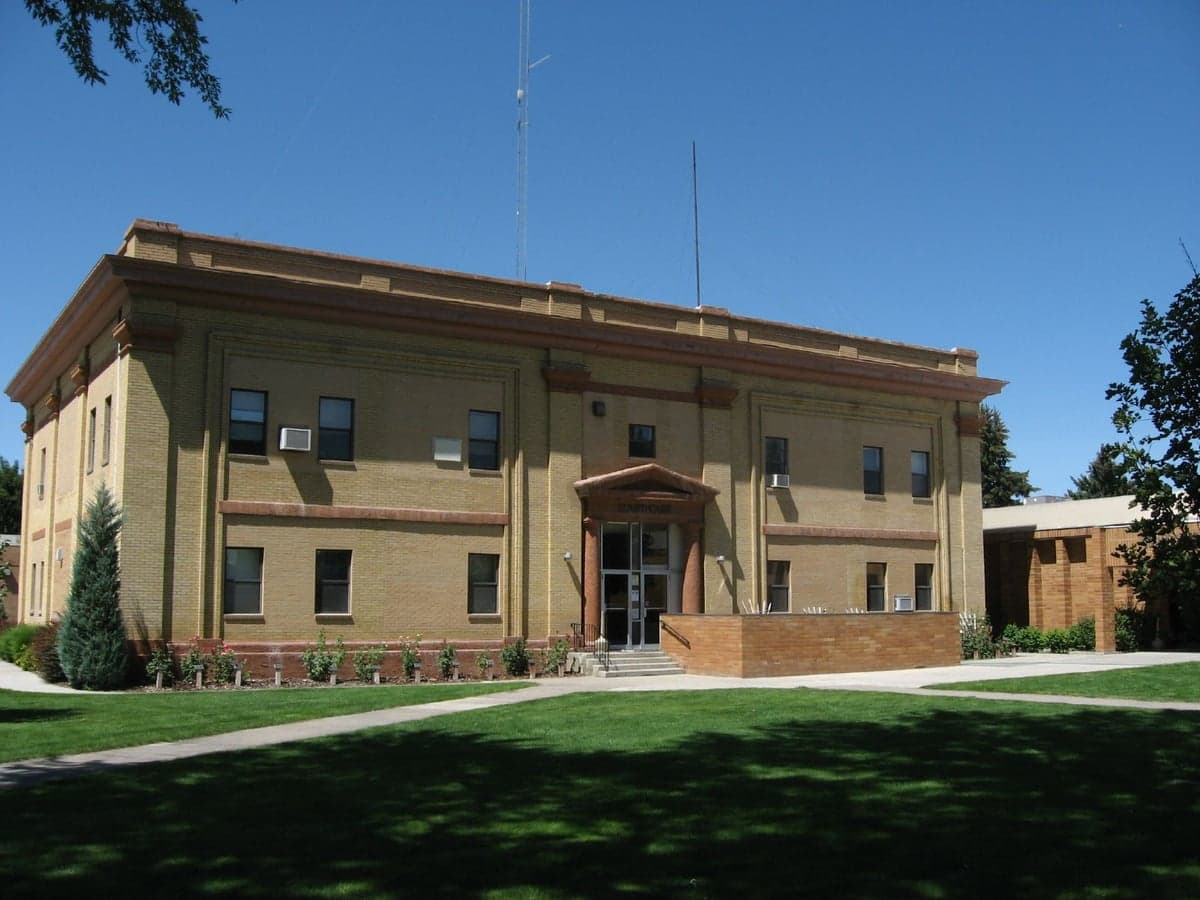
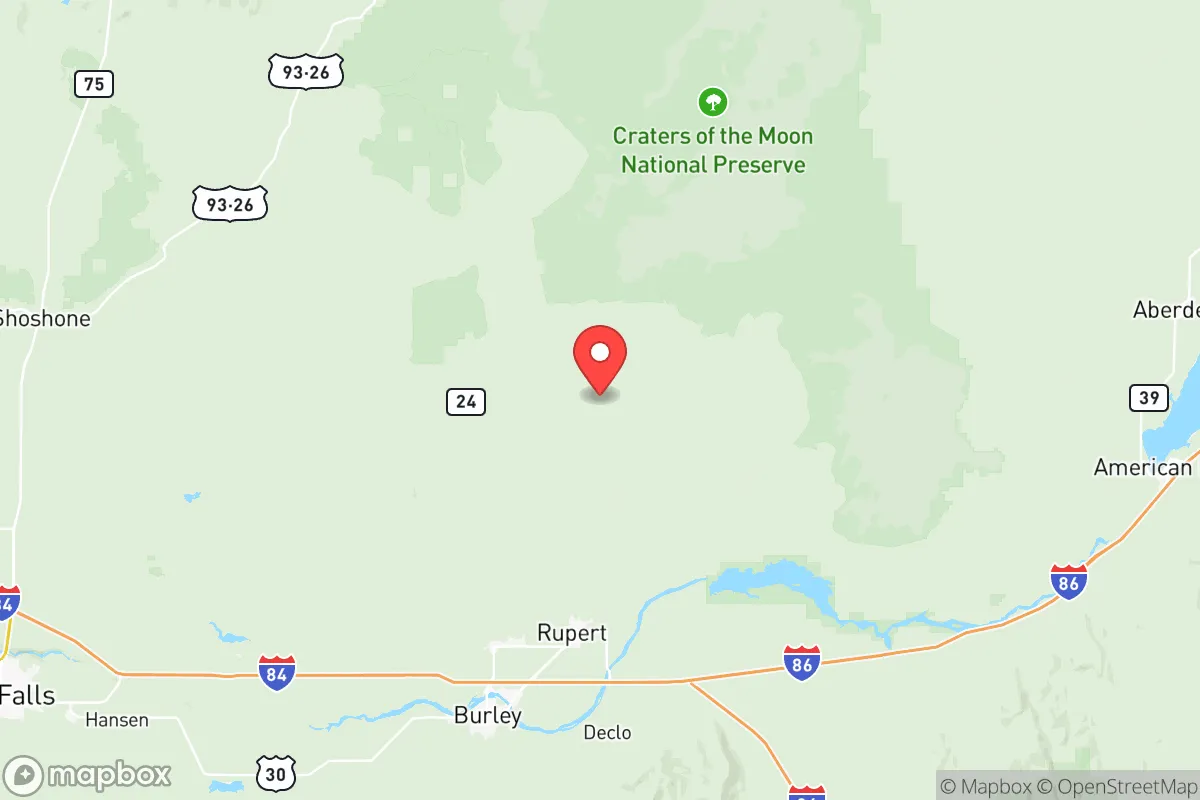
Photo: Wikipedia
Quality of Life in Minidoka County
A livable area that tracks near national norms for affordability, walkability, and neighborhood health.
What does Quality of Life tell us?
Quality of Life measures an area by evaluating factors like cost of living, nearby amenities, country club access, airport proximity, socioeconomic signals and neighborhood character. For large states, this is a general average — quality of life can vary dramatically between metro areas, suburbs, and rural communities within the same state.
What does this tell us?
Quality of Life measures an area by evaluating factors like cost of living, nearby amenities, country club access, airport proximity, socioeconomic signals and neighborhood character. For large states, this is a general average — quality of life can vary dramatically between metro areas, suburbs, and rural communities within the same state.
Cost of Living
20% below national average
104%
The Real Cost of Living in Minidoka County for 2026
| Tier | Individual | Family (4) |
|---|---|---|
| Survival | $15k | $27k |
| Comfortable | $46k | $67k |
| Luxury | $110k+ | $170k+ |
| Elite (Top 5%) | $129k+ | $200k+ |
Quality-of-Life Analysis
Minidoka County offers a spectrum of quality-of-life options that range from the modest commercial hub of Rupert to the deeply rural agricultural settlements of Acequia and Paul, drawing a mix of farming families, commuters to the Magic Valley’s larger job centers, and retirees seeking low-cost living. With a cost-of-living index of 80—20 percent below the national average—and a median home value of $235,300, the county provides tangible affordability across its communities, though the trade-offs in amenities and commute times vary sharply by location.
Largest town(s) & population centers
Rupert, the county seat and largest town (population roughly 5,600), anchors daily life with a compact downtown featuring a county courthouse, a public library, and a handful of locally owned restaurants and shops. Most residents commute an average of 16.5 minutes to work, often within Rupert itself or to nearby Burley (just across the Snake River in Cassia County), where larger employers like the Burley Inn and regional healthcare facilities are located. Housing in Rupert is affordable, with median rents around $909, and the town offers basic grocery stores, a hospital (Minidoka Memorial Hospital), and several parks. Heyburn, the second-largest town (about 3,200 residents), sits adjacent to Rupert and functions as a bedroom community with slightly newer subdivisions and easier access to U.S. Highway 30, making it a practical choice for those who work in Burley’s industrial or retail sectors.
Smaller towns & rural pockets
Beyond the population centers, Minidoka County contains several unincorporated communities and tiny towns that define its agricultural character. Paul (population roughly 1,200) is a quiet farming town with a grain elevator, a small post office, and a strong sense of community centered around the local LDS church and the Paul Elementary School. Acequia (population about 150) is little more than a crossroads with a handful of homes and a historic irrigation ditch system that gives the town its name. Further south, Declo (population around 350) offers a rural lifestyle with a single gas station and a popular annual rodeo, while Albion (population under 300) sits on the county’s western edge, known for its quiet streets and proximity to the Minidoka National Wildlife Refuge. These areas lack commercial amenities—residents drive 10 to 20 minutes to Rupert or Burley for groceries and medical care—but offer larger lots, lower property taxes, and a pace of life that appeals to those seeking isolation or agricultural livelihoods.
Cost & lifestyle range
The cost-of-living spread across Minidoka County is narrow but meaningful. At the higher end, Heyburn and newer subdivisions on Rupert’s outskirts see median home values approaching $260,000, with homes on larger lots (half-acre to one acre) and slightly higher property taxes due to newer infrastructure. At the lower end, Acequia and Albion offer homes for under $180,000, often older farmhouses or manufactured homes on acreage, with median rents falling to around $750 in the smallest communities. The county’s average commute of 16.5 minutes masks a split: Rupert and Heyburn residents typically commute under 10 minutes, while those in Declo or Albion face 20- to 25-minute drives to reach the county’s main employment centers. Amenities follow a similar gradient—Rupert has a Walmart Supercenter, a hospital, and a movie theater, while Paul and Acequia have only a convenience store or no retail at all. Property taxes remain low countywide (roughly 0.6% of assessed value), and no community has a city income tax, keeping the overall cost burden light.
This county works best for people who value low housing costs, short commutes to regional jobs, and a quiet, community-oriented lifestyle—whether in a walkable small town like Rupert or on a rural acre in Paul or Albion. Retirees on fixed incomes, young families starting out, and agricultural workers find the most alignment here, while those seeking urban nightlife, diverse dining, or high-end retail will need to drive 45 minutes to Twin Falls or 90 minutes to Pocatello. The trade-off is clear: Minidoka County offers a low-stress, affordable base for those who prioritize space and savings over urban convenience.

Crime in Minidoka County
Lower crime rates than 76% of comparable U.S. locations.
Violent CrimeViolent Crime Analysis
Property CrimeProperty Crime Analysis
Crime Analysis
Minidoka County, Idaho, reports a violent crime rate of 215.5 incidents per 100,000 residents and a property crime rate of 601.6 per 100,000, placing it near the middle of the state’s safety spectrum. The county’s small cities and agricultural communities experience crime patterns that differ markedly from Idaho’s larger metro areas, with property offenses dominating local statistics and violent incidents concentrated in a handful of locations. Residents in towns such as Rupert, Heyburn, and Paul generally describe a quiet, rural atmosphere, though periodic property crime spikes and isolated violent events warrant attention from prospective movers.
Crime in context
Minidoka County’s violent crime rate of 215.5 per 100,000 is roughly 40% lower than the national average of 380 per 100,000 but slightly above Idaho’s statewide rate of 200 per 100,000. Property crime at 601.6 per 100,000 sits about 30% below the U.S. average of 870 per 100,000 and aligns closely with Idaho’s rate of 590 per 100,000. These figures place Minidoka County in a comparable position to other rural Idaho counties such as Cassia and Jerome. Unlike progressive urban jurisdictions where lenient sentencing and district attorney policies have been linked to rising recidivism, Minidoka County operates under Idaho’s 5th Judicial District, where elected prosecutors and judges maintain a consistently tough-on-crime approach. The county’s small population—roughly 21,000—means that even a handful of incidents can shift annual rates, so year-to-year volatility is higher than in larger metro areas.
What residents experience
Property crime—primarily burglary, theft, and vehicle break-ins—accounts for the majority of offenses. Rupert, the county seat and largest city, sees the highest volume of property incidents, often concentrated near commercial corridors along Highway 24 and the downtown area. Heyburn and Paul report fewer property crimes per capita, though unlocked vehicles and outbuildings remain common targets in all three towns. Violent crime is rare but not absent: aggravated assault makes up the bulk of violent incidents, with occasional domestic disputes and bar-related altercations. The town of Acequia, a small agricultural community, consistently records the lowest crime rates in the county, while the unincorporated area around Minidoka (the town) benefits from low population density and strong neighborhood watch participation. No part of Minidoka County experiences the gang-related violence or organized retail theft that plagues larger Idaho cities like Boise or Nampa, where progressive prosecutorial policies have been criticized for reducing accountability.
Neighborhood-level variation is modest but meaningful. In Rupert, the west side near the Snake River and older residential blocks east of the railroad tracks tend to have fewer incidents than the central commercial zone. Heyburn’s newer subdivisions south of Interstate 84 report near-zero violent crime, while older rental properties near the highway see occasional theft. Paul’s compact downtown and surrounding farmsteads are generally safe, with residents citing occasional trespassing and agricultural equipment theft as the primary concerns. The county sheriff’s office and local police departments in Rupert and Heyburn maintain visible patrols, and community policing efforts are well-regarded. For families and retirees seeking a low-crime rural environment, Minidoka County offers a safety profile that compares favorably to national averages, provided standard precautions—locking vehicles, securing outbuildings, and reporting suspicious activity—are observed.
* Values derived from national, state, county, city and local statistics and may differ in a specific area. Last updated: 2026-05-08T19:05:20.000Z
Narrative content on this page is AI-generated and may contain mistakes. Verify any details that matter before acting on them.
ReloMaps may earn a commission from affiliate links at no extra cost to you.

