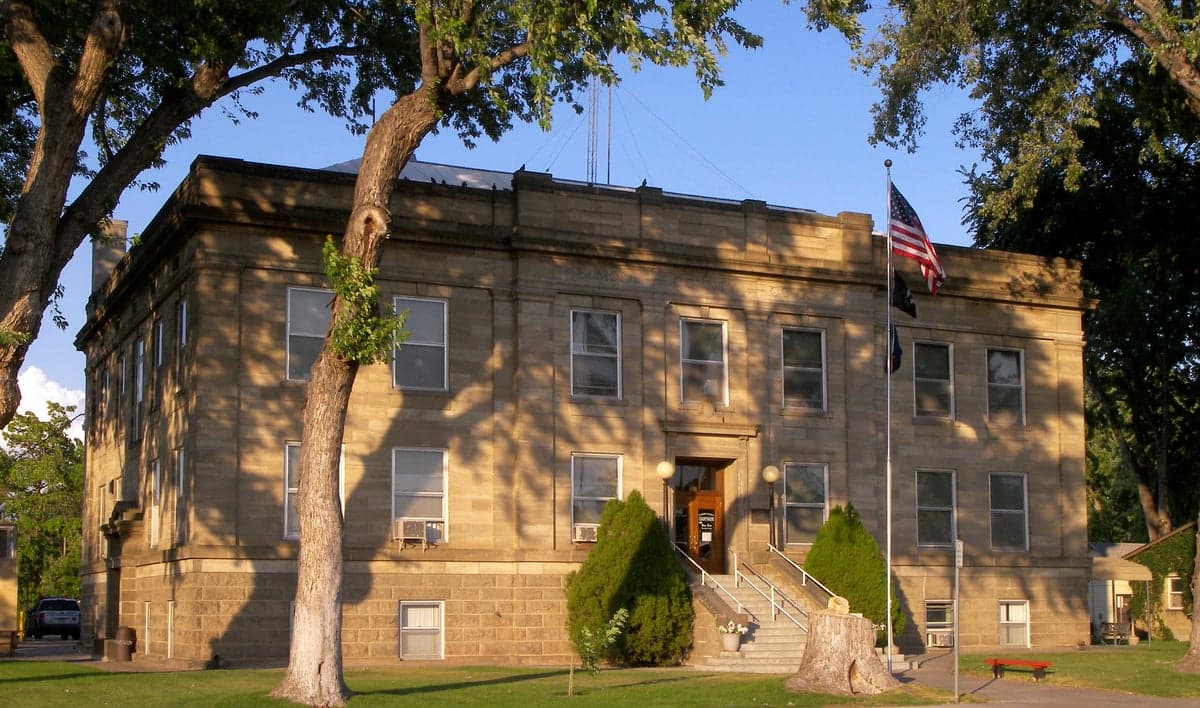
Photo: Wikipedia
Quality of Life in Elmore County
A livable area that tracks near national norms for affordability, walkability, and neighborhood health.
What does Quality of Life tell us?
Quality of Life measures an area by evaluating factors like cost of living, nearby amenities, country club access, airport proximity, socioeconomic signals and neighborhood character. For large states, this is a general average — quality of life can vary dramatically between metro areas, suburbs, and rural communities within the same state.
What does this tell us?
Quality of Life measures an area by evaluating factors like cost of living, nearby amenities, country club access, airport proximity, socioeconomic signals and neighborhood character. For large states, this is a general average — quality of life can vary dramatically between metro areas, suburbs, and rural communities within the same state.
Cost of Living
3% below national average
74%
The Real Cost of Living in Elmore County for 2026
| Tier | Individual | Family (4) |
|---|---|---|
| Survival | $18k | $33k |
| Comfortable | $54k | $79k |
| Luxury | $98k+ | $152k+ |
| Elite (Top 5%) | $115k+ | $178k+ |
Quality-of-Life Analysis
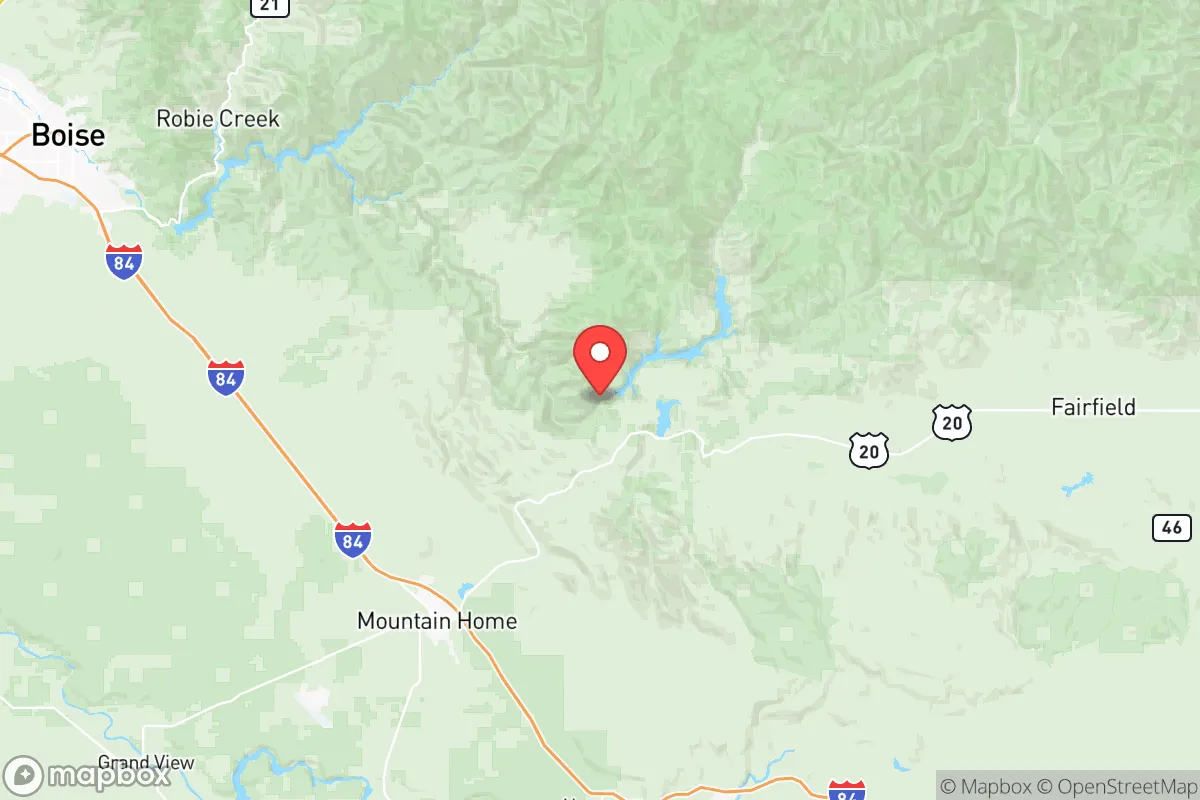
Elmore County, Idaho, offers a distinct quality-of-life spectrum that ranges from the small-city conveniences of its county seat to the quiet isolation of unincorporated desert and mountain communities. The county’s character is defined by its position along the I-84 corridor and the Snake River, attracting a mix of commuters who work in the Treasure Valley, outdoor recreationists drawn to the nearby mountains and reservoirs, and those seeking a lower cost of living than Boise’s suburbs. With a cost-of-living index of 97 (slightly below the national average of 100), the county provides a tangible affordability advantage, though the experience of daily life shifts dramatically depending on whether one lives in a town center, a highway-adjacent community, or a remote rural pocket.
Largest town(s) & population centers
Mountain Home is the county’s primary population center and the only incorporated city of significant size, housing roughly 16,000 residents. Daily life here revolves around the Mountain Home Air Force Base, which anchors the local economy and brings a transient military population alongside long-term civilian families. The town offers a full set of amenities for a community its size, including a hospital (Elmore Medical Center), a regional airport, big-box retail, and a range of local restaurants and services. The average commute in the county is approximately 22 minutes, a figure that reflects the short drives within Mountain Home itself as well as the longer treks to Boise (about 45 miles west) for higher-end employment or entertainment. For residents who work locally, the pace is notably slower and more affordable than Ada County, with a median home value of $278,300 and median rent of $1,111 — figures that are roughly 30-40% lower than comparable homes in Boise or Meridian.
Smaller towns & rural pockets
Beyond Mountain Home, Elmore County contains several smaller communities and unincorporated areas that offer a markedly different lifestyle. Glenns Ferry, located along I-84 about 30 miles southeast of Mountain Home, is a historic railroad and farming town with a population under 1,500. Life here is quiet and agricultural, with limited retail but strong access to the Snake River for fishing and boating. Hammett, an unincorporated community further south, is even smaller and functions primarily as a residential and farming crossroads. To the north, the Pine and Featherville area in the Boise National Forest represents the county’s most remote and recreation-oriented pocket. These former mining towns, accessible via winding mountain roads, are seasonal destinations for cabin owners, campers, and anglers targeting the South Fork of the Boise River. The rural pockets between Mountain Home and the Owyhee County line consist of sagebrush steppe and scattered ranch houses, where residents often live on acreage with no municipal services and commute 30-45 minutes to Mountain Home for groceries and work.
Cost & lifestyle range
The cost and lifestyle spread across Elmore County is wide. At the higher-amenity end, Mountain Home provides the most services and the shortest commutes, with home values typically ranging from $250,000 to $350,000 for a three-bedroom home — well below the national median but above the county average. Renters in town pay a median of $1,111, which is affordable by Idaho standards. At the lower-cost end, Glenns Ferry and Hammett offer cheaper housing, often under $200,000 for older homes or fixer-uppers, but with fewer jobs and a longer drive to medical care or major shopping. The Pine-Featherville area represents the highest per-square-foot cost due to its recreational desirability and limited inventory, though overall property values remain moderate compared to resort towns like McCall. The trade-off is clear: residents in Mountain Home pay slightly more for convenience and infrastructure, while those in the outlying towns and rural areas accept longer drives and fewer services in exchange for lower purchase prices, more land, and greater solitude.
Elmore County is best suited for people who value affordability and space over urban density and who are comfortable with a self-sufficient lifestyle in its more remote corners. Military families, federal employees, and commuters to the Treasure Valley will find the most practical fit in Mountain Home. Retirees, remote workers, and outdoor enthusiasts who prioritize land and recreation over nightlife and shopping will thrive in the smaller towns and rural areas. The county’s key strength is its ability to offer a genuine rural or small-town Idaho experience at a price point that remains accessible, even as the rest of the state’s housing market climbs.

Crime in Elmore County
Lower crime rates than 77% of comparable U.S. locations.
Violent CrimeViolent Crime Analysis
Property CrimeProperty Crime Analysis
Crime Analysis
Elmore County, Idaho, presents a mixed safety profile that is significantly safer than the national average but slightly more violent than the state norm. With a violent crime rate of 217.1 per 100,000 residents and a property crime rate of 613.4 per 100,000, the county offers a relatively low-risk environment compared to the rest of the United States. However, these averages mask notable differences between the county's primary population centers—Mountain Home, Glenns Ferry, and the smaller unincorporated communities—where crime types and frequencies vary considerably.
Crime in context
Elmore County's violent crime rate of 217.1 per 100,000 is roughly 40% lower than the national median of approximately 380 per 100,000, placing it in a safer tier than many urban and suburban counties nationwide. However, it sits slightly above Idaho's statewide violent crime rate of about 200 per 100,000, meaning residents face a marginally elevated risk of assault, robbery, or other violent offenses compared to the average Idahoan. Property crime in the county, at 613.4 per 100,000, is also well below the national figure of roughly 1,950 per 100,000—a difference of nearly 70%—but again runs slightly higher than Idaho's statewide property crime rate of approximately 580 per 100,000. This pattern suggests that while Elmore County is not a high-crime area by any national measure, it is not the safest jurisdiction within Idaho, and the gap between local and state rates warrants attention from prospective residents.
What residents experience
The lived experience of crime in Elmore County is shaped heavily by the presence of Mountain Home Air Force Base and the associated transient population. Mountain Home, the county seat and largest city, accounts for the majority of reported incidents, particularly property crimes like theft and burglary that often target vehicles and unoccupied homes. Glenns Ferry, a smaller town along the Snake River, sees lower overall crime volume but has periodic spikes in drug-related offenses and domestic disturbances, reflecting broader rural Idaho trends. The unincorporated areas—such as Pine, Featherville, and the expansive desert regions east of Mountain Home—experience very little violent crime, though property crimes like shed and equipment theft occur sporadically. Residents in Mountain Home's newer subdivisions and neighborhoods near the base generally report feeling safer than those in older downtown blocks or rental-heavy corridors, where foot traffic and transient activity are higher.
Judicial and prosecutorial philosophy in Elmore County leans conservative, which is a meaningful factor for safety-conscious readers. The county's elected prosecutors and judges generally take a firm stance on violent offenses and repeat property criminals, avoiding the progressive leniency seen in some urban Idaho jurisdictions like Boise or Ada County. This means that offenders in Elmore County are more likely to face meaningful consequences, including jail time and supervised probation, rather than diversion or early release programs that can lead to higher recidivism. For residents, this translates into a justice system that prioritizes victim rights and public safety over offender rehabilitation, reducing the likelihood that criminals will cycle quickly back onto the streets. While no system is perfect, the conservative approach in Elmore County provides a measurable deterrent effect that contributes to the area's relatively low crime rates compared to more progressive judicial districts.
Neighborhood-level variation is most pronounced between Mountain Home's core and its periphery. The downtown area, particularly along Main Street and near the old railroad corridor, sees higher rates of petty theft, vandalism, and occasional assaults, especially during late-night hours. In contrast, the residential areas west of Interstate 84—such as the subdivisions around Haskill Creek and the newer developments near the base's main gate—report far fewer incidents, with many blocks going years without a single reported crime. Glenns Ferry's older neighborhoods near the river also experience slightly elevated property crime, while the outlying communities of Hammett and King Hill are among the safest in the county due to their low population density and strong social cohesion. Prospective residents should prioritize homes in established subdivisions or rural acreages with good visibility and neighborly watch programs, as these consistently show the lowest crime rates in Elmore County.
* Values derived from national, state, county, city and local statistics and may differ in a specific area. Last updated: 2026-07-18T13:42:35.000Z
Narrative content on this page is AI-generated and may contain mistakes. Verify any details that matter before acting on them.
ReloMaps may earn a commission from affiliate links at no extra cost to you.

