Photo: Wikipedia
Quality of Life in Boise County
A livable area that tracks near national norms for affordability, walkability, and neighborhood health.
What does Quality of Life tell us?
Quality of Life measures an area by evaluating factors like cost of living, nearby amenities, country club access, airport proximity, socioeconomic signals and neighborhood character. For large states, this is a general average — quality of life can vary dramatically between metro areas, suburbs, and rural communities within the same state.
What does this tell us?
Quality of Life measures an area by evaluating factors like cost of living, nearby amenities, country club access, airport proximity, socioeconomic signals and neighborhood character. For large states, this is a general average — quality of life can vary dramatically between metro areas, suburbs, and rural communities within the same state.
Cost of Living
4% above national average
78%
The Real Cost of Living in Boise County for 2026
| Tier | Individual | Family (4) |
|---|---|---|
| Survival | $14k | $26k |
| Comfortable | $68k | $100k |
| Luxury | $99k+ | $154k+ |
| Elite (Top 5%) | $117k+ | $181k+ |
Quality-of-Life Analysis
Boise County, Idaho, offers a dramatic quality-of-life spectrum that ranges from the resort-driven bustle of its largest town to the deep solitude of its backcountry homesteads, drawing everyone from remote workers seeking mountain views to retirees looking for affordable land. The county’s character is defined by the Payette River corridor and the surrounding Boise National Forest, with daily life varying sharply depending on whether you live in a platted subdivision, a historic mining hamlet, or a dispersed rural parcel. At 104 on the cost-of-living index (just above the national average of 100), the county is not uniformly cheap, but its median home value of $424,100 and median rent of just $854 create a wide affordability gap between owned and rented housing.
Largest town(s) & population centers
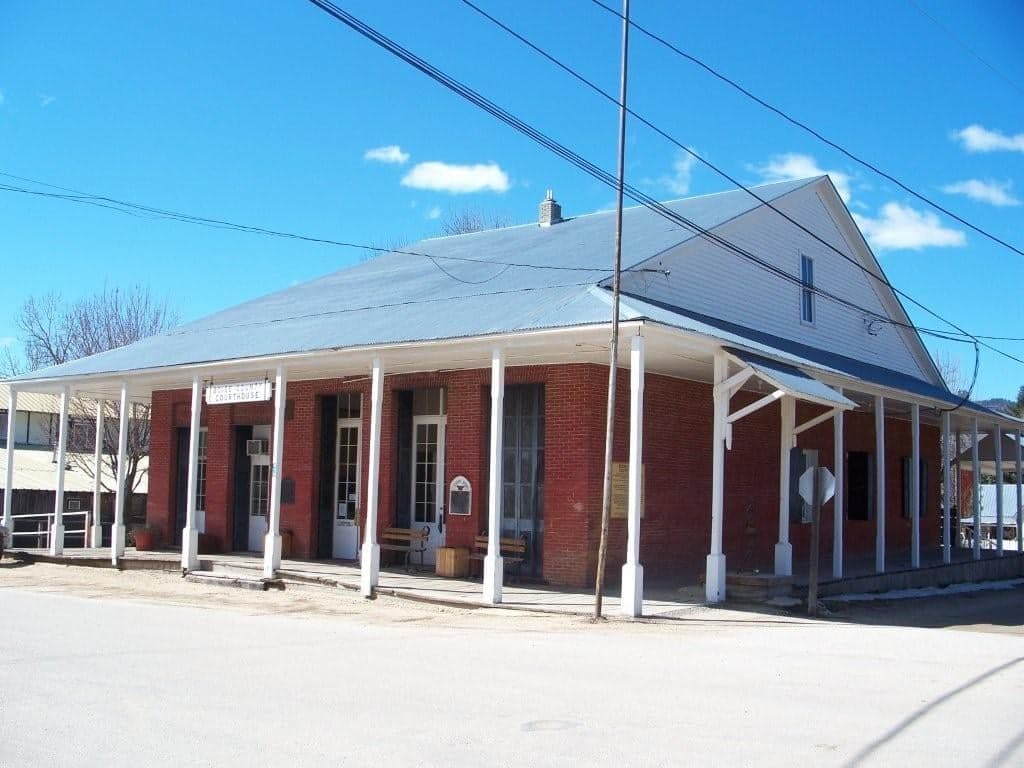
Horseshoe Bend is the county’s largest incorporated town, with roughly 800 residents, and functions as the primary service hub along Highway 55. Daily life here centers on the Payette River—fishing, rafting, and kayaking are year-round draws—and the town provides basic groceries, a medical clinic, and a K-12 school. Idaho City, the historic county seat, is smaller (around 500 residents) but serves as the cultural and administrative anchor, with the county courthouse, a handful of cafes, and the Boise Basin Museum. Both towns feel like working-class mountain communities, not wealthy resort enclaves, and the average commute of 35 minutes reflects the reality that many residents drive to jobs in Boise or Garden City, 30–40 miles south. Housing in these centers leans toward older single-family homes and manufactured housing, with rents staying low because of limited rental inventory.
Smaller towns & rural pockets
Beyond the main towns, Boise County is dotted with unincorporated communities that each have a distinct flavor. Placerville, a former gold-rush camp at 4,300 feet elevation, now consists of a few dozen year-round residents and a mix of vacation cabins and off-grid homesteads. Garden Valley, along the South Fork of the Payette, is a loose collection of ranchettes and riverfront properties popular with second-home owners and retirees; it has a small general store and a volunteer fire department but no full-service grocery. Lowman, at the junction of Highway 21 and the Payette River, is a true rural outpost with a population under 200, a single gas station, and access to hot springs and national forest trails. Banks, just north of Horseshoe Bend, is little more than a bridge and a few homes, but it’s a launch point for whitewater rafting trips. These areas lack municipal services—most rely on wells, septic systems, and propane—and property taxes are low because there is minimal local government.
Cost & lifestyle range
The cost spread across Boise County is driven by land value and access to amenities. At the high end, riverfront parcels in Garden Valley and newer subdivisions near Idaho City can push home prices above $600,000, while the median county home value of $424,100 reflects a mix of these premium properties and more modest homes in Horseshoe Bend and Placerville. At the low end, raw land in remote areas like Lowman or Banks can be found for under $100,000, but building costs and well-drilling expenses add significantly. Renters benefit from the median rent of $854, which is well below the national average and reflects a market dominated by older mobile homes and small apartments in Horseshoe Bend. Lifestyle differences are stark: in Horseshoe Bend and Idaho City, you can walk to a café or post office; in Lowman or Placerville, a 20-minute drive to the nearest paved road is normal. Internet access varies from cable broadband in town centers to satellite-only in the backcountry, which affects remote workers.
Who thrives in Boise County? Self-sufficient individuals and families who value outdoor recreation—hiking, fishing, hunting, and snowmobiling—and can tolerate long commutes or limited services. The county works well for retirees on fixed incomes who buy land cheaply and build modestly, for remote workers who need reliable internet (available in Horseshoe Bend and parts of Idaho City), and for those who want to live off-grid without restrictive county zoning. It is less suited to people who need daily urban amenities, frequent medical care, or a short drive to work. The trade-off is clear: lower housing costs and wide-open space in exchange for isolation and a 35-minute average drive to the nearest grocery store or job center.

Crime in Boise County
Lower crime rates than 76% of comparable U.S. locations.
Violent CrimeViolent Crime Analysis
Property CrimeProperty Crime Analysis
Crime Analysis
Boise County, Idaho, presents a notably safe environment compared to both state and national averages, with violent crime rates well below the national median. The county’s overall violent crime rate of 218.7 per 100,000 residents is significantly lower than the U.S. average of roughly 380 per 100,000, while its property crime rate of 616 per 100,000 also sits below the national figure of approximately 1,950 per 100,000. This safety profile is largely driven by the county’s rural character and small-town communities, though residents should be aware of localized variations, particularly in areas closer to the Boise metropolitan region.
Crime in context
When compared to Idaho’s statewide violent crime rate of about 245 per 100,000, Boise County’s 218.7 per 100,000 is slightly better, reflecting a generally low-threat environment. Property crime in the county, at 616 per 100,000, is also below the state average of roughly 1,100 per 100,000. These figures place Boise County among the safer rural counties in the state. However, the county’s proximity to the larger Ada County area—home to Boise city—introduces some spillover effects. The county’s judicial district, the 21st Judicial District, covers a largely conservative area, which tends to prioritize public safety and victim rights over progressive leniency. This is a positive factor for residents, as the district attorney’s office in Boise County is known for a firm approach to prosecution, unlike some more liberal jurisdictions in larger metro areas that can lead to higher recidivism and more criminals on the street.
What residents experience
Daily life in Boise County’s primary communities—Idaho City, Horseshoe Bend, and Garden Valley—is characterized by low instances of violent crime. Most reported incidents involve theft, vandalism, or occasional burglaries, rather than assaults or homicides. The county’s small population (roughly 8,000) and tight-knit social fabric mean that property crimes are often solved quickly through community cooperation. However, residents in unincorporated areas or remote subdivisions may face higher risks of theft from vehicles or outbuildings, as these locations are less patrolled. The sheriff’s office maintains a visible presence, and community watch programs are active in places like Lowman and Banks. For families, the low violent crime rate is a major draw, though the lack of a large police force means response times can be longer in the most isolated parts of the county.
Neighborhood-level variation
Crime is not evenly distributed across Boise County. Idaho City, the county seat and largest town, sees slightly higher property crime rates due to its role as a tourist hub for the Boise National Forest. Seasonal visitors and transient populations can contribute to occasional thefts from vehicles or campsites. In contrast, Garden Valley and Horseshoe Bend report fewer incidents, with Garden Valley in particular benefiting from a more affluent, retiree-heavy demographic that correlates with lower crime. The areas closest to the Ada County line, such as Banks, may experience some spillover from Boise’s urban crime, but this is minimal. Overall, the county’s conservative judicial philosophy—focused on accountability rather than progressive rehabilitation—helps keep repeat offenders off the streets, a stark contrast to the policies seen in larger, more liberal metro areas where soft-on-crime approaches can embolden criminals and undermine public safety. For those considering relocation, Boise County offers a secure environment, especially in its smaller, more remote communities.
* Values derived from national, state, county, city and local statistics and may differ in a specific area. Last updated: 2026-11-09T10:24:00.000Z
Narrative content on this page is AI-generated and may contain mistakes. Verify any details that matter before acting on them.
ReloMaps may earn a commission from affiliate links at no extra cost to you.

