Photo: Wikipedia
Demographics of Boise County
Affluence Level in Boise County
An upper-middle-class area. Household wealth, education levels, and homeownership run ahead of national benchmarks.
People of Boise County
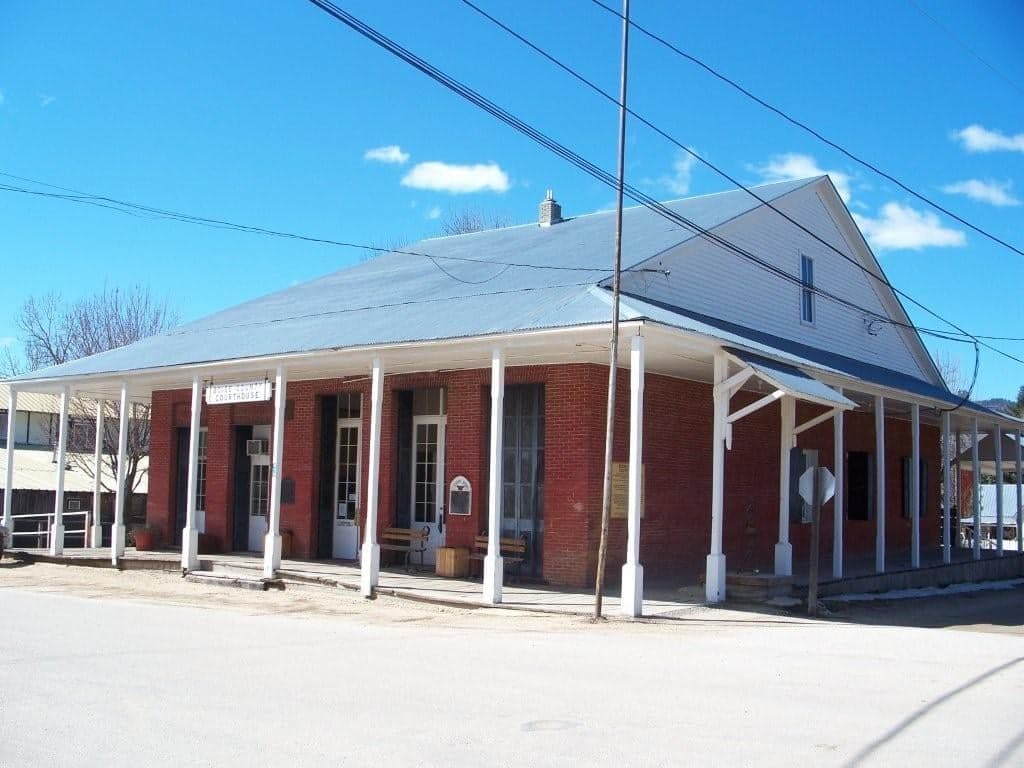
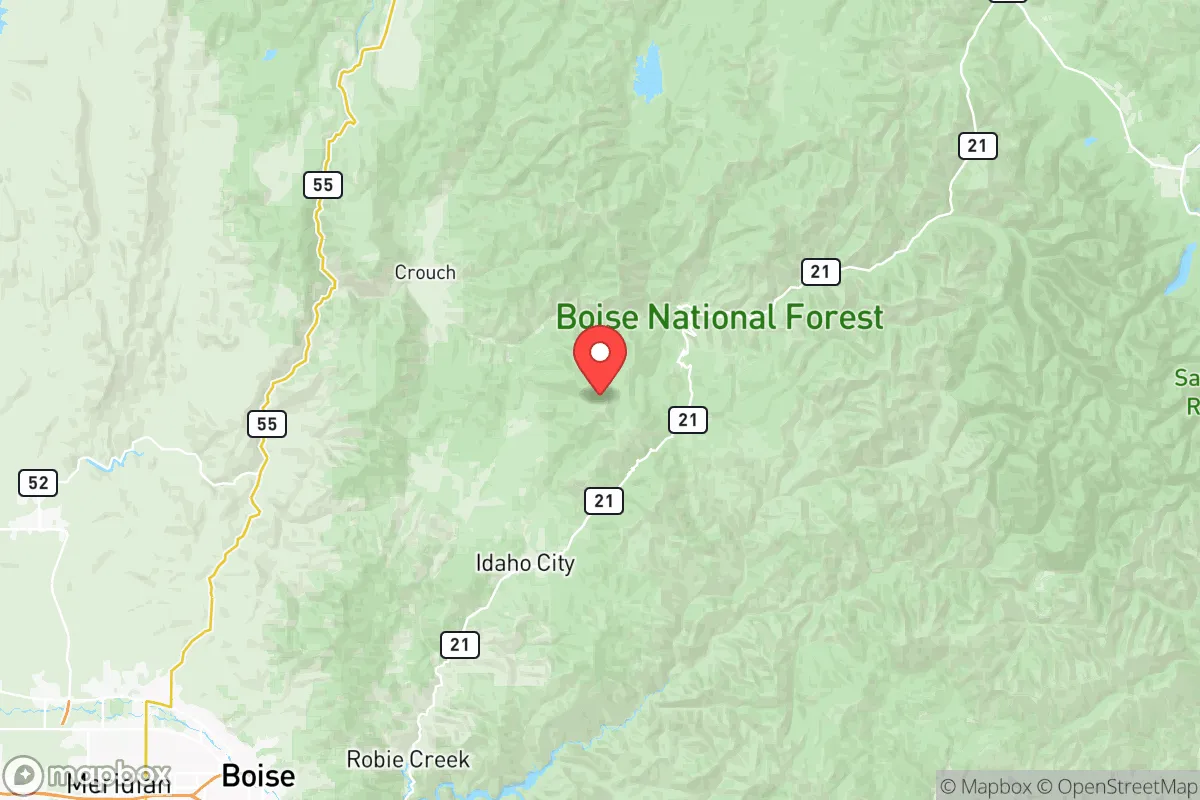
Boise County, Idaho, is home to roughly 8,045 residents, making it one of the state’s most sparsely populated counties, with a character defined by its rugged mountain landscape and a population that is 85.1% White and 1.3% foreign-born. The county’s identity is rooted in a history of mining booms, homesteading, and a slow, steady influx of those seeking isolation and outdoor recreation rather than urban convenience. Unlike the rapid growth seen in neighboring Ada County, Boise County remains a place where small, unincorporated communities like Idaho City and Garden Valley anchor a population that values self-reliance and a slower pace of life. For a conservative-leaning audience, the county represents a stronghold of traditional rural values, with a notably low 4.8% Hispanic population and minimal racial diversity that reflects its historic settlement patterns.
Settlement & growth (pre-1960)
Long before European settlement, the area now known as Boise County was the seasonal home of the Shoshone-Bannock and Northern Paiute peoples, who followed game and fish through the Payette River and Boise River drainages. The first significant non-Native presence came with the discovery of gold in 1862, which triggered a rush of prospectors—mostly white Americans from the East and Midwest, along with a small number of Chinese laborers—into the Boise Basin. The boomtown of Idaho City quickly became the largest city in the Pacific Northwest at the time, with a population peaking near 7,000 in 1863, though it was almost entirely transient and male-dominated. By the 1870s, the easily mined placer gold was exhausted, and the population collapsed, leaving Idaho City and nearby Placerville as quiet, historic remnants of that era.
After the mining bust, the county’s population stabilized around a small number of ranchers, loggers, and homesteaders who filtered in during the late 19th and early 20th centuries. These were predominantly of Northern European descent—English, Scots-Irish, and German—attracted by cheap land under the Homestead Act and the timber industry in the Payette National Forest. The town of Horseshoe Bend emerged as a modest agricultural and transportation hub along the Payette River, while Garden Valley developed as a ranching and farming community. Unlike many Western counties, Boise County saw no major wave of Southern or Eastern European immigration, nor any significant Dust Bowl migration, as its steep terrain and short growing seasons limited large-scale agriculture. By 1960, the county’s population had settled at around 3,000, a figure that would remain relatively flat for decades, with the economy relying on logging, small-scale ranching, and government employment from the U.S. Forest Service.
Modern era (post-1965)
The post-1965 era brought little of the demographic transformation seen in urban Idaho. The Hart-Cellar Act’s liberalization of immigration had almost no effect on Boise County, as the area offered few jobs in manufacturing or services that would attract foreign-born populations. The foreign-born share today stands at just 1.3%, far below the national average, and the county’s racial composition has remained overwhelmingly White, with only a 0.2% Black population and 1.5% East/Southeast Asian residents, the latter concentrated in Idaho City and Lowman in small numbers tied to seasonal hospitality work. The Hispanic population, at 4.8%, is the largest minority group but is dispersed rather than forming enclaves, with a slight concentration in Horseshoe Bend where agricultural labor has drawn a few families over the past two decades.
The most significant modern shift has been domestic migration, particularly since the 1990s, as Boise County became a destination for retirees, second-home buyers, and remote workers fleeing the sprawl of Boise and the Treasure Valley. The towns of Garden Valley and Crouch have seen the most growth, with new subdivisions and vacation cabins catering to those seeking riverfront property and mountain solitude. This influx has been overwhelmingly White and relatively affluent, with 29.9% of residents holding a college degree—a figure that has risen as professionals from Boise and out-of-state relocate to the area. The county’s population grew from roughly 6,700 in 2000 to over 8,000 by 2020, a modest but steady increase driven entirely by domestic in-migration, not natural increase or international immigration.
The future
Boise County’s population is projected to continue its slow growth, likely reaching 9,000 to 10,000 by 2040, driven by the same forces of remote work and recreational migration that have shaped the past two decades. The county is not becoming more diverse; the White share is expected to remain above 80%, with Hispanic growth remaining modest and East/Southeast Asian and Black populations staying negligible. New residents are concentrating in Garden Valley and Horseshoe Bend, where developable land and river access are available, while the historic mining towns of Idaho City and Placerville are seeing slower growth due to limited infrastructure and seasonal access. The cultural identity of the county is likely to remain rooted in outdoor recreation—hunting, fishing, snowmobiling, and off-roading—with a political character that leans strongly conservative, as new arrivals tend to share the values of the existing population rather than shifting them leftward.
For someone moving in now, Boise County offers a place where the population is stable, homogeneous, and deeply connected to the land, with little of the ethnic or cultural churn found in urban centers. The county is becoming a bedroom and recreational community for the Treasure Valley, but it retains a distinct, independent character that appeals to those who want space, privacy, and a low-tax, low-regulation environment. The bottom line is that Boise County is not a place of demographic transformation—it is a place of preservation, where the people who live there have chosen it for what it already is, not for what it might become.

* Values derived from national, state, county, city and local statistics and may differ in a specific area. Last updated: 2026-11-09T10:24:00.000Z
Narrative content on this page is AI-generated and may contain mistakes. Verify any details that matter before acting on them.
ReloMaps may earn a commission from affiliate links at no extra cost to you.

