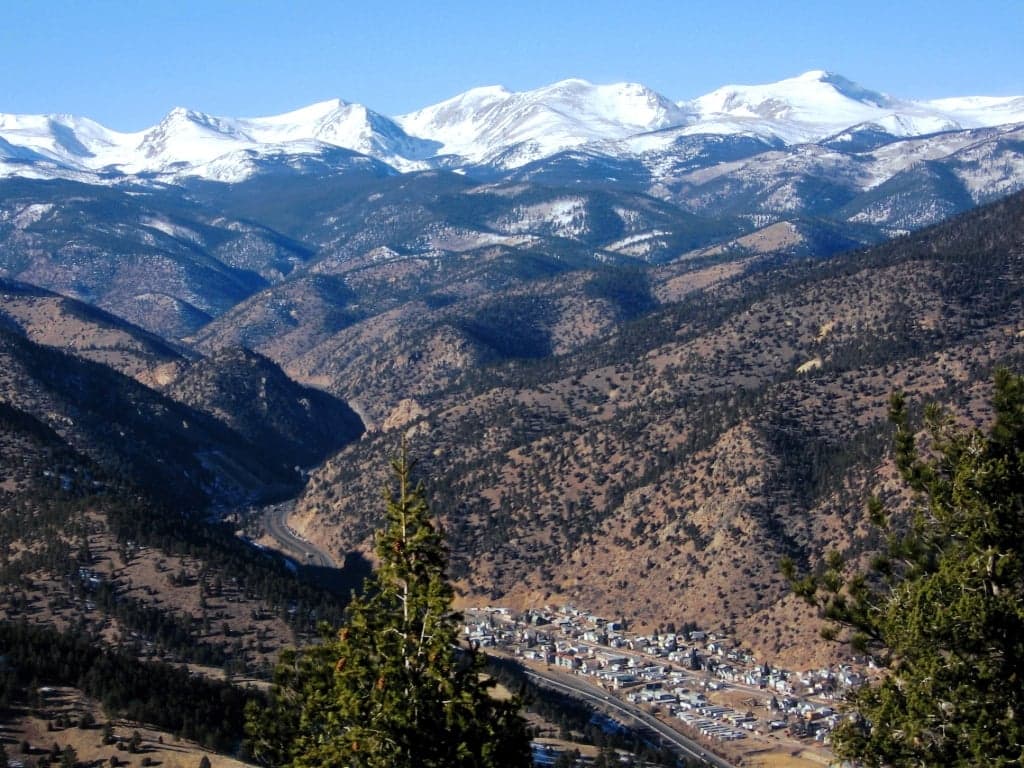
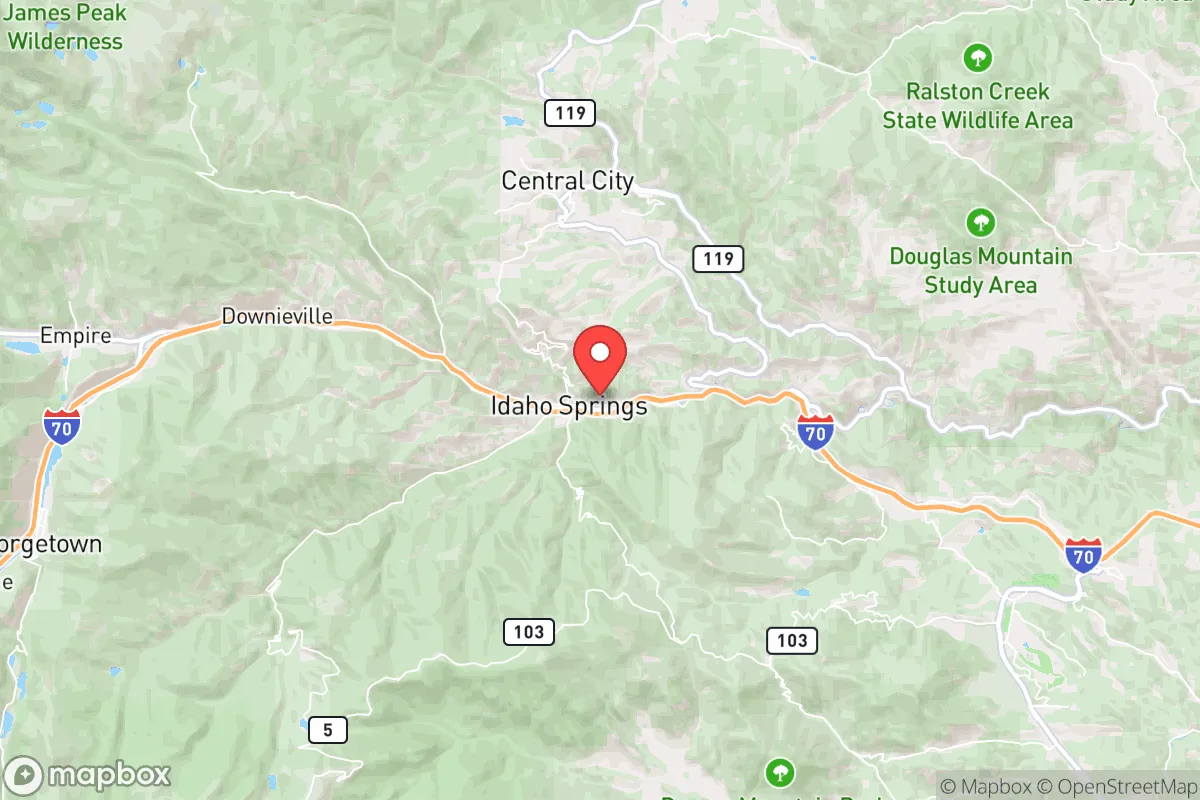
Photo: Wikipedia
Quality of Life in Idaho Springs, CO
A high quality of life with strong walkability, manageable living costs, healthy neighborhood signals, and solid amenity access.
What does Quality of Life tell us?
Quality of Life blends cost of living, nearby amenities, socioeconomic signals, and neighborhood character. City-level scores represent the whole municipality; individual neighborhoods can differ.
What does this tell us?
Quality of Life blends cost of living, nearby amenities, socioeconomic signals, and neighborhood character. City-level scores represent the whole municipality; individual neighborhoods can differ.
Cost of Living
22% above national average
The Real Cost of Living in Idaho Springs, CO for 2026
| Tier | Individual | Family (4) |
|---|---|---|
| Survival | $19k | $35k |
| Comfortable | $84k | $124k |
| Luxury | $154k+ | $239k+ |
| Elite (Top 5%) | $198k+ | $307k+ |
69%
* top-5% income substituted from state-level data — local Census figures unavailable for small populations
The Area Signal
A metric tracking the socioeconomic signals of the area.
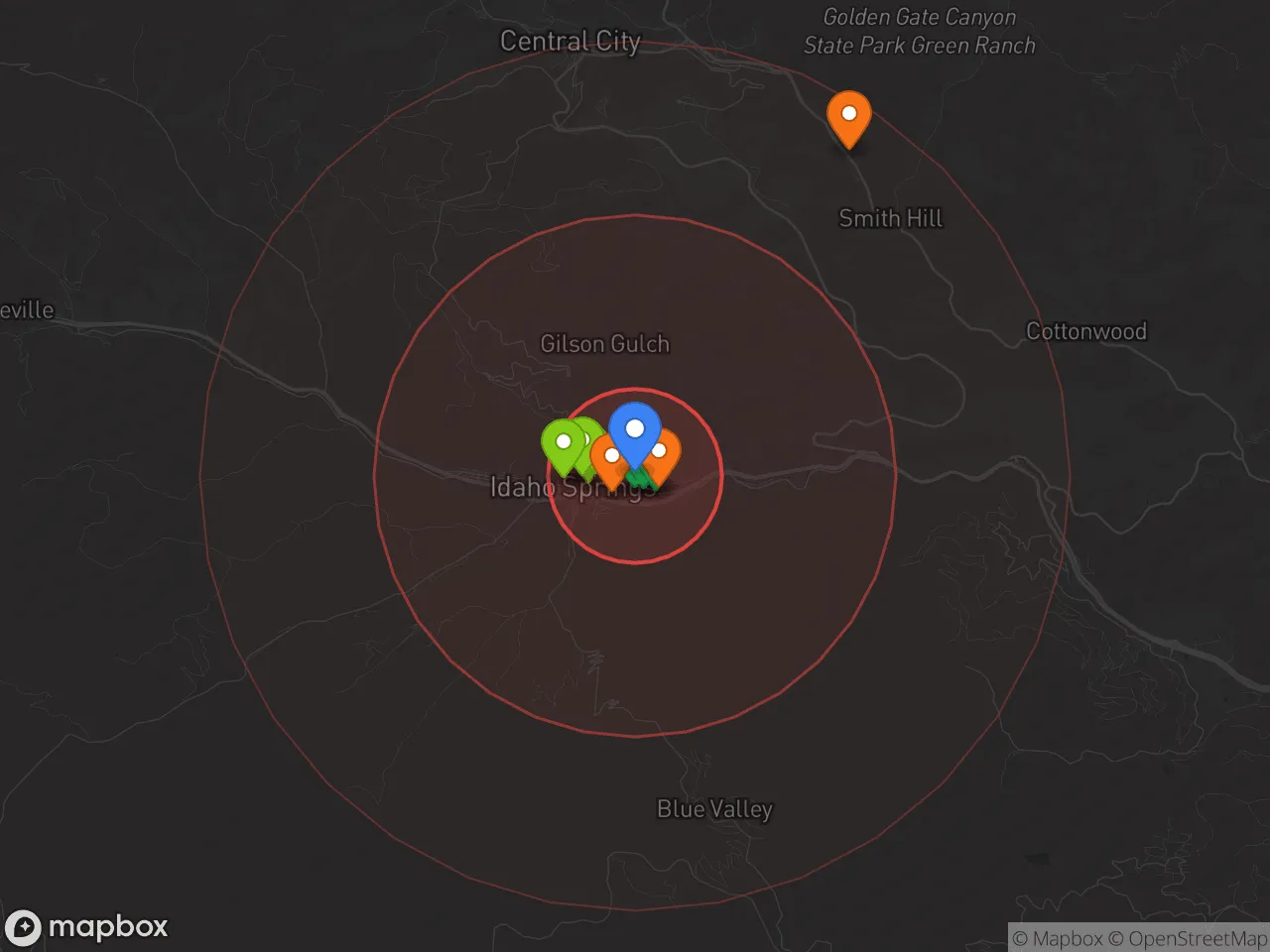
Hobbies
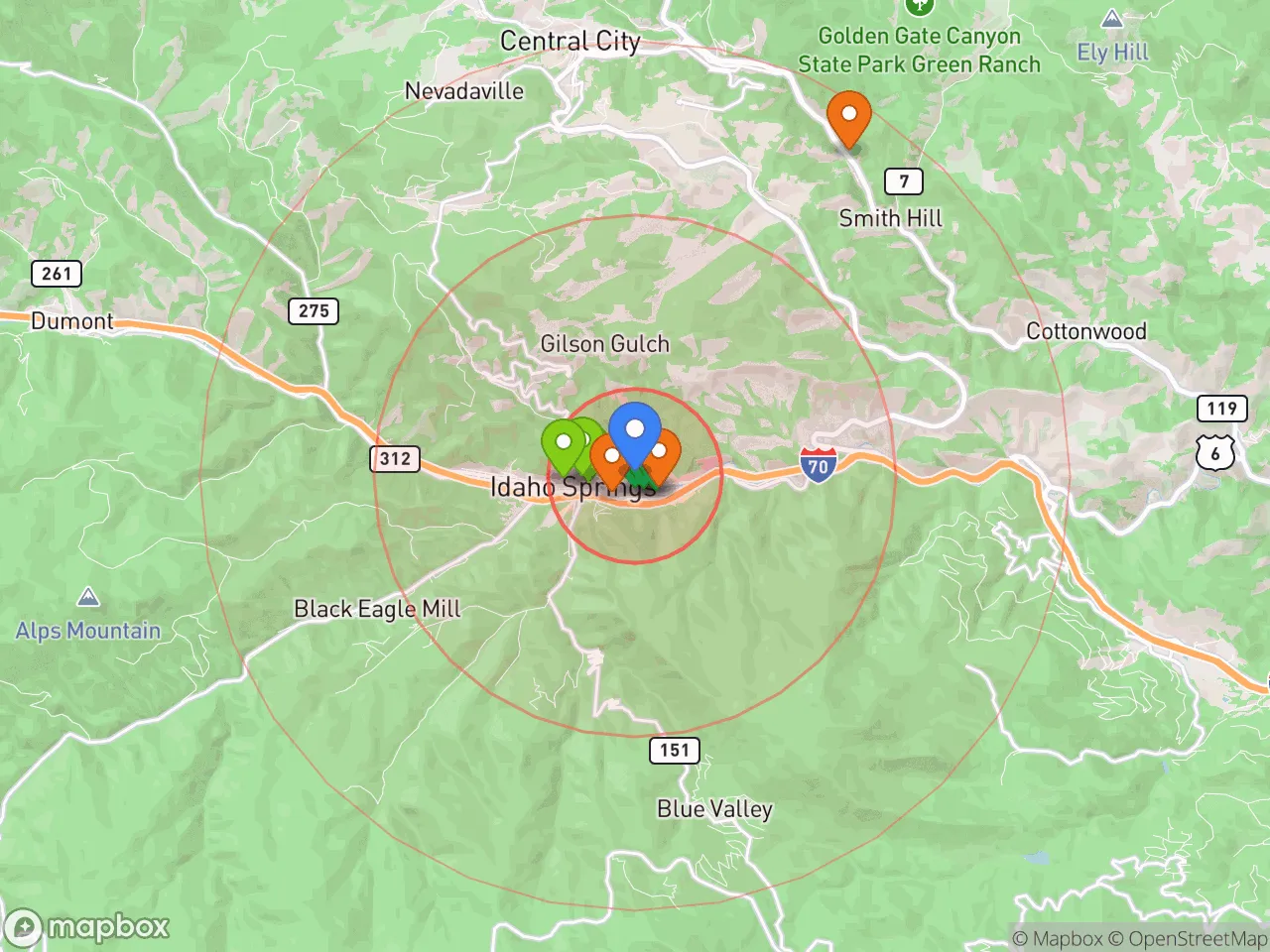
Explore the areaGroceries
0 within 10 miles
Gas
0 within 10 miles
Hospital
0 within 20 miles
Airport
DEN — Denver International
Post Office
Critical Amenities
Quality-of-Life Analysis
Idaho Springs presents a distinctive quality-of-life profile shaped by its position as a historic mining town turned mountain commuter hub, with a cost of living index of 122 that is notably higher than the national average of 100 but significantly lower than nearby ski-resort communities like Breckenridge or Vail. The town attracts a mix of outdoor recreationists, remote workers, and long-term locals who value direct access to the Arapaho and Roosevelt National Forests over urban amenities. With a median home value of $434,900 and a median rent of $1,175, Idaho Springs offers a more attainable entry point into Clear Creek County real estate compared to the Front Range, though affordability remains a challenge relative to national benchmarks.
Cost of living, housing, and affordability compared to Denver and Clear Creek County
Idaho Springs sits at a cost-of-living index of 122, meaning everyday expenses run about 22 percent above the U.S. average, driven primarily by housing and transportation costs. The median home value of $434,900 is roughly $100,000 below the Denver metro median, making it one of the more affordable mountain-adjacent communities within an hour of downtown Denver. Renters fare better than buyers here: the median rent of $1,175 is significantly below the Denver average of roughly $1,800, though rental inventory is limited and turnover is low. The average commute of 25.5 minutes reflects the town's role as a bedroom community for workers heading east to Golden, Lakewood, or Denver via I-70, though winter weather and ski traffic can push that figure considerably higher on peak weekends. Property taxes in Clear Creek County are relatively low compared to Jefferson County, which helps offset the higher purchase prices for homeowners.
Local amenities, schools, and what daily life is like for residents
Daily life in Idaho Springs centers on a compact walkable downtown along Miner Street, where residents find a grocery store, a handful of restaurants and breweries, and the historic Argo Mill and Tunnel tourist attraction. For more extensive shopping, medical services, or big-box retail, residents drive 20 minutes east to Evergreen or 35 minutes to the Lakewood edge of the Denver metro. Clear Creek School District RE-1 serves the area with Idaho Springs Elementary and Clear Creek Middle/High School, both of which have small class sizes and graduation rates above 90 percent, though advanced course offerings are more limited than in larger suburban districts. The town's recreation center, pool, and network of hiking and mountain biking trails provide year-round activity options, while the nearby St. Mary's Glacier and Mount Evans Scenic Byway draw both locals and tourists. Internet connectivity has improved with fiber-optic availability in parts of town, supporting the growing number of remote workers who choose Idaho Springs for its mountain setting and lower home prices relative to Summit County.
The town is best suited for people who prioritize outdoor recreation and a slower pace over urban conveniences and who can tolerate a 25-minute commute to Front Range jobs or who work remotely. Families with school-age children will find a tight-knit community and solid small-school academics, but should plan for limited extracurricular breadth and a drive for specialized services. Retirees and second-home buyers are increasingly present, drawn by the historic character and relative affordability compared to ski towns further west. Anyone considering a move should budget for the 22 percent cost-of-living premium and verify internet options at specific addresses, as coverage varies within town limits.

Crime in Idaho Springs, CO
Higher crime rates than 57% of comparable U.S. locations.
Violent CrimeViolent Crime Analysis
Property CrimeProperty Crime Analysis
Crime Analysis
Idaho Springs, a historic mining town along the I-70 corridor roughly 30 miles west of Denver, presents a crime profile that warrants careful consideration for potential residents. With a violent crime rate of 428.1 per 100,000 residents and a property crime rate of 2,177.4 per 100,000, the town's safety statistics are notably worse than national averages, a situation compounded by its proximity to the Denver metro area and the progressive criminal justice policies that dominate the region.
Crime in context
Idaho Springs' violent crime rate of 428.1 per 100,000 is roughly 22% higher than the national average of approximately 350 per 100,000, and significantly exceeds Colorado's statewide rate of about 370 per 100,000. The property crime rate of 2,177.4 per 100,000 is approximately 45% higher than the national average of 1,500 per 100,000. These figures place Idaho Springs in a concerning position compared to other small Colorado mountain towns, many of which report lower crime rates due to smaller populations and less exposure to urban crime spillover. The town's location as a gateway community to ski resorts and its position along a major interstate corridor contribute to transient crime, including vehicle break-ins and thefts from tourists' cars.
What residents experience
Residents of Idaho Springs report that property crime is the most tangible safety concern, with theft from vehicles, burglary, and vandalism being the most common offenses. The town's small population of roughly 1,800 means that even a handful of incidents can skew annual statistics dramatically. However, the underlying issue for many residents is the broader criminal justice environment in Clear Creek County and the Denver metro area. Progressive district attorneys and judges in the region have implemented policies that prioritize diversion programs and reduced sentencing for property and drug offenses. While these policies are designed to reduce incarceration rates, critics argue they directly lead to more criminals on the street and negatively impact justice for victims and the general public. Repeat offenders cycling through the system without meaningful consequences is a common frustration expressed in local community forums and town hall meetings.
Neighborhood-level variation
Crime in Idaho Springs is not evenly distributed. The downtown core along Miner Street and the areas immediately adjacent to I-70 exits experience the highest concentration of property crime, particularly vehicle break-ins and thefts targeting tourists. Residential neighborhoods further up the hillsides, such as those along Colorado Boulevard and the residential streets south of I-70, report significantly fewer incidents. The historic district and areas with limited street lighting see more vandalism and occasional trespassing. For those considering a move to Idaho Springs, homes set back from the main commercial corridor and away from the interstate exits generally offer a quieter, safer living environment. Gated communities and newer developments on the town's periphery also tend to report lower crime rates, though inventory in these areas is limited. Prospective residents should also consider that the town's small police force has limited capacity for proactive patrols, relying heavily on the Clear Creek County Sheriff's Office for backup on serious incidents.
* Values derived from national, state, county, city and local statistics and may differ in a specific area. Last updated: 2026-10-17T04:06:29.000Z
Narrative content on this page is AI-generated and may contain mistakes. Verify any details that matter before acting on them.
ReloMaps may earn a commission from affiliate links at no extra cost to you.

