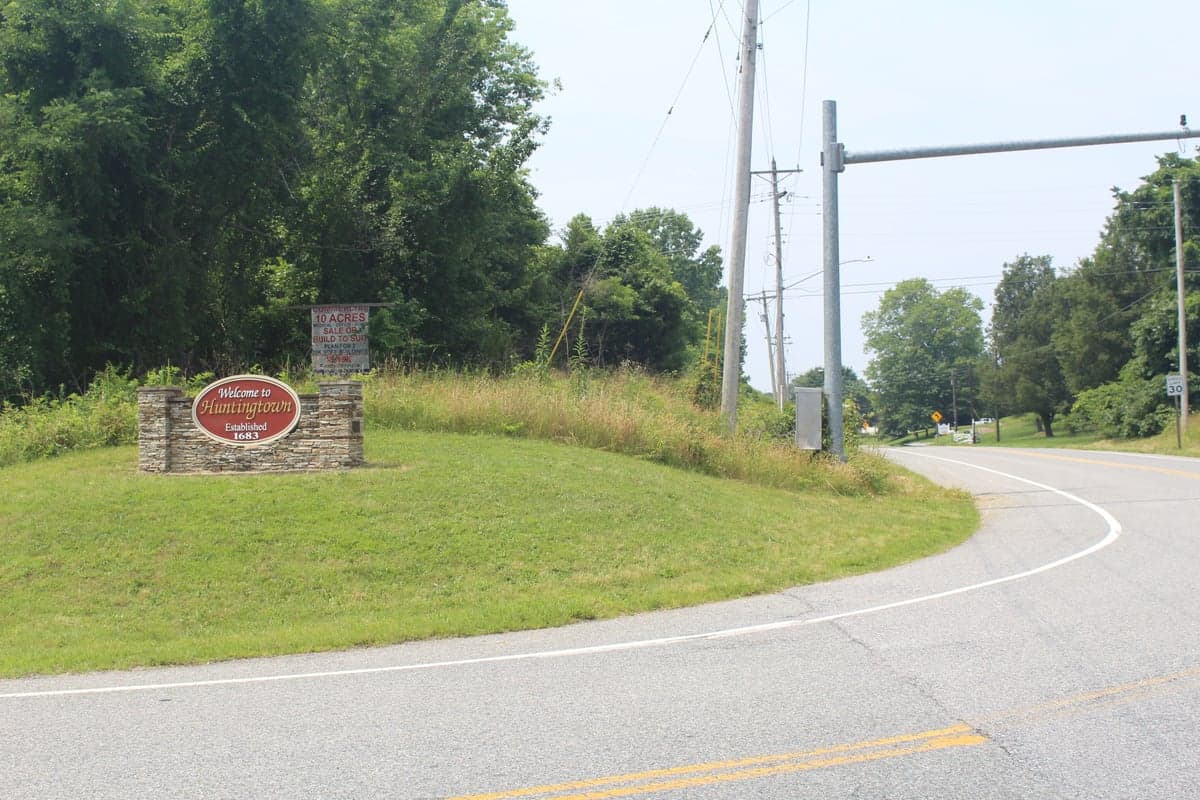
Photo: Wikipedia
Strategic Assessment of Huntingtown, MD
Workable tactical position. Some exposure to population density or targets, but generally defensible in a crisis.
What does the Strategic Assessment tell us?
Our Strategic Assessment grades tactical survivability of an area. Major population centers, military targets, fallout zones, natural disasters, and border exposure all drive risk — lower exposure means a more defensible position in a crisis.
This is heavily inspired by Joel Skousen's Strategic Relocation book. Highly recommended you checkout the book ($)What does this tell us?
Our Strategic Assessment grades tactical survivability of an area. Major population centers, military targets, fallout zones, natural disasters, and border exposure all drive risk — lower exposure means a more defensible position in a crisis.
This is heavily inspired by Joel Skousen's Strategic Relocation book. Highly recommended you checkout the book ($)Strategic Pillars
Key Distances
Regional Safe Places
Below is our recommended "safe zones" in Maryland and the surrounding area based on our strategic heuristics. For most people, it's unrealistic to live in a “safe zone” full-time due to work, family or other personal reasons. They tend to be more rural. However, many of these areas are perfect for second homes and retreat properties that double as a vacation home or even a short-term rental.
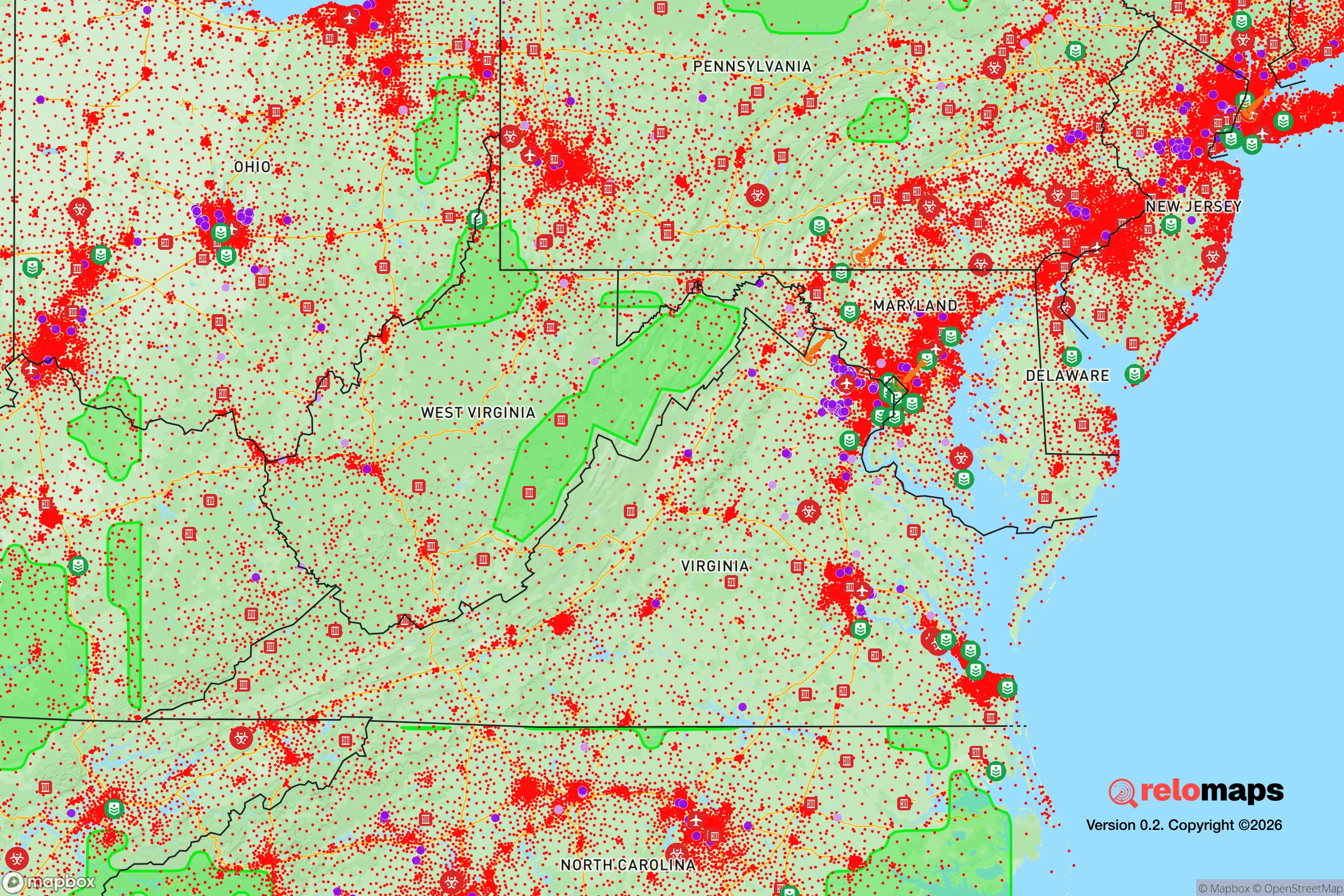
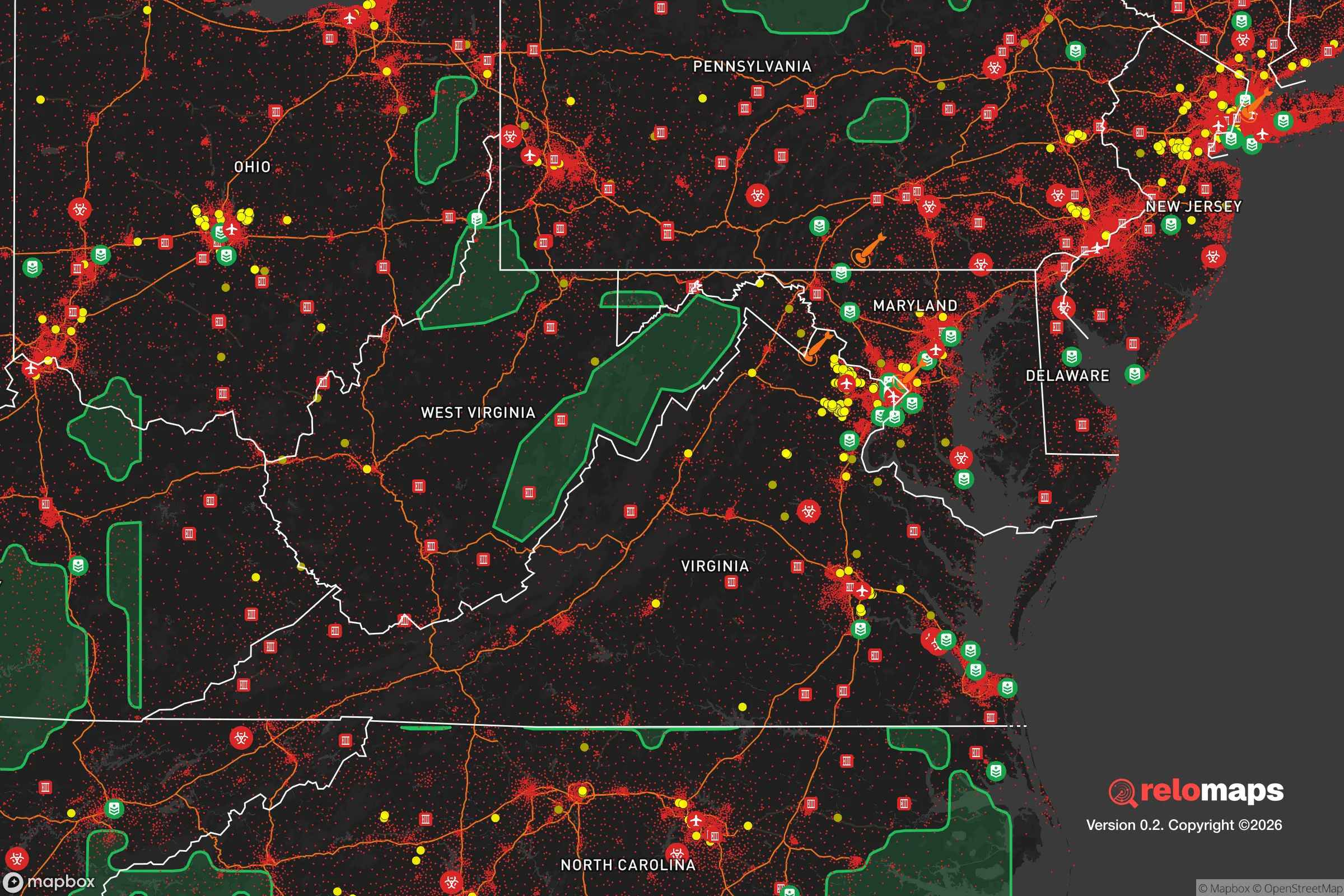


Important Note: For informational purposes only. This does not mean nothing bad ever happens in the green zones. Please use common sense. This is based on public data and modeled with AI. We tried to take a conservative approach but mistakes happen. We update this regularly as new information becomes available.
Solar Generator Recommendations
Backup power matters more here than in safer locations. We've picked three solar generators across budgets and capacity tiers — start with the budget unit if you only need a few essentials, or step up if you want to run a fridge and HVAC for days at a time.
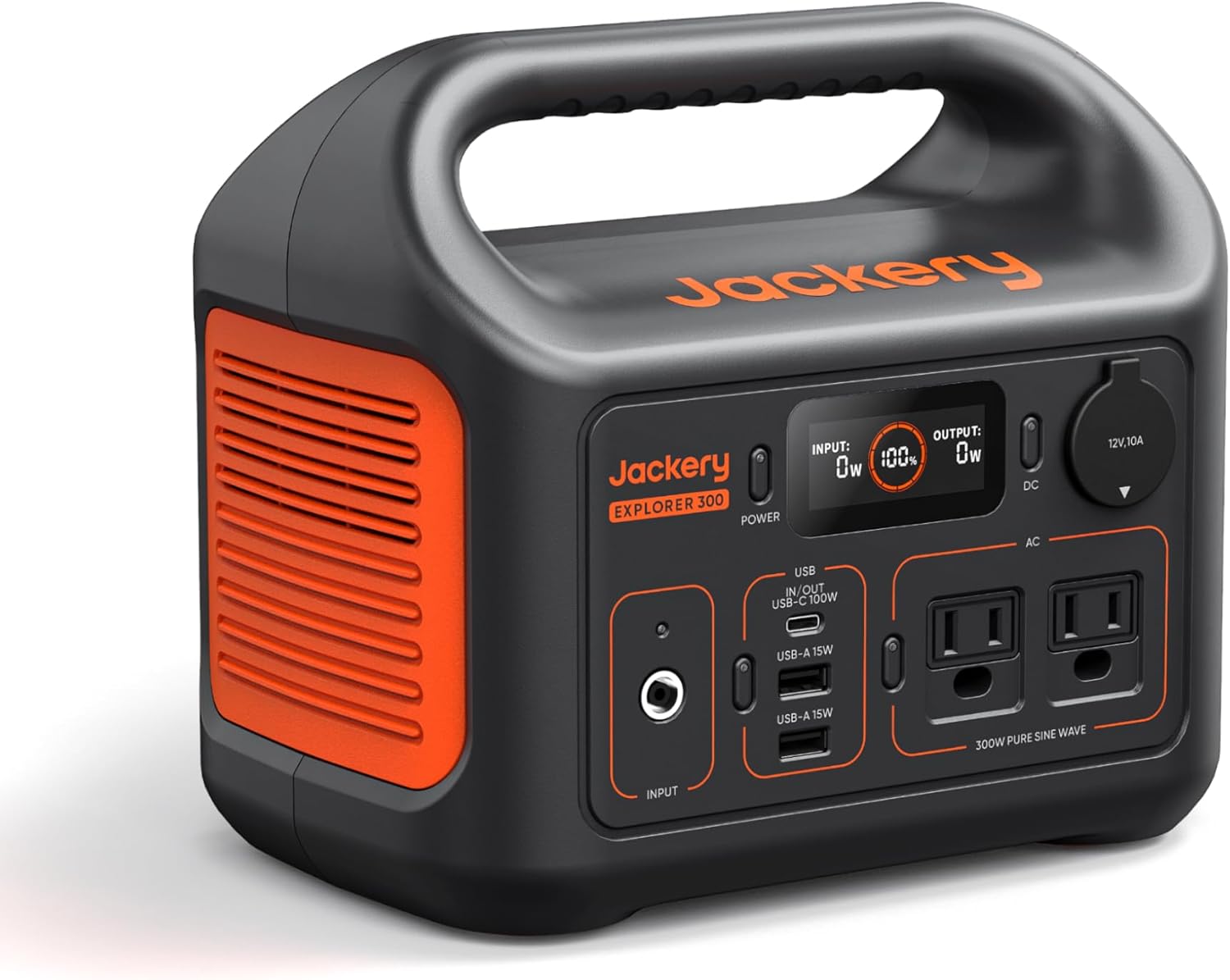
Jackery Portable Power Station Explorer 300
Budget OptionPower on the Go: Weighing only 11 lbs, it's convenient to set up and store with book-sized foldable solar panels

BLUETTI Portable Power Station AC180
Designed for both indoor and outdoor scenarios, AC180 is highly capable as it has a robost capacity and continuous output power.

EF ECOFLOW DELTA Pro Ultra Power Station
Upgraded PickEcoFlow DELTA Pro Ultra is a whole-home energy system designed to grow with your family. Integrated with the Smart Home Panel 2, it scales to meet your evolving energy needs — keeping your home powered, intelligent, and secure through every stage of life.
We earn a commission, at no additional cost to you.
Strategic Assessment Analysis
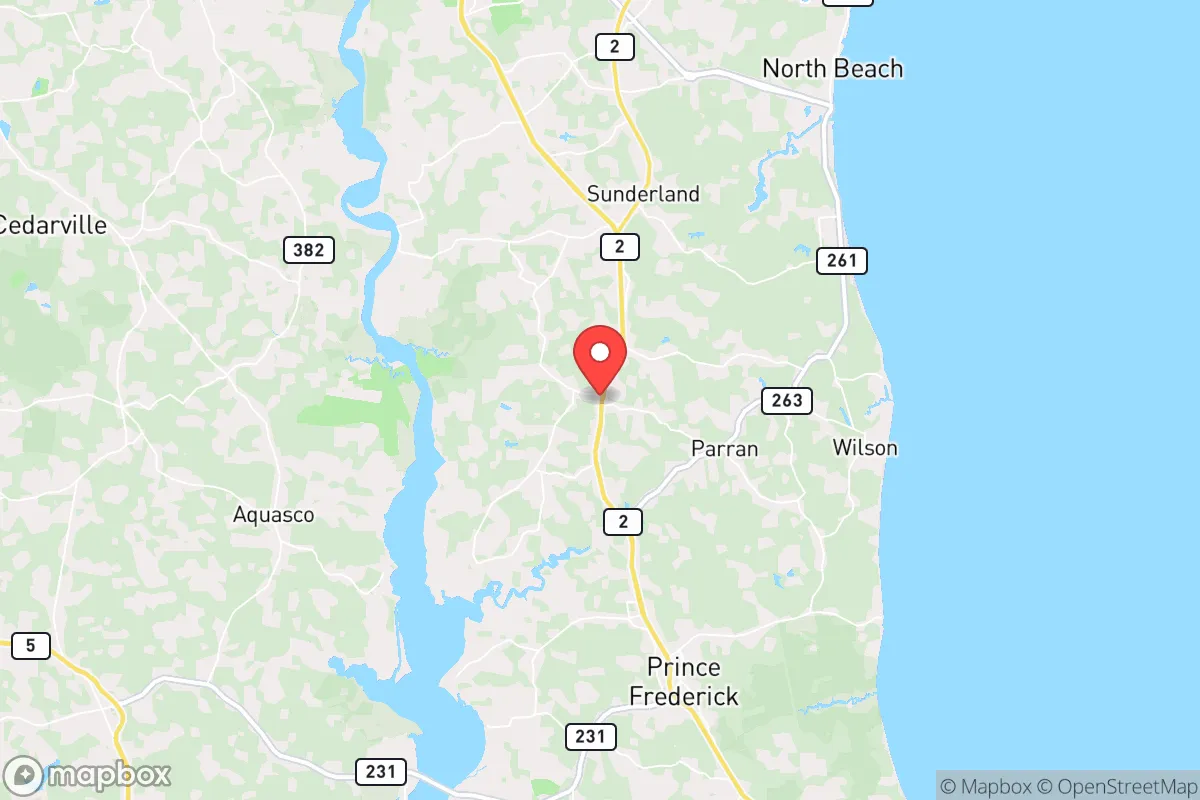
Huntingtown, Maryland, occupies a strategic position in Calvert County that offers a meaningful blend of rural seclusion and practical access to resources, making it a noteworthy option for those prioritizing disaster readiness and self-sufficiency. Located roughly 35 miles southeast of Washington, D.C., and 25 miles south of Annapolis, the area sits on a peninsula formed by the Patuxent River to the west and the Chesapeake Bay to the east, providing natural buffers against the densest population centers while still allowing for supply runs and medical access. This geographic reality means Huntingtown is close enough to major infrastructure to be useful, but far enough to avoid the immediate chaos of a metropolitan collapse.
Geographic position and natural advantages for preparedness
Huntingtown's location on the Calvert Peninsula is its primary strategic asset. The peninsula is bounded by water on three sides, which inherently limits the number of approach routes for any potential threat, whether natural or man-made. The Patuxent River to the west and the Chesapeake Bay to the east create a natural funnel that makes the area more defensible than inland suburbs. The terrain is gently rolling, with elevations ranging from 50 to 150 feet above sea level, which reduces flood risk compared to coastal communities directly on the bay. The area's soils are primarily sandy loam, well-drained and suitable for small-scale agriculture, a key factor for anyone planning food self-sufficiency. The local climate is temperate, with an average of 200 frost-free days per year, allowing for a long growing season for vegetables, fruits, and even some grains. The proximity to the Chesapeake Bay also moderates temperature extremes, reducing the risk of both severe winter freezes and summer heat waves that can stress off-grid systems. For a relocator, this means a lower baseline risk of weather-related infrastructure failure compared to more inland or coastal locations.
Risks, exposures, and proximity to fallout-relevant landmarks
The most significant risk for Huntingtown is its proximity to high-value strategic targets in the Washington, D.C., and Baltimore metropolitan areas. While the town itself is not a primary target, it lies within the fallout plume zone for a nuclear detonation at the Pentagon, Joint Base Andrews, or the Naval Air Station Patuxent River (NAS Pax River), located just 15 miles south in Lexington Park. NAS Pax River is a major naval aviation testing and development facility, making it a potential secondary target in a conflict scenario. The prevailing winds in the region are from the northwest, meaning fallout from a D.C. strike would likely drift southeast, directly over Calvert County. This is a sobering reality that any serious preparedness plan must account for. Beyond man-made risks, the area faces natural hazards including hurricanes and nor'easters, which can cause prolonged power outages and flooding in low-lying areas near the Patuxent and Chesapeake shores. The region is also in a moderate seismic zone, though earthquakes are rare and typically low magnitude. The primary natural risk is storm surge and tidal flooding, particularly for properties within a mile of the water. For a relocator, the key takeaway is that Huntingtown offers excellent day-to-day resilience but requires a robust fallout shelter plan and a willingness to monitor regional threat levels.
Practical resilience for a relocator: food, water, energy, and defensibility
Huntingtown's practical resilience is strong for a suburban-rural interface. Water availability is the area's standout feature: most homes rely on private wells drawing from the Aquia and Magothy aquifers, which are generally reliable and produce good-quality water at depths of 100-300 feet. This eliminates dependence on municipal water systems that could fail during a crisis. For backup, the Patuxent River and numerous creeks provide surface water, though treatment would be necessary. Food production is viable: the sandy loam soils are suitable for gardens, and the long growing season supports a wide variety of crops. Local farms, such as those along Route 2 and 4, offer produce, eggs, and meat, and the Calvert County Farmers Market in nearby Prince Frederick provides a local food network. For long-term storage, the area has several feed and supply stores that stock seeds, tools, and animal feed. Energy resilience is moderate: the grid is served by Baltimore Gas and Electric (BGE), which has a mixed reliability record during storms. Solar potential is good, with an average of 4.5 peak sun hours per day, making rooftop solar with battery backup a viable investment. Propane is widely available for heating and cooking, and many homes already have propane tanks. Defensibility is aided by the peninsula's geography: there are only a few main roads into and out of the area—Routes 2, 4, and 260—which can be monitored or blocked if necessary. The community is relatively tight-knit, with a population of around 4,500, which fosters mutual aid networks. However, the area is not remote; it's a 20-minute drive to the Calvert Memorial Hospital in Prince Frederick, and law enforcement response times are generally under 15 minutes. For a relocator, the balance is clear: Huntingtown offers strong baseline resilience with water, soil, and community assets, but requires proactive investment in backup power and fallout protection.
The overall strategic picture for Huntingtown is one of calculated trade-offs. It is not a remote bug-out location, nor is it a defensible mountain redoubt. Instead, it is a well-positioned suburban-rural community that offers a high degree of day-to-day resilience—reliable water, productive soil, moderate climate, and a supportive community—while being close enough to major cities to access medical care, supplies, and employment. The primary vulnerability is its location within the fallout zone of high-value military and government targets, which demands serious preparation for a radiological event. For the conservative-leaning relocator who values self-sufficiency but does not want to abandon all connection to modern infrastructure, Huntingtown represents a pragmatic middle ground. It is a place where a prepared family can thrive in most scenarios, provided they acknowledge and plan for the specific risks of living near the nation's capital. The area rewards those who invest in well-drilling, solar panels, a root cellar, and a fallout shelter, and punishes those who assume the peninsula's natural beauty alone will protect them.

* Values derived from national, state, county, city and local statistics and may differ in a specific area. Last updated: 2026-11-16T20:08:39.000Z
Narrative content on this page is AI-generated and may contain mistakes. Verify any details that matter before acting on them.
ReloMaps may earn a commission from affiliate links at no extra cost to you.

