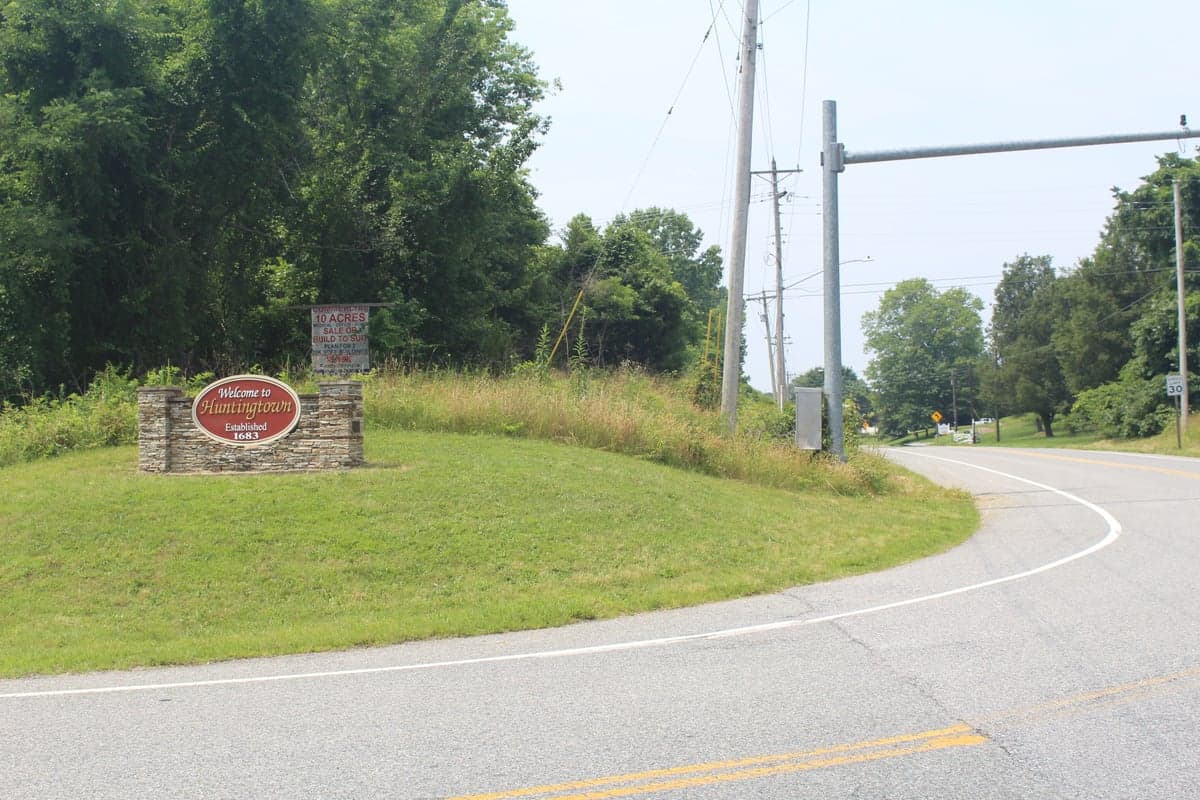
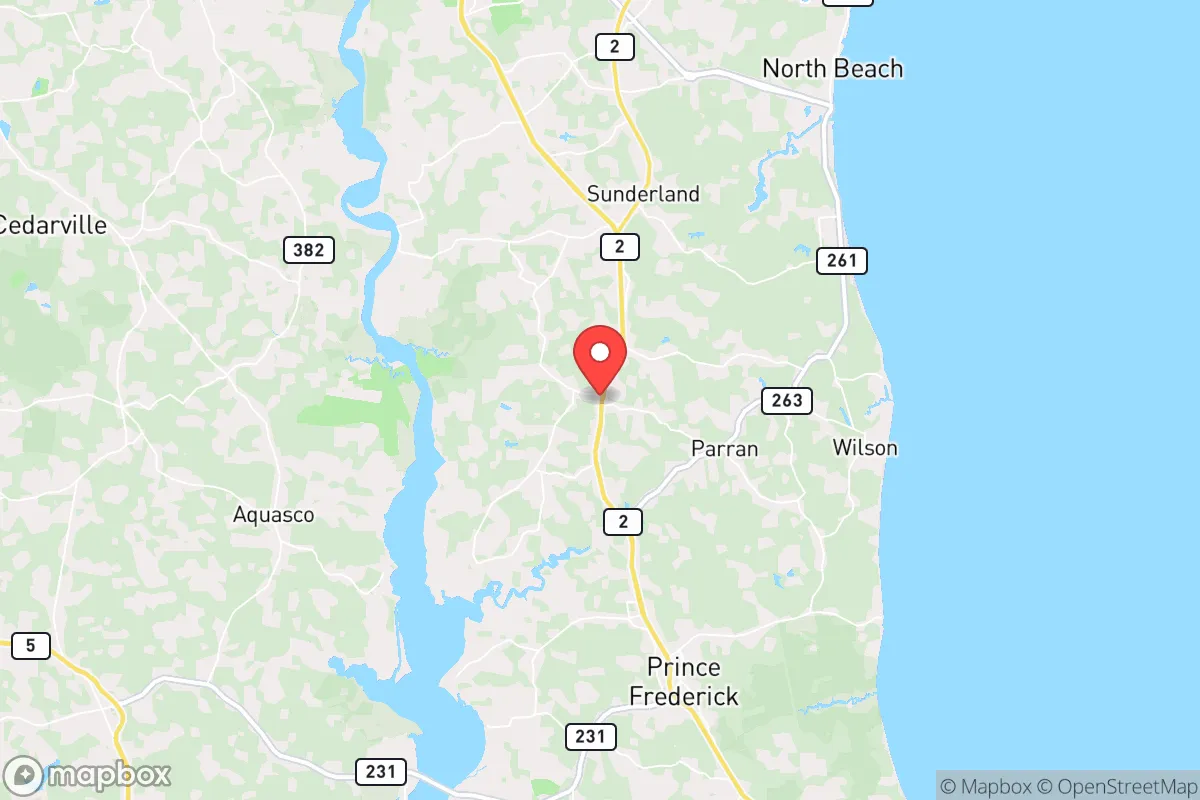
Photo: Wikipedia
Quality of Life in Huntingtown, MD
A high quality of life with strong walkability, manageable living costs, healthy neighborhood signals, and solid amenity access.
What does Quality of Life tell us?
Quality of Life blends cost of living, nearby amenities, socioeconomic signals, and neighborhood character. City-level scores represent the whole municipality; individual neighborhoods can differ.
What does this tell us?
Quality of Life blends cost of living, nearby amenities, socioeconomic signals, and neighborhood character. City-level scores represent the whole municipality; individual neighborhoods can differ.
Cost of Living
80% above national average
The Real Cost of Living in Huntingtown, MD for 2026
| Tier | Individual | Family (4) |
|---|---|---|
| Survival | $30k | $56k |
| Comfortable | $115k | $170k |
| Luxury | $199k+ | $308k+ |
| Elite (Top 5%) | $234k+ | $362k+ |
105%
The Area Signal
A metric tracking the socioeconomic signals of the area.
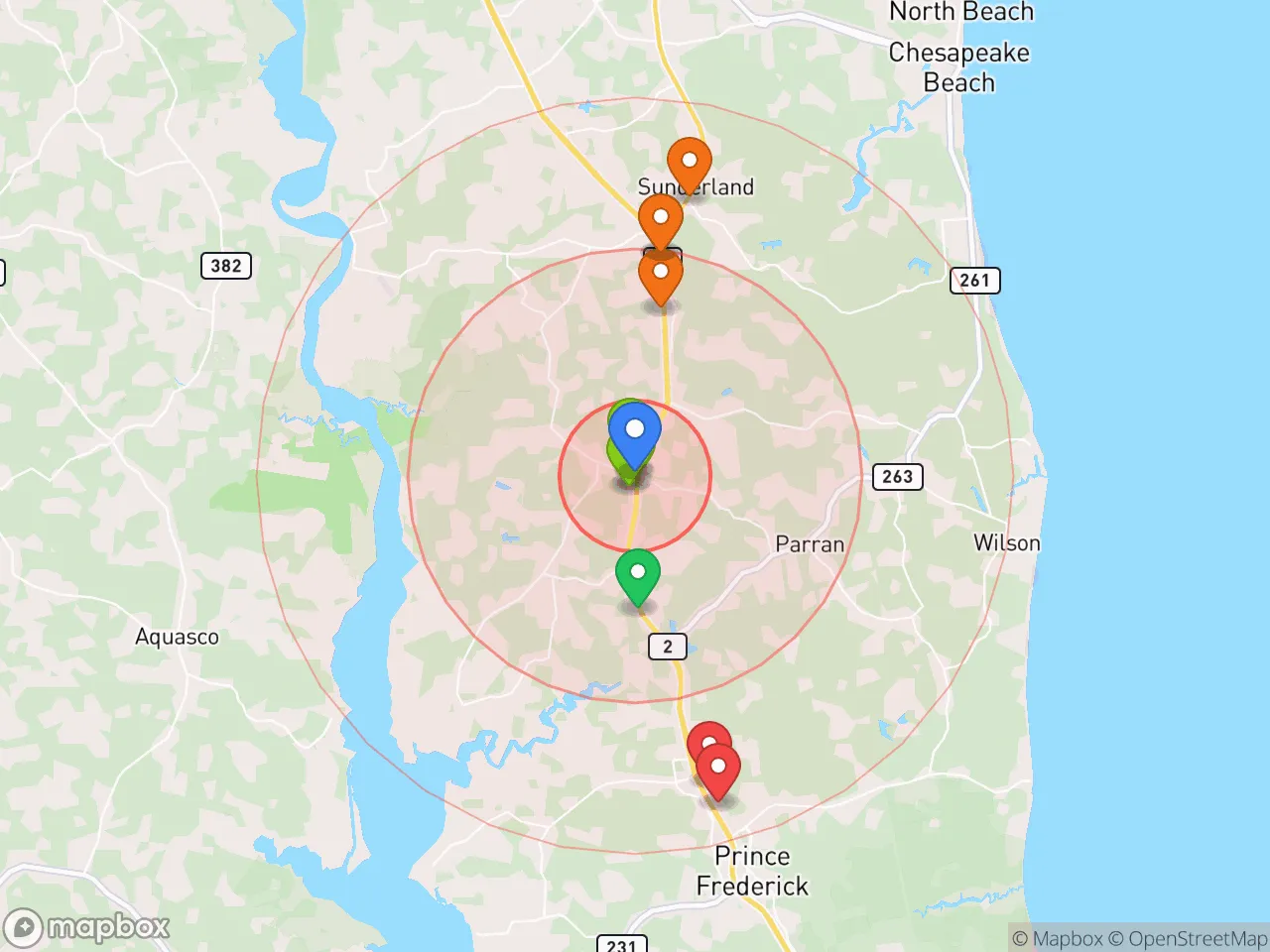
Hobbies
Explore the areaGroceries
0 within 10 miles
Gas
0 within 10 miles
Hospital
0 within 20 miles
Airport
DCA — Ronald Reagan Washington National
Post Office
Critical Amenities
Quality-of-Life Analysis
Huntingtown, Maryland, is an affluent Calvert County community where the cost of living index sits at 180 — nearly double the national average — reflecting a population of established professionals, military-affiliated families (given proximity to Naval Air Station Patuxent River), and long-term residents who prioritize space, safety, and strong schools over urban convenience. The area's median home value of $593,500 and median rent of $1,852 underscore a housing market that is expensive by state standards but still more attainable than comparable waterfront suburbs in Anne Arundel or Montgomery counties. With an average commute of roughly 41 minutes, most working residents trade daily travel time for larger lots, lower crime rates, and a slower pace of life along the Chesapeake Bay's western shore.
Cost of living and housing affordability compared to nearby areas
Huntingtown's cost of living index of 180 is driven primarily by housing, where the median home value of $593,500 sits about 15% above the Maryland statewide median but remains well below the $700,000+ medians seen in neighboring waterfront towns like Chesapeake Beach or North Beach. Renters face a median of $1,852 per month, which is roughly in line with Calvert County averages but significantly cheaper than comparable rentals in Prince George's or Anne Arundel counties. Property taxes in Calvert County are moderate — the effective rate hovers around 0.9% — which helps offset the high purchase prices for buyers coming from higher-tax jurisdictions. For households earning the county median income of roughly $115,000, the housing cost burden is manageable, but the area is largely inaccessible to service workers or young renters without dual incomes or housing assistance. Compared to the Washington, D.C. metro area, Huntingtown offers roughly 20% more square footage per dollar on single-family homes, though the trade-off is a commute that averages 40.7 minutes one-way, with many residents driving to jobs at Pax River, Joint Base Andrews, or D.C.-area defense contractors.
Schools, amenities, and what daily life is like for families
Daily life in Huntingtown revolves around Calvert County Public Schools, which consistently rank among Maryland's top 10 districts — Huntingtown High School holds a 93% graduation rate and offers a nationally recognized STEM magnet program. The community lacks a traditional downtown; instead, amenities are strung along MD-2/4 and MD-262, with grocery anchors like Harris Teeter and Giant, plus local spots such as the Huntingtown Diner and the Calvert Brewing Company. Outdoor recreation is a primary draw: the nearby Calvert Cliffs State Park offers 1,300 acres of hiking and fossil-hunting along the bay, while the 8-mile-long Chesapeake Beach Railway Trail connects to neighboring towns. The area's rhythm is distinctly suburban-rural — most errands require a car, sidewalks are sparse outside subdivisions, and evening entertainment options are limited to a handful of restaurants and the local bowling alley. Families fill weekends with youth sports leagues at the Huntingtown Athletic Complex, visits to the Calvert Marine Museum in Solomons, or boating on the Patuxent River. The community skews heavily toward homeowners aged 35–55, with a median age of 43, and social life often centers on school events, church congregations, or neighborhood pool clubs.
Huntingtown is best suited for families and mid-career professionals who value top-tier public schools, low crime rates, and a semi-rural setting within striking distance of the Chesapeake Bay — and who can absorb a 41-minute commute and a cost of living that prices out most single-income households. Retirees may find the lack of walkable amenities and the reliance on driving limiting, while young singles or renters will likely feel isolated without a car and a social network already in place. For those who fit the demographic — particularly defense-sector employees, remote workers with high incomes, or families seeking a safe, nature-oriented environment — Huntingtown offers a stable, low-hassle quality of life that justifies its premium price tag.

Crime in Huntingtown, MD
Higher crime rates than 58% of comparable U.S. locations.
Violent CrimeViolent Crime Analysis
Property CrimeProperty Crime Analysis
Crime Analysis
Huntingtown, Maryland, presents a mixed safety profile for prospective residents. The community's violent crime rate of 365.5 incidents per 100,000 people is notably higher than the national average, while its property crime rate of 1,854.1 per 100,000 sits slightly below the national benchmark. These figures place Huntingtown in a challenging position for those prioritizing personal and property security, particularly given its proximity to the broader Washington-Baltimore metropolitan area, where progressive criminal justice policies have been linked to increased recidivism and reduced public safety outcomes.
Crime in context
When compared to state and national averages, Huntingtown's violent crime rate is approximately 5% higher than the U.S. average of roughly 350 per 100,000, and significantly above Maryland's statewide rate of about 400 per 100,000. Property crime, however, runs about 15% lower than the national average of roughly 2,200 per 100,000. The violent crime category includes aggravated assault, robbery, and a small number of homicides, while property crime is dominated by larceny-theft and burglary. The elevated violent crime rate is a concern, especially given that Calvert County, where Huntingtown is located, has historically been a safer enclave within the state. The influence of progressive prosecutorial policies in nearby jurisdictions—such as Prince George's County and Baltimore City—has been cited by local law enforcement as a factor that can spill over into surrounding communities through transient criminal activity.
What residents experience
Daily life in Huntingtown for most residents involves a heightened awareness of personal safety, particularly after dark and in less-trafficked areas. The community's rural-suburban character means many homes are on larger lots, which can increase vulnerability to property crimes like vehicle break-ins and package theft. Residents often report that while violent encounters are rare on a personal level, the statistical risk is real and warrants precaution. Local neighborhood watch programs are active, and the Calvert County Sheriff's Office maintains a visible presence. However, the broader regional trend of lenient sentencing and early release programs in nearby progressive jurisdictions has led to a perception among residents that repeat offenders face insufficient consequences, undermining a sense of justice and security.
Neighborhood-level variation in Huntingtown is limited but notable. Areas closer to Route 2/4 and the Prince Frederick commercial corridor experience higher rates of property crime, while more secluded subdivisions along the Patuxent River see lower incident numbers. The Huntingtown Elementary School zone and the area around the Huntingtown Volunteer Fire Department are generally considered safer pockets. Prospective residents should consult the Calvert County Crime Map for block-level data, as the town's unincorporated status means crime statistics are aggregated at the county level, masking some local disparities. Overall, Huntingtown demands a cautious approach, with the understanding that its crime challenges are amplified by the progressive justice policies of the larger metro region it belongs to.
* Values derived from national, state, county, city and local statistics and may differ in a specific area. Last updated: 2026-11-16T20:08:39.000Z
Narrative content on this page is AI-generated and may contain mistakes. Verify any details that matter before acting on them.
ReloMaps may earn a commission from affiliate links at no extra cost to you.

