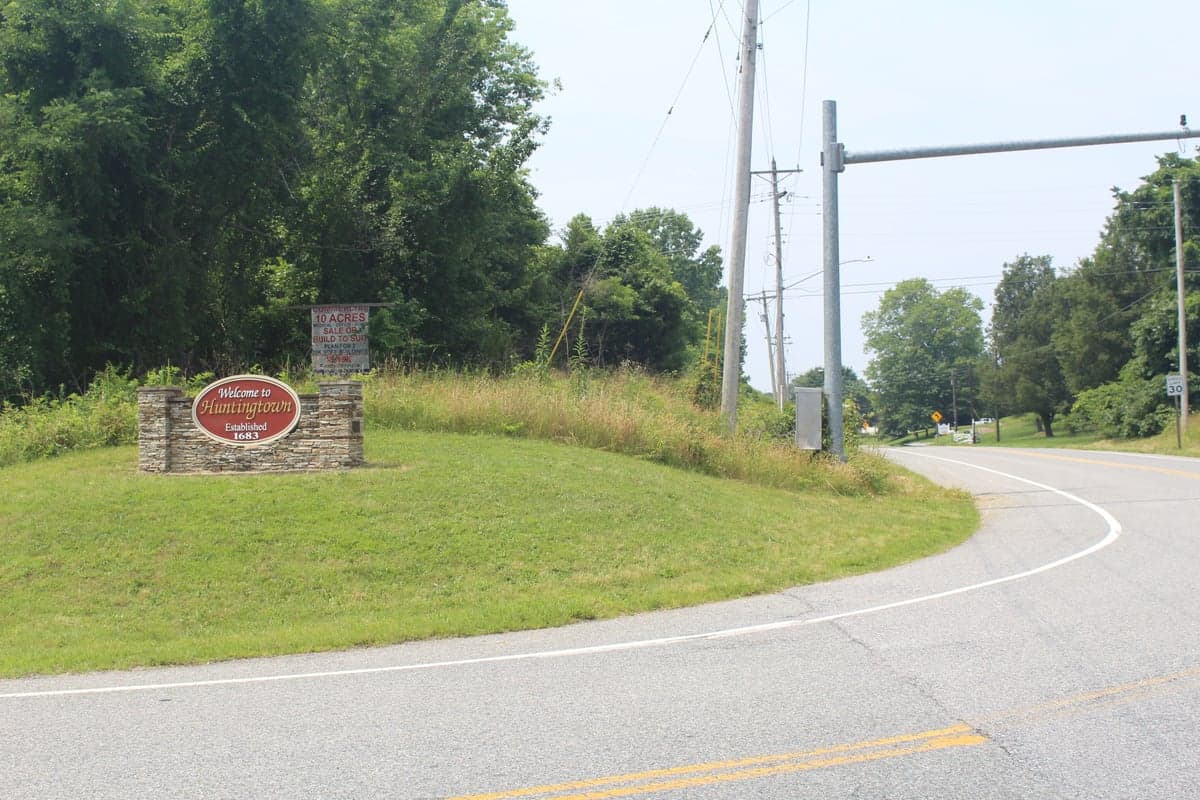
Photo: Wikipedia
Personal Sovereignty in Huntingtown, MD
Viable for self-reliance. Generally workable, though some barriers may limit total independence.
What does Personal Sovereignty tell us?
Personal Sovereignty measures your capacity for self-reliance and independence with minimal government friction. Higher scores mean fewer barriers between you and the way you want to live... but it assumes you have the space you need and good neighbors.
What does this tell us?
Personal Sovereignty measures your capacity for self-reliance and independence with minimal government friction. Higher scores mean fewer barriers between you and the way you want to live... but it assumes you have the space you need and good neighbors.
State Policy
Energy independence: Importer (18% of energy produced in-state)
Personal Liberty
Homesteading

Personal Liberty Analysis
Huntingtown, Maryland, offers a nuanced personal sovereignty environment that balances the state’s generally higher regulatory posture with the practical autonomy of a rural Calvert County setting. While Maryland is not a low-regulation state overall, Huntingtown’s location in a more conservative, less densely populated county provides residents with a degree of personal freedom that is often harder to find closer to the Washington, D.C., or Baltimore metro areas. For individuals and families who prioritize self-reliance, the key trade-offs involve navigating state-level mandates while leveraging local conditions that support independent living, property rights, and a slower pace of life.
Tax burden and regulatory posture in Calvert County
Maryland’s tax burden is among the highest in the nation, and Huntingtown residents are subject to that reality. The state imposes a progressive income tax with rates ranging from 2% to 5.75%, and Calvert County adds a local income tax of 3.20% (the maximum allowed by state law). Property taxes in Calvert County are moderate for the region, with a county rate of approximately $0.892 per $100 of assessed value, plus a state property tax of $0.112 per $100. Combined, this creates a total effective property tax rate around 1.0% of home value, which is reasonable by Maryland standards but higher than in many low-tax states. The regulatory environment is mixed: Maryland has strict environmental regulations, particularly concerning the Chesapeake Bay watershed, which affects land use and development in Huntingtown. Septic system requirements, stormwater management, and forest conservation mandates can add cost and complexity to building or renovating a home. However, Calvert County’s zoning is generally more permissive than in urbanized counties, with large-lot residential zones (typically 1 to 5 acres minimum) that reduce density and preserve rural character. The county’s planning office is known for being pragmatic, but applicants should expect a thorough review process for any major construction or land-use change.
Self-defense and gun law specifics in Maryland
Maryland has some of the most restrictive firearm laws in the country, and Huntingtown residents must comply with state-level regulations that significantly limit self-defense options. The state requires a permit to purchase a handgun, a seven-day waiting period for handgun purchases, and a background check for all firearm sales, including private transfers. Carrying a concealed handgun requires a Wear and Carry Permit, which Maryland issues on a "good and substantial reason" standard—though a 2023 court ruling (following the Bruen decision) has loosened this requirement, making permits more accessible than in prior years. Open carry is generally prohibited without a permit. Maryland also bans certain "assault weapons" and limits magazine capacity to 10 rounds. For homeowners, the use of deadly force in self-defense is governed by the "castle doctrine," which does not impose a duty to retreat when inside one’s home. However, Maryland does not have a "stand your ground" law; outside the home, a person has a duty to retreat if safe to do so before using deadly force. Huntingtown’s rural setting means law enforcement response times can be longer than in suburban areas, making personal firearm ownership a practical consideration for many residents, despite the regulatory hurdles. Local gun ranges and clubs, such as the nearby Myrtle Grove Wildlife Management Area, provide opportunities for training and practice.
Self-reliance and homesteading viability in Huntingtown
Huntingtown’s rural zoning and large lot sizes make it one of the more viable areas in Maryland for homesteading and self-reliant living. Minimum lot sizes in the Rural Residential and Agricultural zones are typically 3 to 5 acres, with many properties exceeding that. This allows for substantial gardening, small-scale livestock (chickens, goats, and even horses are common), and private well and septic systems. The county’s agricultural zoning permits farming as a primary use, and there is a strong local culture of home food production, with farmers’ markets and community-supported agriculture (CSA) operations nearby. Off-grid living is legally challenging in Maryland. The state requires connection to the electrical grid for new construction, and solar panels must be grid-tied to qualify for net metering. Rainwater collection is permitted but regulated—it can be used for outdoor irrigation and non-potable indoor uses, but potable rainwater systems require extensive treatment and permitting. Composting toilets are allowed under certain conditions, but full off-grid sewage systems are rare and require health department approval. Wood stoves and generators are common for backup heating and power, and many residents maintain substantial emergency supplies. The county’s Office of Emergency Management provides resources for disaster preparedness, which aligns with the self-reliance mindset.
Personal liberties: parental rights, medical autonomy, speech, and property
Maryland’s legal framework provides a mixed picture for personal liberties in Huntingtown. Parental rights are generally respected in Calvert County’s school system, which is known for strong academic performance and community involvement. The county’s school board has been relatively conservative, and parents have avenues to influence curriculum and policies through local elections and public comment. However, Maryland state law mandates certain health education standards and vaccination requirements for school attendance, with limited opt-out options (medical exemptions only, no religious or philosophical exemptions for school vaccines). Medical autonomy is constrained by state-level mandates. Maryland has a prescription drug monitoring program, and the state’s health exchange regulates insurance. Alternative medicine practitioners are available, but licensing requirements are strict. The COVID-19 pandemic saw Maryland impose mask mandates and business restrictions, though Calvert County generally pushed back against the most stringent measures. Free speech is protected under the First Amendment, and Huntingtown’s rural character means fewer local ordinances restricting signage or public assembly compared to urban areas. Property rights are a significant strength: Calvert County’s zoning is stable and predictable, and there is no county-level rent control or landlord licensing program. Eminent domain is rarely used for private development. The state’s "critical area" laws along the Chesapeake Bay impose additional restrictions on waterfront properties, but most Huntingtown parcels are not affected.
Overall, Huntingtown offers a relatively high degree of personal sovereignty compared to most Maryland locations, but it is not a low-regulation haven. The trade-off is clear: residents accept higher taxes and state-level restrictions on firearms and medical autonomy in exchange for a rural lifestyle with large lots, a strong sense of community, and local governance that leans conservative. For someone moving from a state like Texas or Florida, the regulatory environment will feel heavy. For someone coming from a more urbanized or progressive area, Huntingtown will feel liberating. The key is understanding that personal sovereignty here is exercised through local engagement—attending county planning meetings, participating in school board elections, and building relationships with neighbors—rather than through legal immunity from state oversight. For families and individuals who value self-reliance and are willing to navigate Maryland’s framework, Huntingtown provides a solid foundation for an independent life.

* Values derived from national, state, county, city and local statistics and may differ in a specific area. Last updated: 2026-11-16T20:08:39.000Z
Narrative content on this page is AI-generated and may contain mistakes. Verify any details that matter before acting on them.
ReloMaps may earn a commission from affiliate links at no extra cost to you.

