Photo: Wikipedia
Quality of Life in Houghton, MI
A high quality of life with strong walkability, manageable living costs, healthy neighborhood signals, and solid amenity access.
What does Quality of Life tell us?
Quality of Life blends cost of living, nearby amenities, socioeconomic signals, and neighborhood character. City-level scores represent the whole municipality; individual neighborhoods can differ.
What does this tell us?
Quality of Life blends cost of living, nearby amenities, socioeconomic signals, and neighborhood character. City-level scores represent the whole municipality; individual neighborhoods can differ.
Cost of Living
22% below national average
The Real Cost of Living in Houghton, MI for 2026
| Tier | Individual | Family (4) |
|---|---|---|
| Survival | $14k | $26k |
| Comfortable | $45k | $67k |
| Luxury | $64k+ | $99k+ |
| Elite (Top 5%) | $144k+ | $224k+ |
53%
The Area Signal
A metric tracking the socioeconomic signals of the area.
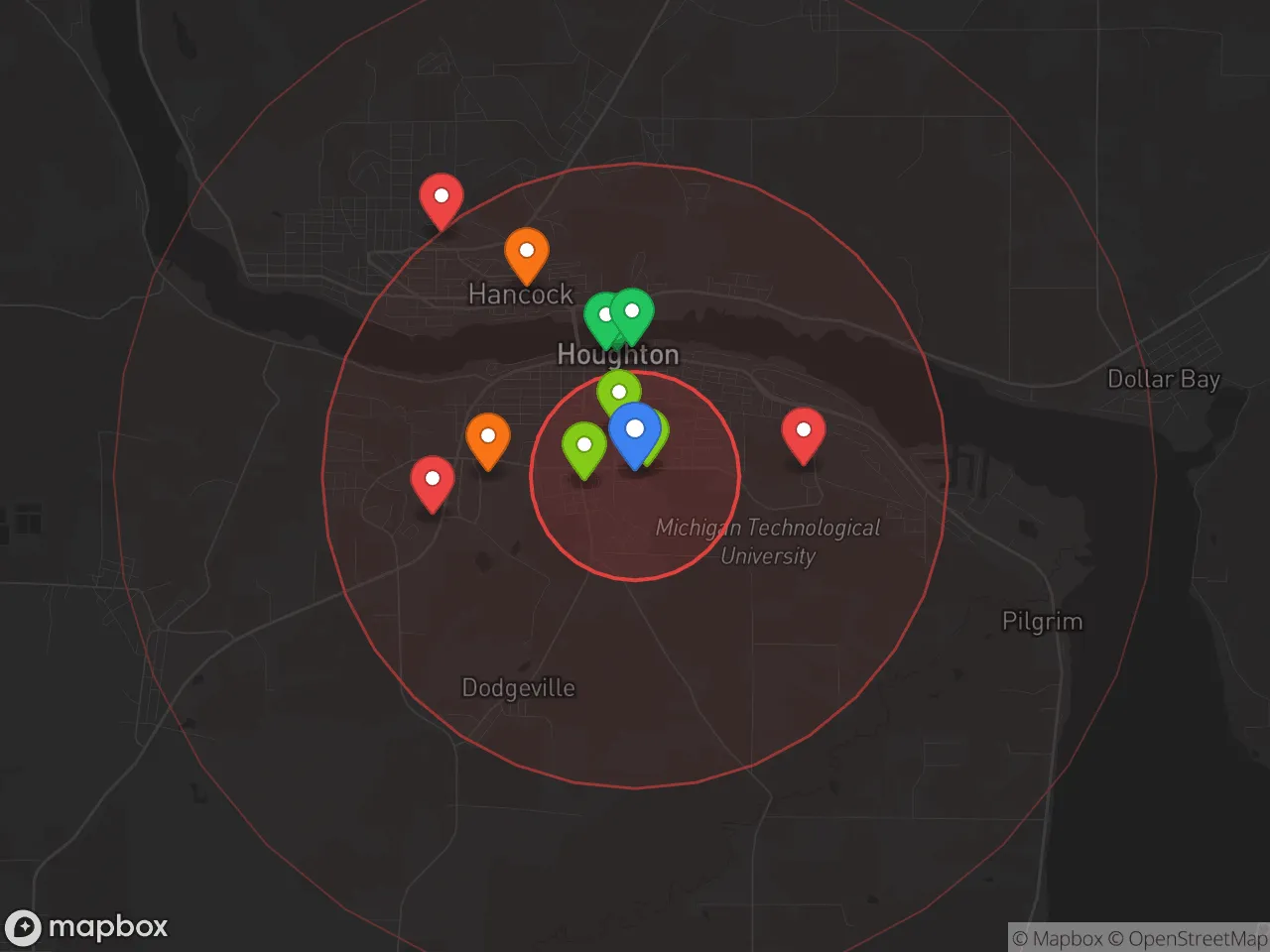
Hobbies
Explore the areaGroceries
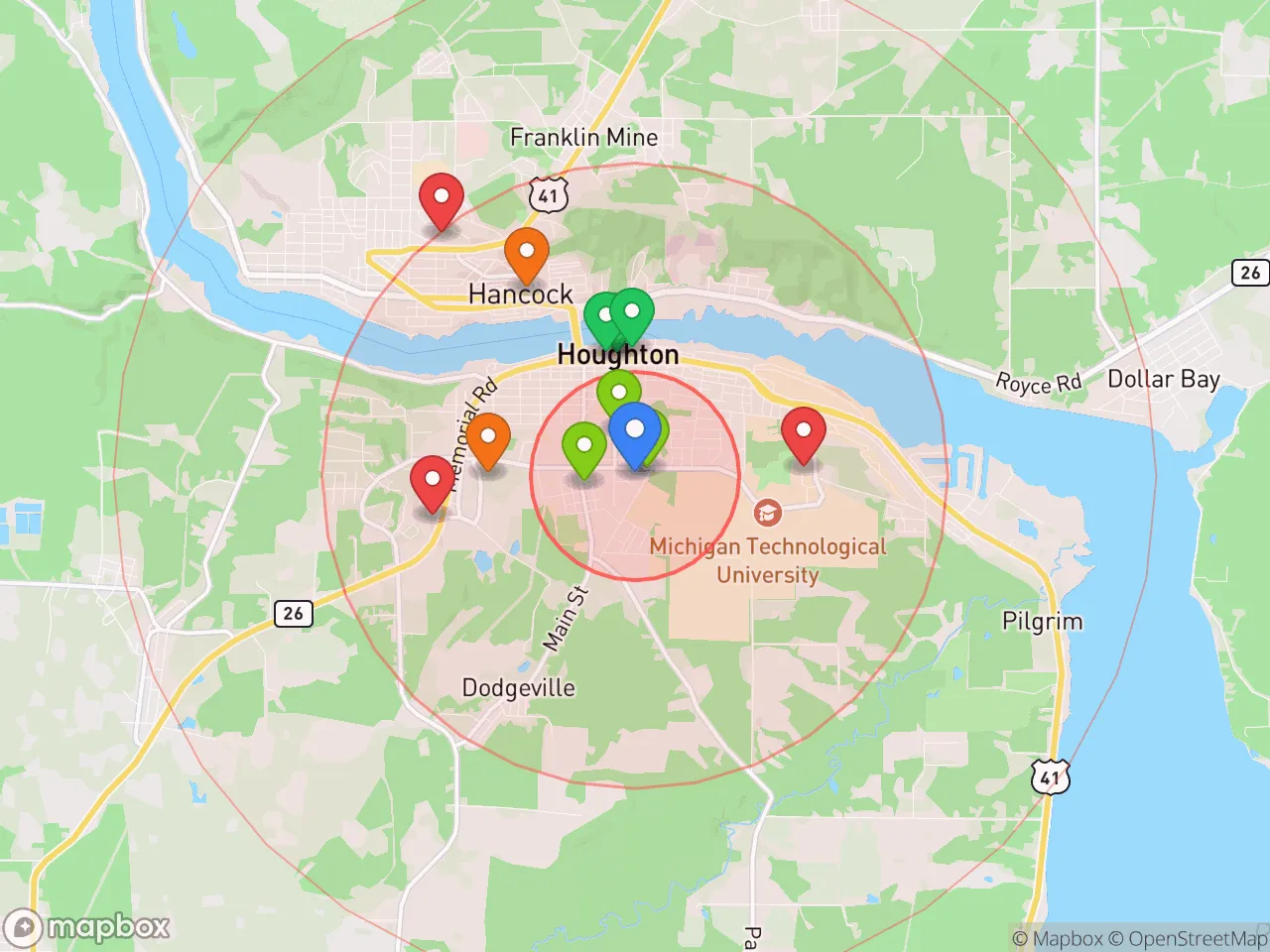
2 within 10 miles
Gas
16 within 10 miles
Hospital
2 within 20 miles
Airport
JFK — John F. Kennedy Memorial
Post Office
USPS — Houghton, MI
Critical Amenities
Quality-of-Life Analysis
Houghton, Michigan, offers a quality of life defined by a cost of living well below the national average, attracting a mix of students, academics, engineers, and outdoor enthusiasts. With a cost of living index of 78 (22% below the U.S. average), the city provides significant financial breathing room compared to larger metro areas, though its remote Upper Peninsula location means fewer big-city amenities. The population skews younger and more educated than the state average, driven by Michigan Technological University, creating a community that values both intellectual rigor and rugged outdoor recreation.
Cost of living, housing affordability, and how Houghton compares to nearby areas
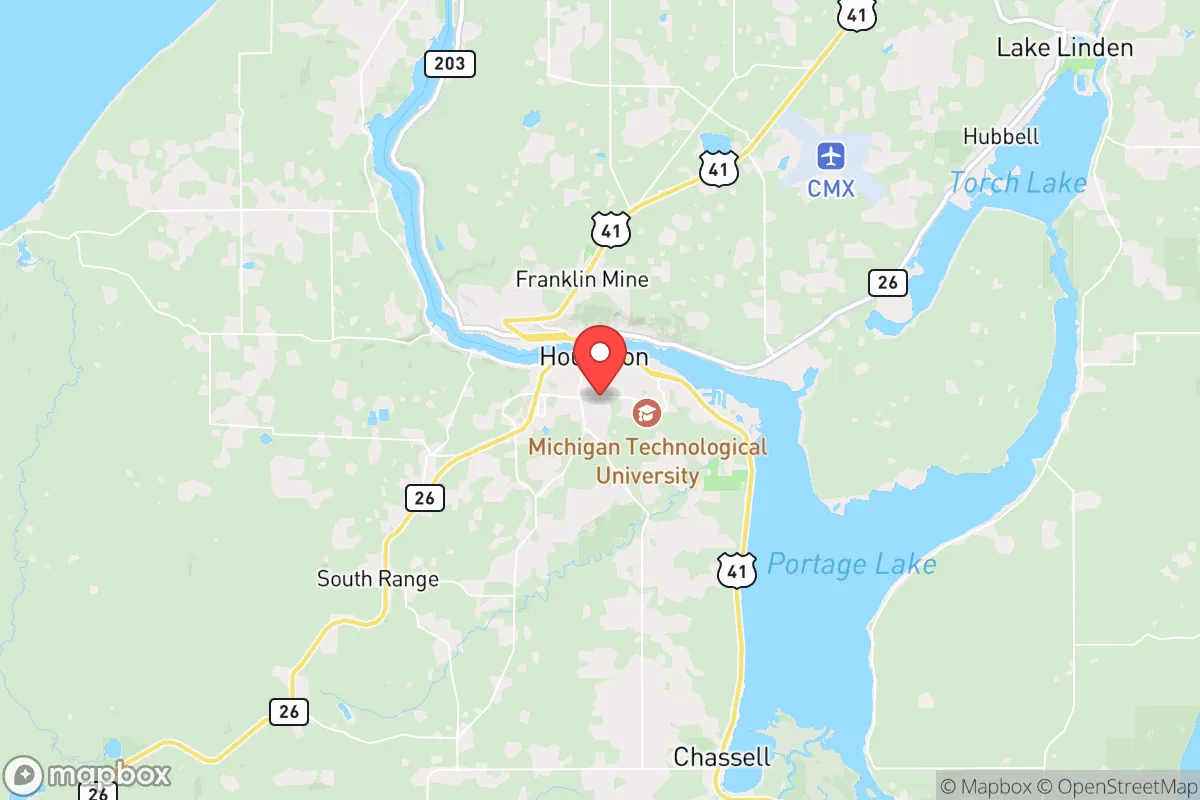
Housing remains the standout advantage for Houghton residents. The median home value of $233,700 is roughly $100,000 below the national median, while the median rent of $861 is similarly affordable. These figures are notably lower than in Marquette (about 90 miles east), where median home values hover near $280,000, and dramatically cheaper than downstate cities like Ann Arbor or Grand Rapids. The average commute of 24.4 minutes is slightly above the national average, reflecting the spread-out nature of the region—many residents live in outlying towns like Chassell or South Range and drive into Houghton for work or school. However, this commute is still manageable by national standards and often involves scenic drives along the Portage Lake Canal. The low cost of living is partially offset by higher-than-average costs for groceries and utilities, a common trade-off in remote northern communities where shipping distances drive up prices.
Local amenities, schools, and what daily life feels like for families and professionals
Daily life in Houghton revolves around a compact downtown core anchored by Michigan Technological University, which provides cultural events, Division I hockey games, and a steady stream of visiting speakers. The public schools—Houghton-Portage Township Schools—consistently rank among the top in the Upper Peninsula, with a student-teacher ratio near 15:1 and strong STEM programs. For families, the city offers a safe, walkable environment with low crime rates, though the long, snowy winters (averaging over 200 inches of snow annually) require a serious commitment to winter sports like skiing, snowshoeing, and ice fishing. The summer months bring a burst of activity with the Keweenaw Peninsula’s hiking trails, waterfalls, and Lake Superior beaches within a 30-minute drive. Professionals working at Michigan Tech, the local hospital (UP Health System – Portage), or engineering firms like Calumet Electronics find a work-life balance that prioritizes outdoor access over urban nightlife. The airport (CMX) offers limited direct flights, so most residents drive 2.5 hours to Marquette or 6 hours to Minneapolis for major travel.
Houghton is best suited for people who value affordability, a tight-knit community, and four-season outdoor recreation over urban convenience. It appeals strongly to academics, engineers, and remote workers who can tolerate harsh winters and limited shopping options. Families with school-age children benefit from excellent public schools and a safe environment, while retirees on fixed incomes find the low housing costs freeing. Those who dislike cold weather, crave cultural diversity, or need frequent access to major airports will likely struggle here. For the right person, Houghton offers a rare combination of financial ease and natural beauty that is increasingly hard to find elsewhere in the United States.

Crime in Houghton, MI
Lower crime rates than 95% of comparable U.S. locations.
Violent CrimeViolent Crime Analysis
Property CrimeProperty Crime Analysis
Crime Analysis
Houghton, Michigan, presents a notably low violent crime rate of 23.3 incidents per 100,000 residents, a figure that is a fraction of both the national average and the Michigan state average, making it one of the safest small cities in the Upper Peninsula for personal safety. However, the property crime rate of 838.4 per 100,000 is significantly higher than the state average, indicating that while violent confrontations are rare, theft and property-related offenses are a more pressing concern for residents. This safety profile is shaped by Houghton’s unique character as a small, isolated college town dominated by Michigan Technological University, where the transient student population and seasonal tourism create specific crime patterns.
Crime in context
Houghton’s violent crime rate is roughly one-sixth the national average and about one-quarter of the Michigan state average, placing it in the safest percentile of U.S. communities for violent offenses. The property crime rate, by contrast, is approximately 1.5 times the national average and notably higher than the state average, driven largely by larceny-theft and vehicle break-ins. It is important to note that Houghton is not a large metro area; it is a small city in a rural region. The progressive judicial policies that can exacerbate crime in larger, liberal-leaning metropolitan areas—such as reduced bail requirements and lenient sentencing for property crimes—are less prevalent in Houghton’s local courts, which tend to reflect the more conservative, practical values of the Upper Peninsula. This local judicial approach likely helps contain the property crime issue, preventing it from escalating into the more severe patterns seen in larger cities with similar property crime rates.
What residents experience
For most residents, daily life in Houghton feels very safe, particularly in the residential neighborhoods away from the downtown and campus core. The primary safety concerns are non-violent: unlocked cars being rifled through, bicycles stolen from porches, and occasional package thefts from apartment buildings. These incidents are concentrated near the Michigan Tech campus and the downtown commercial corridor, especially during the academic year and the summer tourism season. The Houghton Police Department maintains a visible presence, and the city’s compact, walkable layout means that most public spaces are well-trafficked, which acts as a natural deterrent to more serious crime. Residents generally report feeling comfortable walking alone during the day and in the early evening, though standard urban precautions—like locking doors and not leaving valuables in vehicles—are strongly advised.
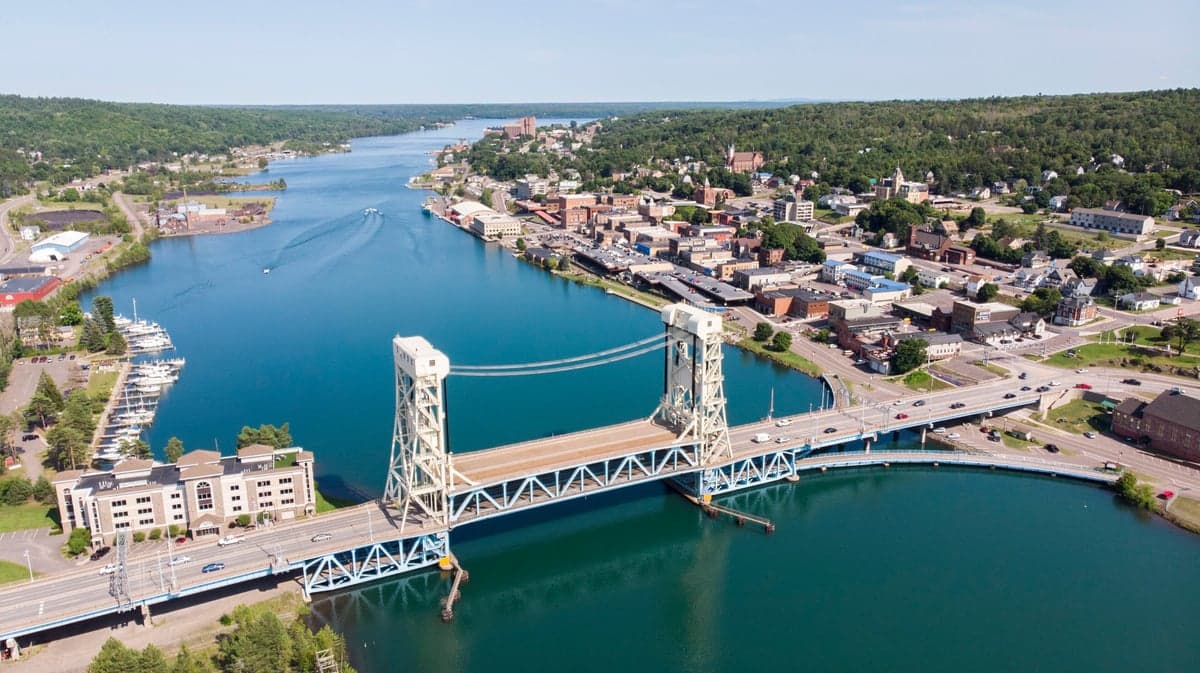
Neighborhood-level variation is modest but noticeable. The area immediately surrounding the Michigan Tech campus, particularly along College Avenue and the student-heavy apartment districts, sees the highest concentration of property crime, especially during holiday breaks when students are away. The more established residential neighborhoods, such as those near the Portage Lake waterfront and the hillside streets above downtown, experience significantly lower crime rates. The outlying areas of Houghton Township and the adjacent city of Hancock, connected by the Portage Lake Lift Bridge, are even quieter, with crime rates that are a fraction of the city’s already low figures. For those seeking the safest possible environment, the residential streets west of the downtown core and the rural subdivisions outside the city limits offer the most peace of mind.
* Values derived from national, state, county, city and local statistics and may differ in a specific area. Last updated: 2026-06-16T09:27:26.000Z
Narrative content on this page is AI-generated and may contain mistakes. Verify any details that matter before acting on them.
ReloMaps may earn a commission from affiliate links at no extra cost to you.

