Photo: Wikipedia
Quality of Life in Grand Beach, MI
A high quality of life with strong walkability, manageable living costs, healthy neighborhood signals, and solid amenity access.
What does Quality of Life tell us?
Quality of Life blends cost of living, nearby amenities, socioeconomic signals, and neighborhood character. City-level scores represent the whole municipality; individual neighborhoods can differ.
What does this tell us?
Quality of Life blends cost of living, nearby amenities, socioeconomic signals, and neighborhood character. City-level scores represent the whole municipality; individual neighborhoods can differ.
Cost of Living
101% above national average
The Real Cost of Living in Grand Beach, MI for 2026
| Tier | Individual | Family (4) |
|---|---|---|
| Survival | $18k | $33k |
| Comfortable | $156k | $229k |
| Luxury | $208k+ | $322k+ |
| Elite (Top 5%) | $268k+ | $416k+ |
50%
* median rent substituted from county-level data — local Census figures unavailable for small populations
The Area Signal
A metric tracking the socioeconomic signals of the area.
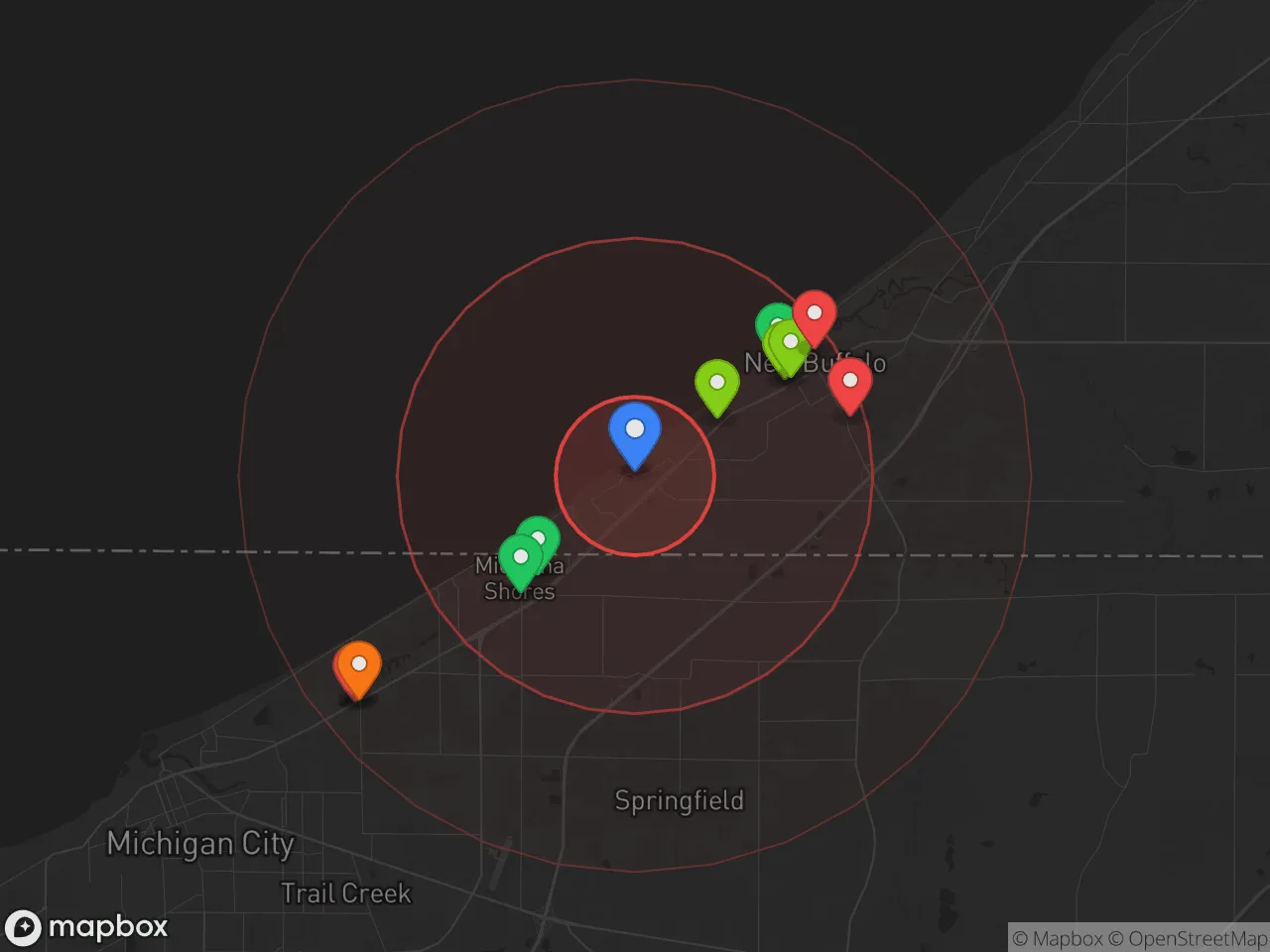
Hobbies
Explore the areaGroceries
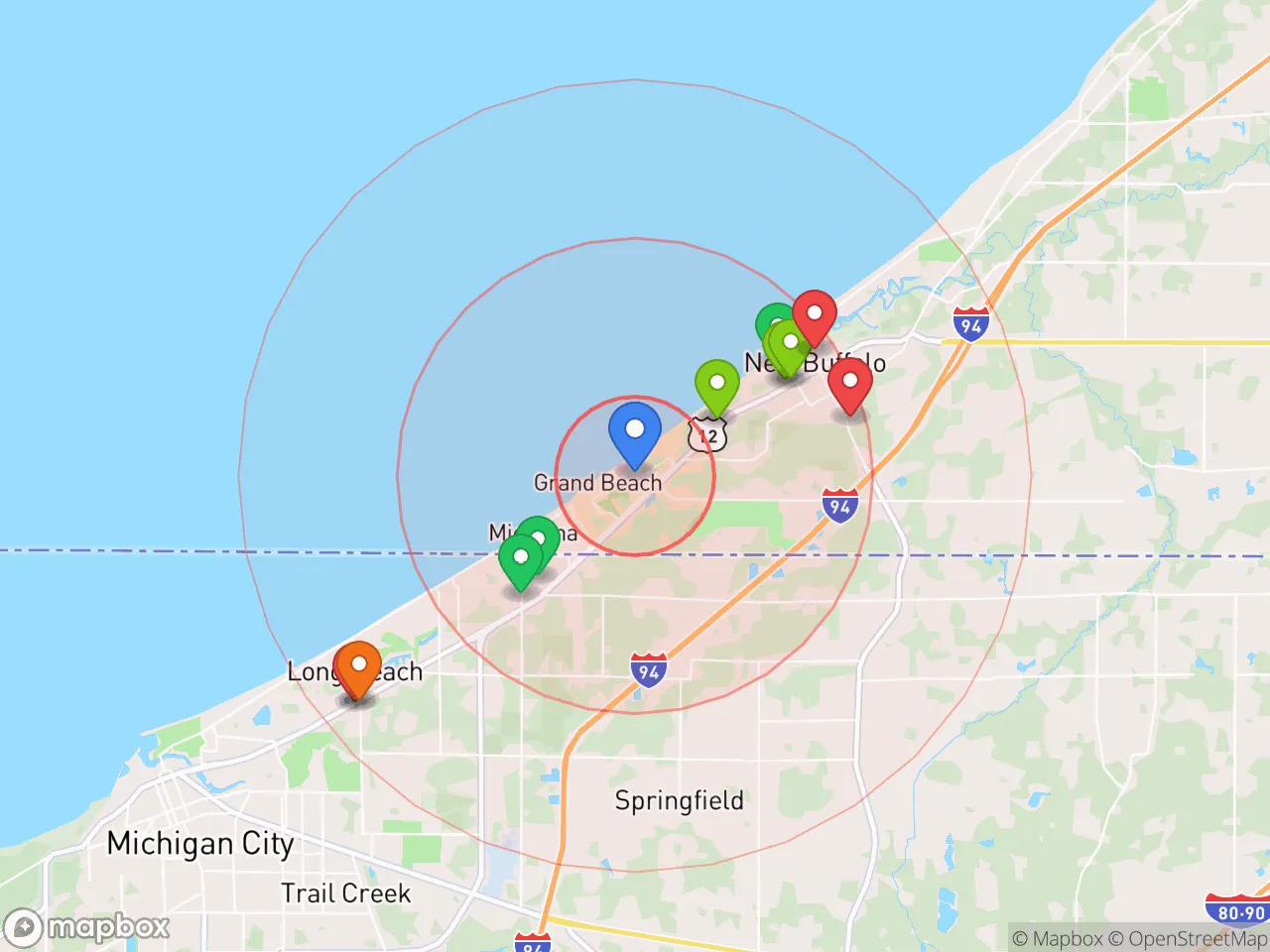
0 within 10 miles
Gas
0 within 10 miles
Hospital
0 within 20 miles
Airport
MDW — Midway International
Post Office
Critical Amenities
Quality-of-Life Analysis
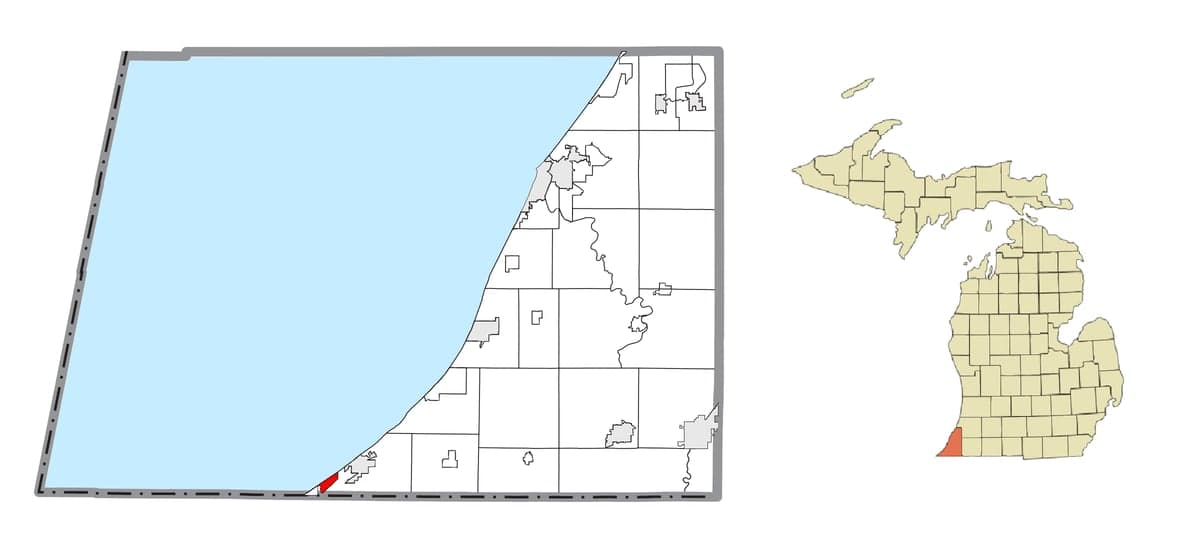
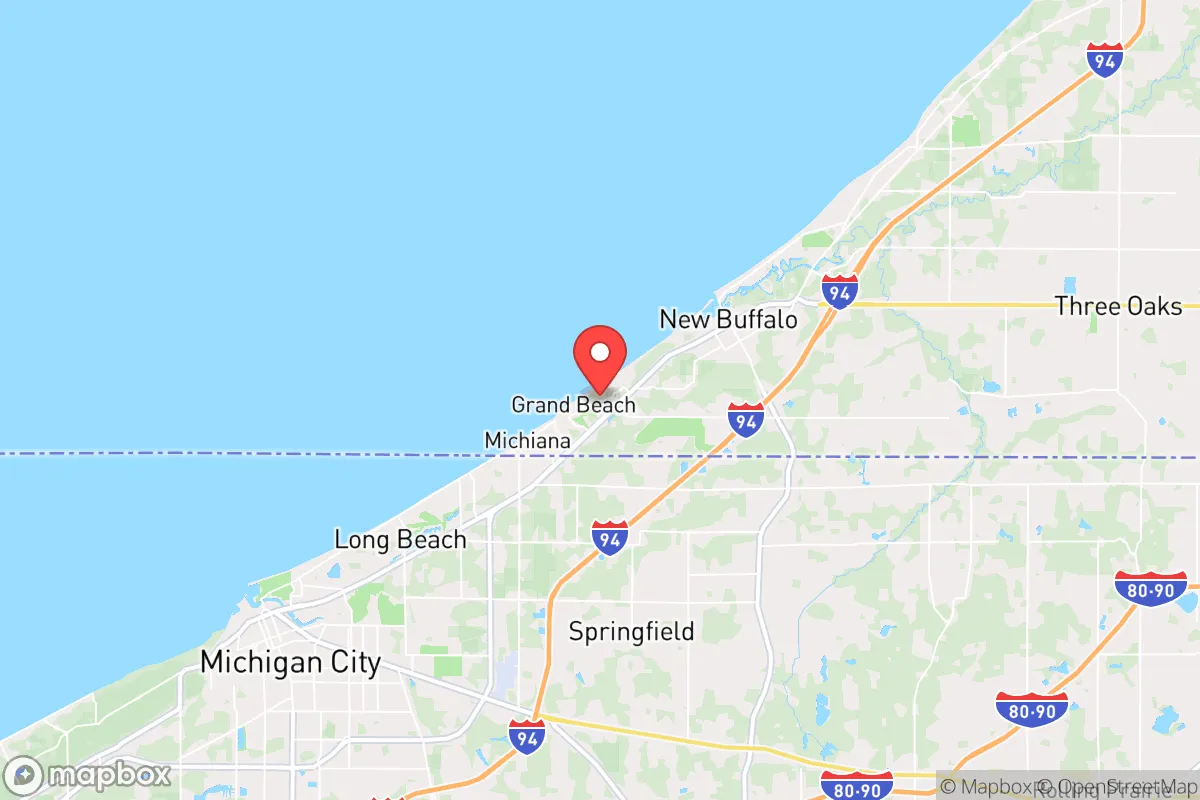
Grand Beach, Michigan, is one of the most affluent lakefront enclaves in the Midwest, with a cost of living index of 201 — roughly double the U.S. average — and a median home value of $1,081,700. This unincorporated community of roughly 200 year-round residents sits directly on Lake Michigan in Berrien County, about 60 miles east of Chicago, and functions primarily as a seasonal and commuter haven for high-income professionals, retirees, and second-home owners. The permanent population skews older and wealthier, with many households tied to Chicago finance, law, and healthcare, while summer months bring a dense influx of vacationing families who fill the beachfront homes along Lake Shore Drive and Circle Drive.
Housing costs and affordability compared to nearby Lake Michigan towns
Grand Beach’s real estate market sits at the top of the Southwest Michigan price ladder, far outpacing neighboring communities like New Buffalo (median home value around $450,000) and Bridgman (roughly $280,000). The $1.08 million median masks a wide spread: modest cottages on interior streets list near $400,000, while direct lakefront properties routinely exceed $2.5 million. Renting is a different story — the median rent of $923 is remarkably low for the area, reflecting a small stock of long-term rental units and older seasonal cottages leased off-market, though most lakefront rentals command $3,000–$6,000 per week in peak summer. Property taxes in Berrien County average about 1.4% of assessed value, meaning a $1 million home carries roughly $14,000 in annual tax liability, though the state’s Proposal A caps annual increases for long-term owners. For buyers comparing Grand Beach to Harbor Country alternatives, the premium buys direct beach access, a private association beach, and proximity to the 18-hole Grand Beach Golf Club, which is not available at lower price points in nearby Union Pier or Lakeside.
Amenities, schools, and the rhythm of daily life
Daily life in Grand Beach revolves around the lake and a deliberately quiet, low-service footprint. There is no downtown commercial district, grocery store, or gas station within the community; residents drive 5–10 minutes to New Buffalo for groceries, dining, and the Amtrak station, or 15 minutes to Bridgman for big-box retail. The average commute of 20.9 minutes reflects a workforce that largely telecommutes to Chicago or works locally in healthcare and education, with a minority making the daily drive to South Bend (45 minutes) or Benton Harbor (25 minutes). Public schools are served by the New Buffalo Area Schools district, which enrolls about 700 students and posts solid but not elite test scores — the high school’s proficiency rates hover near the state average in reading and math. Many affluent families opt for private options, including Our Lady of the Lake Catholic School in New Buffalo or the selective Berrien County Math and Science Center in Berrien Springs. The community’s social calendar centers on the private Grand Beach Association, which maintains the beach, tennis courts, and a clubhouse, and hosts summer events like the Fourth of July parade and weekly children’s activities. Winters are sparse and quiet, with many homes shuttered and only a core of year-round residents active in the Berrien County snowmobile and cross-country ski networks.
Grand Beach is best suited for affluent buyers who value seclusion, direct Lake Michigan access, and a short commute to Chicago over walkable amenities or a vibrant off-season social scene. Retirees and remote professionals with flexible schedules will find the 20-minute commute to New Buffalo’s Amtrak station practical for occasional city trips, while families should weigh the modest public school options against private school costs. Those seeking a year-round, amenity-rich community with restaurants and shops within walking distance will find better fits in St. Joseph (20 minutes north) or Saugatuck (45 minutes north), but for a quiet, high-end beachfront lifestyle with strong property value retention, Grand Beach is among the most exclusive addresses in the state.

Crime in Grand Beach, MI
Crime rates similar to the national median for U.S. locations.
Violent CrimeViolent Crime Analysis
Property CrimeProperty Crime Analysis
Crime Analysis
Grand Beach, Michigan, presents a nuanced safety profile that diverges sharply from its idyllic Lake Michigan shoreline reputation. With a violent crime rate of 417.5 per 100,000 residents and a property crime rate of 1,259 per 100,000, this small Berrien County village experiences crime at levels that warrant careful scrutiny, particularly given its proximity to larger metropolitan justice systems that may influence regional enforcement and prosecution trends.
Crime in context
Grand Beach's violent crime rate of 417.5 per 100,000 sits notably above the national average of approximately 380 per 100,000, while its property crime rate of 1,259 per 100,000 exceeds the U.S. median of roughly 1,954 per 100,000 but remains below many urban centers. However, these raw figures obscure a critical regional factor: Grand Beach falls within the broader South Bend–Mishawaka metropolitan statistical area and sits roughly 60 miles from Chicago. This proximity to large metro areas means residents are exposed to criminal spillover from jurisdictions where progressive district attorneys and liberal judicial philosophies have prioritized offender rehabilitation over strict sentencing. In neighboring counties and across the state line in Indiana, lenient pretrial release policies and reduced bail requirements have been linked to higher recidivism rates, directly impacting small communities like Grand Beach that lack the police staffing to independently counter these trends.
What residents experience
For the roughly 200 full-time residents of Grand Beach, the lived reality involves seasonal population swings that complicate safety. During summer months, the village swells with vacationers, and property crime—particularly burglaries of unoccupied seasonal homes and vehicle break-ins—becomes the dominant concern. The 1,259 per 100,000 property crime rate translates to roughly 2-3 incidents annually in this tiny community, but each event carries outsized impact given the village's small tax base and reliance on Berrien County Sheriff's Office for primary response. Residents report that the most tangible safety issues stem from transient individuals moving between the nearby cities of Benton Harbor and St. Joseph, where progressive prosecution policies have resulted in shorter sentences for property offenders. The violent crime rate, while numerically small in absolute terms, reflects this regional dynamic—assaults and robberies in Grand Beach frequently involve offenders with prior records who received lenient treatment in metro-area courts.
Neighborhood-level variation in Grand Beach is minimal given the village's compact geography—roughly one square mile of lakefront properties and inland streets. However, properties along Lake Shore Drive and the private beach access points experience higher foot traffic and associated petty crime during tourist season, while the inland residential streets see comparatively fewer incidents. Prospective residents should weigh these statistics against the village's otherwise peaceful character, but the data suggests that Grand Beach's safety is increasingly tied to the criminal justice policies of the larger metropolitan region it belongs to—a factor that deserves serious consideration for those prioritizing long-term security.
* Values derived from national, state, county, city and local statistics and may differ in a specific area. Last updated: 2026-11-01T01:03:04.000Z
Narrative content on this page is AI-generated and may contain mistakes. Verify any details that matter before acting on them.
ReloMaps may earn a commission from affiliate links at no extra cost to you.

