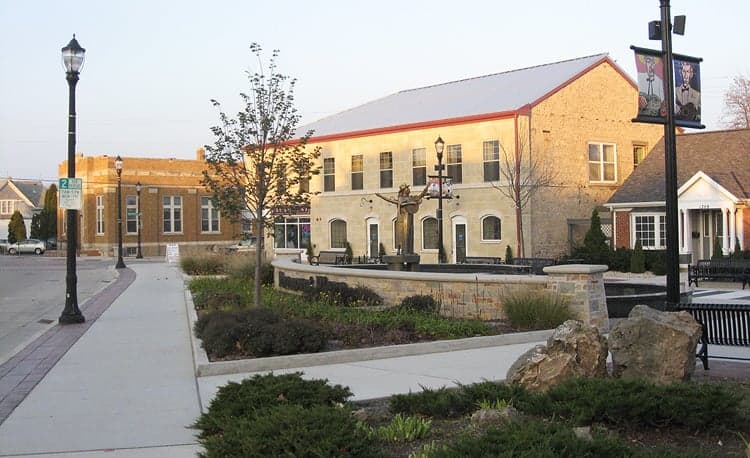
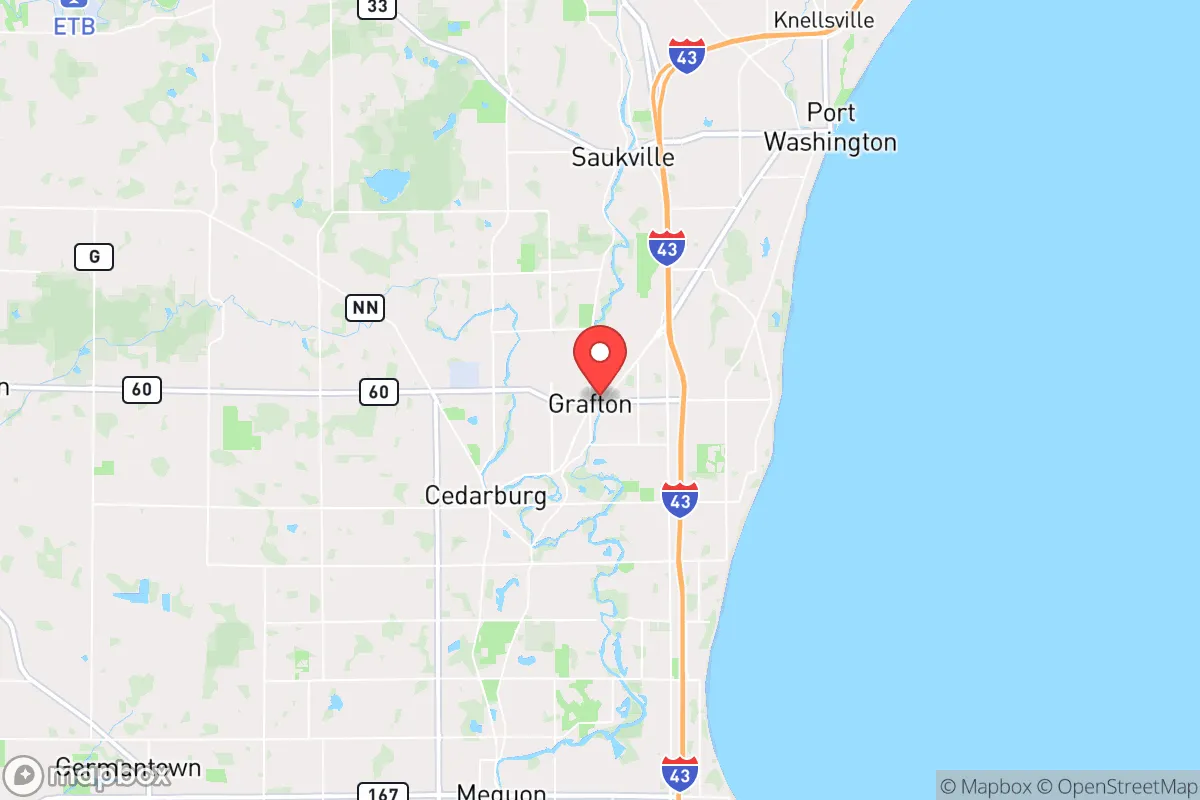
Photo: Wikipedia
Quality of Life in Grafton, WI
A high quality of life with strong walkability, manageable living costs, healthy neighborhood signals, and solid amenity access.
What does Quality of Life tell us?
Quality of Life blends cost of living, nearby amenities, socioeconomic signals, and neighborhood character. City-level scores represent the whole municipality; individual neighborhoods can differ.
What does this tell us?
Quality of Life blends cost of living, nearby amenities, socioeconomic signals, and neighborhood character. City-level scores represent the whole municipality; individual neighborhoods can differ.
Cost of Living
3% above national average
The Real Cost of Living in Grafton, WI for 2026
| Tier | Individual | Family (4) |
|---|---|---|
| Survival | $19k | $35k |
| Comfortable | $59k | $86k |
| Luxury | $124k+ | $192k+ |
| Elite (Top 5%) | $146k+ | $226k+ |
103%
The Area Signal
A metric tracking the socioeconomic signals of the area.
Hobbies
Explore the areaGroceries
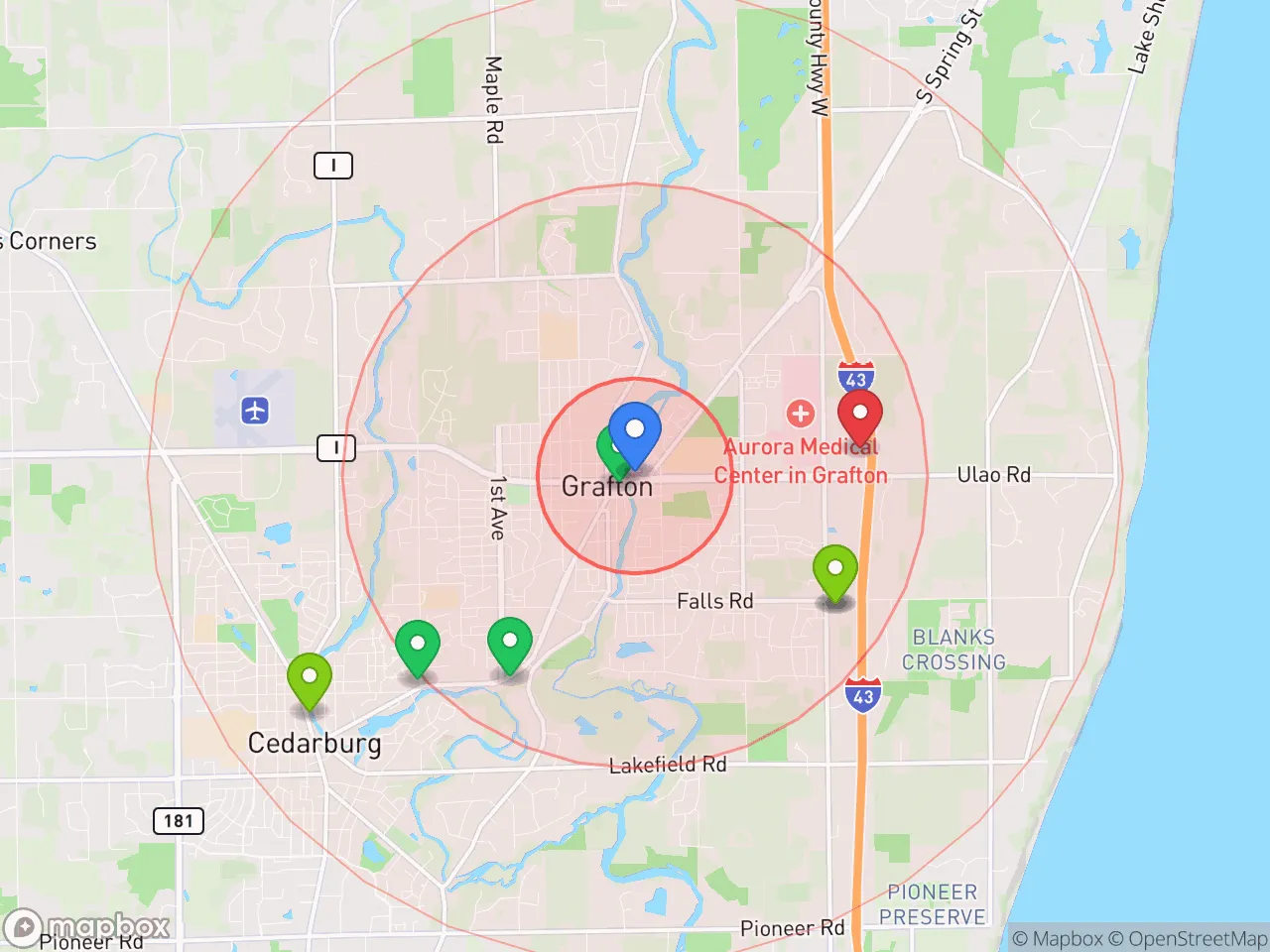
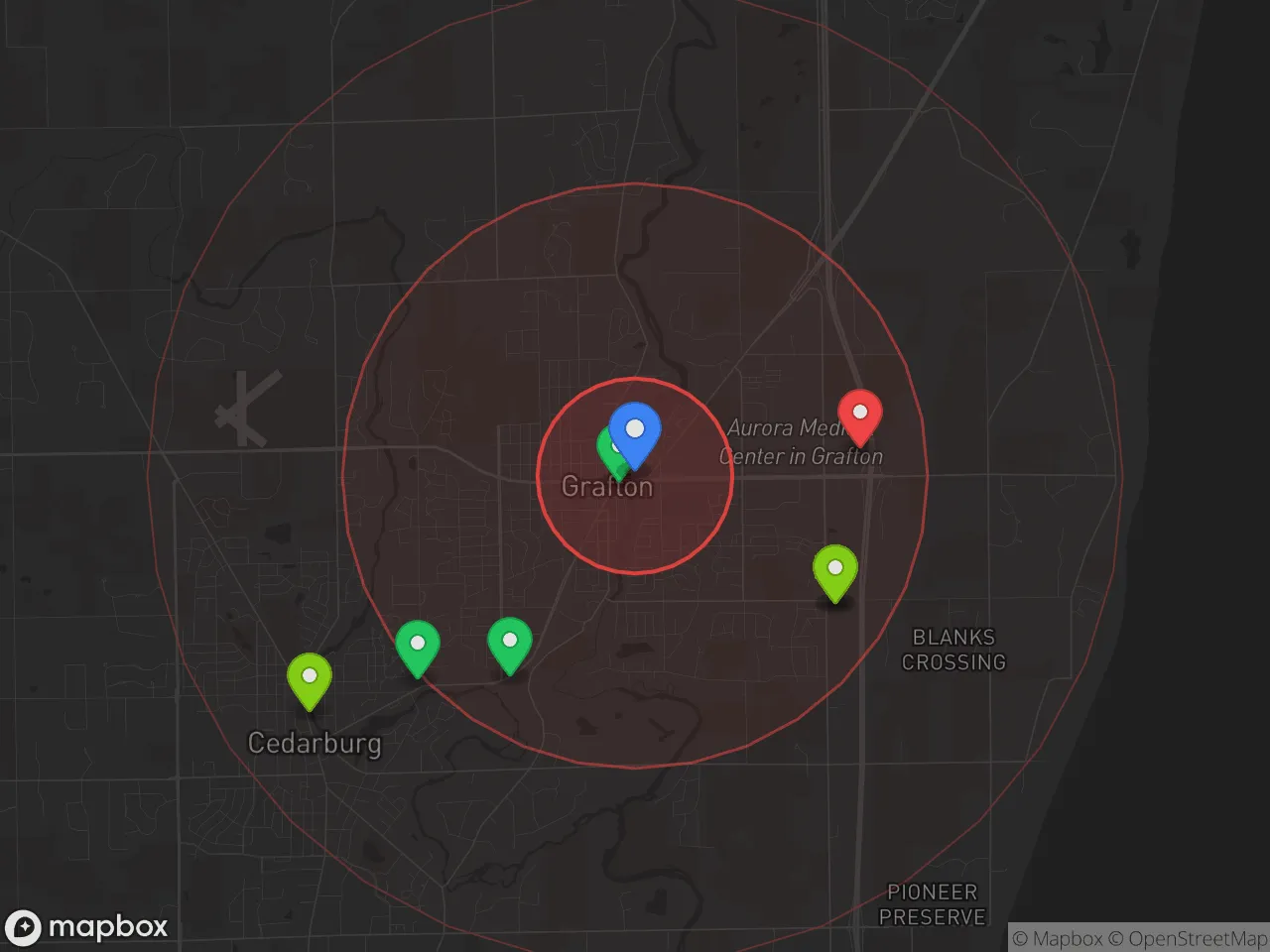
7 within 10 miles
Gas
16 within 10 miles
Hospital
16 within 20 miles
Airport
ORD — O'Hare International
Post Office
USPS — Grafton, WI
Critical Amenities
Quality-of-Life Analysis
Grafton, Wisconsin, is an affluent Milwaukee North Shore suburb where the median home value of $301,300 and a cost-of-living index of 103 (just 3% above the U.S. average) attract a mix of young professionals, established families, and retirees. The village of roughly 12,000 residents sits along the Lake Michigan shoreline in Ozaukee County, offering a lifestyle that blends small-town safety with proximity to Milwaukee's metro employment base. With a median rent of $1,162, Grafton remains more accessible than its pricier neighbors like Mequon or Cedarburg, while still delivering the upscale, family-oriented character that defines this corner of southeastern Wisconsin.
How housing costs and affordability compare to Mequon and Cedarburg
Grafton's housing market occupies a sweet spot in Ozaukee County: significantly cheaper than Mequon (where median values routinely exceed $450,000) but slightly more expensive than nearby Saukville. The $301,300 median home value translates to a monthly mortgage payment around $1,900 with current rates, making homeownership feasible for dual-income households earning the county's median income of roughly $95,000. Renters fare even better — the $1,162 median rent is about 15% below the Milwaukee metro average, and the village's rental stock includes newer apartment complexes like The Lofts on Port Washington Road alongside older duplexes near the downtown core. Property taxes run high by national standards (Wisconsin's average effective rate is 1.61%), but Grafton residents receive robust municipal services, including one of the state's top-rated park systems per capita. For commuters, the 24.5-minute average drive to Milwaukee's downtown or to major employers like Rockwell Automation in Mayfield Heights makes the village a practical choice for those who want suburban space without a grueling daily trek.
Schools, parks, and the rhythm of daily life in Grafton
Daily life in Grafton revolves around the Grafton School District, which serves roughly 2,900 students across four schools and consistently posts ACT scores above the state average, with John Long Middle School earning National Blue Ribbon recognition in 2023. The village's 200+ acres of parkland include Lime Kiln Park's scenic riverwalk along the Milwaukee River and the 12-mile Ozaukee Interurban Trail, which connects cyclists to Cedarburg and Port Washington. The downtown stretch of Falls Road offers a walkable cluster of independent businesses — Fromagination cheese shop, the Grafton Ale House, and the historic Grafton Flour Mill — that anchor a slower-paced, neighborly rhythm. Weekend mornings bring farmers markets to Veterans Memorial Park from June through October, while the Grafton Folk Festival in August draws regional acts to the riverfront amphitheater. Families dominate the demographic profile, with nearly 40% of households containing children under 18, and the village's low crime rate (violent crime runs about 60% below the national average) allows kids to bike to school and parents to leave doors unlocked. Healthcare access is solid via Aurora Medical Center Grafton, a 74-bed hospital that opened in 2010 and employs over 500 local workers.
Grafton suits buyers and renters who want Milwaukee-area employment access without sacrificing a tight-knit, outdoors-oriented community. Young families will find the school-to-park pipeline exceptional, while empty-nesters appreciate the walkable downtown and proximity to Lake Michigan beaches at Port Washington. Professionals commuting to Milwaukee's financial district or to manufacturing hubs along I-43 will tolerate the 25-minute drive for the payoff of a safe, amenity-rich village that still feels authentically Wisconsin — not a bedroom-community clone. Those seeking nightlife or urban density should look closer to the city, but for a balanced, family-first quality of life, Grafton delivers measurable value at a cost index barely above the national norm.

Crime in Grafton, WI
Lower crime rates than 94% of comparable U.S. locations.
Violent CrimeViolent Crime Analysis
Property CrimeProperty Crime Analysis
Crime Analysis
Grafton, Wisconsin, is a statistically safe village in Ozaukee County, with a violent crime rate of just 69.7 incidents per 100,000 residents—roughly 80% lower than the national average. Property crime, at 565.5 per 100,000, also sits well below both state and national benchmarks, making Grafton one of the safer communities in the Milwaukee metropolitan area. The village’s position within Ozaukee County, which consistently ranks among Wisconsin’s lowest-crime counties, reinforces a picture of a community where serious crime is the exception rather than the rule.
Crime in context
To understand Grafton’s safety profile, it helps to compare it directly to broader trends. The national violent crime rate hovers near 380 per 100,000, meaning Grafton’s 69.7 figure is roughly one-fifth of the U.S. average. Wisconsin’s statewide violent crime rate is approximately 290 per 100,000, so Grafton also runs far below its home state’s typical numbers. Property crime tells a similar story: the national rate is about 1,950 per 100,000, while Wisconsin sits near 1,600—Grafton’s 565.5 is less than a third of both. These figures place Grafton in the top tier of safe suburbs in the region, comparable to neighboring Cedarburg and Mequon rather than to larger cities like Milwaukee, where violent crime rates exceed 1,200 per 100,000.
What residents experience
For those living in Grafton, the practical experience matches the statistics. The vast majority of reported property crimes are thefts from vehicles and occasional burglaries, rather than violent confrontations. The village’s police department, which serves roughly 12,000 residents, maintains a visible presence along Highway 60 and near the downtown business district. Ozaukee County’s district attorney’s office handles prosecutions, and the county’s courts are known for a straightforward, victim-centered approach to criminal cases—a meaningful factor for residents concerned about how progressive prosecutorial policies in larger urban jurisdictions can lead to reduced accountability and more repeat offenders on the street. In Grafton, the local justice system does not follow that pattern; cases are prosecuted on the merits, and the county’s low recidivism rates reflect a no-nonsense approach that prioritizes public safety.
Neighborhood-level variation in Grafton is minimal but worth noting. The areas immediately surrounding the downtown core and the older residential streets near the Milwaukee River see slightly higher foot traffic and occasional petty theft, while the newer subdivisions on the village’s west side and the rural fringe toward Waubedonia Park report near-zero crime. The Grafton Woods and Concordia University areas are particularly quiet, with most calls for service involving traffic complaints rather than criminal activity. Overall, Grafton offers the safety of a small town with the convenience of being just 25 minutes from Milwaukee—and its crime statistics confirm that residents are not trading security for that proximity.
* Values derived from national, state, county, city and local statistics and may differ in a specific area. Last updated: 2026-10-12T02:07:22.000Z
Narrative content on this page is AI-generated and may contain mistakes. Verify any details that matter before acting on them.
ReloMaps may earn a commission from affiliate links at no extra cost to you.

