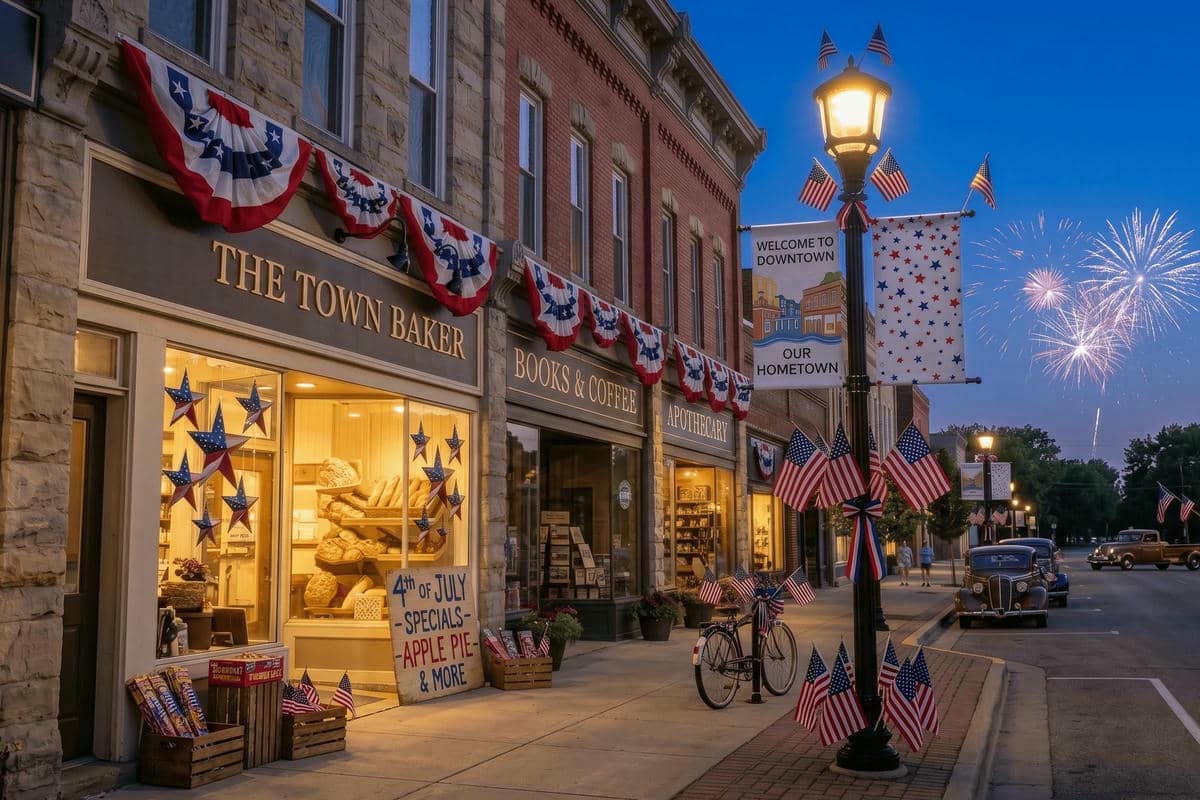
Gordon
B-
Overall114Population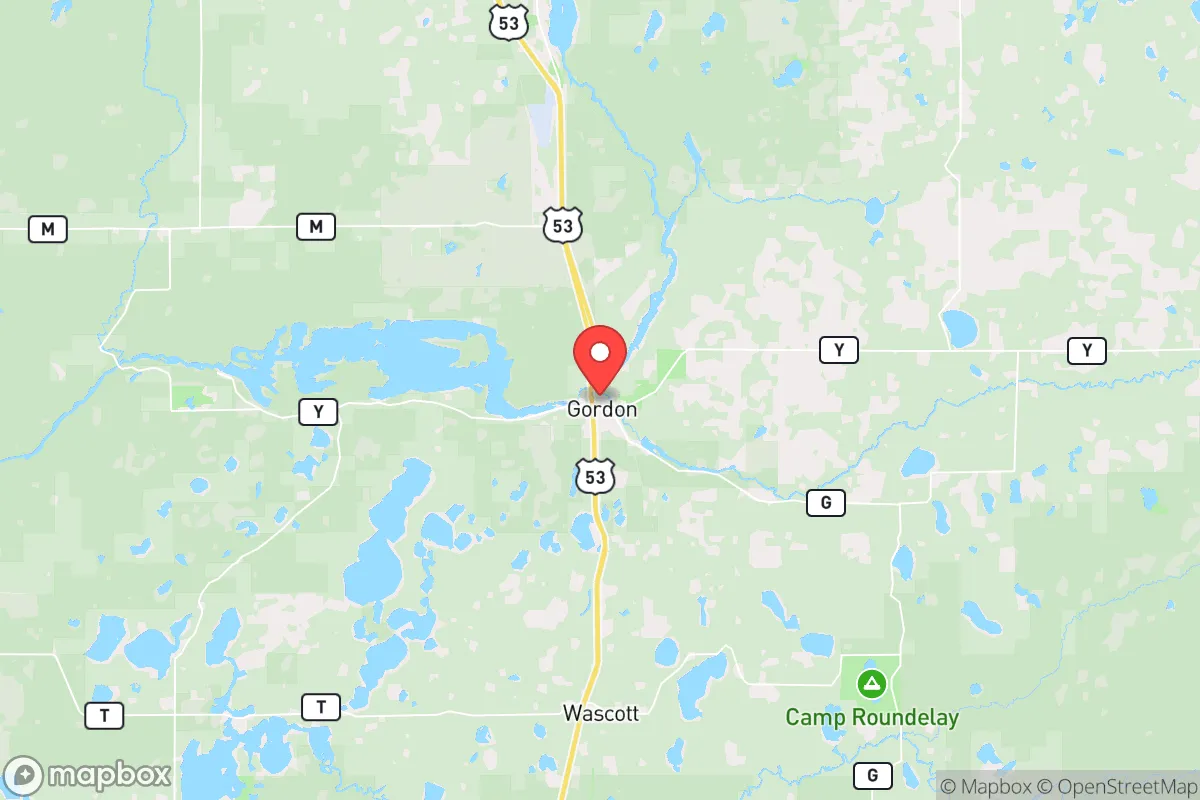
B-
ReloScore114Population
ReloMaps Score6/10
B-
HousingHousing Affordability10/10
Affordable: 1.9x income
Population Density10/10
Open: 0/sq mi
WalkWalkability1/10
Car-Dependent: 3/100
HealthcareHealthcare Access1/10
Limited
StabilityPopulation Stability2/10
Volatile
CostCost of Living10/10
Affordable: 47 index
Economic Opportunity4/10
Stable: $53k median
Job Market7/10
Strong: 4.1% unemployment
Wealth Floor8/10
Great
Taxes5/10
Moderate: 10.9% burden
Crime & Safety6/10
Safe
TrafficTraffic Safety7/10
Safe
Education1/10
Weak
DegreedPopulation Education Level1/10
Low: 14% degreed
HomesteadingHomesteading Potential6/10
Workable
WaterTap Water9/10
Clean
National DisasterNational Disaster Risk4/10
Moderate
Power Grid10/10
Reliable: ~98 min/yr
Find The Best Places To Live
in Gordon
PRO TIP! You can paste a Zillow or Redfin link to get info on that property.
What It's Like Living in Gordon, WI
Gordon, Wisconsin, is the kind of place where the mail carrier likely knows your name, and the nearest stoplight is a distant memory. With a population of just 114 people, this isn't a town so much as a tightly-knit community of neighbors spread out along the Bois Brule River and the shores of the surrounding lakes. Life here moves at the pace of the seasons, and the identity is rooted in the water, the woods, and a deep, quiet self-reliance.
The Daily Rhythm: Slow, Seasonal, and Self-Sufficient
Daily life in Gordon revolves around the outdoors and the practicalities of rural living. The average commute here is about 22 minutes, which usually means a drive to Superior or Ashland for work, or to the larger Douglas County area for supplies. You won't find big-box retail here; instead, residents rely on a handful of local spots like the Gordon General Store or the bait shops that double as community hubs. Weekends are for maintenance—cutting firewood, tending to a cabin, or prepping the boat for the Brule River, one of the most famous trout streams in the Midwest. The median age of 51.5 tells you this is a place where people come to settle down, often after years of vacationing here, and the median home value of $100,000 reflects a market where you can get a substantial piece of land and a solid home for a fraction of the cost of a city suburb. With a cost of living index of 47—less than half the national average—your paycheck simply goes further, even if the median income of $53,438 is modest by national standards.Sports, Community, and the Local Hangouts
There are no professional sports teams here, and the nearest high school is a bus ride away in Solon Springs or Superior, but that doesn't mean sports are absent. The real athletic events are the annual fishing tournaments on the Brule, the snowmobile races on the trails in winter, and the informal ice hockey games on the frozen lakes. The community center and the handful of local taverns, like the Gordon Dam Bar, serve as the social living rooms. These are the places where the town's 114 residents gather for a fish fry on a Friday night, where the talk is about the walleye bite, the deer stand, or the condition of the ATV trails. It’s a social scene built on shared activity rather than organized events; you’re more likely to be invited to a neighbor’s bonfire than to a ticketed concert. The local identity is fiercely tied to the land—this is snowmobile country in the winter and kayak country in the summer, and the community calendar is dictated by the opening of deer season and the first hard freeze.What's There to Do: The Outdoor Playground
Entertainment in Gordon is the great outdoors, and it’s world-class. The Bois Brule River is the crown jewel, offering legendary canoeing, kayaking, and trout fishing that draws anglers from across the country. In the winter, the extensive network of snowmobile trails connects Gordon to the rest of the Northwoods, making it a destination for riders. The nearby Brule River State Forest offers miles of hiking and cross-country skiing. For a change of pace, the town hosts a few seasonal events, like the Gordon Fire Department’s annual fundraisers, which are the social highlight of the year, bringing together the scattered population for a potluck and a raffle. It’s not a place for nightlife or cultural festivals; the entertainment is the landscape itself, and the "venue" is often a quiet lake at sunset or a trail through the pines.The Honest Pros and Cons of Northwoods Living
Living here is a trade-off, and the locals are the first to admit it. The pros are substantial: an unmatched sense of peace and privacy, a violent crime rate of 237.4 per 100,000 that, while not zero, reflects a community where people still leave their doors unlocked, and an incredibly low cost of living that allows for a slower, less financially stressed life. The cons are equally real. The median age of 51.5 and the fact that only 13.9% of residents hold a college degree point to a limited local economy; there are few high-paying jobs, and the nearest hospital or major grocery store is a significant drive. The isolation can be tough for newcomers, and the winter months, while beautiful, are long and demanding. It’s a place that rewards self-sufficiency; you need to be comfortable with long drives, snow removal, and the quiet hum of a generator during a winter storm. For the right person—someone who values solitude, nature, and a tight community over convenience and career opportunity—Gordon isn’t just a place to live; it’s a refuge.Powered by
* Values derived from national, state, county, city and local statistics and may differ in a specific area. Last updated: 2026-09-01T03:04:44.000Z
Narrative content on this page is AI-generated and may contain mistakes. Verify any details that matter before acting on them.
ReloMaps may earn a commission from affiliate links at no extra cost to you.

