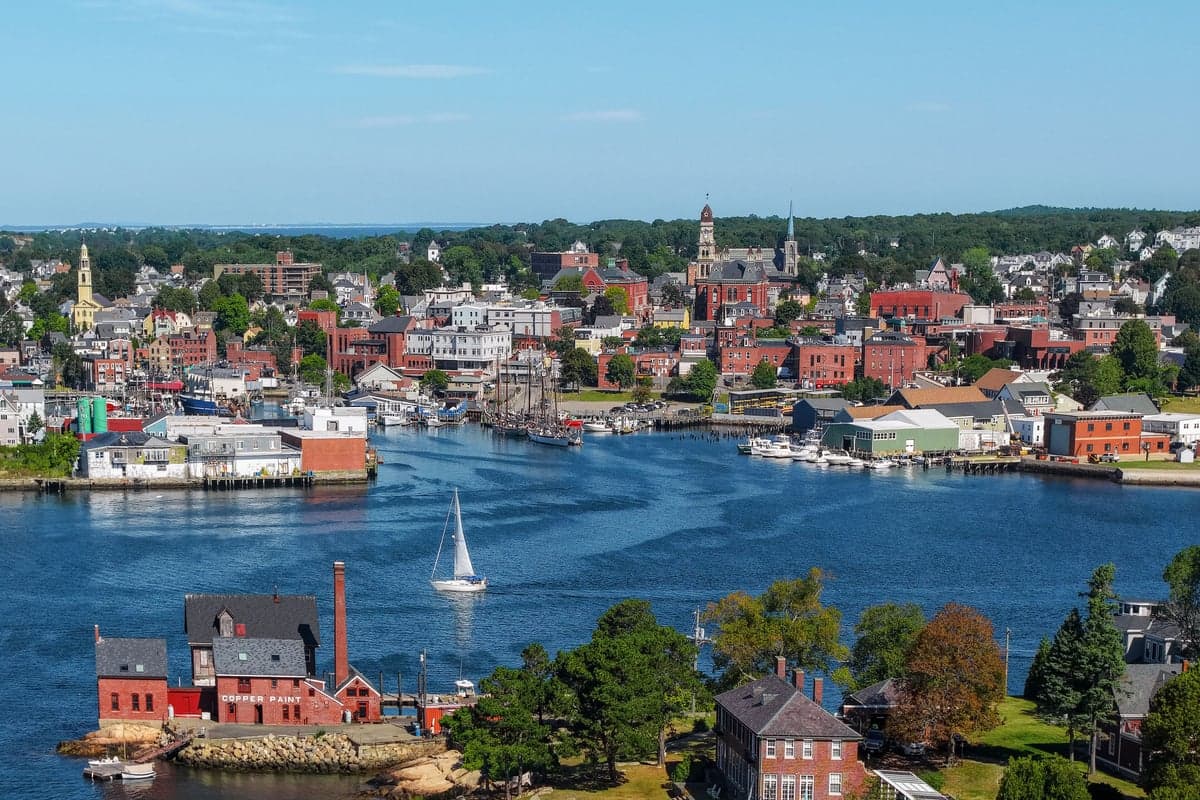
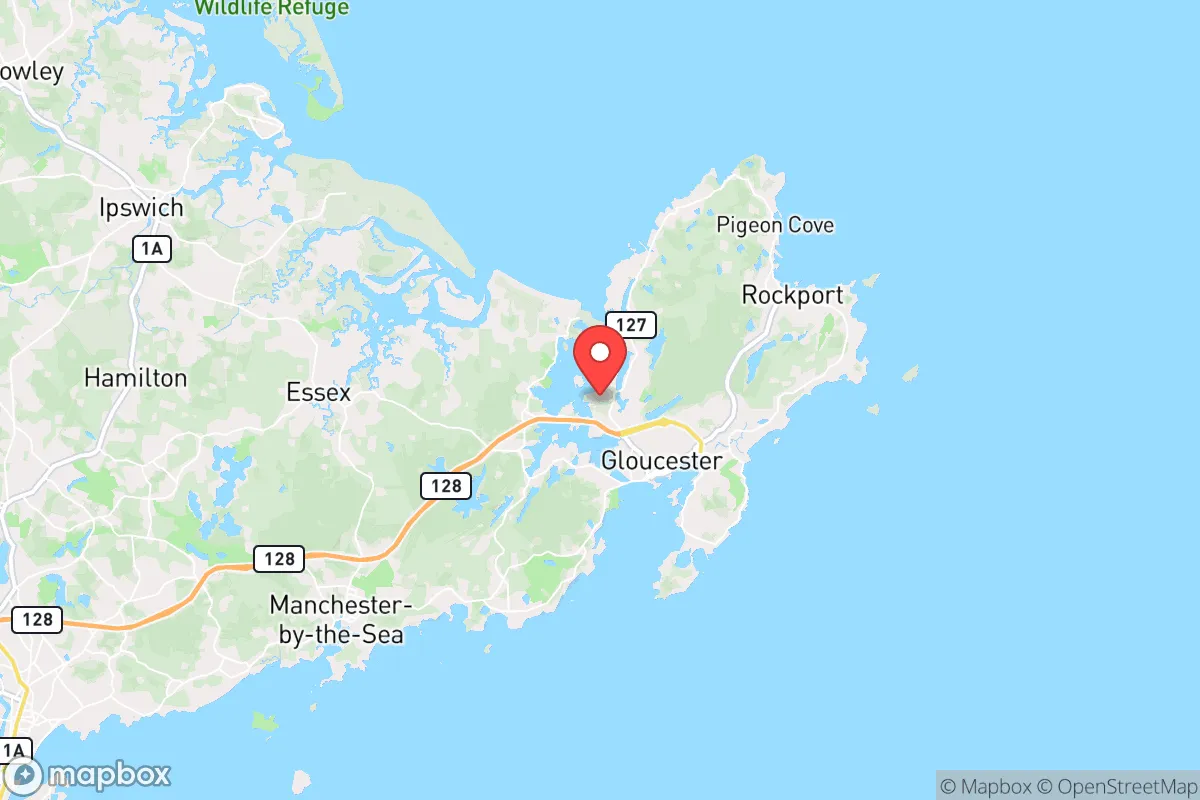

Photo: Wikipedia
Quality of Life in Gloucester, MA
A high quality of life with strong walkability, manageable living costs, healthy neighborhood signals, and solid amenity access.
What does Quality of Life tell us?
Quality of Life blends cost of living, nearby amenities, socioeconomic signals, and neighborhood character. City-level scores represent the whole municipality; individual neighborhoods can differ.
What does this tell us?
Quality of Life blends cost of living, nearby amenities, socioeconomic signals, and neighborhood character. City-level scores represent the whole municipality; individual neighborhoods can differ.
Cost of Living
55% above national average
The Real Cost of Living in Gloucester, MA for 2026
| Tier | Individual | Family (4) |
|---|---|---|
| Survival | $22k | $42k |
| Comfortable | $112k | $164k |
| Luxury | $159k+ | $246k+ |
| Elite (Top 5%) | $193k+ | $299k+ |
54%
The Area Signal
A metric tracking the socioeconomic signals of the area.
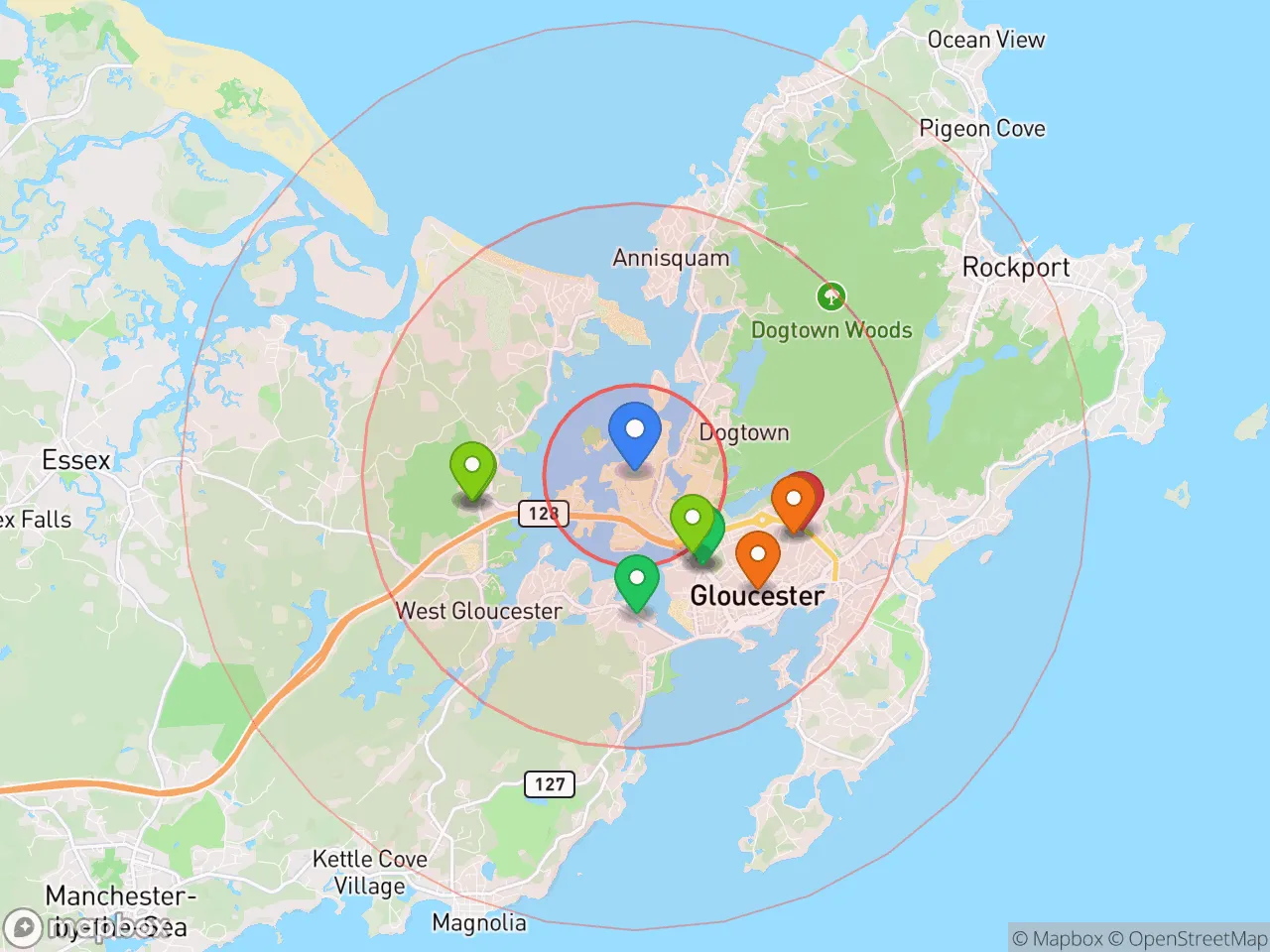
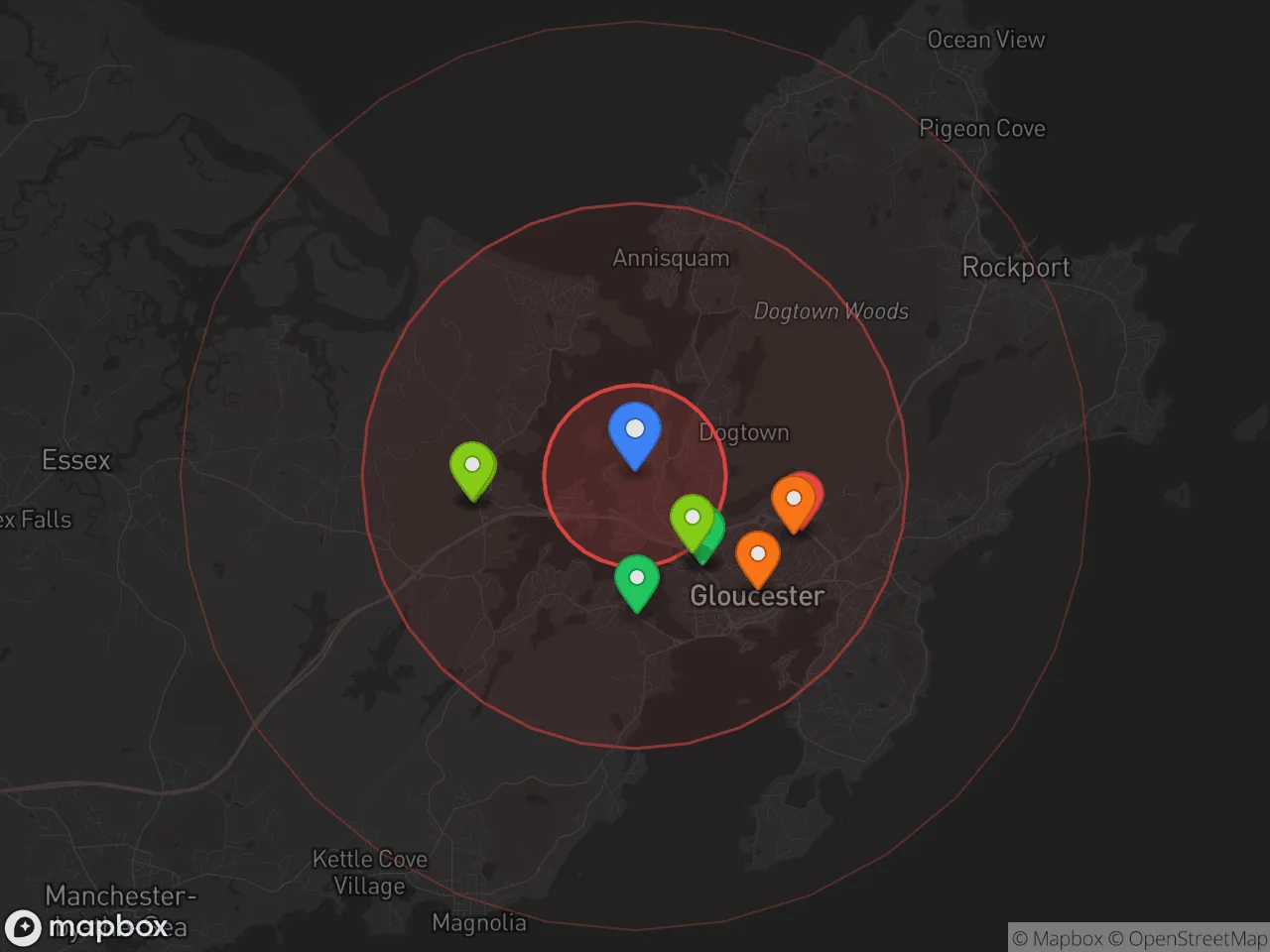
Hobbies
Explore the areaGroceries
0 within 10 miles
Gas
0 within 10 miles
Hospital
0 within 20 miles
Airport
PDX — Portland International Jetport
Post Office
Critical Amenities
Quality-of-Life Analysis
Gloucester, Massachusetts, is a historic coastal city where affluence meets working-class resilience, drawing a mix of longtime fishing families, Boston commuters, and second-home owners. With a cost of living index of 155 (55% above the U.S. average), the city sits firmly in the high-cost tier of Greater Boston, yet it offers a distinct maritime lifestyle that wealthier inland suburbs cannot replicate. The population of roughly 30,000 is older and more established than the state average, with a median age near 48, reflecting a community of settled professionals, retirees, and those tied to the fishing and tourism industries.
Cost of living, housing affordability, and how Gloucester compares to nearby towns
Gloucester’s housing market is expensive but notably more accessible than neighboring coastal communities like Rockport or Manchester-by-the-Sea. The median home value stands at $587,800, which is roughly $100,000 below the median in Rockport and nearly $200,000 below Manchester-by-the-Sea, making Gloucester one of the more attainable options on Cape Ann for buyers. Renters face a median rent of $1,395, a figure that undercuts the Boston metro median by about $400, though it still strains households earning below the area median income. The overall cost of living index of 155 is driven primarily by housing and transportation; groceries and healthcare are closer to the national average. Property taxes in Gloucester run about 1.1% of assessed value, slightly above the Massachusetts median, but still lower than in many Boston suburbs. For commuters, the average one-way commute of 26 minutes is shorter than the Boston metro average of 31 minutes, a meaningful advantage for those working on the North Shore or in Boston via the MBTA commuter rail.
Schools, amenities, and what daily life is like in Gloucester
Daily life in Gloucester revolves around the working waterfront, public beaches, and a compact downtown with independent shops and seafood restaurants. The city is served by Gloucester Public Schools, which enroll about 3,500 students across six elementary schools, O'Maley Innovation Middle School, and Gloucester High School. The high school offers a strong maritime studies program and a career vocational track, reflecting the local economy. For families, the presence of Good Harbor Beach, Stage Fort Park, and the Cape Ann Museum provides year-round recreation and cultural enrichment without needing to drive far. Healthcare access is solid: Addison Gilbert Hospital provides emergency and inpatient care, while larger medical centers in Beverly and Salem are within 20 minutes. The city’s walkability is moderate—downtown and the waterfront are pedestrian-friendly, but most residential areas require a car. Grocery options include a Market Basket and Shaw’s, though residents often drive to Beverly or Danvers for big-box retail. The MBTA commuter rail’s Rockport line stops at Gloucester Station, offering a roughly one-hour ride to Boston’s North Station, which is practical for hybrid commuters but less so for daily 9-to-5 schedules.
Gloucester is best suited for people who value coastal character and community authenticity over suburban convenience or nightlife. Retirees and remote workers with flexible incomes will find the slower pace and natural beauty appealing, while families willing to accept higher housing costs for strong schools and outdoor access can thrive here. Those who work in the fishing industry, marine trades, or tourism already have deep roots in the city. Commuters should be comfortable with a 26-minute average drive or the longer train ride into Boston. Gloucester is not a budget-friendly option, but for buyers and renters priced out of Rockport or Manchester-by-the-Sea, it offers a genuine working waterfront lifestyle at a relative discount within Cape Ann.

Crime in Gloucester, MA
Lower crime rates than 85% of comparable U.S. locations.
Violent CrimeViolent Crime Analysis
Property CrimeProperty Crime Analysis
Crime Analysis
Gloucester, Massachusetts, presents a mixed safety profile for prospective residents. The city’s violent crime rate of 225.5 incidents per 100,000 residents is notably lower than the national average, but its property crime rate of 542.6 per 100,000 sits close to the national median. However, the broader context of being a small city within a large, liberal-leaning metro area introduces significant concerns about the local justice system’s approach to public safety and recidivism.
Crime in context
Gloucester’s violent crime rate is roughly 35% below the national average, making it safer than many comparably sized New England towns in terms of physical assault and robbery. Property crime, however, is a more pressing issue. The rate of 542.6 per 100,000 is slightly above the Massachusetts state average, driven largely by larceny and vehicle break-ins common in coastal tourist destinations. While these numbers are not alarming on their own, they must be weighed against the policies of Essex County’s progressive district attorney and judiciary. In Massachusetts, liberal sentencing reforms and a focus on diversion programs have been linked to higher rates of repeat property offenses, as offenders face minimal consequences for non-violent theft. This creates a cycle where chronic property criminals are quickly returned to the streets, undermining the deterrent effect of the law and placing an unfair burden on victims and local businesses.
What residents experience
For daily life in Gloucester, the tangible impact of progressive criminal justice policies is most visible in property crime. Residents report frequent “smash-and-grab” thefts from parked cars, especially near the waterfront and downtown areas, as well as package theft from porches. While violent confrontations are rare, the sense of security is eroded by the knowledge that the system prioritizes offender rehabilitation over victim restitution. The Essex County District Attorney’s office, aligned with statewide progressive trends, has implemented policies that reduce cash bail and fast-track non-violent offenders into treatment rather than incarceration. For a family or retiree moving to Gloucester, this means that a stolen bicycle or a broken car window is unlikely to result in meaningful legal consequences for the perpetrator. The result is a community where residents must invest heavily in private security measures—cameras, alarms, and neighborhood watch groups—to compensate for a justice system that is perceived as lenient and sympathetic to criminals at the expense of public order.
Neighborhood-level variation
Safety in Gloucester is not uniform. The more affluent, residential neighborhoods such as Annisquam and Eastern Point experience significantly lower crime rates, benefiting from private security patrols and greater social cohesion. In contrast, the downtown area near the waterfront and the West Gloucester corridor near Route 128 see higher concentrations of property crime, driven by transient populations and easier access for thieves. The Magnolia neighborhood, while scenic, has seen an uptick in vehicle break-ins during peak tourist season. For those considering a move, the safest bet is to prioritize the quieter, less accessible neighborhoods, but even there, the overarching issue of a lenient regional justice system means that no area is fully insulated from the effects of repeat property offenders cycling through the courts with minimal accountability.
* Values derived from national, state, county, city and local statistics and may differ in a specific area. Last updated: 2026-10-13T18:16:17.000Z
Narrative content on this page is AI-generated and may contain mistakes. Verify any details that matter before acting on them.
ReloMaps may earn a commission from affiliate links at no extra cost to you.

