Photo: Wikipedia
Demographics of Gloucester, MA
Affluence Level in Gloucester, MA
A middle-class area roughly in line with national averages across income, home values, education, and employment.
People of Gloucester, MA
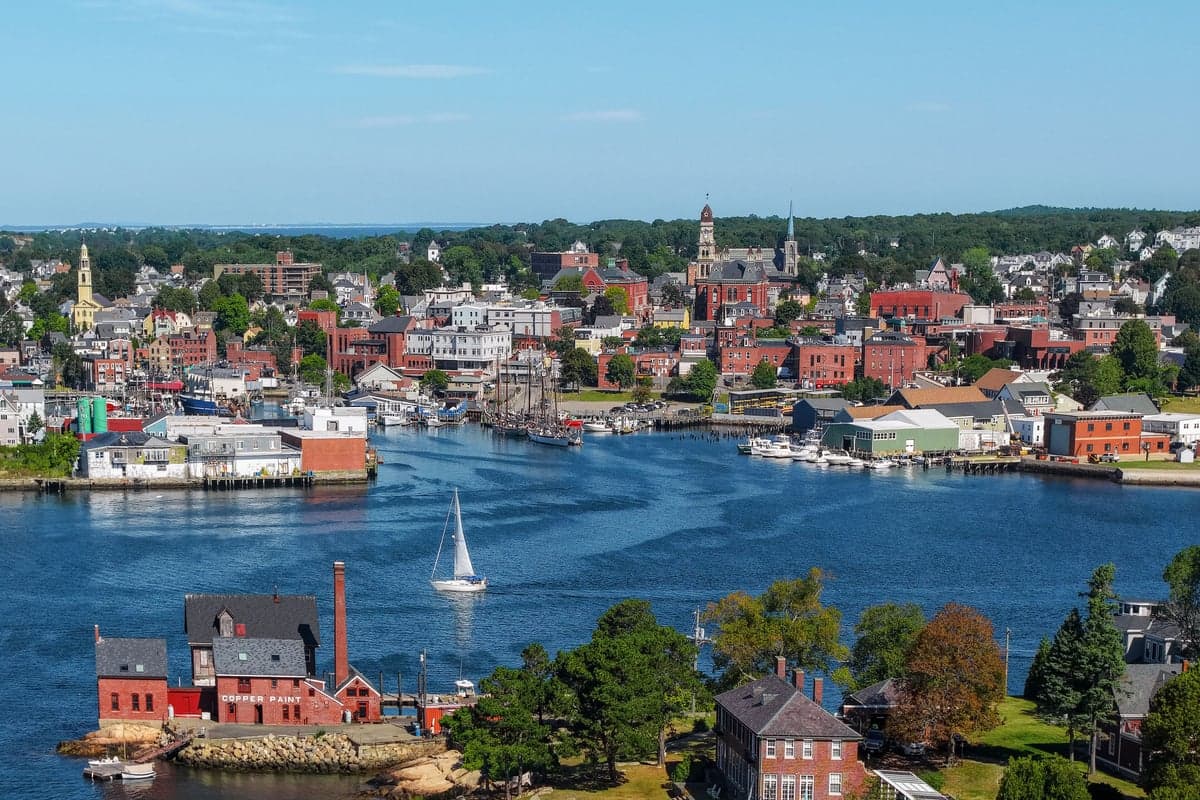
The people of Gloucester, Massachusetts today form a tight-knit, historically rooted community of 29,862 residents, characterized by a strong sense of place shaped by centuries of maritime heritage. The city remains predominantly white (89.1%) with a modest foreign-born population of 5.4%, and its identity is distinctly working-class and independent, with a notable 38.8% of adults holding a college degree. Gloucester’s population is older and more settled than the state average, with a character that blends old fishing families, artists drawn to the harbor, and a growing number of remote workers seeking coastal living.
How the city was settled and grew
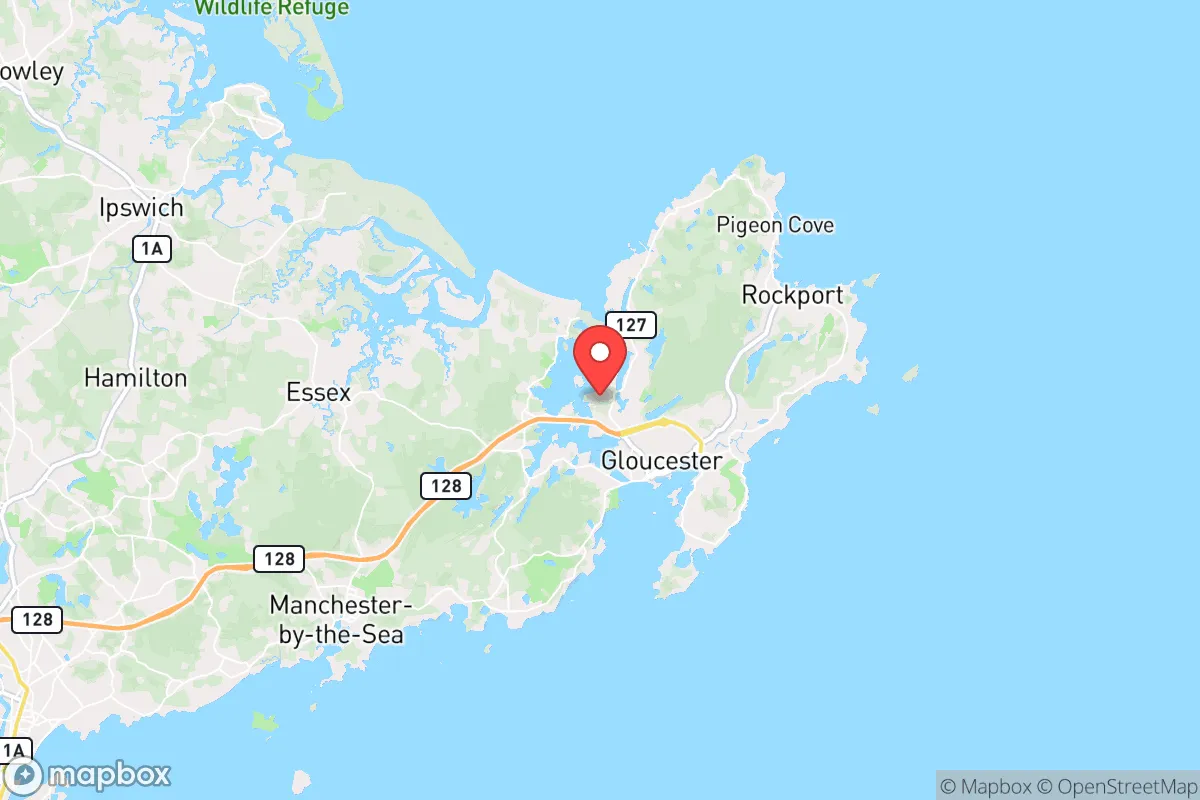
Gloucester was founded in 1623 by English settlers from the Dorchester Company, making it one of the oldest continuously inhabited fishing ports in the United States. The original population clustered around the inner harbor in what is now the Fort neighborhood, where the first fishing stages and wharves were built. Throughout the 18th and 19th centuries, the city’s growth was driven by the Atlantic cod fishery and later by the granite quarrying industry, which drew waves of immigrants. Portuguese fishermen from the Azores and mainland Portugal began arriving in the 1830s, settling primarily in the Portuguese Hill and West Gloucester areas, where their descendants remain a significant cultural presence today. Italian immigrants followed in the late 19th and early 20th centuries, establishing a strong community in the East Gloucester and Rocky Neck districts, where they worked in the fishing fleet and related trades. By the mid-20th century, Gloucester’s population had stabilized around 25,000, with a largely white, Catholic, and ethnically European character shaped by these successive waves of maritime labor.
Modern era (post-1965)
After the 1965 Hart-Cellar Act, Gloucester saw only modest demographic change compared to larger Massachusetts cities. The foreign-born population remained low, and the city did not experience the large-scale immigration that reshaped Boston or Lynn. Instead, the most significant post-1965 shift was domestic: an influx of artists, writers, and creative professionals drawn by the affordable coastal property and the working waterfront, particularly in the Rocky Neck art colony and the Downtown area. This in-migration brought a more educated and politically liberal cohort, creating a cultural tension with the older fishing families. The Hispanic population grew slowly to 4.8%, with most families settling in the more affordable West Gloucester and outer neighborhoods, while the East/Southeast Asian community (1.1%) and Indian-subcontinent population (0.5%) remain small and dispersed. The Black population (1.1%) is similarly modest. Gloucester’s racial and ethnic composition has remained remarkably stable, with the white share declining only slightly from the mid-1990s peak of 96%.
The future
Gloucester’s population is projected to remain relatively stable or decline slightly over the next decade, as the city faces the same headwinds as many older New England coastal towns: an aging population, high housing costs, and limited new construction. The city is becoming slightly more diverse, but the pace is slow. The Hispanic and East/Southeast Asian shares are expected to grow gradually, likely concentrating in West Gloucester and the more affordable Magnolia area, where housing prices are lower than in the historic downtown and waterfront districts. The most notable demographic trend is the continued arrival of remote workers and second-home buyers from the Boston metro area, who are driving up home prices and gradually shifting the city’s cultural identity from a working fishing port toward a more affluent, amenity-driven coastal community. This is creating a growing divide between long-established families and newcomers, a dynamic that will likely define Gloucester’s social landscape for the next 10 to 20 years.
For someone moving to Gloucester now, the city offers a rare combination of authentic maritime heritage and natural beauty, but it is a place where newcomers should expect to earn their place in a community that values continuity and local knowledge. The population is becoming more educated and more affluent, but the core identity remains rooted in the harbor, the fishing fleet, and the neighborhoods built by Portuguese, Italian, and English families over four centuries.

* Values derived from national, state, county, city and local statistics and may differ in a specific area. Last updated: 2026-10-13T18:16:17.000Z
Narrative content on this page is AI-generated and may contain mistakes. Verify any details that matter before acting on them.
ReloMaps may earn a commission from affiliate links at no extra cost to you.

