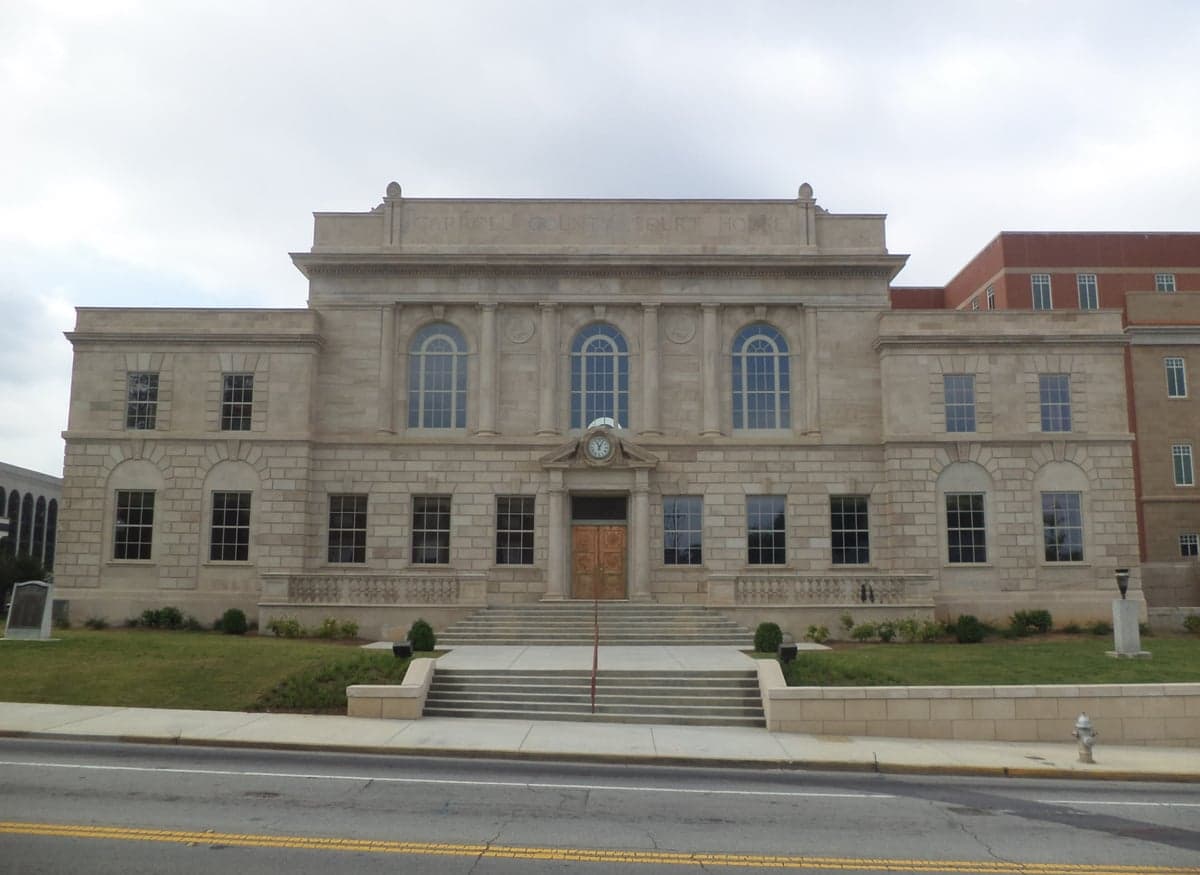
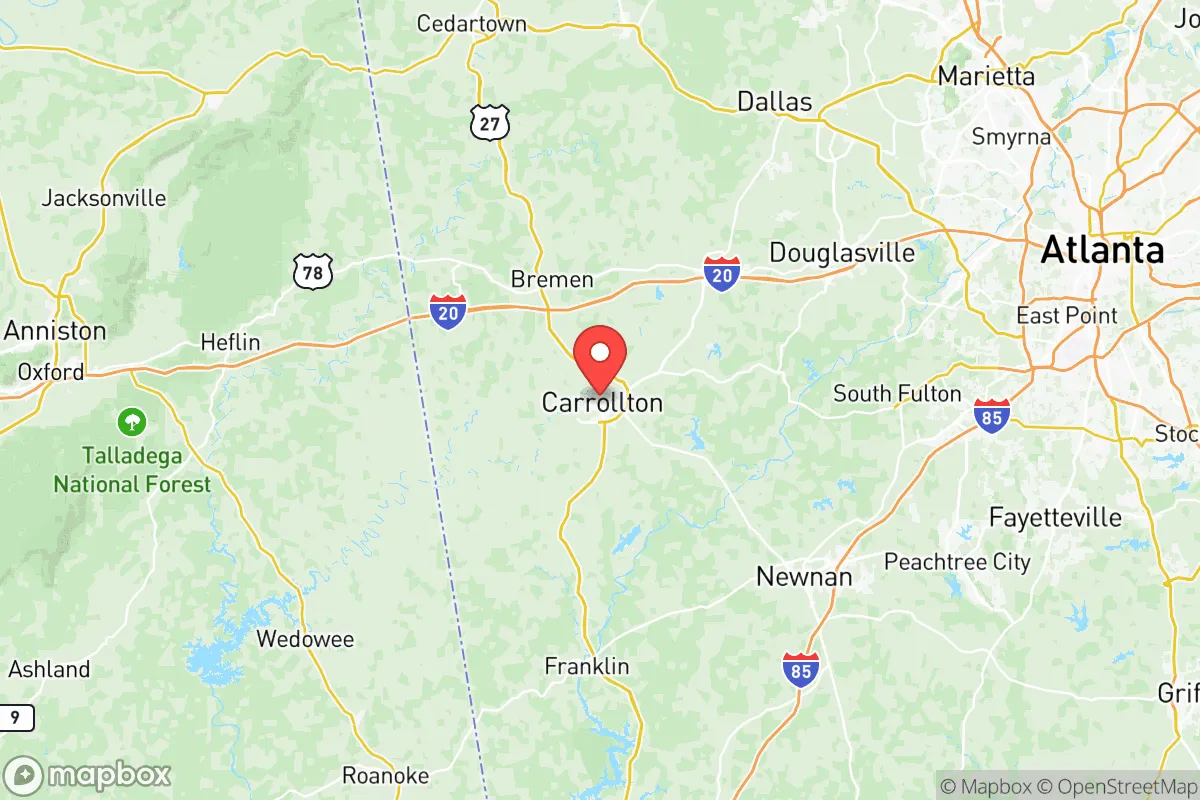
Photo: Wikipedia
Quality of Life in Carroll County
A livable area that tracks near national norms for affordability, walkability, and neighborhood health.
What does Quality of Life tell us?
Quality of Life measures an area by evaluating factors like cost of living, nearby amenities, country club access, airport proximity, socioeconomic signals and neighborhood character. For large states, this is a general average — quality of life can vary dramatically between metro areas, suburbs, and rural communities within the same state.
What does this tell us?
Quality of Life measures an area by evaluating factors like cost of living, nearby amenities, country club access, airport proximity, socioeconomic signals and neighborhood character. For large states, this is a general average — quality of life can vary dramatically between metro areas, suburbs, and rural communities within the same state.
Cost of Living
10% below national average
111%
The Real Cost of Living in Carroll County for 2026
| Tier | Individual | Family (4) |
|---|---|---|
| Survival | $18k | $34k |
| Comfortable | $44k | $65k |
| Luxury | $111k+ | $173k+ |
| Elite (Top 5%) | $131k+ | $203k+ |
Quality-of-Life Analysis
Carroll County, Georgia, offers a broad spectrum of quality-of-life options, from the walkable, historic core of Carrollton to the quiet, unincorporated crossroads of places like Roopville and Bowdon. This diversity attracts a mix of residents: young families and students drawn to the county seat’s amenities, commuters seeking affordable acreage near the I-20 corridor, and retirees looking for small-town peace in communities like Whitesburg. The county’s overall cost of living index sits at 90 (10% below the U.S. average), with a median home value of $227,500 and median rent of $1,124, making it a financially accessible alternative to metro Atlanta’s core counties.
Largest town(s) & population centers
Carrollton is the county’s undisputed hub, home to the University of West Georgia and a revitalized downtown square lined with local restaurants, breweries, and boutique shops. Daily life here is defined by a blend of college-town energy and suburban convenience: residents walk to the Carrollton GreenBelt, a 16-mile paved trail system, and commute an average of 28 minutes to jobs in the city or along the I-20 corridor. The city’s housing stock ranges from historic bungalows near Maple Street to newer subdivisions on the south side. Villa Rica, straddling the Douglas County line, is the county’s second-largest population center and a fast-growing exurb. Its historic downtown—anchored by the Pine Mountain Gold Museum—offers a small-town feel, while new developments along Highway 61 attract families priced out of Douglasville. Both towns provide full-service grocery stores, medical clinics, and public schools that generally outperform state averages.
Smaller towns & rural pockets
Beyond the population centers, Carroll County contains several distinct smaller communities. Bowdon, in the county’s western end, is a classic rural town with a compact downtown, a strong agricultural base, and a slower pace of life. Mount Zion is an unincorporated area centered on a historic crossroads, offering few commercial services but abundant land and privacy. Roopville, near the Alabama line, is similarly rural, with most residents commuting to Carrollton or into Alabama for work. Whitesburg, in the county’s southeastern corner, sits along the Chattahoochee River and attracts outdoor enthusiasts with access to the Chattahoochee Bend State Park. These areas lack the retail density of Carrollton or Villa Rica but offer lower housing prices and larger lots—often 1 to 5 acres—for those seeking space and quiet.
Cost & lifestyle range
The cost of living varies noticeably across the county. At the higher end, Carrollton’s historic district and newer subdivisions near the GreenBelt command median home prices around $280,000–$320,000, while rents in the city’s apartment complexes average $1,200–$1,400 for a two-bedroom. At the lower end, Bowdon and Roopville offer median home values closer to $170,000–$200,000, with rents often below $900 for older single-family homes. Lifestyle follows the same gradient: Carrollton residents enjoy walkable dining, university events, and a robust parks system, while those in rural pockets rely on Carrollton or Villa Rica for most shopping and healthcare, trading convenience for lower taxes and more land. The county’s average commute of 28 minutes reflects this trade-off—longer than a dense suburb but shorter than many exurban counties, thanks to direct access to I-20 and U.S. 27.
Carroll County suits a wide range of residents, but it is especially well-suited to those who want affordable homeownership within striking distance of Atlanta’s job market. Families and retirees who prioritize space and lower costs will find the rural towns appealing, while students, young professionals, and empty-nesters who value walkability and cultural amenities will gravitate toward Carrollton. The county’s mix of college-town energy, exurban growth, and genuine rural quiet means that the right fit depends almost entirely on how much land and how many neighbors a person wants.

Crime in Carroll County
Crime rates similar to the national median for U.S. locations.
Violent CrimeViolent Crime Analysis
Property CrimeProperty Crime Analysis
Crime Analysis
Carroll County, Georgia, presents a mixed safety picture for prospective residents. The county’s overall violent crime rate of 276.2 incidents per 100,000 residents sits below the national average but above the Georgia state average, while its property crime rate of 1,284.4 per 100,000 exceeds both state and national benchmarks. This means that while the risk of violent victimization is moderate, property crimes like burglary and theft are a more pressing concern, particularly in the county’s more urbanized areas.
Crime in context
Carroll County’s violent crime rate is roughly 21% lower than the U.S. average of approximately 350 per 100,000, but it is about 15% higher than the Georgia state average of roughly 240 per 100,000. The property crime rate, however, is a more significant outlier: it is approximately 30% higher than the national average and about 20% higher than the Georgia average. These figures place Carroll County in a middle tier among Georgia’s 159 counties—safer than high-crime metro Atlanta counties like Clayton or DeKalb, but notably more dangerous than rural neighbors like Heard or Haralson counties. The disparity between violent and property crime rates suggests that property offenses are the primary driver of the county’s overall crime index.
What residents experience
Daily life in Carroll County is shaped by where you live. The county seat, Carrollton, is the largest city and the economic hub, home to the University of West Georgia. It also concentrates the majority of reported crime. Carrollton’s police department handles a disproportionate share of the county’s incidents, with property crime—especially vehicle break-ins and package thefts—being a routine nuisance near the university campus and along the Highway 27 corridor. The city of Villa Rica, which straddles the Carroll-Douglas county line, has seen rising property crime rates as its population has grown, though its violent crime remains lower than Carrollton’s. Smaller towns like Bowdon and Temple report far fewer incidents, with residents often citing a “everyone knows everyone” dynamic that deters serious crime. Mount Zion and Roopville are among the safest unincorporated communities, with crime rates well below the county average.
Residents should also be aware of the local judicial climate. Carroll County is part of the Coweta Judicial Circuit, which includes Coweta, Heard, Meriwether, and Troup counties. The district attorney’s office, led by District Attorney John Herbert Cranford, Jr., has historically taken a tough-on-crime stance, with a focus on prosecuting property and drug offenses. However, as with many counties near a major metro area (Atlanta is roughly 45 minutes east), there is concern that progressive policies from the broader metro area—including bail reform and reduced sentencing guidelines—can influence local judicial discretion. Readers should be cautious: a liberal-leaning judiciary, even in a conservative county, can lead to more offenders being released on reduced sentences or diverted from incarceration, which directly increases the risk of repeat property crimes and undermines public safety. This is a particular concern in Carrollton, where a revolving door for low-level property offenders has been noted by local residents in community forums.
Neighborhood-level variation
Crime in Carroll County is not evenly distributed. The safest areas are the rural, unincorporated communities west of Carrollton, such as Whitesburg and the area around John Tanner State Park, where property crime is rare and violent crime is virtually nonexistent. The most dangerous areas are concentrated in Carrollton’s downtown core and the apartment complexes along Bankhead Highway (US-78) and Rome Street. Villa Rica’s Mirror Lake and Fairfield Plantation subdivisions are gated communities that report very low crime, while the older neighborhoods near Villa Rica’s historic downtown see more break-ins. For anyone relocating, a block-by-block check of crime maps is essential: a quiet street in Carrollton can be two blocks from a high-crime corridor. The county sheriff’s office provides an online crime mapping tool, and local real estate agents can often provide specific incident reports for a given address.
* Values derived from national, state, county, city and local statistics and may differ in a specific area. Last updated: 2026-10-23T22:04:32.000Z
Narrative content on this page is AI-generated and may contain mistakes. Verify any details that matter before acting on them.
ReloMaps may earn a commission from affiliate links at no extra cost to you.

