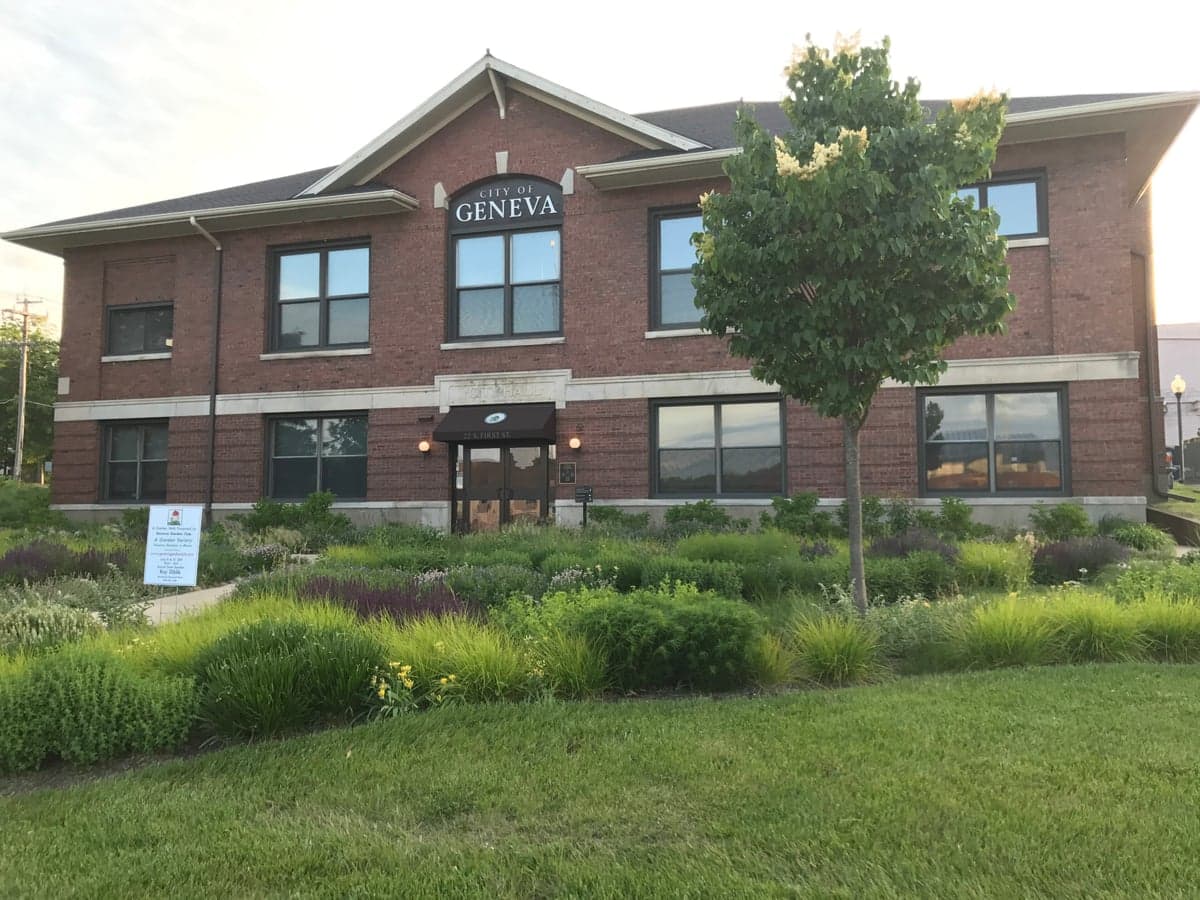
Photo: Wikipedia
Strategic Assessment of Geneva, IL
Multiple tactical vulnerabilities. Population density, target proximity, or disaster risk are likely compounding. A retreat property and exit planning is required.
What does the Strategic Assessment tell us?
Our Strategic Assessment grades tactical survivability of an area. Major population centers, military targets, fallout zones, natural disasters, and border exposure all drive risk — lower exposure means a more defensible position in a crisis.
This is heavily inspired by Joel Skousen's Strategic Relocation book. Highly recommended you checkout the book ($)What does this tell us?
Our Strategic Assessment grades tactical survivability of an area. Major population centers, military targets, fallout zones, natural disasters, and border exposure all drive risk — lower exposure means a more defensible position in a crisis.
This is heavily inspired by Joel Skousen's Strategic Relocation book. Highly recommended you checkout the book ($)Strategic Pillars
Key Distances
Regional Safe Places
Below is our recommended "safe zones" in Illinois and the surrounding area based on our strategic heuristics. For most people, it's unrealistic to live in a “safe zone” full-time due to work, family or other personal reasons. They tend to be more rural. However, many of these areas are perfect for second homes and retreat properties that double as a vacation home or even a short-term rental.
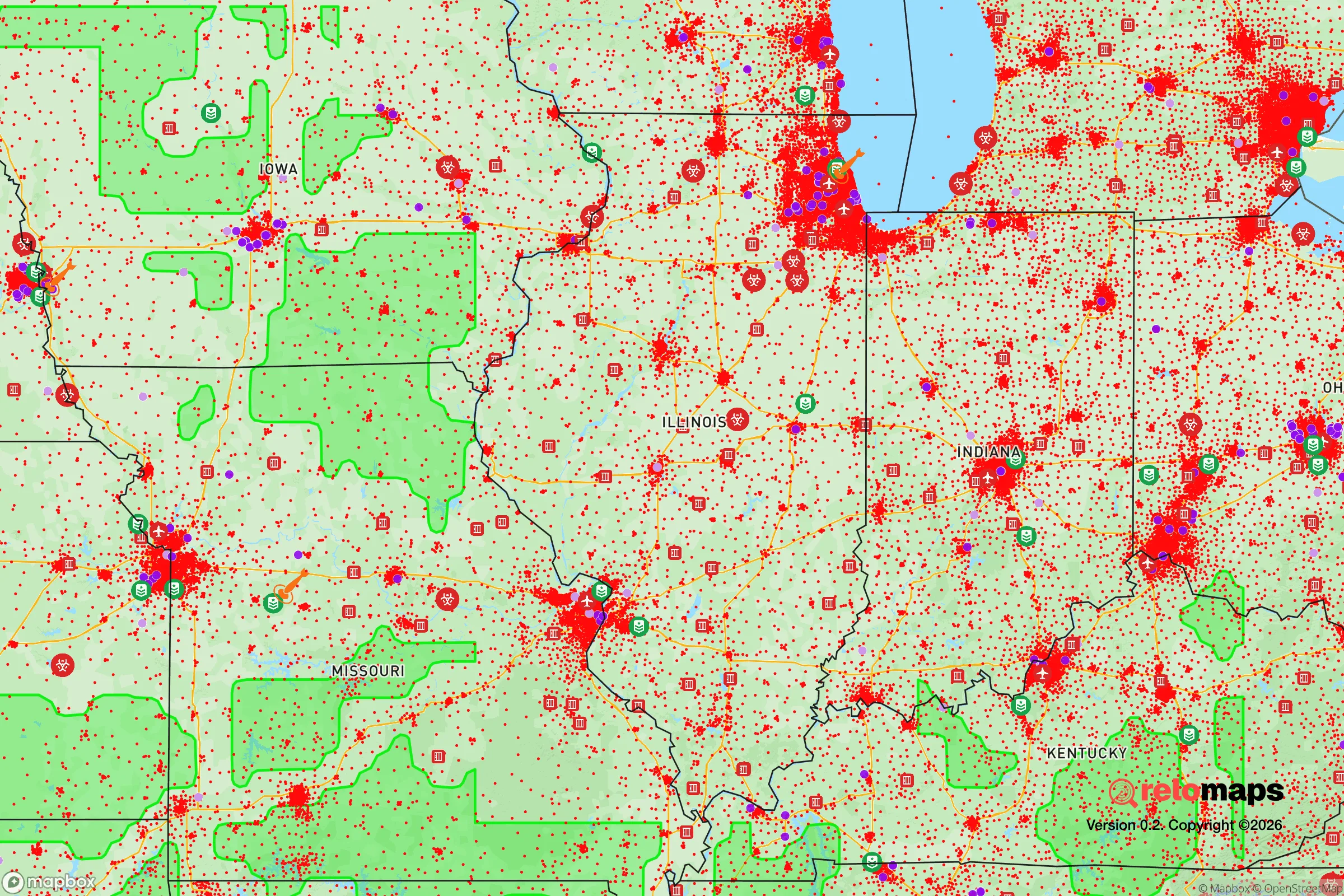
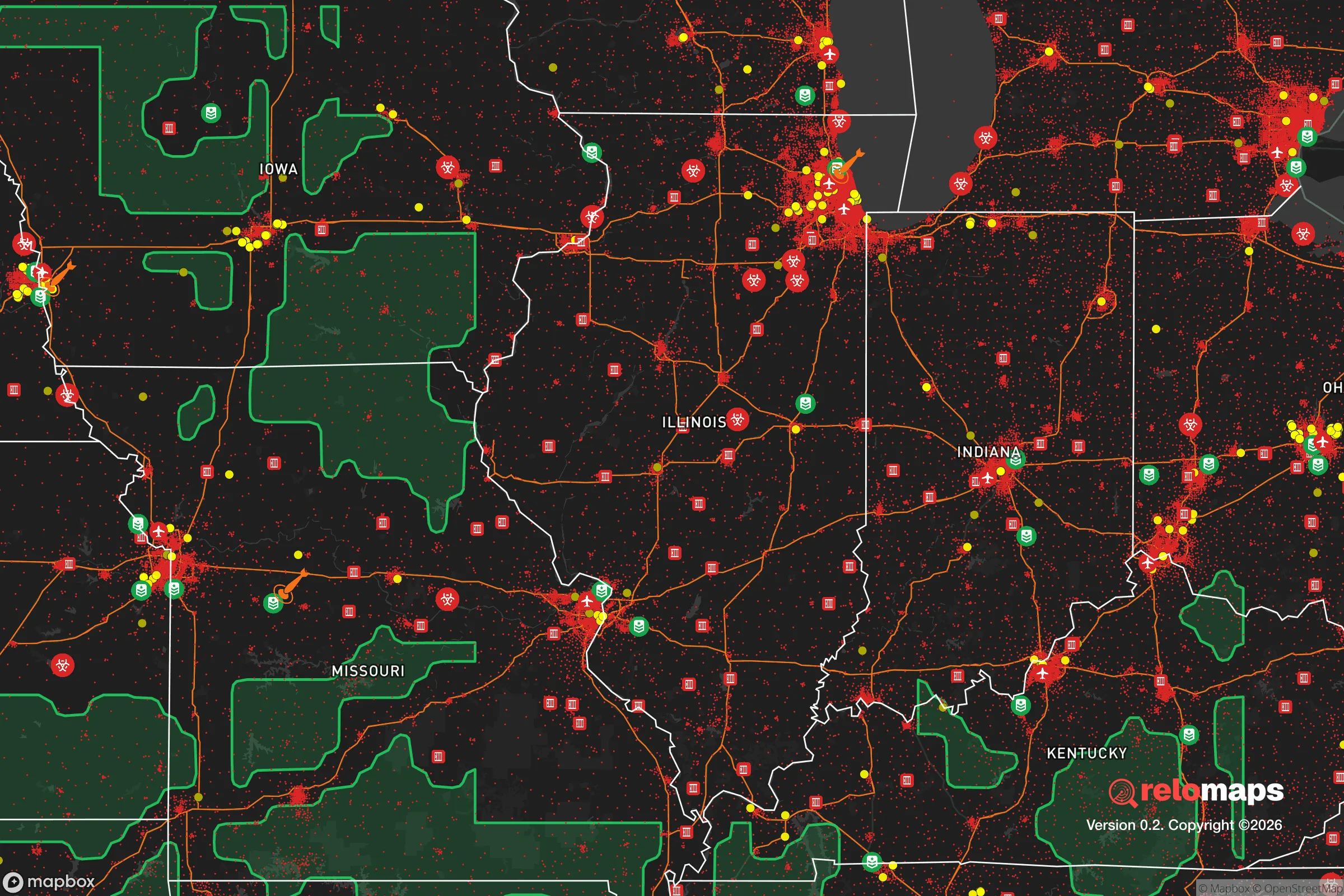


Important Note: For informational purposes only. This does not mean nothing bad ever happens in the green zones. Please use common sense. This is based on public data and modeled with AI. We tried to take a conservative approach but mistakes happen. We update this regularly as new information becomes available.
Solar Generator Recommendations
Backup power matters more here than in safer locations. We've picked three solar generators across budgets and capacity tiers — start with the budget unit if you only need a few essentials, or step up if you want to run a fridge and HVAC for days at a time.
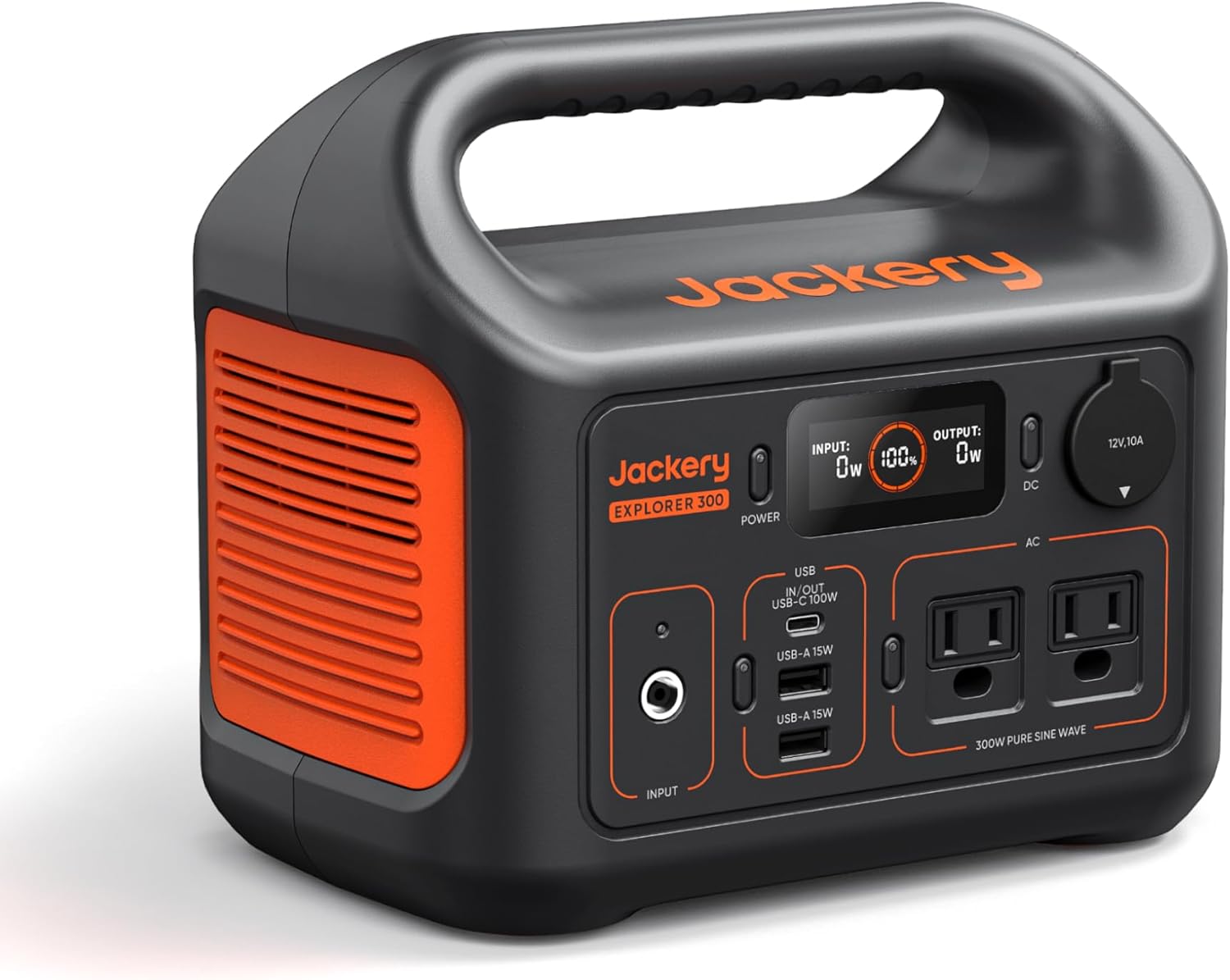
Jackery Portable Power Station Explorer 300
Budget OptionPower on the Go: Weighing only 11 lbs, it's convenient to set up and store with book-sized foldable solar panels

BLUETTI Portable Power Station AC180
Designed for both indoor and outdoor scenarios, AC180 is highly capable as it has a robost capacity and continuous output power.

EF ECOFLOW DELTA Pro Ultra Power Station
Upgraded PickEcoFlow DELTA Pro Ultra is a whole-home energy system designed to grow with your family. Integrated with the Smart Home Panel 2, it scales to meet your evolving energy needs — keeping your home powered, intelligent, and secure through every stage of life.
We earn a commission, at no additional cost to you.
Strategic Assessment Analysis
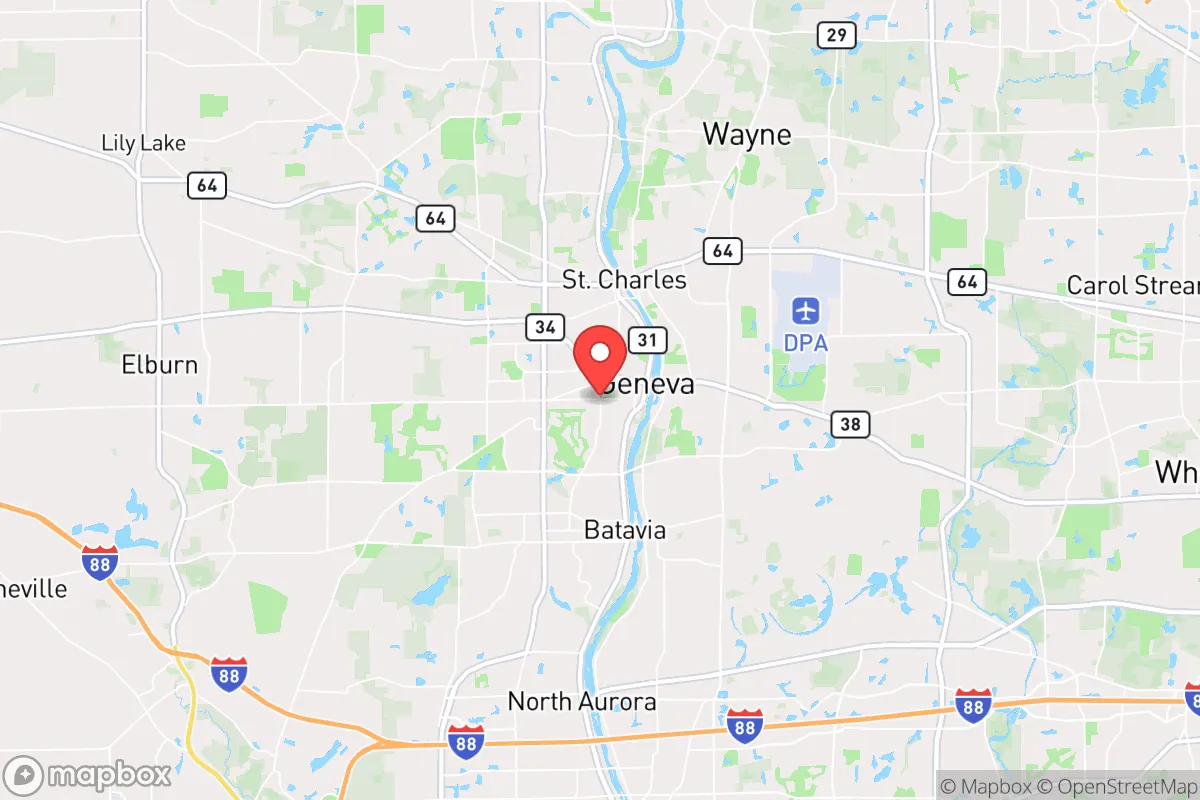
Geneva, Illinois, sits roughly 40 miles west of downtown Chicago in Kane County, on the west bank of the Fox River — a position that gives it meaningful distance from the densest urban core while keeping it inside a major metro economy. For a reader weighing disaster readiness and self-sufficiency, Geneva's strategic profile is mixed but leans favorable: low direct exposure to the most-cited natural hazards, decent local food and water infrastructure, and a location far enough from Chicago's highest-risk zones to matter, though not far enough to be truly remote. The town of about 21,000 is the Kane County seat, which brings institutional stability — courthouse, county services, a hospital presence nearby — alongside the visibility that comes with being an administrative center.
Where Geneva sits geographically and what that buys you
Geneva occupies a stretch of the Fox River valley where the terrain is gently rolling, with the river running north-south through town and the historic downtown built tight against the west bank. The Fox is a mid-size river — not the Mississippi, but not a creek either — and it's the single most important natural feature for anyone thinking about water and flood risk. The surrounding county is largely agricultural: Kane County's western and southern townships are corn and soybean country, which matters for food resilience because it means the region isn't wholly dependent on long supply chains for basic calories. The area sits outside the New Madrid seismic zone and well north of meaningful hurricane tracks; the dominant natural hazards are severe thunderstorms, tornadoes, winter ice storms, and river flooding. Distance from Chicago is the headline advantage: Geneva is beyond the dense suburban ring, roughly an hour from O'Hare in normal traffic, and the prevailing weather systems generally move west-to-east, putting the metro's industrial and urban corridor downwind rather than upwind. For a reader who wants separation from a major city without abandoning its economic base, that's a defensible middle position.
Risks, exposures, and proximity to fallout-relevant landmarks
Here's where the assessment gets more sobering. Geneva is not remote, and the Chicago metro contains several facilities that would matter in a serious radiological or industrial incident. The Dresden Generating Station, a boiling water reactor in Grundy County near Morris, sits roughly 35–40 miles south-southeast — close enough to be within the 50-mile emergency planning radius that federal guidance uses for ingestion pathway concerns. The Braidwood and Byron nuclear plants are farther out, but the bigger point is cumulative: northern Illinois hosts more commercial reactors than any other state, and Geneva sits inside that cluster's general footprint. Add the metro's dense industrial corridor — the refineries and chemical plants around Joliet and the Lake Michigan corridor, plus O'Hare as a major aviation hub — and the region carries man-made exposure that a truly remote location would not. Flooding is the most probable local hazard: low-lying parcels near the Fox River, particularly in the older downtown blocks and the Mill Creek area, have flooded in major events, and FEMA mapping reflects that. Tornado risk is real but diffuse across the whole Midwest. The honest framing: Geneva is safer than the urban core on man-made risk, but it is not outside the blast-and-plume conversation for a determined reader.
Practical resilience for a relocator: food, water, energy, and defensibility
On the practical side, Geneva scores reasonably well for a suburban town. Water comes from municipal wells drawing on the deep sandstone aquifer rather than Lake Michigan, which insulates the town from Great Lakes-level infrastructure failures but does mean dependence on pumped supply — a backup cistern or rain catchment is worth considering. The Fox River is a surface water source but requires treatment. Food resilience is better than average for a suburb: Kane County's farm belt is within a short drive, the town has a longstanding farmers market, and the surrounding townships support direct-to-consumer farm sales, so local calories aren't purely theoretical. Energy is standard ComEd grid service with natural gas; there's no meaningful local generation, so a generator, battery backup, or wood heat capability is the practical hedge. Defensibility is a mixed bag — Geneva is a low-crime town with an engaged police department and a county sheriff presence, but it's also on a major rail line (Metra's Union Pacific West) and two state highways, which means easy access for both goods and people. The historic downtown's density is charming but not a security asset; the more defensible residential patterns are the larger-lot subdivisions on the town's west and south edges. A reader prioritizing self-sufficiency should look at properties with well and septic potential on the periphery rather than the walkable core.
The overall strategic picture for Geneva is that of a well-positioned but not insulated location: strong on water, food access, institutional stability, and distance from the urban core's worst man-made exposures, weaker on true remoteness and on the cumulative nuclear and industrial footprint of northern Illinois. It's a reasonable choice for a family that wants a functional small-city base with real community infrastructure and a credible plan-B posture, provided they treat backup water, backup power, and a stored food buffer as baseline requirements rather than optional. For a reader chasing maximum isolation, Geneva is a compromise; for one who wants a livable, economically viable town with a defensible risk profile, it's a solid middle-tier pick.

* Values derived from national, state, county, city and local statistics and may differ in a specific area. Last updated: 2026-11-28T00:32:19.000Z
Narrative content on this page is AI-generated and may contain mistakes. Verify any details that matter before acting on them.
ReloMaps may earn a commission from affiliate links at no extra cost to you.

