Photo: Wikipedia
Quality of Life in Forsyth, MO
Above-average quality of iife. The area offers a reasonable cost of living, decent mobility, and a mix of neighborhood amenities.
What does Quality of Life tell us?
Quality of Life blends cost of living, nearby amenities, socioeconomic signals, and neighborhood character. City-level scores represent the whole municipality; individual neighborhoods can differ.
What does this tell us?
Quality of Life blends cost of living, nearby amenities, socioeconomic signals, and neighborhood character. City-level scores represent the whole municipality; individual neighborhoods can differ.
Cost of Living
40% below national average
The Real Cost of Living in Forsyth, MO for 2026
| Tier | Individual | Family (4) |
|---|---|---|
| Survival | $11k | $20k |
| Comfortable | $36k | $53k |
| Luxury | $80k+ | $124k+ |
| Elite (Top 5%) | $95k+ | $147k+ |
84%
The Area Signal
A metric tracking the socioeconomic signals of the area.
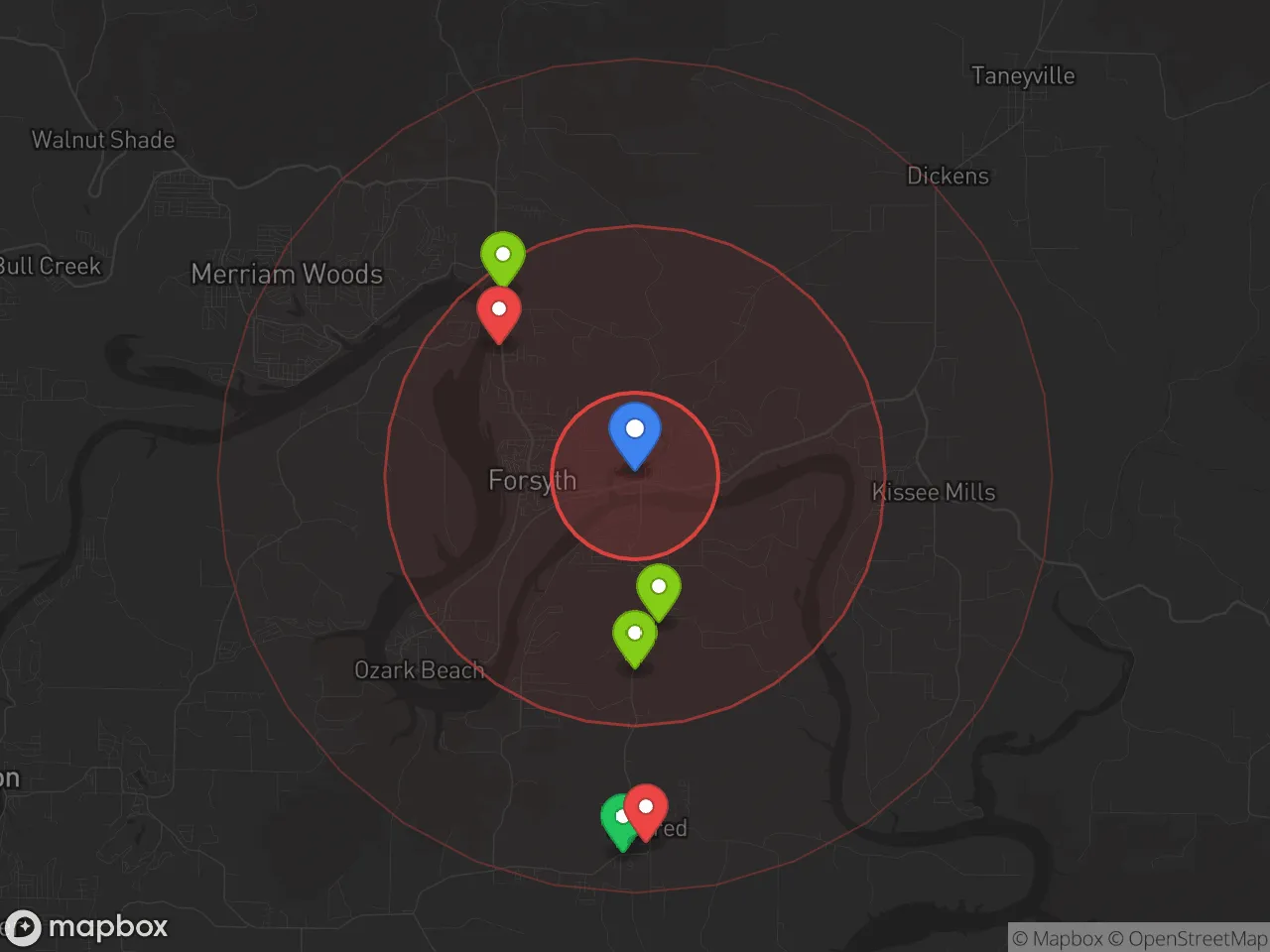
Hobbies
Explore the areaGroceries
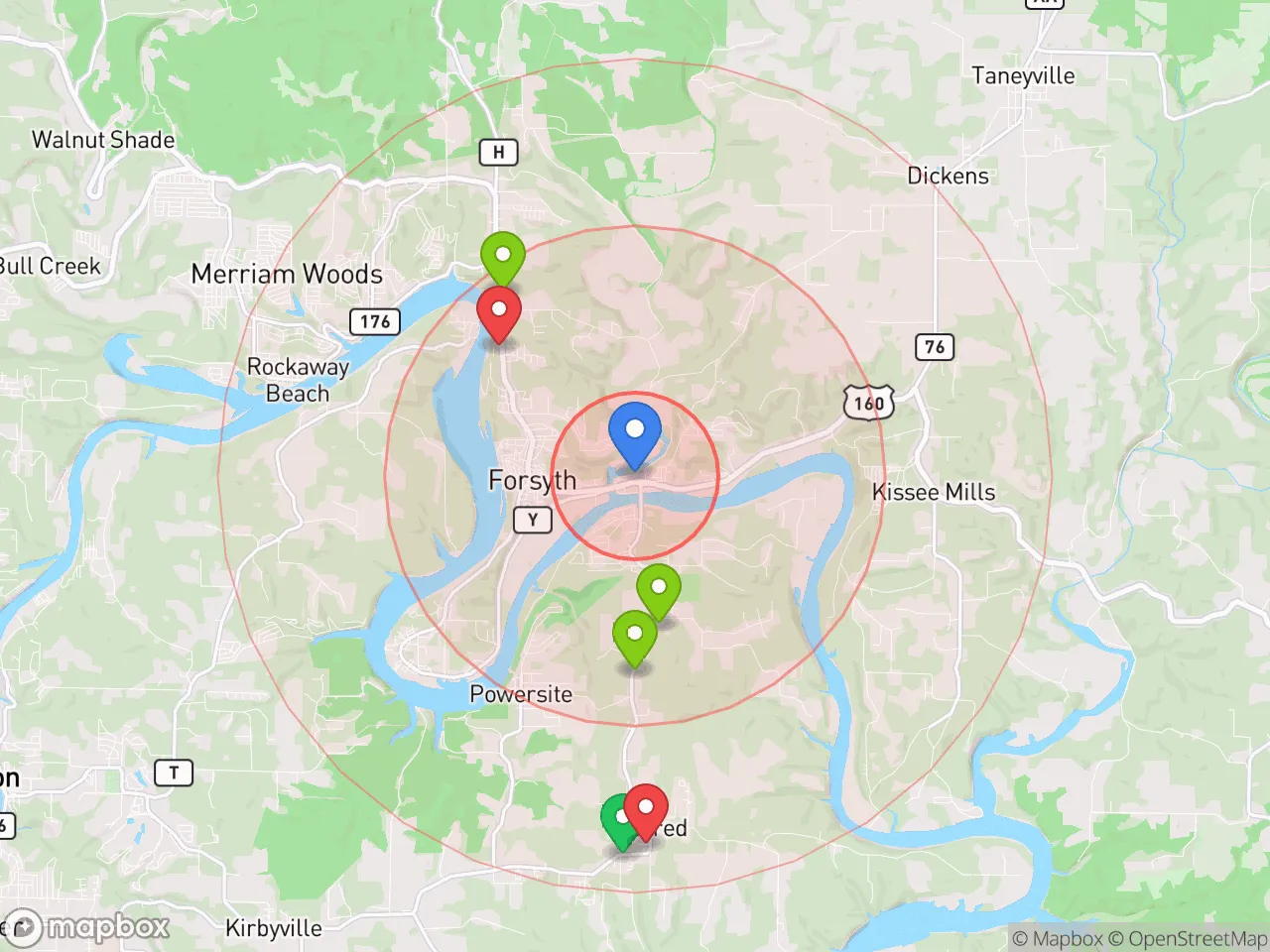
2 within 10 miles
Gas
14 within 10 miles
Hospital
1 within 20 miles
Airport
MCI — Kansas City International
Post Office
USPS — Forsyth, MO
Critical Amenities
Quality-of-Life Analysis
Forsyth, Missouri, presents a distinctive quality-of-life profile defined by its low cost of living and small-town character, attracting a mix of retirees, outdoor enthusiasts, and families seeking an affordable, slower pace. With a cost-of-living index of 60—well below the national average of 100—the area offers significant financial breathing room, particularly for those relocating from pricier urban centers. The community is notably older and more settled than the national median, with a median age of 49.5, reflecting a strong retiree presence drawn to the nearby lakes and quiet streets.
Cost of living, housing, and how Forsyth compares to nearby towns
Forsyth’s affordability is its standout feature, with a median home value of $185,900 and a median rent of just $659 per month. This places housing costs roughly 40% below the U.S. average, making homeownership attainable for many. Compared to nearby Branson (median home value ~$240,000) or Springfield (~$200,000), Forsyth offers a clear discount, though with fewer job opportunities and commercial amenities. The average commute of 29.1 minutes is slightly longer than the national average of 26 minutes, reflecting the area’s rural layout—many residents drive to Branson or Hollister for work and shopping. Property taxes are low, with effective rates around 0.7%, further stretching household budgets. However, the trade-off is a limited rental market and fewer new construction options, meaning buyers may need to compete for older homes or manufactured housing.
What daily life is like: amenities, schools, and local rhythm
Daily life in Forsyth revolves around the outdoors and a tight-knit community calendar. The town sits on the shores of Bull Shoals Lake and the White River, offering fishing, boating, and hiking within minutes of downtown. The Forsyth R-III School District serves around 1,200 students and maintains a student-teacher ratio of 14:1, with above-average test scores in math and English compared to state rural averages. Grocery and retail options are limited to a few local stores and a Walmart Supercenter in Branson (10 miles north), so most residents plan weekly trips. Dining is casual—think barbecue joints and lakefront cafes—with no fine-dining scene. The town hosts seasonal events like the Forsyth Festival and a weekly farmers market from May to October. Healthcare is accessible via CoxHealth in Branson (15 minutes away) and Mercy Hospital in Springfield (45 minutes), but there is no hospital within Forsyth itself. The pace is deliberately slow; most businesses close by 6 p.m., and weekend evenings are quiet.
Forsyth is best suited for retirees, remote workers, and families who prioritize affordability and outdoor recreation over urban amenities. Those who thrive here value self-sufficiency—driving 15-30 minutes for groceries or entertainment is normal—and appreciate a community where neighbors know each other by name. It is less ideal for young professionals seeking nightlife, diverse dining, or rapid career growth, as the local job market is dominated by tourism, healthcare, and retail in Branson. For buyers willing to trade convenience for cost savings and lake access, Forsyth offers a stable, low-stress lifestyle that is increasingly rare in the U.S.

Crime in Forsyth, MO
Lower crime rates than 88% of comparable U.S. locations.
Violent CrimeViolent Crime Analysis
Property CrimeProperty Crime Analysis
Crime Analysis
Forsyth, Missouri, presents a mixed safety profile for potential residents. The town’s violent crime rate of 216.3 incidents per 100,000 people is notably lower than the national average, but its property crime rate of 757 per 100,000 exceeds the national benchmark, indicating a higher risk for theft and burglary. As a small city in Taney County, Forsyth benefits from being outside the direct influence of large, liberal-leaning metro areas, which often face elevated crime due to progressive prosecutorial policies that prioritize offender leniency over public safety.
Crime in context
When compared to state and national figures, Forsyth’s violent crime rate is roughly 38% lower than the U.S. average, placing it in a safer tier for personal safety. However, its property crime rate sits about 15% above the national average, a gap that suggests residents face a tangible threat to their belongings. This pattern is common in smaller towns that serve as regional hubs, where transient traffic and limited policing resources can inflate property offenses. Critically, Forsyth is not part of a large metropolitan area with a progressive district attorney—a factor that often correlates with higher recidivism and softer sentencing. In nearby Springfield or Kansas City, for example, liberal justice reforms have been linked to increased shoplifting and auto theft, a dynamic largely absent in Forsyth’s more conservative legal environment.
What residents experience
Daily life in Forsyth involves a heightened awareness of property security. Residents commonly report incidents of vehicle break-ins, package theft, and occasional burglaries, particularly in areas near Highway 76 or the lakefront tourist zones. Violent crime is rare but not unheard of, with most incidents stemming from domestic disputes or alcohol-related altercations rather than random street violence. The local Taney County Sheriff’s Office maintains a visible presence, and community watch programs are active in several subdivisions. Because Forsyth lacks the systemic leniency seen in progressive jurisdictions, offenders who are caught face consistent prosecution, which helps deter repeat crime. This is a meaningful advantage for families and retirees seeking stability.
Neighborhood-level variation is modest but notable. The safest areas tend to be the established residential streets west of Main Street and the gated communities near Lake Taneycomo, where property crime is minimal. Conversely, the commercial corridor along US-160 and the mobile home parks east of town see higher rates of theft and vandalism. For those considering a move, choosing a home with off-street parking and a security system is a practical step. Overall, Forsyth offers a reasonable balance of safety for a small Ozarks town, provided residents take standard precautions against property crime.
* Values derived from national, state, county, city and local statistics and may differ in a specific area. Last updated: 2026-09-29T21:46:46.000Z
Narrative content on this page is AI-generated and may contain mistakes. Verify any details that matter before acting on them.
ReloMaps may earn a commission from affiliate links at no extra cost to you.

