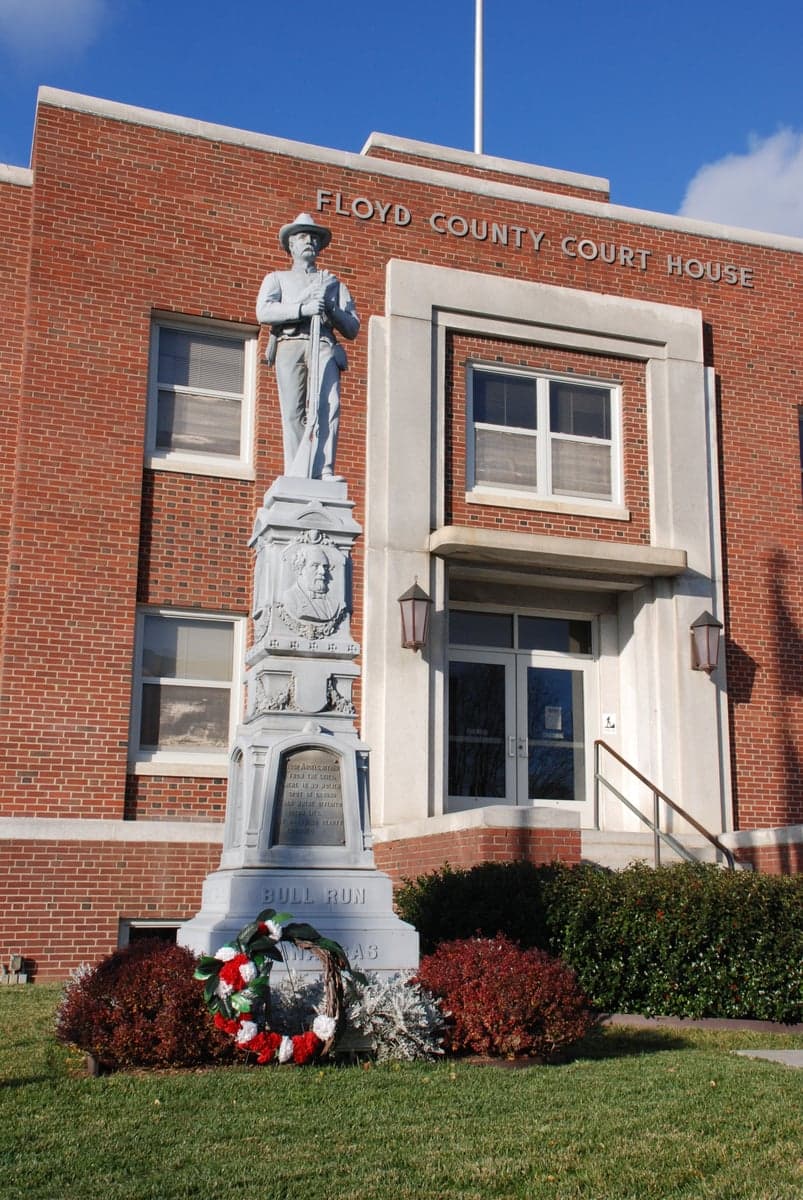
Photo: Wikipedia
Strategic Assessment of Floyd, VA
Workable tactical position. Some exposure to population density or targets, but generally defensible in a crisis.
What does the Strategic Assessment tell us?
Our Strategic Assessment grades tactical survivability of an area. Major population centers, military targets, fallout zones, natural disasters, and border exposure all drive risk — lower exposure means a more defensible position in a crisis.
This is heavily inspired by Joel Skousen's Strategic Relocation book. Highly recommended you checkout the book ($)What does this tell us?
Our Strategic Assessment grades tactical survivability of an area. Major population centers, military targets, fallout zones, natural disasters, and border exposure all drive risk — lower exposure means a more defensible position in a crisis.
This is heavily inspired by Joel Skousen's Strategic Relocation book. Highly recommended you checkout the book ($)Strategic Pillars
Key Distances
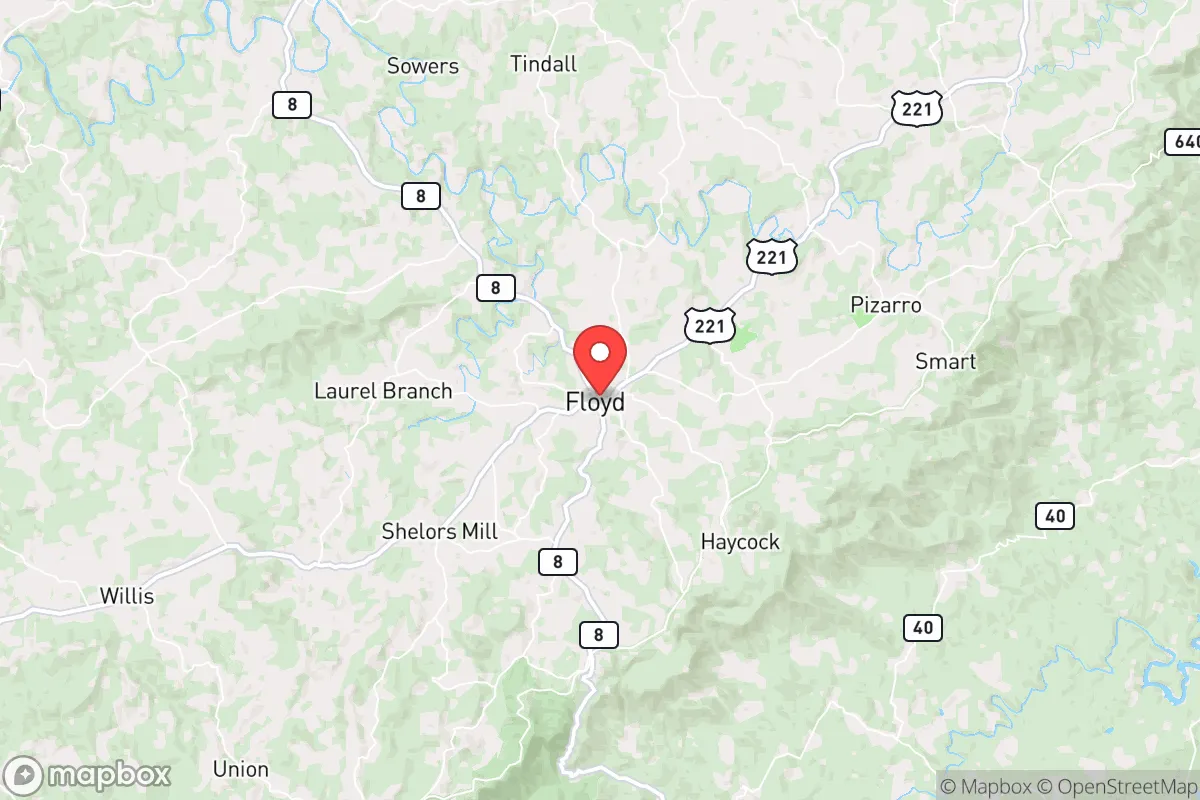
Regional Safe Places
Below is our recommended "safe zones" in Virginia and the surrounding area based on our strategic heuristics. For most people, it's unrealistic to live in a “safe zone” full-time due to work, family or other personal reasons. They tend to be more rural. However, many of these areas are perfect for second homes and retreat properties that double as a vacation home or even a short-term rental.
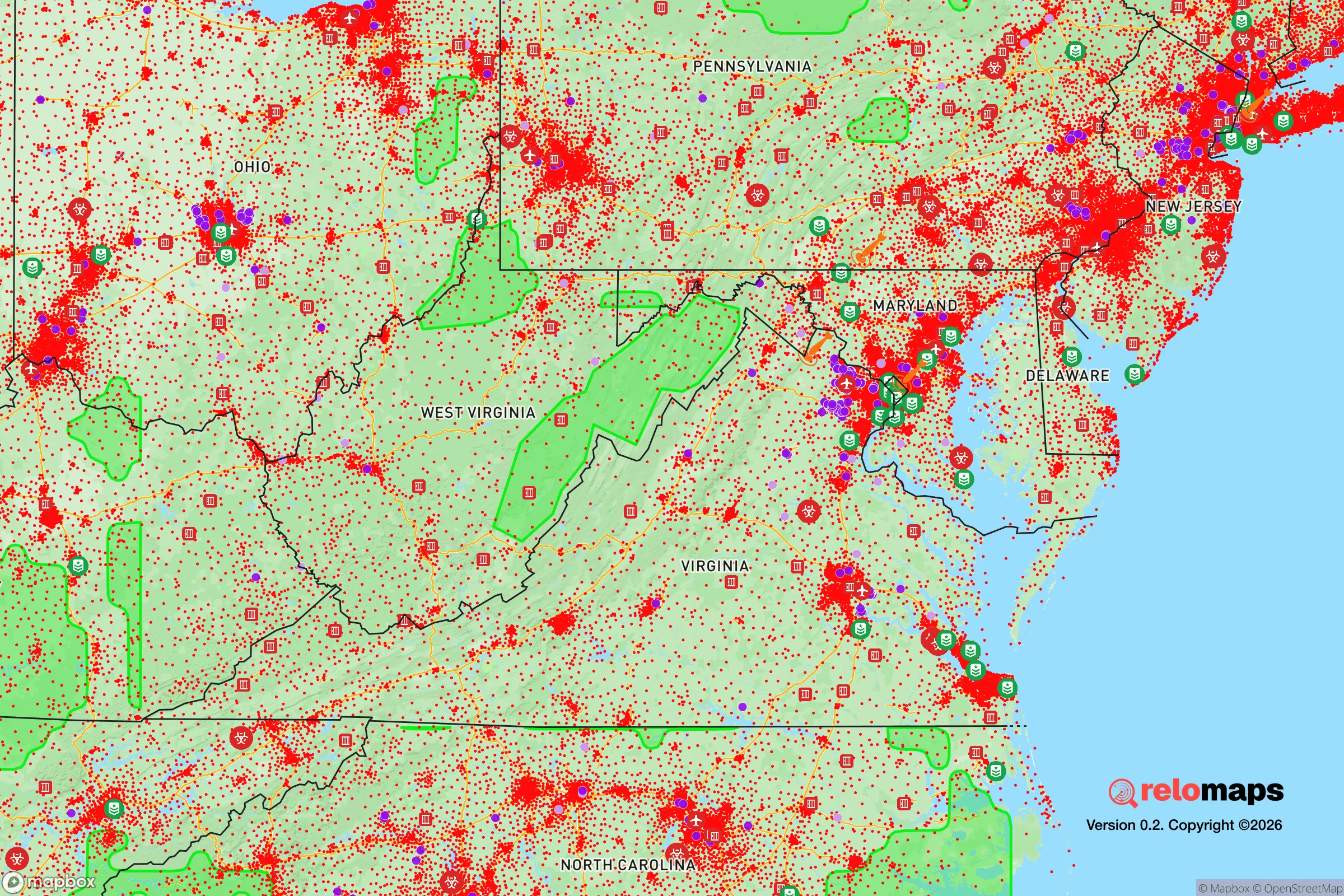
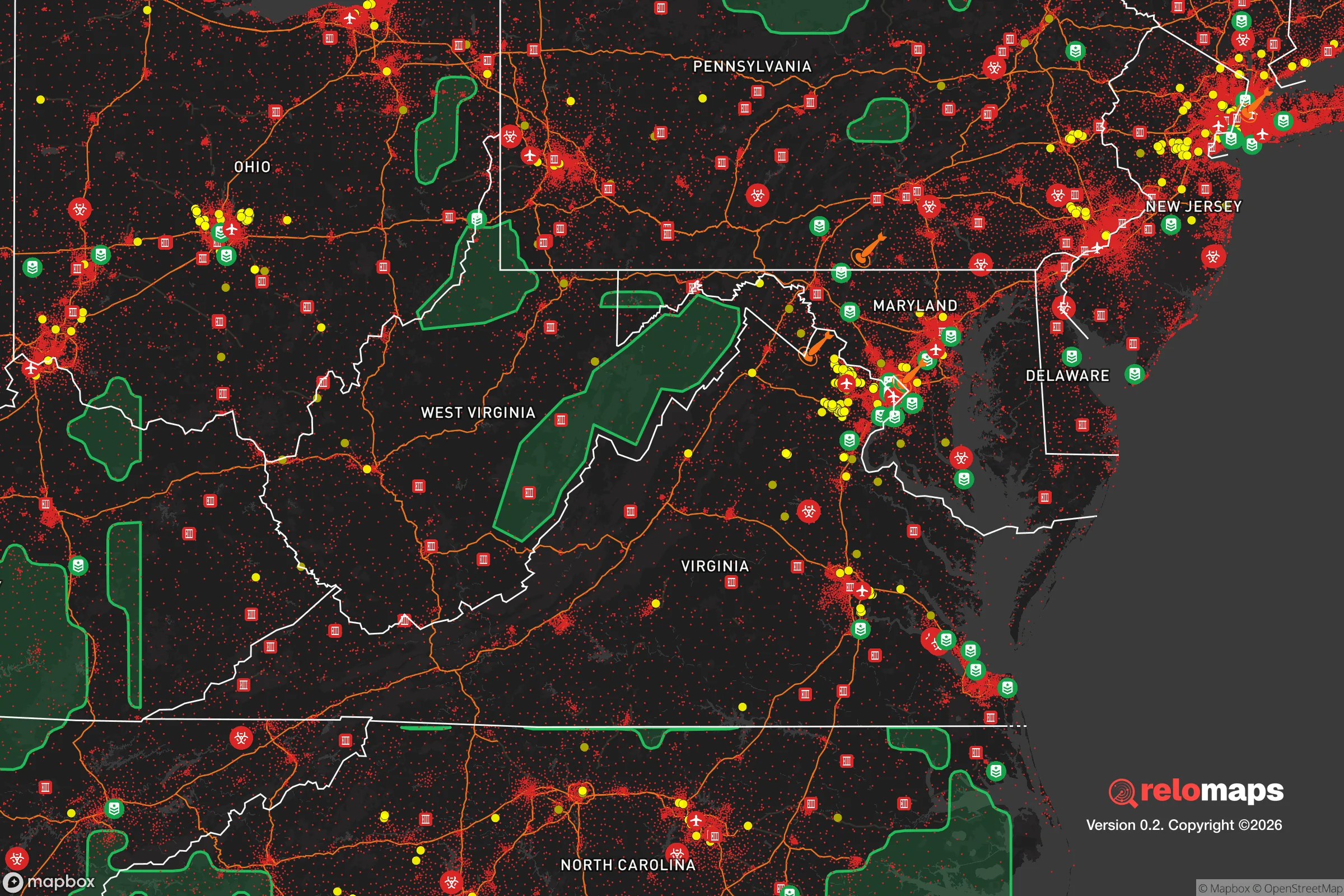


Important Note: For informational purposes only. This does not mean nothing bad ever happens in the green zones. Please use common sense. This is based on public data and modeled with AI. We tried to take a conservative approach but mistakes happen. We update this regularly as new information becomes available.
Solar Generator Recommendations
Backup power matters more here than in safer locations. We've picked three solar generators across budgets and capacity tiers — start with the budget unit if you only need a few essentials, or step up if you want to run a fridge and HVAC for days at a time.
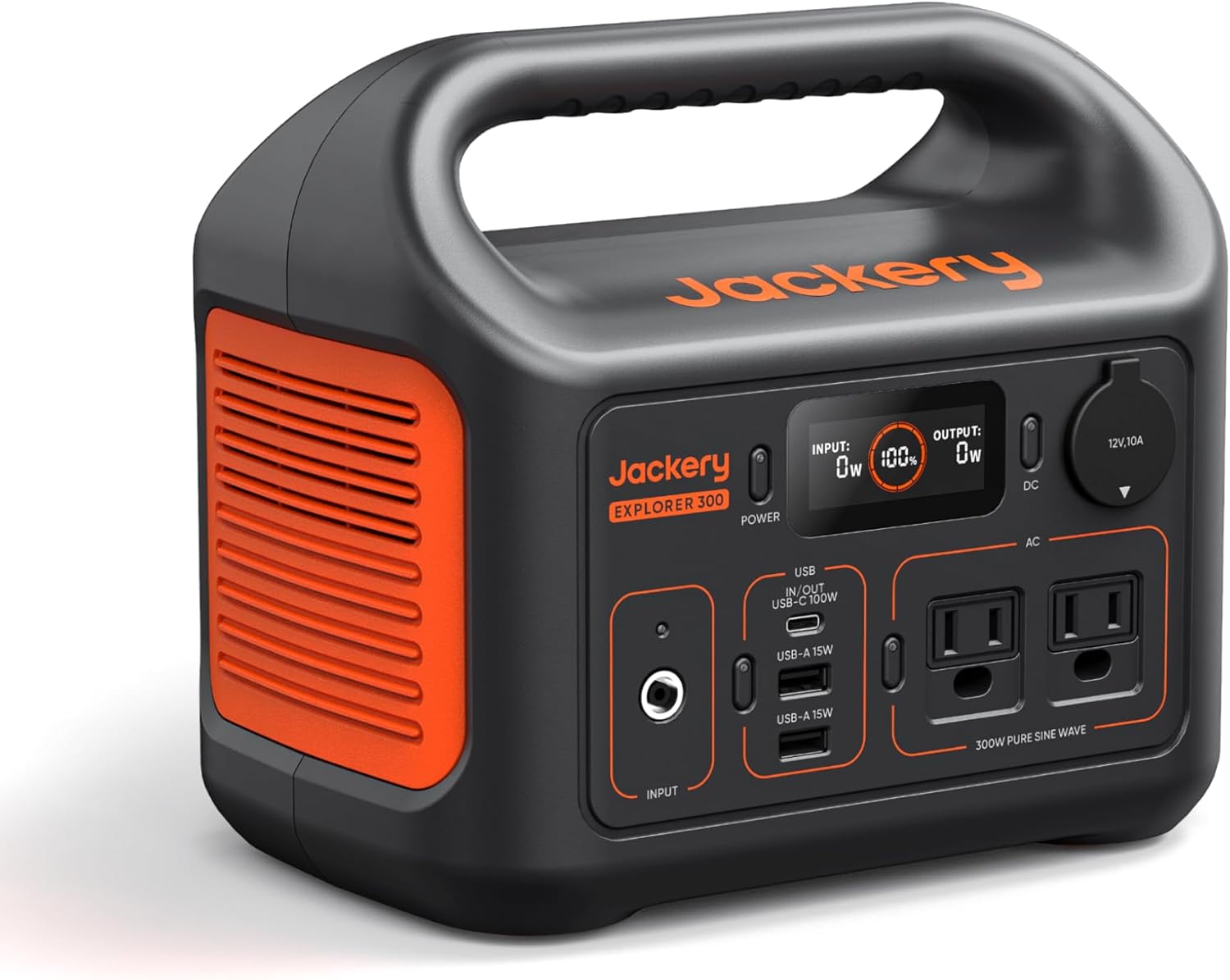
Jackery Portable Power Station Explorer 300
Budget OptionPower on the Go: Weighing only 11 lbs, it's convenient to set up and store with book-sized foldable solar panels

BLUETTI Portable Power Station AC180
Designed for both indoor and outdoor scenarios, AC180 is highly capable as it has a robost capacity and continuous output power.

EF ECOFLOW DELTA Pro Ultra Power Station
Upgraded PickEcoFlow DELTA Pro Ultra is a whole-home energy system designed to grow with your family. Integrated with the Smart Home Panel 2, it scales to meet your evolving energy needs — keeping your home powered, intelligent, and secure through every stage of life.
We earn a commission, at no additional cost to you.
Strategic Assessment Analysis
Floyd, Virginia, punches well above its weight as a resilience play, and the numbers back it up. Sitting at roughly 2,500 feet in the Blue Ridge Mountains, the town and surrounding Floyd County offer a combination of elevation, distance from major metropolitan targets, and a working agricultural base that makes it a serious contender for anyone thinking about disaster readiness. It is not a bug-out fantasyland, but a functional, livable county where self-sufficiency is still a practical, everyday reality rather than a weekend hobby.
Geographic position and natural advantages for long-term security
Floyd County’s strategic value starts with its position in the Blue Ridge, roughly 50 miles southwest of Roanoke and about 80 miles from the Greensboro–Winston-Salem metro area. That distance matters. In a grid-down or fallout scenario, the county sits outside the immediate blast and thermal zones of any major population center, and prevailing westerly winds typically push airborne contaminants away from the higher elevations toward the Piedmont. The elevation itself is a defensive asset: the county’s ridgelines and valleys create natural chokepoints, and the terrain makes large-scale movement difficult for anyone without local knowledge.
The natural resource base is the real prize. Floyd County receives about 45 inches of rainfall annually, and unlike much of the drought-prone West or even the coastal plain, it has reliable surface water in the form of the Little River and numerous creeks and springs. The soils, while rocky in places, are workable, and the county has a genuine farming culture—not just hobby farms. The Floyd Farmers Market is one of the strongest in the region, and the surrounding countryside is dotted with working cattle operations, poultry houses, and vegetable growers. For a relocator, that means local food production is not a theoretical concept; it is the county’s economic backbone.
Climate resilience is another quiet advantage. The elevation moderates summer heat, and the county has not faced the kind of catastrophic wildfire risk seen in the western U.S. or the hurricane storm-surge threats of the coast. Winter storms are manageable, and the county’s road crews are experienced with mountain weather. The main natural hazard is the occasional ice storm or flash flood in low-lying hollows, but these are localized and rarely disrupt the county as a whole.
Risks, exposures, and proximity to fallout-relevant landmarks
No location is risk-free, and Floyd has its own set of exposures that a serious planner should weigh. The most significant is the county’s dependence on external supply chains for fuel, medical supplies, and manufactured goods. Floyd is not a manufacturing hub; it is a rural service and agricultural economy. In a prolonged disruption, the county would be better positioned than most to feed itself, but it would still need diesel for tractors and trucks, and the nearest major medical center is Carilion Roanoke Memorial, about an hour away by car.
In terms of man-made risks, the proximity to Roanoke and the I-81 corridor cuts both ways. I-81 is a major freight artery, and in a crisis it could become a funnel for refugees fleeing the cities. Floyd is not directly on the interstate, but it is accessible via U.S. 221 and Virginia 8, and those roads could see significant traffic if a regional evacuation were ordered. The county’s distance from nuclear power plants is a plus—the nearest is North Anna, roughly 180 miles to the east—and there are no major military installations or chemical plants in the immediate vicinity. The primary fallout risk would come from a strike on the D.C.–Richmond–Hampton Roads corridor, and even then, the Blue Ridge would provide substantial shielding. The more realistic threat is economic: a prolonged recession or supply-chain collapse would hit a rural county hard, as its tax base is narrow and its population is aging.
One underappreciated risk is the county’s reliance on a single major employer—the school system and the county government—for a large share of local jobs. If state funding were disrupted, the local economy would feel it quickly. That said, the county’s small size (roughly 15,000 residents) means that community networks are tight, and mutual aid is a cultural norm rather than a bureaucratic formality.
Practical resilience for a relocator: food, water, energy, and defensibility
For a relocator serious about self-sufficiency, Floyd offers a rare combination of practical assets. Water is the first and most critical. Unlike many rural areas where wells are deep and expensive, Floyd’s groundwater is relatively accessible, and many properties have springs or creeks. A basic gravity-fed spring box or a shallow well with a hand pump can provide a reliable off-grid water supply. The county’s topography also allows for simple rainwater catchment, and the high rainfall makes storage a matter of tank size, not scarcity.
Energy is a mixed picture. The county is served by Appalachian Power, and outages are common during winter storms, so most long-term residents already have wood stoves and backup generators. Solar is viable, though the tree cover means site selection matters—a south-facing slope with clear exposure is worth paying a premium for. The county’s building codes are minimal, which is a double-edged sword: it makes off-grid construction easier, but it also means a relocator must be diligent about quality, as there is little regulatory oversight to catch shoddy work.
Food security is where Floyd truly stands out. The county has a genuine agricultural base, and a relocator with even a half-acre can produce a meaningful portion of their own calories. The growing season is short—about 150 days—but cool-weather crops thrive, and the county’s livestock culture means that meat, eggs, and dairy are available locally. The Floyd Farmers Market and the surrounding network of roadside stands provide a buffer against grocery-store dependence, and the county’s canning and preservation culture is still alive, with the Floyd County Agricultural Fair and local extension office offering regular workshops.
Defensibility is a function of terrain and community. The county’s ridges and hollows offer natural cover, and the low population density means that a prepared household is unlikely to be overwhelmed by sheer numbers. That said, Floyd is not a fortress. It is a working county with open roads and a friendly, trusting culture. A relocator should not expect to hole up in isolation; the strength of the area is in its networks—the volunteer fire departments, the churches, the farming cooperatives—that would be the first line of mutual aid in any crisis. The realistic posture is not armed resistance but quiet preparedness: a well-stocked pantry, a reliable water source, and good relationships with neighbors.
The overall strategic picture for Floyd is favorable, with caveats. It offers genuine geographic advantages—elevation, water, distance from major targets—and a working agricultural economy that most rural counties have lost. The risks are not catastrophic but chronic: supply-chain dependence, a narrow economic base, and the possibility of being overrun by urban refugees in a regional emergency. For a relocator who is willing to invest in infrastructure—a well, a solar array, a wood stove, a deep pantry—and to integrate into the local community, Floyd is one of the more defensible and sustainable locations in the eastern United States. It is not a place to disappear; it is a place to belong, and that belonging is the most underrated resilience asset of all.

* Values derived from national, state, county, city and local statistics and may differ in a specific area. Last updated: 2026-10-13T18:25:56.000Z
Narrative content on this page is AI-generated and may contain mistakes. Verify any details that matter before acting on them.
ReloMaps may earn a commission from affiliate links at no extra cost to you.

