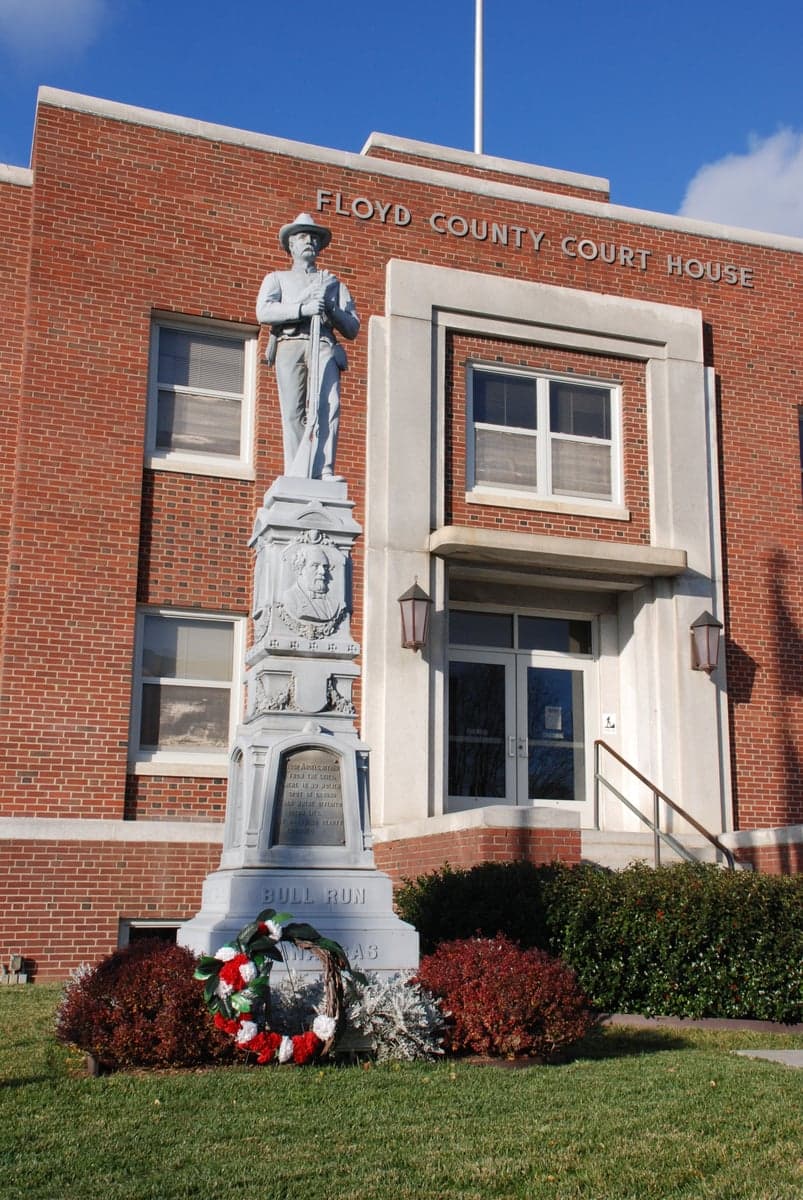
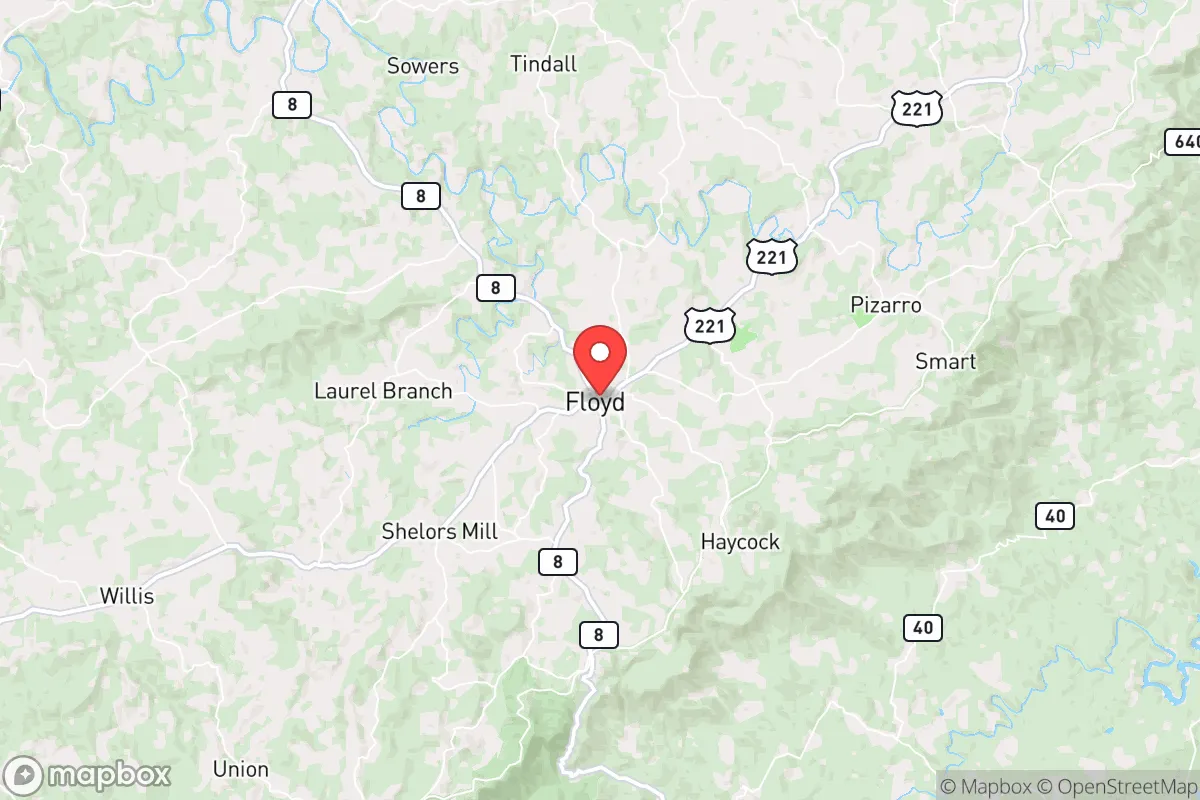
Photo: Wikipedia
Quality of Life in Floyd, VA
A high quality of life with strong walkability, manageable living costs, healthy neighborhood signals, and solid amenity access.
What does Quality of Life tell us?
Quality of Life blends cost of living, nearby amenities, socioeconomic signals, and neighborhood character. City-level scores represent the whole municipality; individual neighborhoods can differ.
What does this tell us?
Quality of Life blends cost of living, nearby amenities, socioeconomic signals, and neighborhood character. City-level scores represent the whole municipality; individual neighborhoods can differ.
Cost of Living
29% below national average
The Real Cost of Living in Floyd, VA for 2026
| Tier | Individual | Family (4) |
|---|---|---|
| Survival | $11k | $22k |
| Comfortable | $47k | $68k |
| Luxury | $113k+ | $174k+ |
| Elite (Top 5%) | $135k+ | $210k+ |
91%
The Area Signal
A metric tracking the socioeconomic signals of the area.
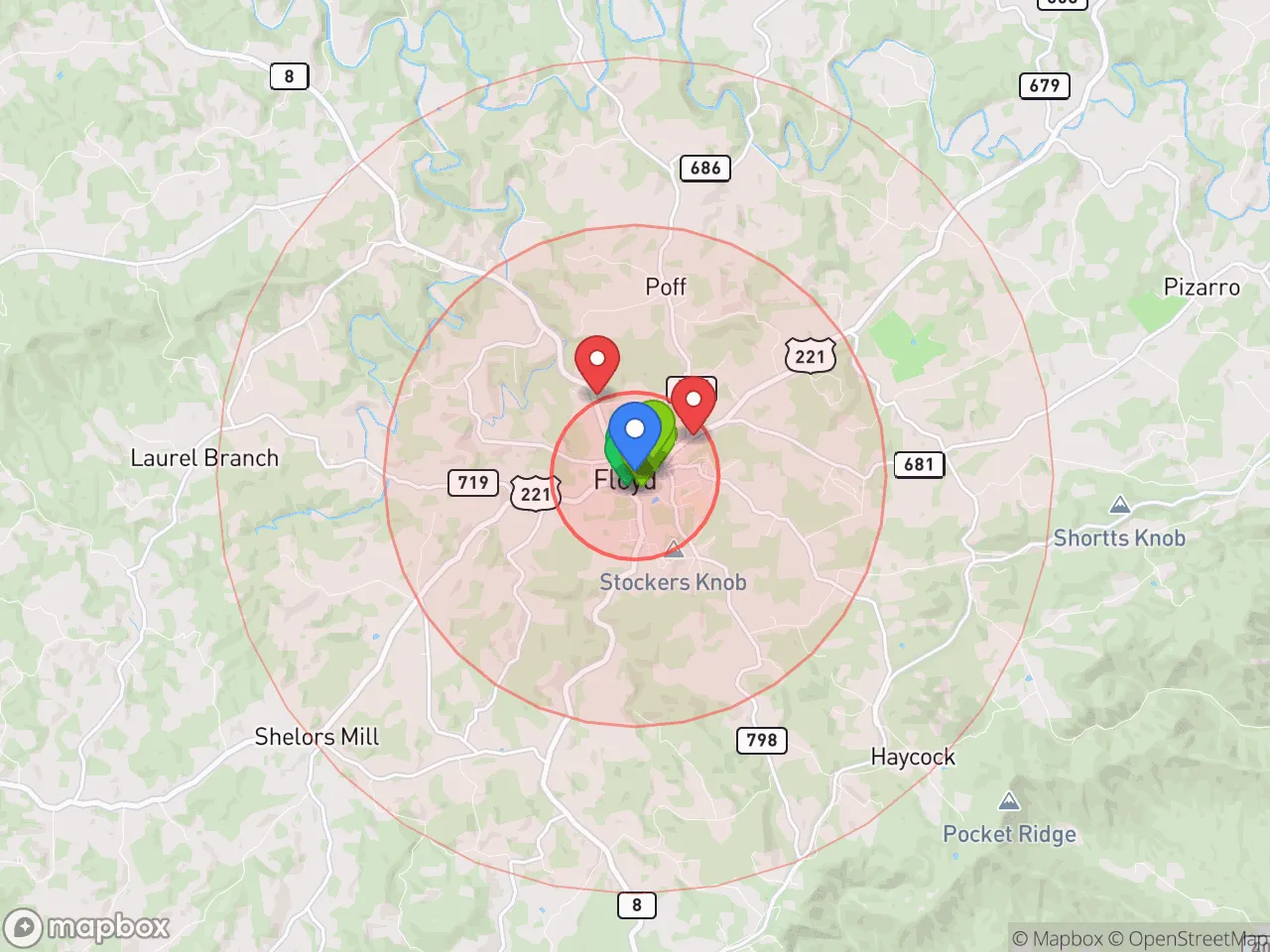
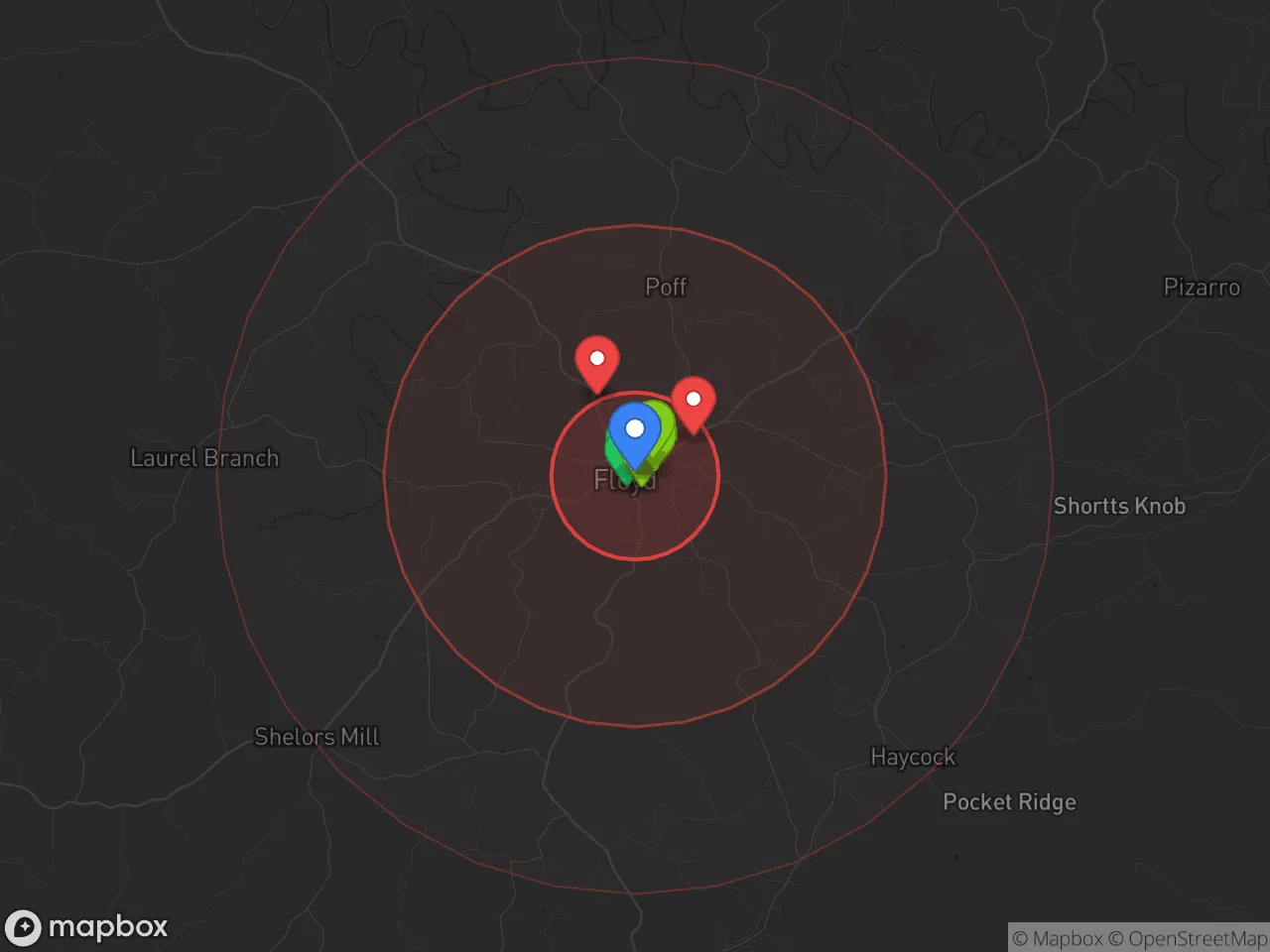
Hobbies
Explore the areaGroceries
0 within 10 miles
Gas
0 within 10 miles
Hospital
0 within 20 miles
Airport
RDU — Raleigh–Durham International
Post Office
Critical Amenities
Quality-of-Life Analysis
Floyd, Virginia, offers a cost of living that is strikingly low for the Blue Ridge region, with a composite index of 71 (29 percent below the U.S. average), yet its housing market tells a more nuanced story than the headline number suggests. The town of roughly 450 residents sits at the center of Floyd County (population about 15,800), a place that has become a magnet for artists, retirees, and remote workers drawn to the Blue Ridge Parkway and the famous Floyd Country Store. The result is a community where longtime farming families mix with newcomers from Northern Virginia, Washington D.C., and the Carolinas, creating a demographic blend that shapes everything from school enrollment to weekend traffic on U.S. 221.
How housing costs and affordability compare to nearby towns
The median home value in Floyd is $239,800, which is noticeably higher than the broader Floyd County median of roughly $210,000 but still well below the Virginia statewide median of about $350,000. For context, comparable mountain towns like Blacksburg (home to Virginia Tech) carry median home values near $380,000, while Christiansburg sits around $300,000. Renters fare far better: the median rent in Floyd is just $717 per month, compared to approximately $1,150 in Blacksburg and $1,000 in Christiansburg. That rental gap makes Floyd one of the most affordable places to rent in the New River Valley, though inventory is thin — most rentals are single-family homes or duplexes rather than apartment complexes. The affordability advantage erodes somewhat for buyers, because the limited housing stock (roughly 60 homes sold in the town itself in the past year) means properties often sell quickly, sometimes above asking, to out-of-state buyers seeking second homes or retirement properties.
Amenities, schools, and the rhythm of daily life
Daily life in Floyd revolves around a compact walkable downtown that punches well above its weight for a town of this size. The Floyd Country Store hosts the Friday Night Jamboree, a weekly bluegrass and old-time music event that draws hundreds of visitors year-round, while the nearby Jacksonville Center for the Arts anchors a working-artist community with studios and classes. For groceries and everyday errands, residents rely on the Food Lion on U.S. 221 and the Floyd Farmers Market (May through October), but most major shopping trips require a 27.5-minute average commute — typically to Christiansburg or Blacksburg, where Walmart, Target, and the New River Valley Mall are located. Floyd County Public Schools serve the area with three elementary schools, one middle school, and Floyd County High School, which enrolls about 600 students and offers a well-regarded agricultural program. The school system's student-teacher ratio of roughly 14:1 is better than the state average, though families seeking specialized programs often look to the magnet-style options in Roanoke, about 45 minutes north. The pace of life is decidedly slow: most businesses close by 6 p.m., the biggest weekly event is the farmers market on Saturday morning, and the dominant sound is often the creek running through the center of town.
Floyd is best suited for people who want genuine small-town living with a creative, countercultural edge — not for those who need urban conveniences or a fast-paced social calendar. Retirees, artists, and remote workers with flexible schedules will find the low cost of living and natural beauty compelling, while families should weigh the limited after-school options and the 27-minute drive to larger employment centers. The town's affordability is real, but it comes with trade-offs: fewer healthcare specialists than Roanoke, a thin rental market, and a social scene that revolves around music and outdoor recreation rather than restaurants or nightlife. For the right person — someone who values community over convenience and mountain views over mall access — Floyd offers a quality of life that money alone cannot buy elsewhere in Virginia.

Crime in Floyd, VA
Generally safer than 61% of comparable U.S. locations.
Violent CrimeViolent Crime Analysis
Property CrimeProperty Crime Analysis
Crime Analysis
Floyd, Virginia, presents a mixed safety picture: its violent crime rate of 210.4 incidents per 100,000 residents sits below the national average, but its property crime rate of 1,344.2 per 100,000 runs notably higher than both state and national benchmarks. For a town of roughly 500 residents in Floyd County, these statistics translate into a low-volume crime environment where individual incidents can skew annual rates dramatically. The county seat's rural Blue Ridge setting and tourism-driven economy shape a safety profile that differs meaningfully from Virginia's urban centers.
Crime in context
Floyd's violent crime rate of 210.4 per 100,000 is approximately 40% lower than the U.S. average of roughly 380 per 100,000, and it compares favorably to Virginia's statewide rate of about 240 per 100,000. However, the property crime rate of 1,344.2 per 100,000 exceeds the national average of approximately 1,950 per 100,000 only modestly—but it runs well above Virginia's statewide property crime rate of about 1,100 per 100,000. The gap between Floyd's violent and property crime figures is typical of rural communities, where theft and vandalism—often targeting vehicles, outbuildings, and vacation rentals—occur more frequently than person-to-person violence. Floyd County as a whole reports even lower violent crime rates than the town itself, with most serious incidents concentrated along the U.S. 221 corridor and near the downtown commercial district.
What residents experience
Residents of Floyd most commonly encounter property crimes rather than violent offenses. Vehicle break-ins, package theft, and burglaries of unoccupied homes are the recurring complaints logged with the Floyd County Sheriff's Office, which provides primary law enforcement for the town. The seasonal influx of tourists visiting the Floyd Country Store and the Friday Night Jamboree brings temporary crowds, and petty theft from parked cars spikes during festival weekends. Violent crime is rare enough that local news coverage treats an assault or robbery as a significant event. The town's proximity to larger jurisdictions—Christiansburg and Blacksburg lie about 25 miles east—means Floyd does not face the gang-related or drug-market violence seen in Virginia's metropolitan statistical areas. Notably, Floyd operates under the 23rd Judicial Circuit's commonwealth's attorney, and the town has not experienced the policy debates over progressive prosecution that have affected larger Virginia cities like Richmond or Fairfax; local sentencing practices align with traditional rural Virginia norms.
Neighborhood-level variation in Floyd is modest but discernible. The historic downtown core, with its mixed residential-commercial zoning, sees the highest incidence of petty theft and occasional vandalism, while the outlying residential streets and farm properties report more burglaries of sheds and workshops. The newer subdivisions east of town, populated largely by retirees and remote workers, experience the lowest crime rates, with residents citing active neighborhood watch participation. As with any rural community, homes on secluded roads with long sightlines to neighbors face higher burglary risk than those on well-traveled streets. Prospective residents should weigh Floyd's low violent crime rate against its elevated property crime numbers, and take standard precautions—motion-sensor lighting, secure outbuildings, and participation in the county's alert system—to mitigate the risks that do exist.
* Values derived from national, state, county, city and local statistics and may differ in a specific area. Last updated: 2026-10-13T18:25:56.000Z
Narrative content on this page is AI-generated and may contain mistakes. Verify any details that matter before acting on them.
ReloMaps may earn a commission from affiliate links at no extra cost to you.

