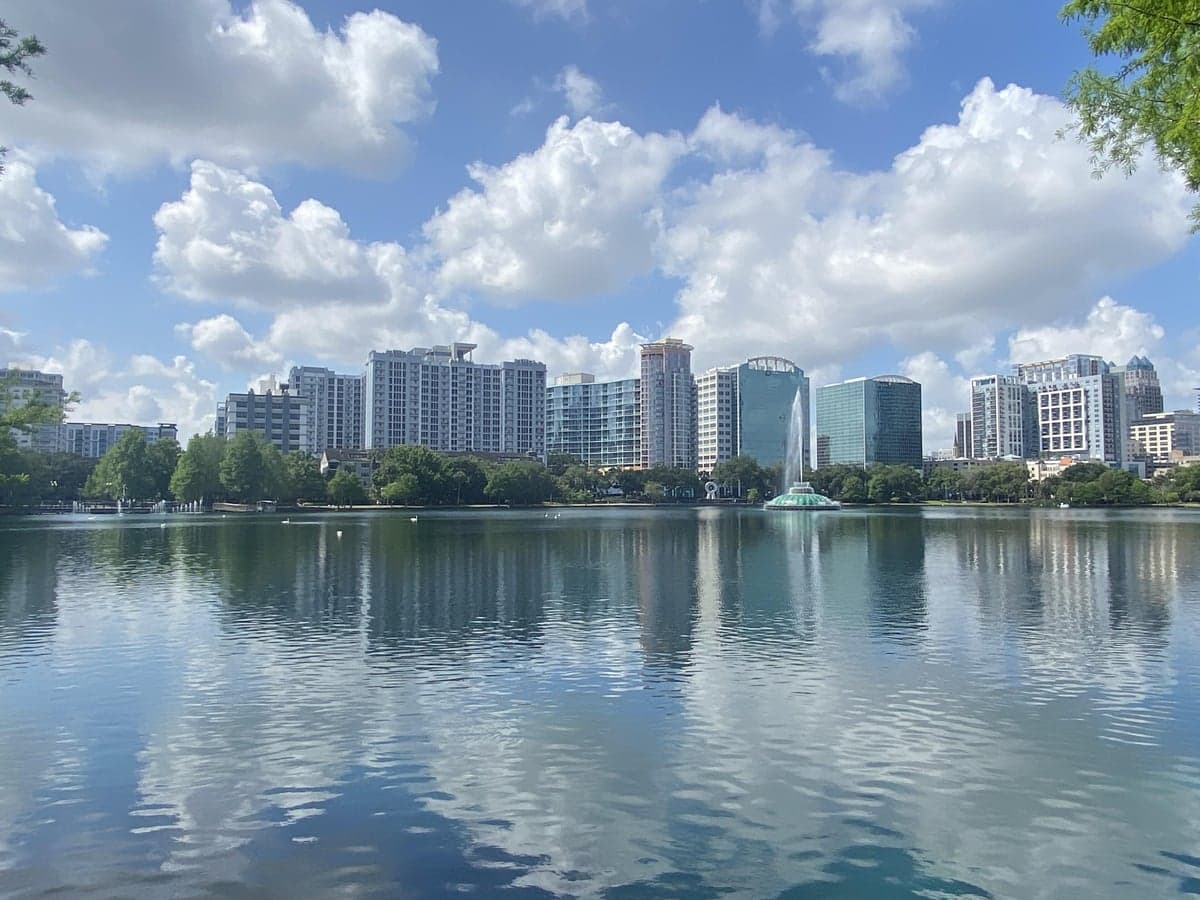
Photo: Wikipedia
Personal Sovereignty in Orange County
Viable for self-reliance. Generally workable, though some barriers may limit total independence.
What does Personal Sovereignty tell us?
Personal Sovereignty measures your capacity for self-reliance and independence with minimal government friction. Higher scores mean fewer barriers between you and the way you want to live... but it assumes you have the space you need and good neighbors.
What does this tell us?
Personal Sovereignty measures your capacity for self-reliance and independence with minimal government friction. Higher scores mean fewer barriers between you and the way you want to live... but it assumes you have the space you need and good neighbors.
State Policy
Energy independence: Importer (10% of energy produced in-state)
Personal Liberty
Homesteading

Personal Liberty Analysis
Orange County, Florida, presents a complex landscape for personal sovereignty that demands careful scrutiny from those prioritizing autonomy. While the state of Florida has earned a reputation as a bastion of individual liberty under Governor Ron DeSantis, the reality within Orange County—home to Orlando and its sprawling metro area—is far more nuanced, with local governance often clashing with state-level protections. For the conservative-leaning individual or parent evaluating relocation, the county offers a mixed bag: strong state preemption on certain fronts, but persistent local overreach in taxation, zoning, and regulatory enforcement that can erode the self-reliant lifestyle many seek.
Tax burden and regulatory posture in Orange County vs. surrounding areas
Florida's lack of a state income tax is a significant draw, but Orange County's local tax burden is among the highest in the state. The combined sales tax rate in unincorporated Orange County and cities like Orlando and Winter Park is 7.5% (6.5% state plus 1% county discretionary surtax), which is the maximum allowed under state law. Property taxes are also elevated: the county's millage rate for 2025 is approximately 4.75 mills for general operations, plus additional levies for schools and special districts, pushing effective rates above 20 mills in some areas like Windermere and Dr. Phillips. This is notably higher than in neighboring Osceola County (Kissimmee) or Lake County (Clermont), where rates can be 15-20% lower. Regulatory posture is similarly aggressive—Orange County has adopted stringent building codes, stormwater management rules, and environmental overlay districts that can double permitting timelines and costs for new construction or renovations. For example, the Econlockhatchee River and Wekiva River protection zones impose severe restrictions on land clearing, septic systems, and impervious surfaces, effectively blocking many self-reliant property improvements in rural pockets like Christmas or Bithlo. The county's comprehensive plan also mandates urban growth boundaries that concentrate development, making it harder to secure permits for detached workshops, accessory dwelling units, or agricultural structures on smaller lots.
Self-defense and gun law specifics in Orange County's legal climate
Florida's constitutional carry law (effective July 1, 2023) allows permitless concealed and open carry for anyone 21 or older who can legally possess a firearm, and Orange County must comply with this state preemption. However, local enforcement attitudes and practical barriers vary significantly. In Orlando and Winter Park, police departments have been known to aggressively enforce "no gun" signage on private property, and the city of Orlando maintains a gun buyback program that some view as an implicit attack on the Second Amendment. The county's stand-your-ground statute is fully in effect, but prosecutors in Orange County—particularly under State Attorney Monique Worrell (suspended in 2023 but replaced by Andrew Bain, a more conservative appointee)—have historically been less willing to grant immunity in self-defense claims compared to rural counties like Marion or Lake. For the prepper-minded, this means that while you can legally carry in most public spaces (excluding schools, courthouses, and airports), you may face greater legal scrutiny if you ever need to use a firearm defensively. The county also has a high density of "gun-free zones" due to theme parks (Disney, Universal) and large entertainment venues, which can complicate daily carry for those who frequent these areas. For a more gun-friendly environment within the county, consider the unincorporated areas near Apopka or Ocoee, where sheriff's deputies are more supportive of firearm rights and local ordinances are less restrictive.
Self-reliance and homesteading viability: lot sizes, zoning, and off-grid feasibility
True homesteading within Orange County is challenging due to dense zoning and small lot sizes in most residential areas. The county's minimum lot size for single-family homes in urban service areas is typically 5,000 to 7,500 square feet, with many subdivisions enforcing HOAs that ban chickens, goats, beekeeping, and front-yard gardens. However, there are pockets where self-reliance is more feasible. In the rural eastern areas like Christmas and Bithlo, zoning allows for agricultural use on parcels as small as 1 acre, and you can keep livestock (horses, cattle, poultry) without special permits. The Zellwood area near Lake Apopka has larger lots (1-5 acres) with a history of muck farming, though soil quality is poor for traditional gardening. Off-grid feasibility is severely limited: Florida building codes require connection to the electrical grid for new construction, and solar panels must be grid-tied unless you obtain a variance (rarely granted). Rainwater collection is legal but restricted to non-potable uses, and well permits are tightly controlled in the eastern aquifer recharge zones. For the prepper seeking true independence, Orange County is not ideal—you are better off looking at Lake County (e.g., Umatilla, Astatula) or Osceola County (e.g., Holopaw, Kenansville), where zoning is looser and off-grid living is more tolerated. Within Orange County, the best bet is a rural parcel in the Econlockhatchee River corridor, but expect heavy regulatory oversight from the county's environmental protection division.
Personal liberties: parental rights, medical autonomy, speech, and property
Florida has been a national leader in protecting parental rights, with the Parental Rights in Education Act (HB 1557) and the expanded Don't Say Gay law (2023) giving parents more control over school curricula and medical decisions. Orange County Public Schools (OCPS), however, has been a flashpoint for resistance. The district's school board, currently dominated by progressive members, has attempted to circumvent state law by maintaining LGBTQ+ resource centers and gender-affirming care policies that conflict with state statutes. For conservative parents, this means constant vigilance—school board meetings in Orlando and Winter Park have been contentious, with parents reporting hostility when raising concerns about curriculum transparency or critical race theory. Medical autonomy is similarly mixed: Florida banned COVID-19 vaccine mandates and mask mandates in schools, but Orange County's health department and major hospital systems (Orlando Health, AdventHealth) have been aggressive in promoting public health measures that some view as overreach. Speech protections are strong under Florida's anti-SLAPP laws and the state's ban on "deplatforming" by social media companies, but local governments in Orange County have been known to restrict political speech at public meetings through time limits and content-based rules. Property rights are protected by the state's Private Property Rights Protection Act (2005), but Orange County's comprehensive plan allows for "downzoning" and increased density without compensation, a practice that has drawn lawsuits from landowners in Meadow Woods and Southchase. For the sovereignty-minded, the county's liberal enclaves—Orlando proper, Winter Park, Maitland—are the most hostile to traditional values, while the rural and suburban fringes (Apopka, Ocoee, Christmas) offer a more aligned environment.
Overall, Orange County provides a baseline of personal sovereignty thanks to Florida's state-level protections, but it falls short of the autonomy found in more conservative counties like Lake, Marion, or Polk. The local government's progressive tilt, high taxes, and restrictive zoning create friction for those seeking a truly self-reliant lifestyle. For the prepper or survivalist, Orange County is a compromise: you can legally carry a firearm, keep your children out of objectionable curricula, and avoid income tax, but you will pay a premium for property, face regulatory hurdles for homesteading, and navigate a local culture that often views personal sovereignty as a threat. If maximum autonomy is your goal, look to the rural counties north and west of Orlando; if you must be in Orange County for employment or family reasons, target the unincorporated areas and smaller towns where state preemption still holds sway and local overreach is minimized.

* Values derived from national, state, county, city and local statistics and may differ in a specific area. Last updated: 2026-05-08T23:18:01.000Z
Narrative content on this page is AI-generated and may contain mistakes. Verify any details that matter before acting on them.
ReloMaps may earn a commission from affiliate links at no extra cost to you.

