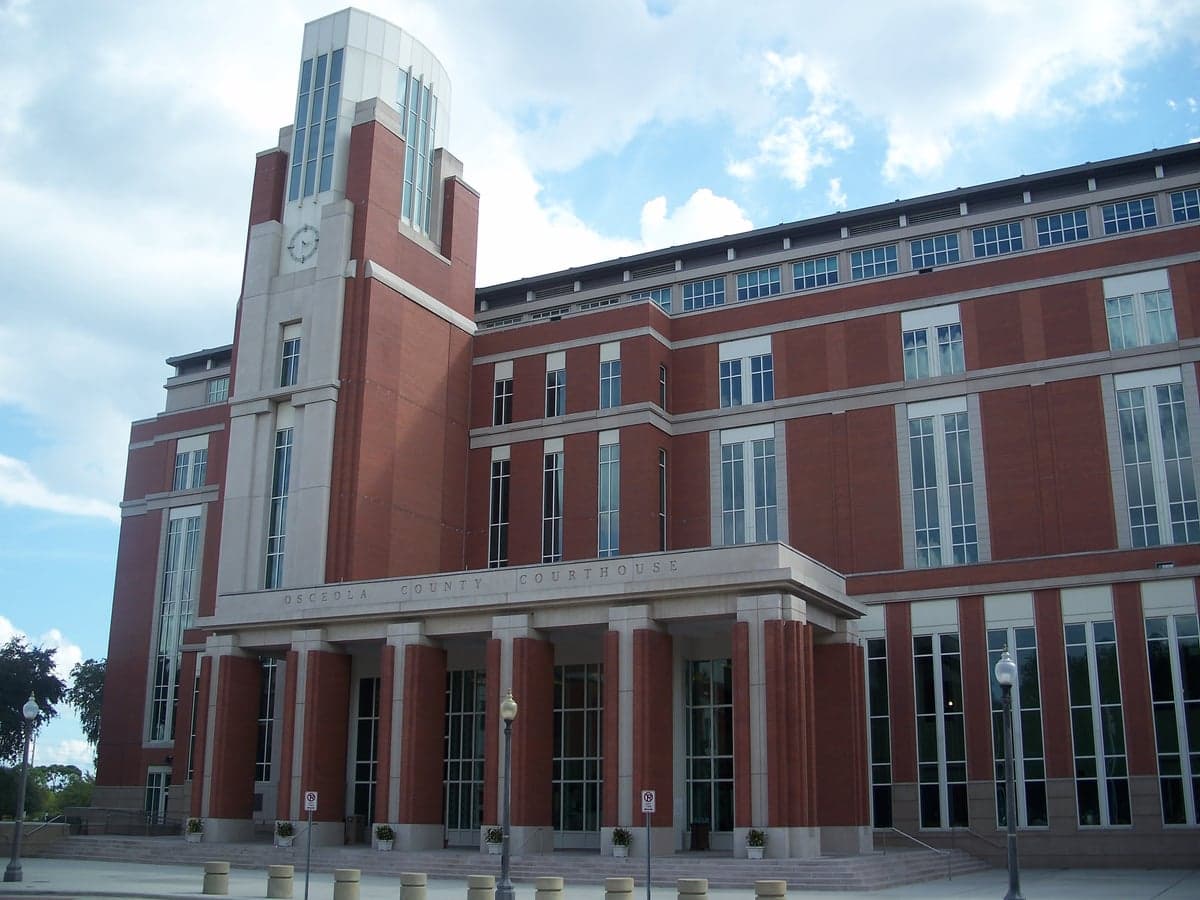
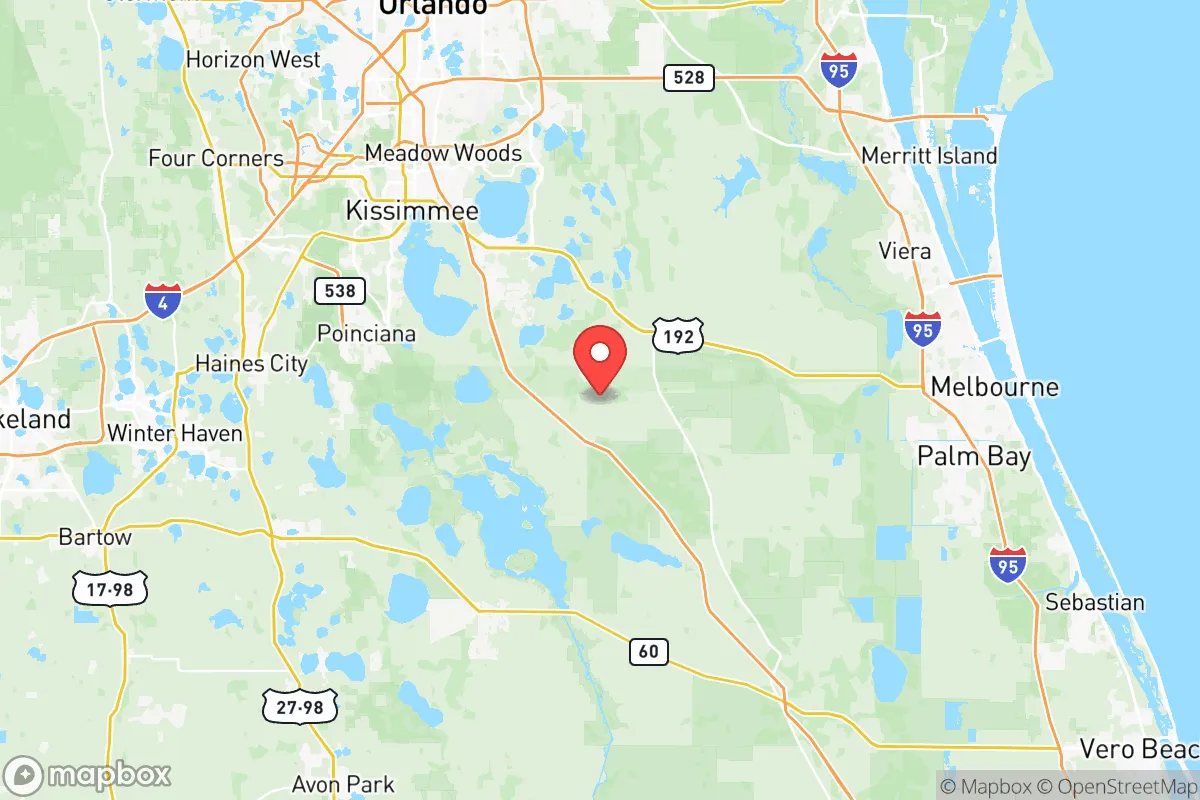
Photo: Wikipedia
Find The Best Places To Live in Osceola County
PRO TIP! You can paste a Zillow or Redfin link to get info on that property.
Best Places to Live in Osceola County
Cities & Towns in Osceola County
Cities in Osceola County
What It's Like Living in Osceola County, FL
Living in Osceola County means trading the breakneck pace of downtown Orlando for a more grounded, family-oriented rhythm, where the theme park crowds thin out and real Florida takes over. The county stretches from the suburban sprawl of Kissimmee—still close enough to hear the distant roar of roller coasters—through the quieter, equestrian-focused town of St. Cloud, and into the rural cattle country around Kenansville. It’s a place where a Friday night might mean a high school football game in Celebration or a sunset boat ride on Lake Tohopekaliga, and where the cost of living index of 130 (30% above the national average) feels like a compromise for being near the action without living in it.
Daily Rhythm: Suburbs, Ranchers, and the Commute to I-4
For most residents, the day starts with a commute that averages just over 35 minutes—a reality of living in a county that’s both a bedroom community for Orlando and a hub for its own tourism workforce. People in Kissimmee often work in the hospitality industry at Walt Disney World or Universal, while those in St. Cloud might drive west to the medical centers or east to the Space Coast. The median age of 37 and median household income of $68,711 point to a population that’s largely in the thick of raising kids and building careers, not the transient, young-adult energy you’d find closer to downtown Orlando. Weekends are spent at the local Publix, grabbing breakfast at a spot like the Catfish Place in St. Cloud, or hitting the sprawling Osceola County Stadium complex for a youth soccer tournament. The area’s identity is deeply tied to family life—schools like Harmony High and St. Cloud High are community anchors, and the school calendar often dictates the social rhythm more than any major festival does.
Sports, Community, and the Local Identity
High school sports are a genuine cultural force here, not just a pastime. Friday-night football at St. Cloud High’s field draws crowds that rival some small-college games, and the rivalry between Osceola High and Harmony High is the kind of thing that gets discussed at church potlucks and barbershops. For pro sports, residents are split between Orlando City SC (soccer) and the Orlando Magic, but the real local passion is for the outdoors. Lake Toho is famous for its bass fishing tournaments, drawing anglers from across the country, and the county’s many parks—like the 1,000-acre Shingle Creek Regional Park—offer hiking, kayaking, and a glimpse of the Florida that existed before the theme parks. The annual Osceola County Fair in Kissimmee is a genuine community gathering, not a tourist trap, with livestock shows, carnival rides, and a sense of small-town pride that feels surprising for a county of over 400,000 people.
What’s There to Do: Beyond the Theme Parks
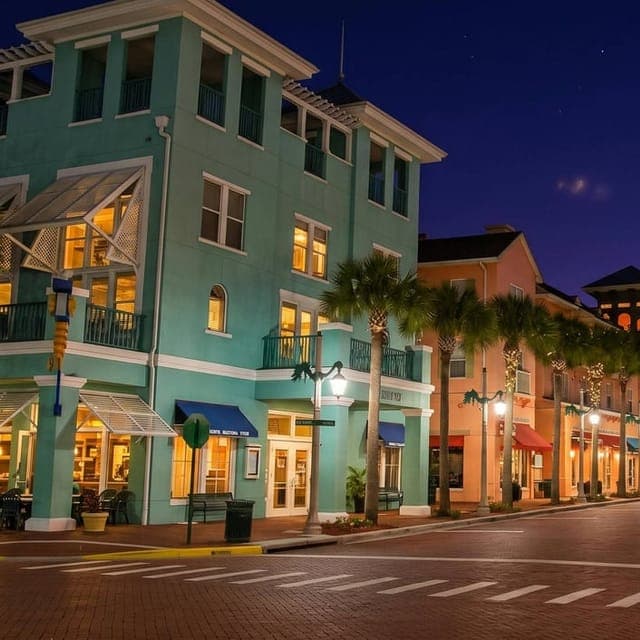
While the theme parks are an obvious draw, locals know the real entertainment lies in the county’s own fabric. The downtown Kissimmee lakefront has been revitalized with a boardwalk, restaurants, and a Saturday morning farmers market that’s more about local honey and fresh produce than souvenir t-shirts. In St. Cloud, the historic downtown along Pennsylvania Avenue has a walkable, small-town feel with antique shops and a classic diner, the St. Cloud Diner, where the waitresses know your order. For a night out, the bars in Celebration—a planned community built by Disney—offer a polished, pedestrian-friendly vibe, while the more rustic spots in Kenansville cater to the cowboy crowd. The county’s cultural quirks include a strong Puerto Rican and Latin American influence, especially in Kissimmee, which gives the food scene a distinct edge: you’ll find authentic mofongo and lechón as readily as fried catfish. The median home value of $317,600 is a major talking point—it’s more affordable than Orange County to the north, but still a stretch for many locals, which fuels a sense of “we got in while we could” among longtime residents.
Pros and Cons of Living Here
The honest trade-offs are worth laying out. On the upside, the violent crime rate of 207 per 100,000 is lower than the national average, and the schools—while not top-tier—are deeply integrated into community life. The weather is classic Florida: hot, humid summers with afternoon thunderstorms, and mild winters that make outdoor living possible year-round. The downside is the traffic on I-4 and US-192, which can turn a 20-minute errand into an hour-long slog during tourist season. The cost of living index of 130 means housing and groceries are noticeably higher than the national norm, and the 28.3% college-educated rate reflects a workforce that’s more service-oriented than white-collar. Locals also grumble about the lack of a major hospital in the eastern part of the county—St. Cloud residents often drive to Kissimmee or Orlando for specialized care. But for the family that wants a house with a yard, good schools that feel like community hubs, and the ability to be at Disney Springs in 20 minutes or on a fishing boat in 10, Osceola County offers a real, lived-in Florida that the tourist brochures don’t capture.

* Values derived from national, state, county, city and local statistics and may differ in a specific area. Last updated: 2026-06-17T02:16:29.000Z
Narrative content on this page is AI-generated and may contain mistakes. Verify any details that matter before acting on them.
ReloMaps may earn a commission from affiliate links at no extra cost to you.

