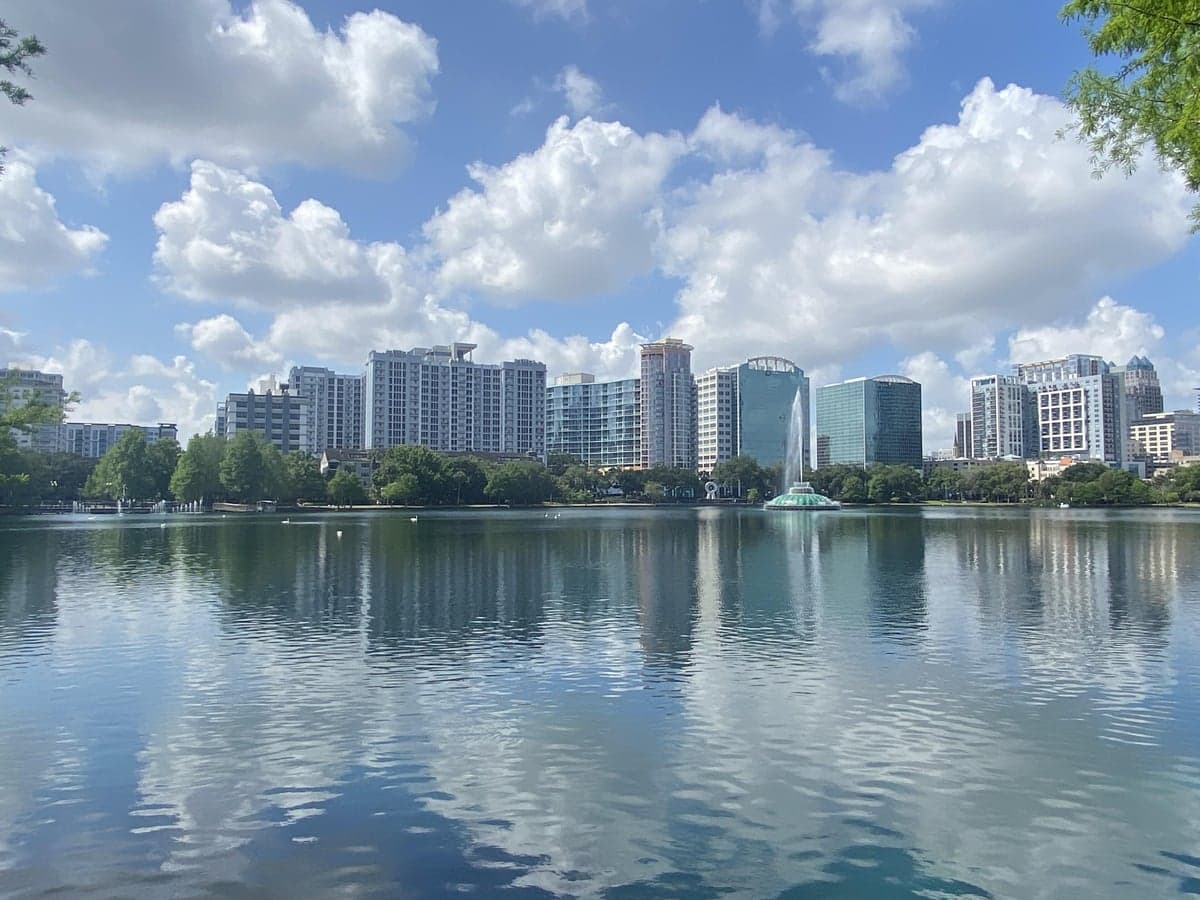
Photo: Wikipedia
Strategic Assessment of Orange County
Multiple tactical vulnerabilities. Population density, target proximity, or disaster risk are likely compounding. A retreat property and exit planning is required.
What does the Strategic Assessment tell us?
Our Strategic Assessment grades tactical survivability of an area. Major population centers, military targets, fallout zones, natural disasters, and border exposure all drive risk — lower exposure means a more defensible position in a crisis.
This is heavily inspired by Joel Skousen's Strategic Relocation book. Highly recommended you checkout the book ($)What does this tell us?
Our Strategic Assessment grades tactical survivability of an area. Major population centers, military targets, fallout zones, natural disasters, and border exposure all drive risk — lower exposure means a more defensible position in a crisis.
This is heavily inspired by Joel Skousen's Strategic Relocation book. Highly recommended you checkout the book ($)Strategic Pillars

Key Distances
Strategic Assessment Analysis
Orange County, Florida, presents a complex strategic picture for the conservative prepper or survivalist family. On one hand, its central Florida location offers genuine resilience advantages—distance from coastal storm surge, a robust inland logistics network, and a massive, diversified economy that can absorb shocks. On the other hand, it sits squarely in the bullseye of hurricane alley, is home to the nation’s busiest tourist corridor, and contains infrastructure that would be a prime target during any major conflict or civil unrest scenario. For a relocator weighing long-term security against daily convenience, Orange County demands a clear-eyed, trade-off-aware assessment.
Geographic position and natural advantages for long-term stability
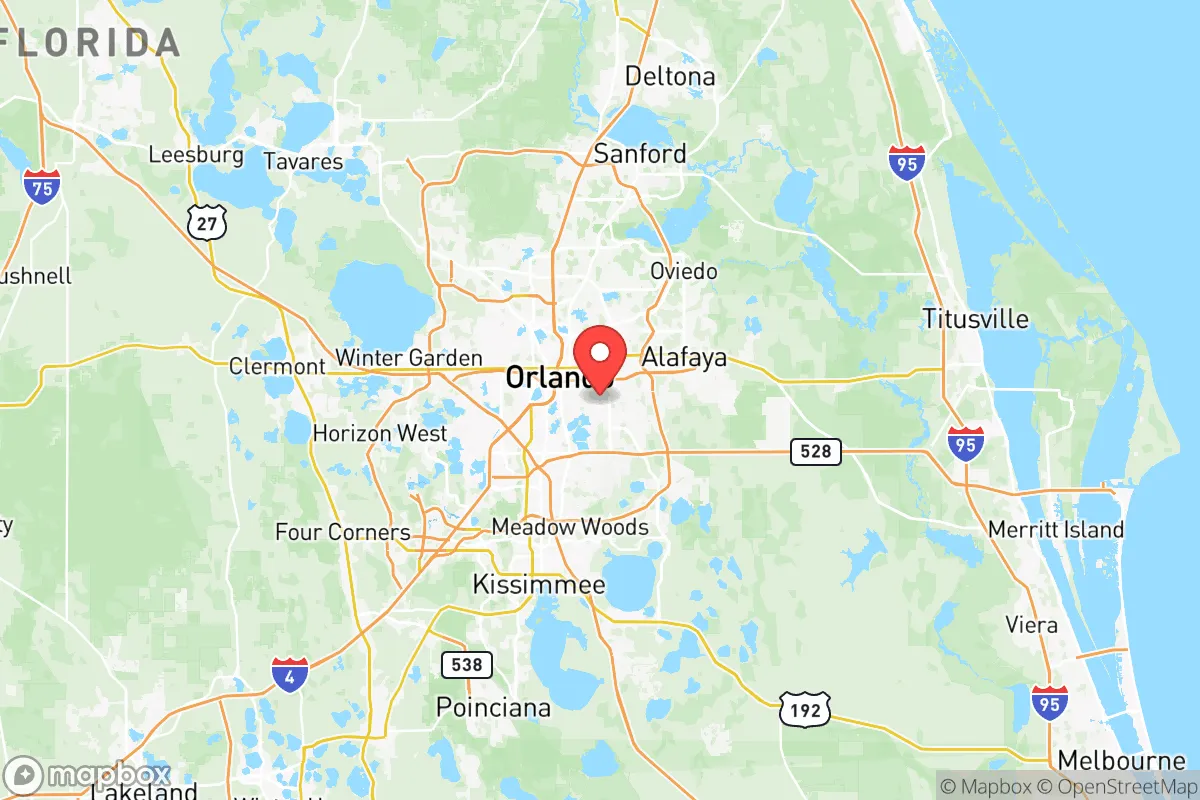
Orange County’s inland position is its single strongest natural asset. Unlike coastal counties like Brevard or Volusia, it is insulated from direct hurricane storm surge—the most destructive and life-threatening element of a tropical system. The county sits roughly 40 to 50 miles from the Atlantic coast and about 70 miles from the Gulf, meaning that even a Category 5 storm will have degraded significantly by the time it reaches downtown Orlando. The terrain is flat but well-drained, with the Wekiva River and Econlockhatchee River providing natural water sources and wildlife corridors. The area’s elevation, averaging around 100 feet above sea level, eliminates any flood risk from storm surge and makes it one of the more defensible lowland regions in the state. The climate supports year-round food production—citrus, vegetables, and even some grains can be grown with careful planning—and the water table is high enough that private wells are viable in many unincorporated areas like Bithlo or Christmas. For a family looking to establish a semi-rural homestead within commuting distance of urban resources, the county’s western and northern fringes offer affordable land with fewer restrictions than the urban core.
Risks, exposures, and proximity to high-value targets
Here is where the assessment turns sobering. Orange County is home to Orlando International Airport (MCO), one of the busiest in the world, and Orlando Sanford International Airport to the north. Both are obvious targets for any adversary seeking to disrupt U.S. transportation or tourism infrastructure. The county also contains the Naval Air Warfare Center Training Systems Division in central Orlando, a Department of Defense facility that develops simulation and training systems for the military. While not a nuclear weapons depot, it is a high-value soft target for sabotage or cyberattack. The Walt Disney World and Universal Orlando complexes, while economically vital, create a massive, dense civilian population that would be a primary target for any mass-casualty event—whether a coordinated attack, a biological release, or a civil disturbance that turns the tourist corridor into a humanitarian crisis zone. The Interstate 4 corridor, which bisects the county, is a chokepoint that would become impassable during any evacuation or unrest scenario. Additionally, the county’s proximity to Cape Canaveral Space Force Station (about 45 miles east) and the Port of Canaveral means that a kinetic event targeting those assets could produce secondary effects—electromagnetic pulse (EMP) disruptions, fallout from a missile strike, or a refugee surge—that would ripple directly into Orange County. For the survivalist, this is not a location to hunker down in during a national emergency; it is a location to have a bug-out plan for.
Practical resilience for a relocator: food, water, energy, and defensibility
On a day-to-day basis, Orange County offers decent practical resilience if you choose your neighborhood carefully. The St. Johns River Water Management District oversees abundant groundwater, and private wells are common in rural pockets like Zellwood and Plymouth. Rainwater catchment is straightforward given the annual rainfall of about 50 inches. The county’s energy grid is served by Duke Energy Florida and Orlando Utilities Commission, both of which have invested in grid hardening after the 2004 hurricane season, but the system remains vulnerable to extended outages from a major storm or an EMP event. Solar panels with battery storage are a wise investment here—the region gets over 230 sunny days per year. For food security, the county has a strong farmers market culture and a growing network of small-scale farms, particularly in the Horizon West and Lake Nona areas, though these are expensive suburbs. For a more self-sufficient setup, look to the unincorporated areas east of Orlando near the Little Big Econ State Forest, where land is cheaper and zoning is looser. Defensibility is a challenge: the county is flat, heavily populated (over 1.4 million residents), and crisscrossed by major highways. A rural property with a long driveway, a well, and a perimeter fence is possible but will cost a premium. The Orange County Sheriff’s Office is well-funded and professional, but during a breakdown of civil order, response times in outlying areas will stretch. The best strategy for a relocator is to buy a property with a defensible layout, store at least 90 days of supplies, and maintain a low profile. Avoid living within a mile of I-4, the tourist corridor, or any major government facility.
The overall strategic picture for Orange County is one of calculated trade-offs. It offers genuine natural advantages—inland location, abundant water, a long growing season, and a diversified economy that can weather recessions better than most. But it also sits in the shadow of some of the highest-value civilian and military targets in the southeastern United States. For a conservative family that values community, economic opportunity, and a mild climate, and that is willing to invest in a well-prepared rural property on the county’s periphery, Orange County can work as a long-term base. But it is not a retreat. It is a forward operating position—one that requires constant situational awareness, a solid bug-out plan for the worst-case scenarios, and a willingness to leave if the situation deteriorates beyond what local resources can handle. If you want a place to ride out the storm, look further north or west. If you want a place to live well while staying ready for the storm, Orange County deserves a careful look—but only with your eyes wide open.

* Values derived from national, state, county, city and local statistics and may differ in a specific area. Last updated: 2026-05-08T23:18:01.000Z
Narrative content on this page is AI-generated and may contain mistakes. Verify any details that matter before acting on them.
ReloMaps may earn a commission from affiliate links at no extra cost to you.

