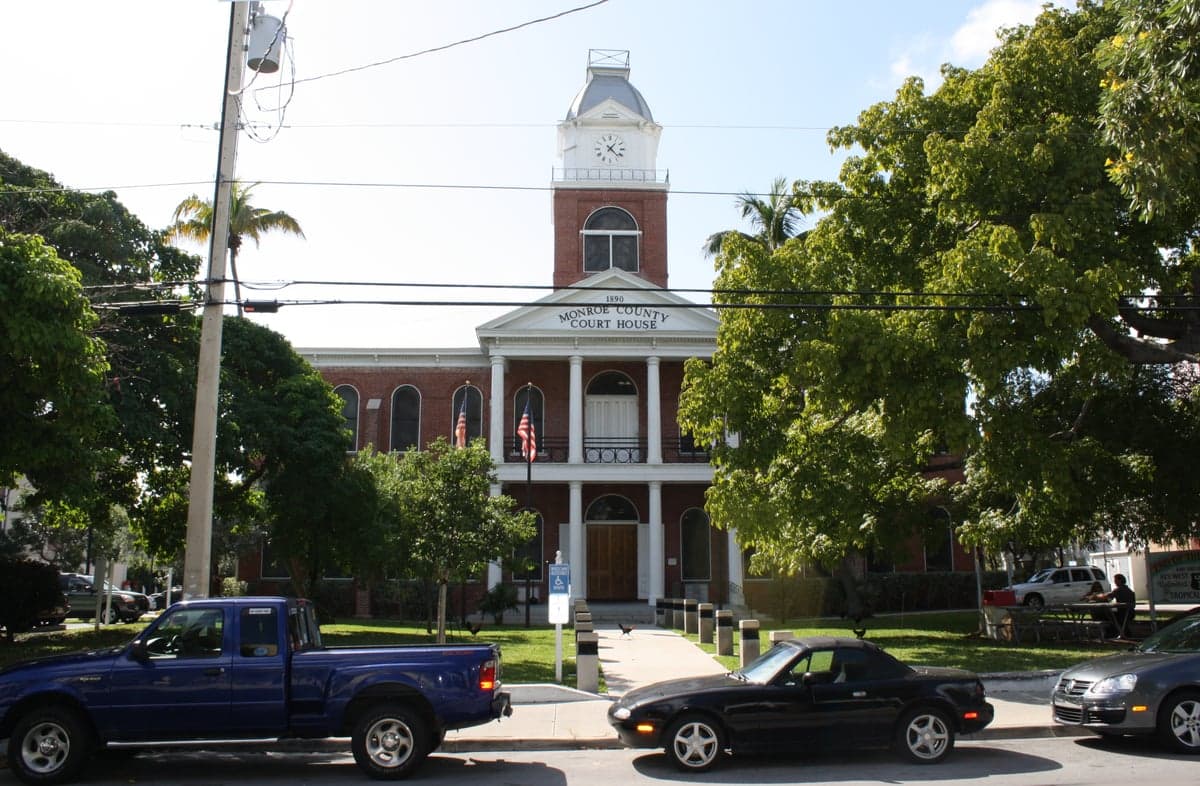
Photo: Wikipedia
Quality of Life in Monroe County
A livable area that tracks near national norms for affordability, walkability, and neighborhood health.
What does Quality of Life tell us?
Quality of Life measures an area by evaluating factors like cost of living, nearby amenities, country club access, airport proximity, socioeconomic signals and neighborhood character. For large states, this is a general average — quality of life can vary dramatically between metro areas, suburbs, and rural communities within the same state.
What does this tell us?
Quality of Life measures an area by evaluating factors like cost of living, nearby amenities, country club access, airport proximity, socioeconomic signals and neighborhood character. For large states, this is a general average — quality of life can vary dramatically between metro areas, suburbs, and rural communities within the same state.
Cost of Living
104% above national average
41%
The Real Cost of Living in Monroe County for 2026
| Tier | Individual | Family (4) |
|---|---|---|
| Survival | $31k | $59k |
| Comfortable | $136k | $201k |
| Luxury | $149k+ | $231k+ |
| Elite (Top 5%) | $235k+ | $365k+ |
Quality-of-Life Analysis
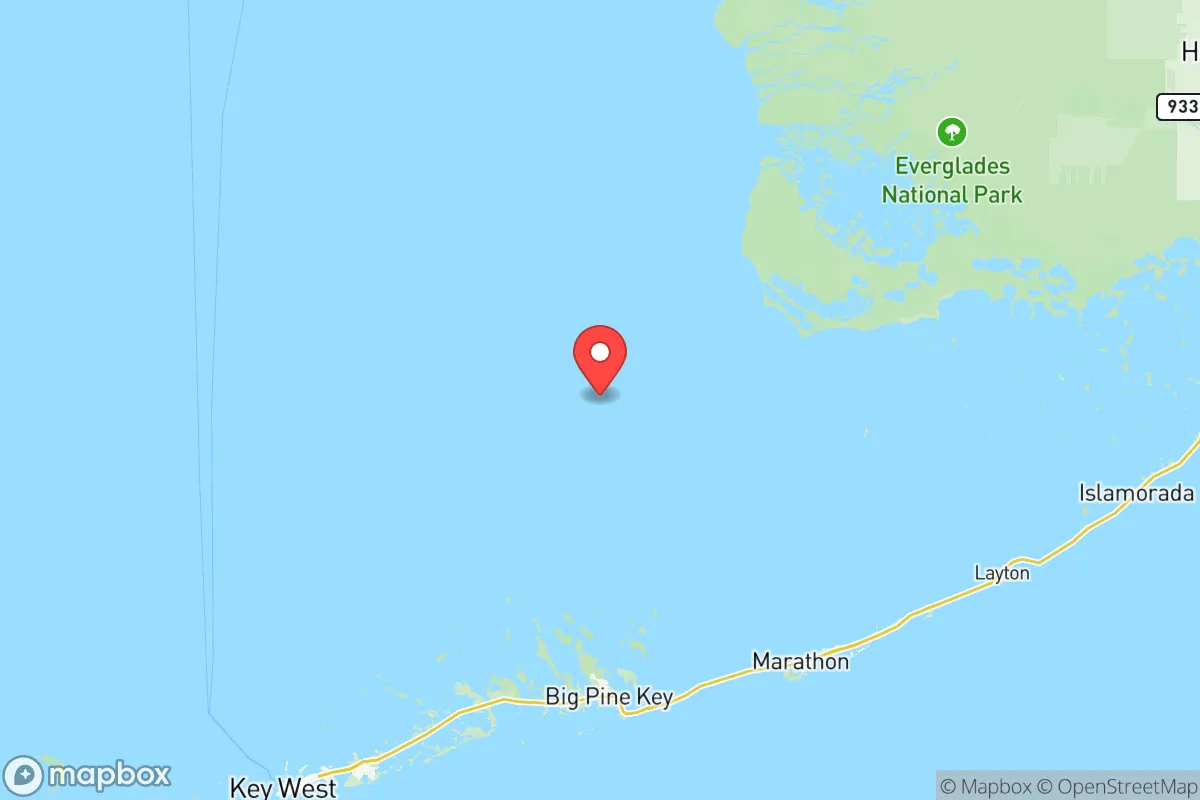
Monroe County, Florida, presents one of the most extreme quality-of-life spectrums in the state, ranging from the dense, tourist-driven streets of Key West to the quiet, off-grid fishing camps of the Everglades. The county’s 120-mile-long island chain draws two distinct populations: those seeking high-energy resort living with walkable nightlife, and those seeking solitude, water access, and a slower pace in unincorporated communities. With a cost of living index of 204—more than double the national average—and a median home value of $723,800, the lifestyle options are sharply divided by geography and budget.
Largest town(s) & population centers
Key West is the county’s only incorporated city with a population over 20,000 and its undisputed urban core. Daily life here is defined by Duval Street tourism, conch-style architecture, and a dense, walkable grid where many residents commute by bicycle or scooter. The average commute of 18.96 minutes is deceptively low because most workers live within a few miles of their jobs in hospitality, marine trades, or government. Key Largo and Islamorada, while smaller, function as the county’s secondary population centers, offering a more suburban feel with strip malls, dive shops, and waterfront restaurants. Marathon, in the Middle Keys, serves as a family-oriented hub with the county’s only hospital and a public school system that draws residents from outlying islands. These towns share a high cost of living—median rent is $1,959—but differ in pace: Key West is a 24-hour party town, while Islamorada markets itself as the “Sportfishing Capital of the World” with a quieter, nature-focused rhythm.
Smaller towns & rural pockets
Beyond the main tourist corridors, Monroe County contains several unincorporated communities that feel like entirely different worlds. Big Pine Key and No Name Key are rural residential areas where homes sit on large lots among protected Key deer habitat, with no chain hotels and limited commercial services. Sugarloaf Key and Cudjoe Key offer similar low-density living, often with private docks and gravel roads, attracting retirees and remote workers who prioritize space over convenience. On the mainland side of the county, Flamingo in Everglades National Park is a true outpost with fewer than 100 year-round residents, accessible only by a long drive through the park. The Upper Keys unincorporated areas like Tavernier and Plantation Key sit between Key Largo and Islamorada, offering older mobile home parks and modest single-family homes that provide the county’s most affordable housing—though still expensive by national standards. These rural pockets lack the amenities of the larger towns; residents often drive 20-30 minutes for groceries or medical care.
Cost & lifestyle range
The cost spread across Monroe County is dramatic. At the high end, Key West’s Old Town and Sunset Key command median home values well above the county’s $723,800 average, with many properties exceeding $2 million for a two-bedroom conch house. Lifestyle here is urban, walkable, and social, with world-class dining and entertainment steps away. At the low end, unincorporated areas of the Lower Keys like Summerland Key and Ramrod Key offer older homes and vacant lots in the $400,000–$600,000 range, where residents live with well water, septic systems, and no streetlights. The cost of living index of 204 means that even these “affordable” areas require a household income well above $100,000 to maintain a middle-class lifestyle. Renters face a median of $1,959, but in Key West, a one-bedroom apartment often rents for $2,500–$3,500. The lifestyle trade-off is clear: higher costs in the Keys buy convenience and community, while lower costs in the rural pockets buy space and quiet but require self-sufficiency and longer drives for basic services.
Monroe County is best suited for people who are deeply committed to a water-oriented lifestyle and can absorb the high cost of living. Retirees with significant savings, high-earning remote workers, and marine industry professionals thrive here, particularly in the Lower Keys where land is cheaper. Families often find the trade-offs difficult—schools are limited, and extracurricular activities require long drives. Those who value nightlife and urban density will gravitate to Key West, while those seeking a rural, off-grid existence will find their niche in the unincorporated islands between Marathon and Key West. The county’s extreme geography ensures that no single lifestyle dominates, but the price of entry is uniformly high across the entire spectrum.

Crime in Monroe County
Generally safer than 69% of comparable U.S. locations.
Violent CrimeViolent Crime Analysis
Property CrimeProperty Crime Analysis
Crime Analysis
Monroe County, Florida, presents a notably safe environment compared to both state and national averages, with violent crime rates significantly below the Florida average and property crime rates that, while higher than the violent crime figure, still fall well under the national benchmark. The county's unique geography—a chain of islands connected by the Overseas Highway—creates distinct safety dynamics, with the more populated and tourist-heavy areas like Key West experiencing different crime patterns than the quieter residential communities of Islamorada, Marathon, and the Upper Keys. Overall, the county's violent crime rate of 206.6 per 100,000 residents is roughly half the Florida average, while the property crime rate of 894.7 per 100,000 is about 30% lower than the national rate, making Monroe County one of the safer jurisdictions in the state for both residents and visitors.
Crime in context
When compared to Florida's statewide violent crime rate of approximately 380 per 100,000, Monroe County's figure of 206.6 per 100,000 represents a substantial safety advantage. This places the county in a favorable position relative to larger, more urbanized areas like Miami-Dade County, which consistently reports violent crime rates above 500 per 100,000. Property crime in Monroe County, at 894.7 per 100,000, is also notably lower than the national average of roughly 1,950 per 100,000. However, it is important to note that property crime—particularly theft from vehicles and burglaries targeting vacation rentals—can spike in tourist corridors such as Duval Street in Key West and the commercial districts of Marathon. The Florida Department of Law Enforcement data consistently shows that Monroe County's crime index is among the lowest in the state, a trend supported by the county's small year-round population (roughly 82,000) and the natural isolation of the Keys.
What residents experience
Residents of Monroe County generally report feeling safe in their daily lives, though experiences vary by location and time of year. In Key West, the county's largest city and primary tourist destination, residents contend with higher rates of petty theft, public intoxication, and occasional assaults linked to the nightlife economy. The Monroe County Sheriff's Office and Key West Police Department maintain a visible presence, but the influx of seasonal visitors can strain resources. In contrast, communities like Islamorada and the Lower Keys (including Big Pine Key and Sugarloaf Key) experience far fewer incidents, with crime largely limited to opportunistic property crimes. The judicial environment in Monroe County is a point of concern for some residents. The 16th Judicial Circuit, which covers Monroe County, has seen a trend toward progressive prosecution policies under State Attorney Dennis Ward, who has emphasized diversion programs and reduced incarceration for non-violent offenses. While this approach aims to reduce recidivism, critics argue it can lead to more property crimes and a revolving-door justice system for repeat offenders, particularly in Key West where the concentration of bars and transient populations creates a higher volume of low-level offenses. The county's small size means that local elections for sheriff, state attorney, and judges have outsized impacts on public safety policy.
Neighborhood-level variation is pronounced in Monroe County. The safest areas are generally the residential neighborhoods of Key Largo, Tavernier, and the unincorporated areas of the Middle Keys, where violent crime is rare and property crime rates are well below the county average. Key West's Old Town and the Stock Island area see higher concentrations of both violent and property crimes, driven by tourism density and economic disparities. Marathon, the county's second-largest population center, falls in the middle, with property crime rates that mirror the county average but violent crime rates that are slightly elevated due to a few concentrated blocks near the commercial strip. For families and retirees seeking the lowest crime risk, the Upper Keys (Key Largo to Islamorada) consistently report the best safety metrics, while those living in or near Key West should take standard urban precautions, such as securing vehicles and homes, especially during peak tourist season from December to April.
* Values derived from national, state, county, city and local statistics and may differ in a specific area. Last updated: 2026-06-13T07:11:33.000Z
Narrative content on this page is AI-generated and may contain mistakes. Verify any details that matter before acting on them.
ReloMaps may earn a commission from affiliate links at no extra cost to you.

