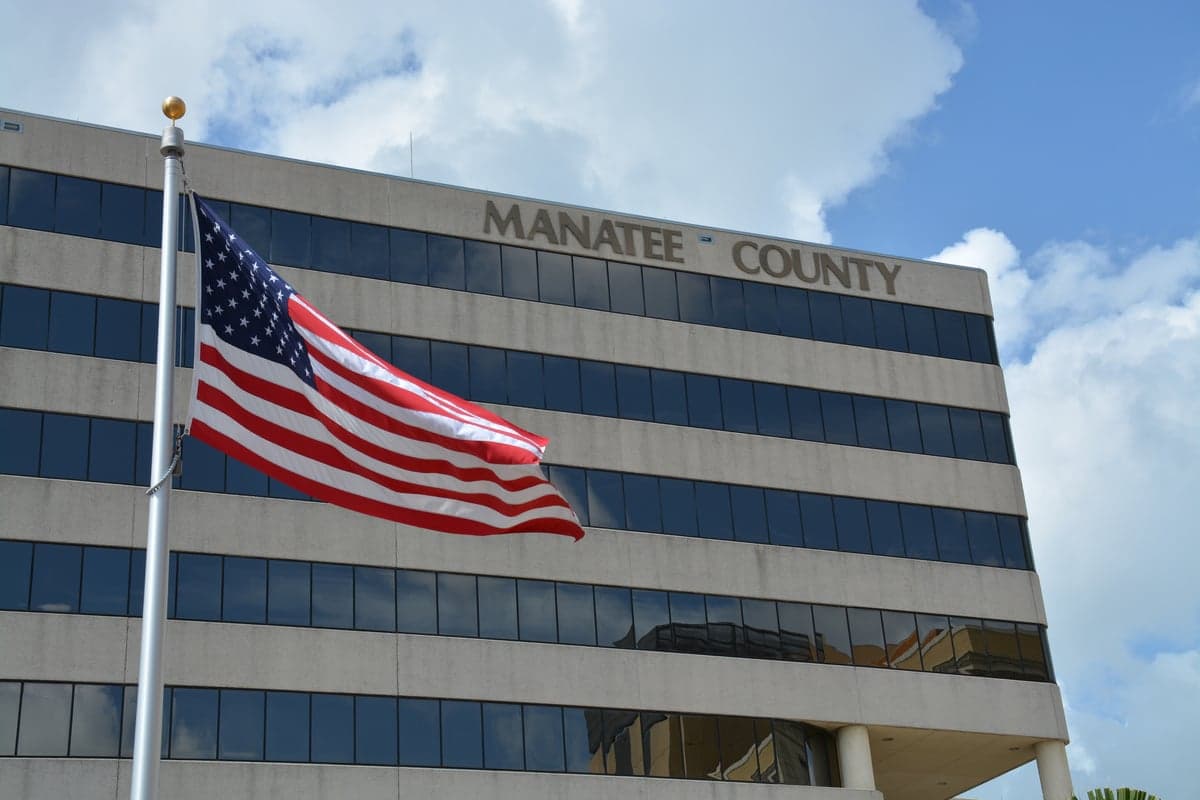
Photo: Wikipedia
Quality of Life in Manatee County
A livable area that tracks near national norms for affordability, walkability, and neighborhood health.
What does Quality of Life tell us?
Quality of Life measures an area by evaluating factors like cost of living, nearby amenities, country club access, airport proximity, socioeconomic signals and neighborhood character. For large states, this is a general average — quality of life can vary dramatically between metro areas, suburbs, and rural communities within the same state.
What does this tell us?
Quality of Life measures an area by evaluating factors like cost of living, nearby amenities, country club access, airport proximity, socioeconomic signals and neighborhood character. For large states, this is a general average — quality of life can vary dramatically between metro areas, suburbs, and rural communities within the same state.
Cost of Living
31% above national average
74%
The Real Cost of Living in Manatee County for 2026
| Tier | Individual | Family (4) |
|---|---|---|
| Survival | $25k | $46k |
| Comfortable | $70k | $103k |
| Luxury | $137k+ | $212k+ |
| Elite (Top 5%) | $178k+ | $276k+ |
Quality-of-Life Analysis
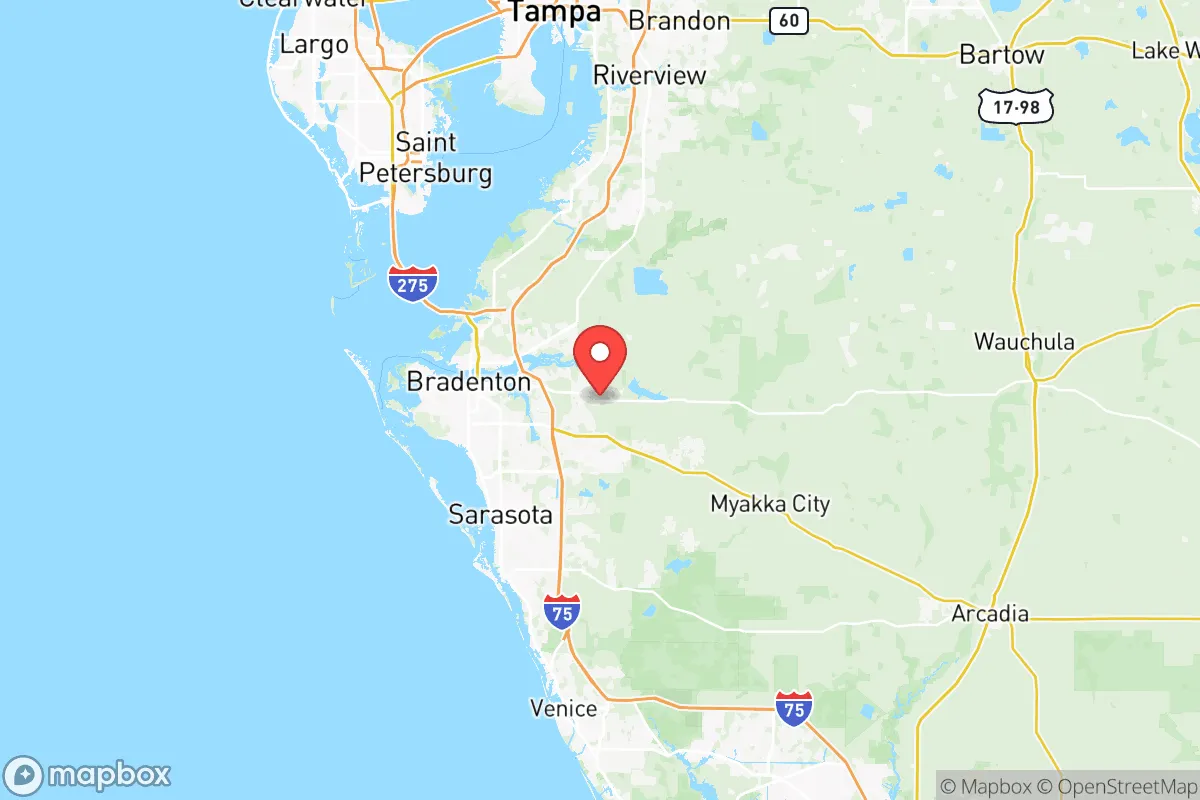
Manatee County, Florida, offers one of the widest quality-of-life spectrums on the Gulf Coast, spanning the dense, amenity-rich city of Bradenton, the planned coastal community of Lakewood Ranch, and the agricultural outposts of Parrish and Myakka City. With a cost of living index of 131 (100 being the U.S. average), the county commands a premium over the national norm, but that figure masks a dramatic internal divide: waterfront condos in Anna Maria Island trade at prices comparable to Miami, while inland ranch-style homes in the eastern county remain relatively attainable. The county draws a correspondingly varied population—retirees seeking golf-cart access to the Gulf, remote workers priced out of Sarasota, and agricultural families whose roots in the area predate the recent development boom.
Largest town(s) & population centers
Bradenton is the county seat and its primary urban anchor, with a daily rhythm centered on the Riverwalk along the Manatee River, the Village of the Arts district, and a working waterfront that still supports commercial fishing. Daily life here is more blue-collar and authentic than in neighboring Sarasota, with a mix of historic bungalow neighborhoods, mid-century subdivisions, and a growing downtown restaurant scene. Lakewood Ranch, technically a master-planned community straddling the Manatee-Sarasota county line, is the county's fastest-growing population center and functions as its own self-contained city, with over 50,000 residents, its own school system partnerships, and a Main Street district built around shopping and dining rather than government. Palmetto, directly across the river from Bradenton, is smaller and quieter, offering older waterfront homes and a more laid-back, residential feel that appeals to families seeking proximity to the city without its traffic.
Smaller towns & rural pockets
East of the Interstate 75 corridor, the county shifts dramatically. Parrish is the epicenter of new suburban sprawl, where former cattle pastures are being converted into tract-home communities at a rapid clip, but it still retains a rural core with a historic downtown centered on a single railroad crossing. Myakka City, further east, is genuinely rural—a community of horse farms, citrus groves, and large-acreage lots where the nearest grocery store is a 20-minute drive. Ellenton and Rubonia are smaller unincorporated pockets; Ellenton is known for its outlet mall and mobile home parks, while Rubonia is a historically African American community that remains one of the county's most affordable and least developed areas. The Anna Maria Island communities (Anna Maria, Holmes Beach, and Bradenton Beach) are a separate world entirely—barrier-island towns where daily life revolves around beach access, short-term rentals, and a strict building code that limits height and density.
Cost & lifestyle range
The cost spread across Manatee County is stark. At the high end, Anna Maria Island commands median home values well above $1 million, with the county-wide median of $359,800 pulled upward by these waterfront enclaves; a modest canal-front home on the island can easily cost three times the county median. Lakewood Ranch sits in the upper-middle tier, with newer single-family homes typically ranging from $500,000 to $800,000, and its HOA-managed communities offer resort-style pools, trails, and clubhouses that justify the premium for many buyers. At the low end, Rubonia and parts of eastern Bradenton (particularly the 34208 zip code) offer homes in the $250,000–$300,000 range, and the county-wide median rent of $1,549 is achievable in older apartment complexes along U.S. 41, though these areas often have longer commutes and fewer walkable amenities. The average commute of 27.3 minutes reflects this geographic tension—workers in Lakewood Ranch often drive to Sarasota or Tampa, while those in Parrish commute west to Bradenton or south to the I-75 corridor.
The lifestyle range is equally broad. Lakewood Ranch offers a programmed, amenity-driven existence with year-round community events, while Myakka City offers the opposite: privacy, acreage, and a 30-minute drive to the nearest hospital. Bradenton's historic districts provide walkable urban living at a moderate price, while Anna Maria Island offers a beach-town lifestyle that is increasingly reserved for the wealthy or those who bought before the 2020 price surge. The county's school system, Manatee County Schools, is a mixed bag—some Lakewood Ranch schools rank among the state's best, while schools in eastern Bradenton and Palmetto struggle with lower performance metrics, a factor that heavily influences where families with children choose to settle.
Manatee County rewards buyers who know exactly what they want. Retirees and second-home buyers thrive on the island and along the coast, where the lifestyle is the product. Remote workers and young families find the best balance in Lakewood Ranch and western Parrish, where new construction and amenities outpace infrastructure. Agricultural families and those seeking true rural living will find the eastern county increasingly squeezed by development, but still viable for those willing to trade convenience for space. The county's diversity is its strength—but it is also a warning that "Manatee County" as a single entity is less useful than understanding its distinct submarkets, each with its own price point, commute, and character.

Crime in Manatee County
Generally safer than 68% of comparable U.S. locations.
Violent CrimeViolent Crime Analysis
Property CrimeProperty Crime Analysis
Crime Analysis
Manatee County presents a mixed safety picture in 2026: its violent crime rate of 207.9 incidents per 100,000 residents sits below the national average, but the property crime rate of 910.4 per 100,000 runs notably higher, creating a clear divergence between personal safety and property security. The county’s roughly 425,000 residents are spread across distinct communities—from the urban core of Bradenton to the beach-oriented towns of Anna Maria and Holmes Beach—and those differences matter more than the county-wide average when assessing real-world risk.
Crime in context
Manatee County’s violent crime rate of 207.9 per 100,000 is roughly 15% below the national average of approximately 245 per 100,000, and it compares favorably to Florida’s statewide rate of about 240 per 100,000. The picture flips for property crime: at 910.4 per 100,000, Manatee exceeds both the national average (around 850) and the Florida average (roughly 870). This pattern—lower violence, higher theft—tracks with other fast-growing Gulf Coast counties where construction materials, vehicle parts, and package theft drive property numbers. The county’s clearance rates for violent offenses are solid, but property crimes are frequently under-reported and under-solved, a dynamic that inflates the statistical gap between the two categories.
What residents experience
Daily life in Manatee County is shaped less by headline-grabbing violence and more by opportunistic property crime. Bradenton, the county seat and largest city, accounts for a disproportionate share of both violent and property offenses; its downtown and the 14th Street West corridor see the bulk of aggravated assaults and vehicle break-ins. Palmetto, directly north of Bradenton, has a smaller population but a violent crime rate roughly 20% higher than the county average, driven largely by domestic disputes and drug-related incidents. By contrast, the barrier-island communities of Anna Maria, Holmes Beach, and Bradenton Beach consistently post violent crime rates near zero, though they experience seasonal spikes in bicycle theft and burglaries tied to vacation rentals. Lakewood Ranch, the county’s fastest-growing master-planned community in the east, reports property crime rates well below the county norm, though its commercial corridors see occasional retail theft rings.
The judicial environment matters here. Manatee County falls within Florida’s 12th Judicial Circuit, which also covers Sarasota, Desoto, and Charlotte counties. The circuit’s state attorneys have maintained a moderately conservative charging philosophy, and pretrial release policies remain stricter than those in larger urban circuits like Miami-Dade or Broward. That said, residents in Bradenton and Palmetto express growing concern about repeat property offenders cycling through the system quickly; the county’s jail population has declined slightly since 2023, which some attribute to diversion programs that critics argue prioritize offender rehabilitation over victim restitution.
Neighborhood-level variation is pronounced. The 34205 and 34208 ZIP codes in central and east Bradenton carry the highest violent crime rates, while the 34210 and 34217 ZIP codes covering the islands and northern beach areas are among the safest in the state. For families, the practical takeaway is that violent crime is concentrated in specific Bradenton and Palmetto corridors, while property crime is a county-wide nuisance that demands basic precautions—garage door locks, package delivery management, and vehicle security—regardless of address.
* Values derived from national, state, county, city and local statistics and may differ in a specific area. Last updated: 2026-10-19T10:11:26.000Z
Narrative content on this page is AI-generated and may contain mistakes. Verify any details that matter before acting on them.
ReloMaps may earn a commission from affiliate links at no extra cost to you.

