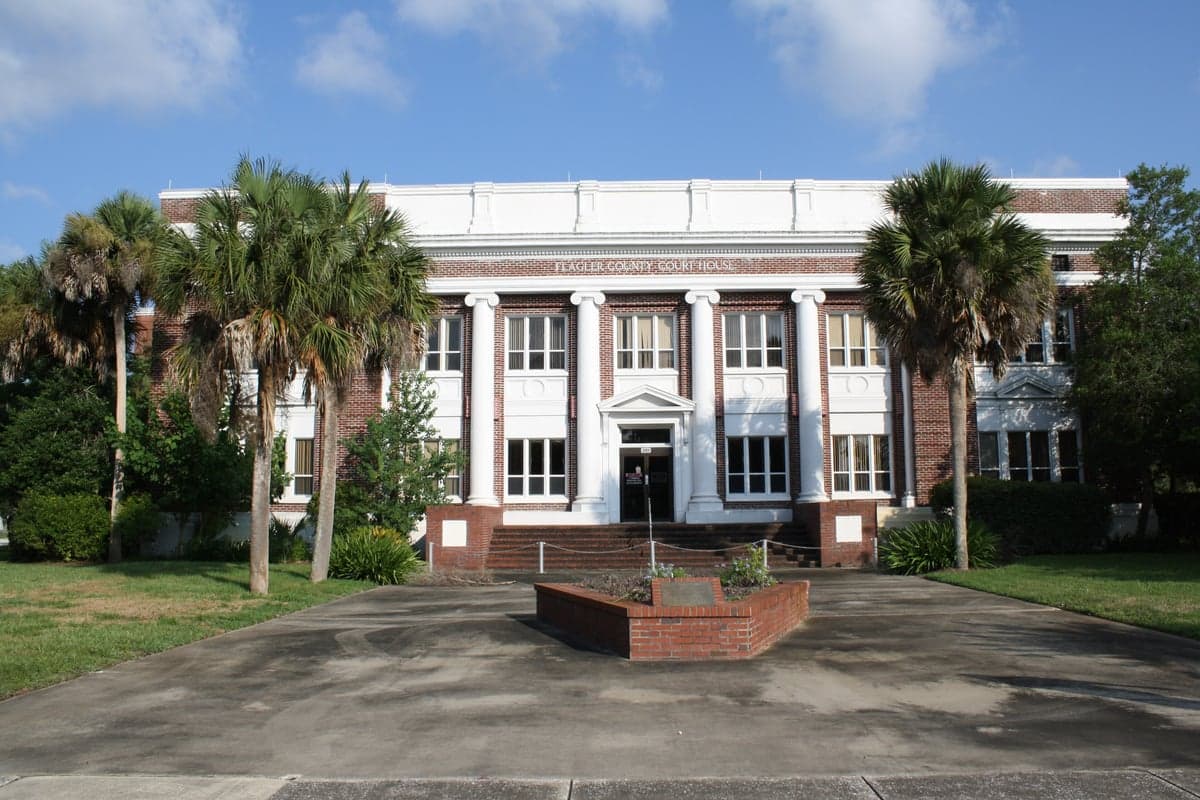
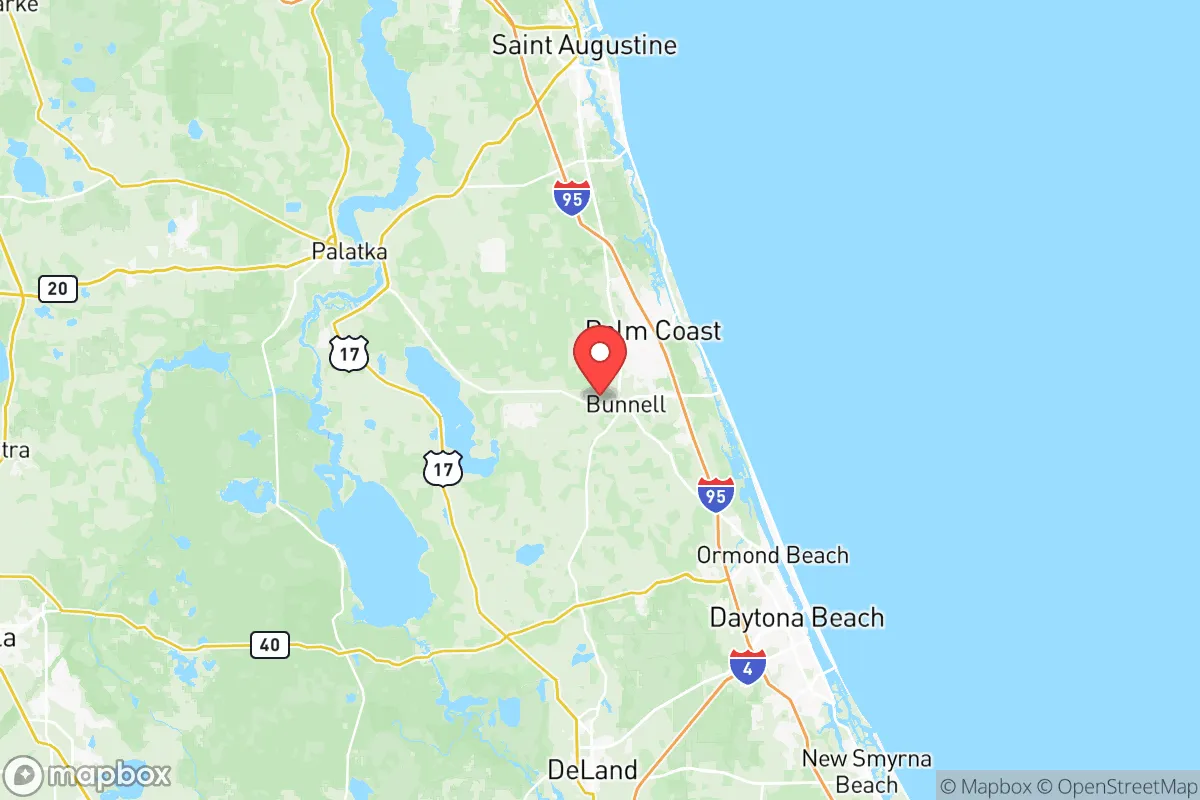
Photo: Wikipedia
Find The Best Places To Live in Flagler County
PRO TIP! You can paste a Zillow or Redfin link to get info on that property.
Best Places to Live in Flagler County
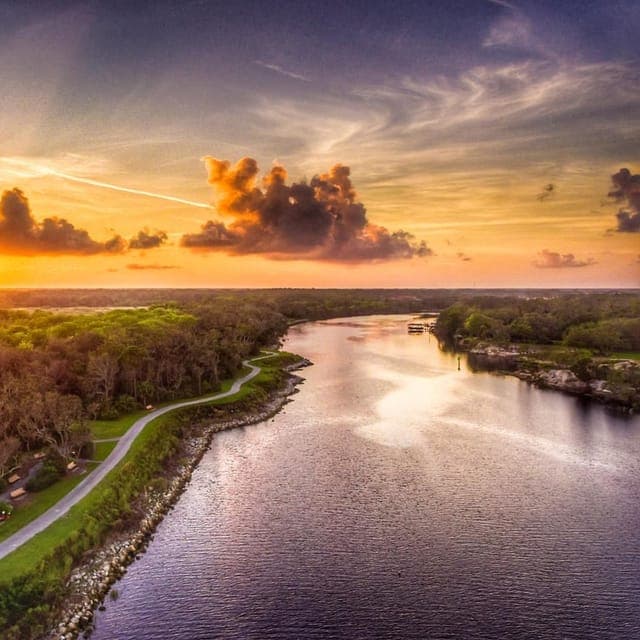
Cities & Towns in Flagler County
Cities in Flagler County
What It's Like Living in Flagler County, FL
Flagler County feels like a place where the old Florida of quiet, pine-shaded roads and the new Florida of master-planned communities meet at a crossroads. With a median age of 52.6, it’s undeniably a draw for retirees and second-home owners, but the 121,710 residents also include a growing number of families and remote workers who are priced out of St. Augustine or Orlando. The county’s identity is split between the coastal pull of Flagler Beach, the suburban growth of Palm Coast, and the rural, horse-country feel of Bunnell and Korona.
Daily Rhythm: Where You Shop, Eat, and Spend Your Weekends
For most people, daily life revolves around Palm Coast, the county’s largest city and commercial hub. You’ll find the big-box stores and chain restaurants along State Road 100, but locals know the real action is at the European Village in Palm Coast—a quirky, pedestrian-friendly complex with a German bakery, a wine bar, and a live-music venue that feels more Key West than suburban Florida. On weekends, Flagler Beach draws crowds for its old-school pier, the Golden Lion Cafe (a no-frills spot for grouper sandwiches), and the laid-back vibe of Wadsworth Park. The county’s median home value of $333,400 and cost of living index of 134 mean you’re paying a premium for that coastal access, but it’s still cheaper than Volusia County to the south.
If you’re the type who likes to know your neighbors, Bunnell offers a slower, more rural pace. The county’s historic seat, Bunnell has a small downtown with a hardware store, a diner, and the Flagler County Fairgrounds, which hosts the annual Flagler County Fair in March. That fair is a big deal—think livestock shows, carnival rides, and funnel cakes—and it’s one of the few events that brings together the whole county, from the beach crowd to the horse people in Korona.
Sports, Community, and the High School Factor
High school sports are the main event here. Flagler Palm Coast High School (the Bulldogs) and Matanzas High School (the Pirates) have a genuine rivalry that fills bleachers on Friday nights in the fall. Football is king, but soccer and lacrosse are growing fast, especially as more families with younger kids move in. There’s no pro sports team in the county, but it’s a 30-minute drive to Daytona International Speedway for NASCAR races, and a 45-minute drive to the St. Augustine Amphitheatre for concerts. For outdoor recreation, the Graham Swamp Trail in Palm Coast offers mountain biking through dense oak hammocks, and the Matanzas River is popular for kayaking and paddleboarding.
The median income of $72,923 supports a comfortable middle-class lifestyle here, but the 30.4% college-educated rate is lower than the state average, which reflects the county’s blue-collar roots in construction and service industries. The average commute of 28 minutes is manageable, though it can stretch to 45 minutes if you’re heading to jobs in Daytona Beach or St. Augustine. Traffic on I-95 and U.S. 1 is a common frustration, especially during snowbird season from January to March.
Pros and Cons of Living in Flagler County
What locals love:
- The beaches are uncrowded. Unlike Daytona or St. Augustine, Flagler Beach has a sleepy, small-town feel. You can park for free (mostly) and walk the pier without fighting for space.
- Affordable housing (relatively). The median home value of $333,400 is a bargain compared to coastal cities like Miami or Naples, and you get more land—many homes in Palm Coast sit on quarter-acre lots.
- Low violent crime. The violent crime rate of 207 per 100,000 is below the national average, and most property crime is concentrated in the tourist areas near the beach.
What frustrates longtimers:
- Limited job opportunities. The economy leans heavily on retail, healthcare, and construction. Professionals often commute to Daytona Beach or Jacksonville for higher-paying work.
- Summer heat and humidity. From June through September, outdoor activities are best done before 10 a.m. or after 6 p.m. The afternoon thunderstorms are reliable enough to set your watch by.
- Not much nightlife. If you’re under 30 and single, you’ll likely find yourself driving to Daytona or St. Augustine for bars and clubs. The European Village is the closest thing to a nightlife district, and it’s more of a dinner-and-drinks scene than a late-night party.
Who Fits In Here
Flagler County is best suited for people who value quiet, space, and outdoor recreation over urban amenities. Retirees and remote workers with families are the fastest-growing groups. The schools—especially Old Kings Elementary and Indian Trails Middle School in Palm Coast—are well-regarded and serve as community hubs for PTA events and youth sports. The county’s cultural quirks include a strong sense of “old Florida” identity: people here are proud that Bunnell still has a functioning downtown with a barber shop and a feed store, and they’ll tell you that Korona is where you go to see actual cowboys on horseback. If you’re looking for a place where you can own a boat, ride a bike to the beach, and know your mail carrier by name, Flagler County delivers—just don’t expect a bustling social scene or a fast-paced career ladder.

* Values derived from national, state, county, city and local statistics and may differ in a specific area. Last updated: 2026-07-02T04:43:39.000Z
Narrative content on this page is AI-generated and may contain mistakes. Verify any details that matter before acting on them.
ReloMaps may earn a commission from affiliate links at no extra cost to you.

