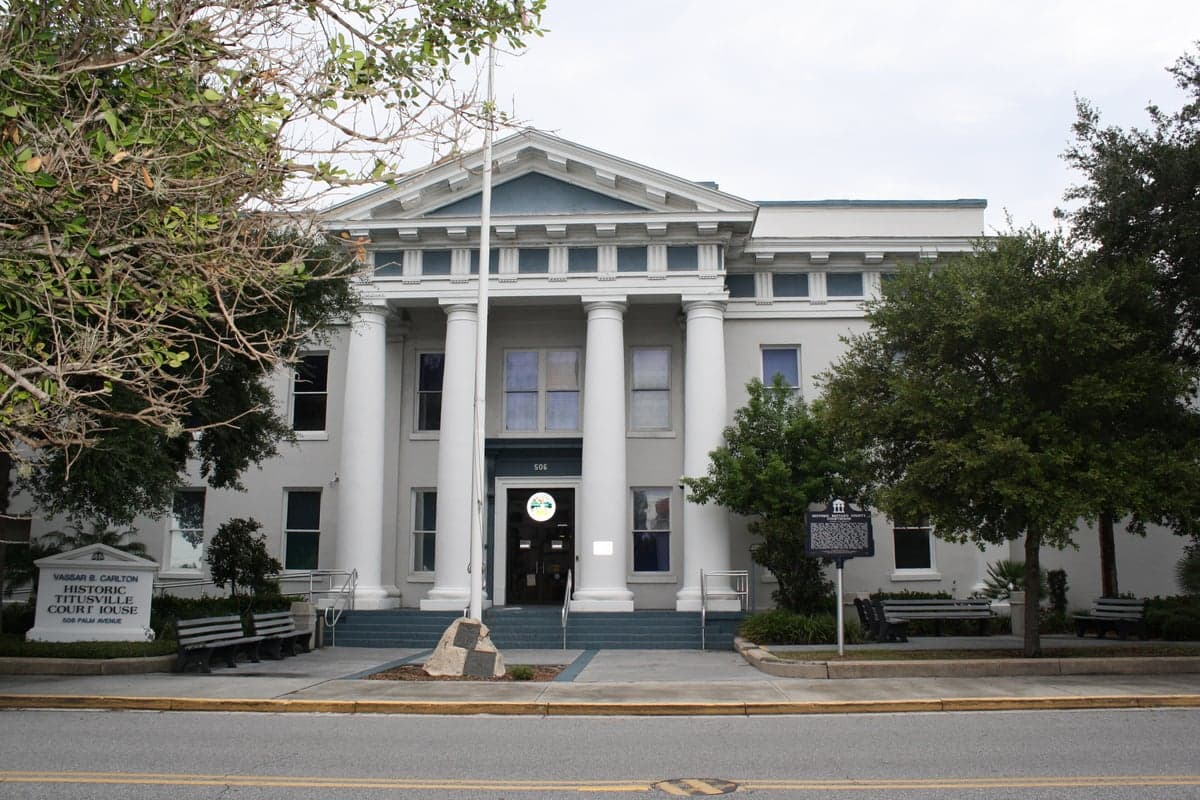
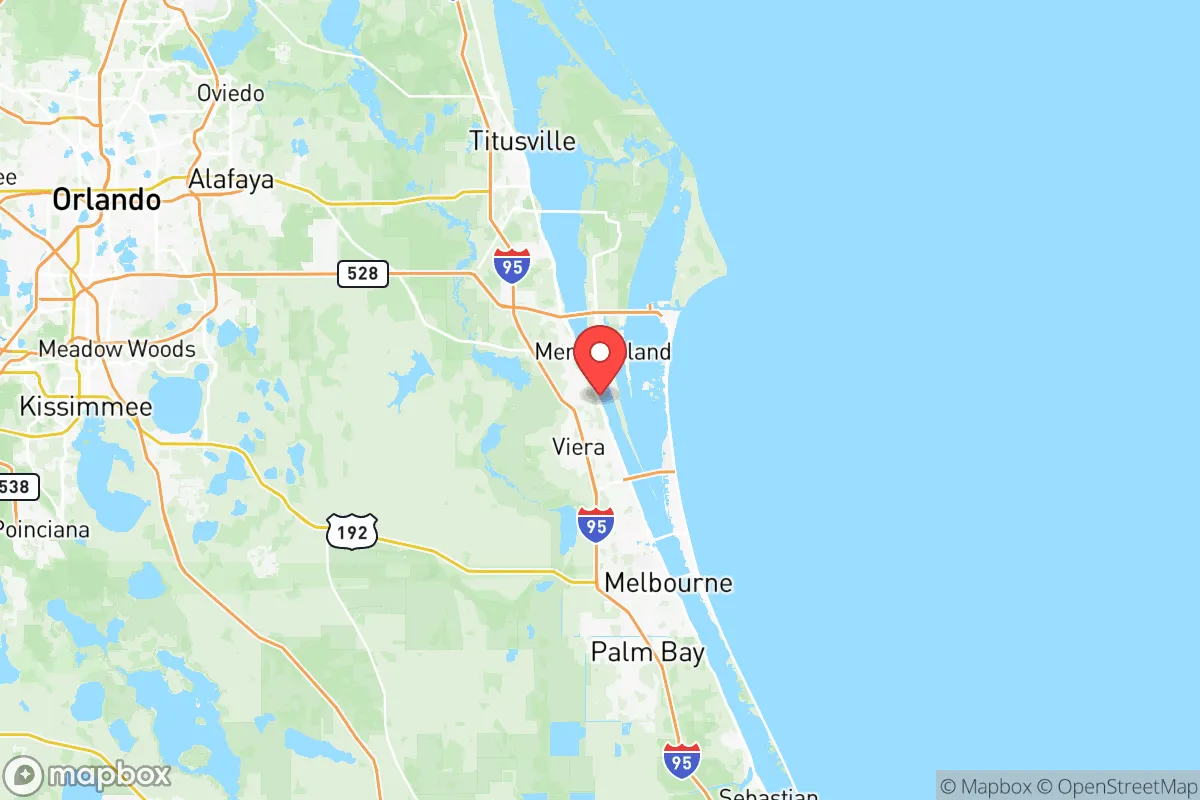
Photo: Wikipedia
Quality of Life in Brevard County
A livable area that tracks near national norms for affordability, walkability, and neighborhood health.
What does Quality of Life tell us?
Quality of Life measures an area by evaluating factors like cost of living, nearby amenities, country club access, airport proximity, socioeconomic signals and neighborhood character. For large states, this is a general average — quality of life can vary dramatically between metro areas, suburbs, and rural communities within the same state.
What does this tell us?
Quality of Life measures an area by evaluating factors like cost of living, nearby amenities, country club access, airport proximity, socioeconomic signals and neighborhood character. For large states, this is a general average — quality of life can vary dramatically between metro areas, suburbs, and rural communities within the same state.
Cost of Living
18% above national average
87%
The Real Cost of Living in Brevard County for 2026
| Tier | Individual | Family (4) |
|---|---|---|
| Survival | $23k | $44k |
| Comfortable | $59k | $87k |
| Luxury | $137k+ | $212k+ |
| Elite (Top 5%) | $162k+ | $251k+ |
Quality-of-Life Analysis
Brevard County, Florida, offers a broad spectrum of quality-of-life options that range from the high-tech, densely populated Space Coast corridor to quiet, rural cattle ranches and riverfront fishing villages. The county’s character is largely defined by its geography—a narrow peninsula of barrier islands and mainland stretching 72 miles along the Atlantic—and its economic anchor, the Kennedy Space Center. This mix draws a diverse population: aerospace engineers and military personnel gravitate toward the more urbanized central corridor, while retirees, equestrians, and those seeking a slower pace settle in the historic river towns and agricultural interior.
Largest town(s) & population centers
The county’s primary population centers are Palm Bay (pop. ~125,000), Melbourne (pop. ~85,000), and Titusville (pop. ~50,000), each with a distinct flavor. Palm Bay is the largest city by area and population, characterized by sprawling residential subdivisions, a growing retail sector along Malabar Road, and a relatively affordable housing stock compared to coastal areas. Daily life here is car-dependent and family-oriented, with residents commuting north to Melbourne or south to Viera for work. Melbourne, home to the Melbourne Orlando International Airport and Florida Institute of Technology, feels more like a traditional mid-sized city with a walkable historic downtown (Eau Gallie Arts District), a lively brewery scene, and a concentration of defense and tech employers. Titusville, the northern anchor, is quieter and more affordable, with a strong connection to the space program—residents enjoy unobstructed views of rocket launches from the Max Brewer Bridge and a slower pace of life centered on the Indian River Lagoon.
Smaller towns & rural pockets
Beyond the urban core, Brevard County contains several distinct smaller communities. Cocoa Village, the historic riverfront district of Cocoa, offers a walkable downtown with antique shops and the historic Cocoa Village Playhouse, while the surrounding area includes working-class neighborhoods and the sprawling Port Canaveral cruise terminal. Rockledge, just north of Viera, is an older, established suburb with large oak-canopied lots and a quiet, residential feel. Further south, Micco and Barefoot Bay are unincorporated communities that feel distinctly rural, with mobile home parks, fish camps, and direct access to the St. Sebastian River. The western interior, particularly around Sharpes and Mims, is dominated by cattle ranches, sod farms, and the 140,000-acre Tosohatchee Wildlife Management Area, offering a lifestyle that is more akin to Central Florida’s agricultural belt than the coast.
Cost & lifestyle range
The cost of living in Brevard County sits at 118 (100 = US average), with a median home value of $304,400 and median rent of $1,456. However, these averages mask a wide spread. The most expensive areas are the beachside communities of Indialantic, Melbourne Beach, and Satellite Beach, where oceanfront homes routinely exceed $600,000 and the lifestyle is centered on surfing, beach access, and a high concentration of retirees and remote workers. At the lower end, inland neighborhoods in Palm Bay (particularly west of I-95) and the rural pockets of Mims and Micco offer homes in the $200,000–$250,000 range, though these areas often lack sidewalks, streetlights, and nearby grocery stores. The average commute of 25.4 minutes is manageable, but residents in the far north (Titusville) or far south (Micco) face longer drives to reach the employment hubs around the Space Center and Melbourne. Amenities also vary sharply: Viera, a master-planned community, offers a concentration of medical facilities, parks, and the Space Coast Stadium complex, while rural residents may drive 20+ minutes for a supermarket.
Brevard County is best suited for those who value proximity to the space industry, water access, and a climate that allows year-round outdoor activity, but who are willing to accept a trade-off between affordability and convenience. Aerospace professionals and commuters to the Space Center will find the central corridor (Melbourne, Cocoa, Titusville) most practical, while retirees and families seeking lower housing costs may prefer the inland or southern rural areas. The county’s diversity of settings—from the high-tech pulse of the Space Coast to the quiet of a St. Johns River fish camp—means that with careful research, most lifestyles can find a fit here.

Crime in Brevard County
Generally safer than 69% of comparable U.S. locations.
Violent CrimeViolent Crime Analysis
Property CrimeProperty Crime Analysis
Crime Analysis
Brevard County, Florida, reports a violent crime rate of 207 incidents per 100,000 residents and a property crime rate of 896.7 per 100,000, placing it below the national average for violent offenses but slightly above the national property crime benchmark. The Space Coast’s overall safety profile is shaped by a mix of high-tourism coastal communities, sprawling suburban subdivisions, and inland rural pockets, creating significant variation in risk from one jurisdiction to the next. While the county is not among Florida’s most dangerous, residents in certain cities face notably higher odds of property theft and, in a few corridors, violent encounters.
Crime in context
Brevard County’s violent crime rate of 207 per 100,000 is roughly 30% lower than the national average of 380 per 100,000 and sits well below the Florida state average of approximately 380 per 100,000. Property crime, at 896.7 per 100,000, is about 10% higher than the national average of 800 per 100,000 but remains lower than many of Florida’s larger metro counties, such as Orange County (Orlando) or Duval County (Jacksonville). The county’s crime index is heavily influenced by its geography: the barrier island communities along the Atlantic tend to draw transient populations and seasonal visitors, while the mainland cities like Melbourne and Palm Bay generate the bulk of reported property offenses. The 18th Judicial Circuit, which covers Brevard, has not adopted the progressive prosecutorial policies seen in some urban Florida circuits, meaning charging and sentencing patterns remain relatively traditional—a factor that likely contributes to the county’s below-average violent crime figures compared to peer metro areas with more lenient district attorneys.
What residents experience
Property crime—particularly larceny-theft and motor vehicle theft—is the most common public safety concern for Brevard County residents. Melbourne and Palm Bay account for a disproportionate share of the county’s property crime incidents, with both cities reporting rates above the county average. Cocoa, a smaller city in the northern part of the county, has historically struggled with higher rates of both violent and property crime, driven in part by concentrated poverty and a transient population along the US-1 corridor. By contrast, Satellite Beach and Indialantic consistently report some of the lowest crime rates in the county, with violent crime figures near zero in many years. Residents in these beachside communities experience a markedly different safety reality than those in central Melbourne or Cocoa. The county sheriff’s office and municipal police departments maintain active community policing programs, and neighborhood watch participation is high in the barrier island towns, which helps keep petty crime in check. However, the presence of major tourist attractions like Port Canaveral and the Kennedy Space Center introduces periodic property crime spikes tied to vehicle break-ins and theft from parked cars.
Neighborhood-level variation
Safety in Brevard County is highly neighborhood-specific. The area around the Melbourne Village and the Eau Gallie Arts District has seen reinvestment and corresponding crime declines, while the southern end of the county around Micco and Barefoot Bay remains quiet but isolated from rapid police response. Palm Bay’s vast, low-density layout creates challenges for patrol coverage, and some subdivisions near I-95 report higher rates of burglary. Cocoa Beach, despite its tourist draw, maintains a violent crime rate well below the county average due to a strong police presence and a relatively affluent permanent population. Prospective residents should examine block-level data rather than relying solely on countywide averages, as moving just a few miles—from central Melbourne to the Suntree area, for example—can cut property crime risk by more than half. The county’s judicial approach, which has avoided the soft-on-crime policies seen in more progressive jurisdictions, provides a baseline deterrent that keeps Brevard safer than many comparably sized Florida metro areas.
* Values derived from national, state, county, city and local statistics and may differ in a specific area. Last updated: 2026-06-17T15:02:13.000Z
Narrative content on this page is AI-generated and may contain mistakes. Verify any details that matter before acting on them.
ReloMaps may earn a commission from affiliate links at no extra cost to you.

