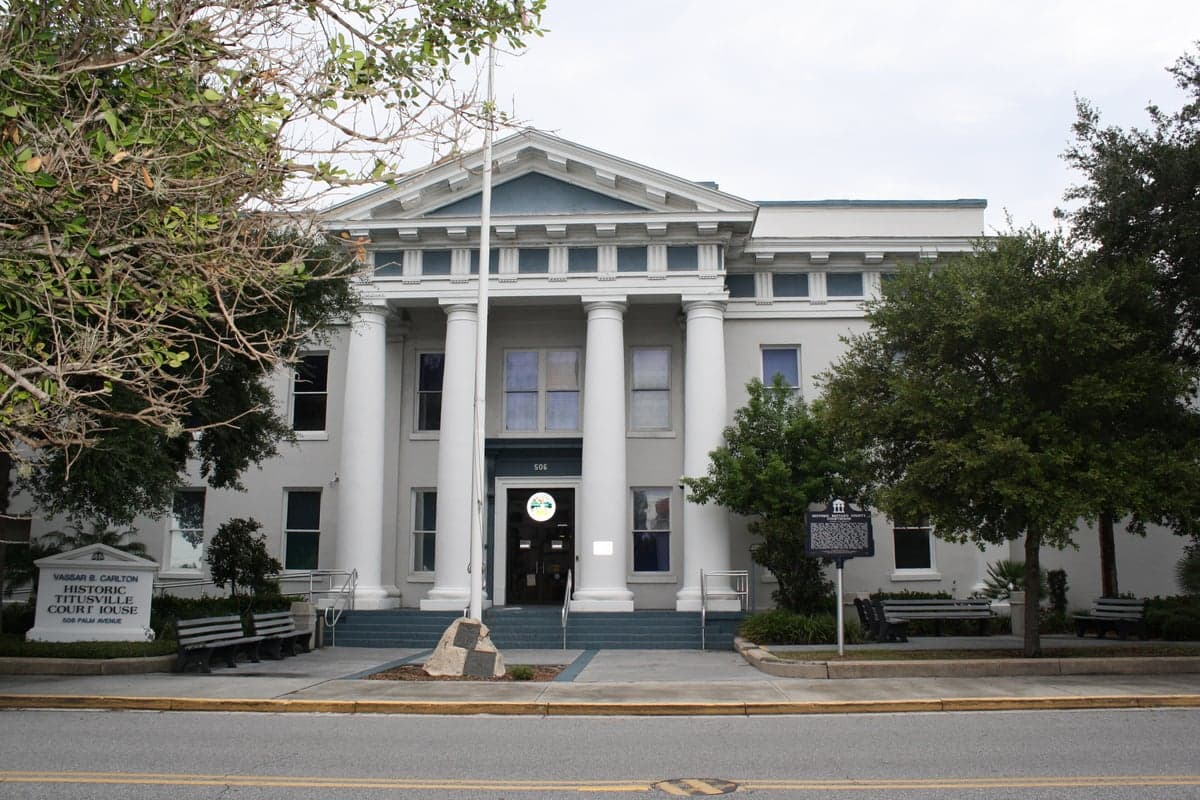
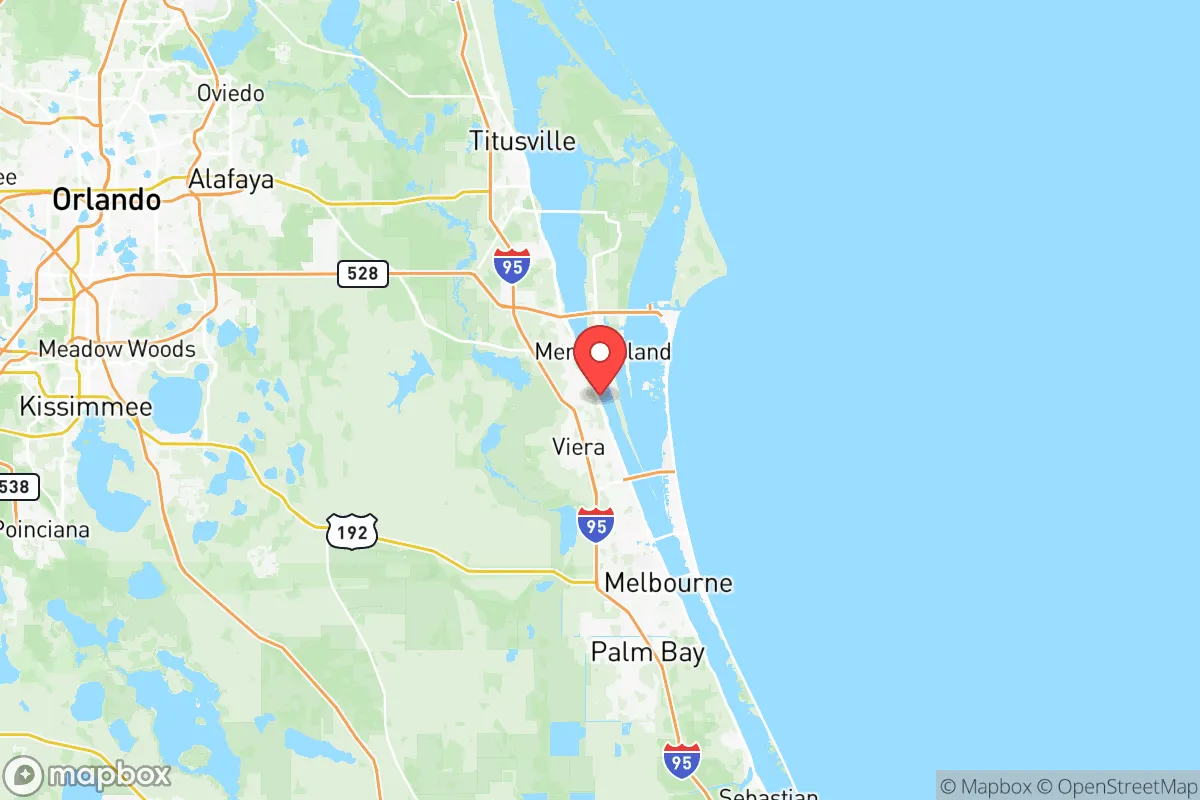
Photo: Wikipedia
Find The Best Places To Live in Brevard County
PRO TIP! You can paste a Zillow or Redfin link to get info on that property.
Best Places to Live in Brevard County

Cities & Towns in Brevard County
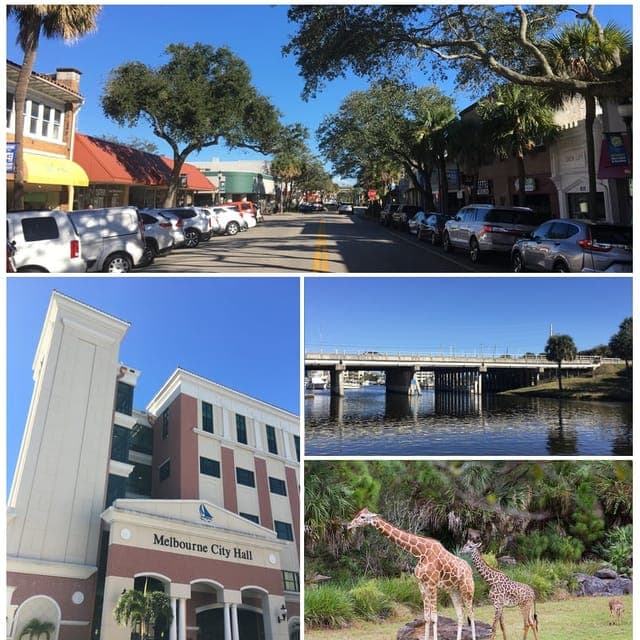
Cities in Brevard County
What It's Like Living in Brevard County, FL
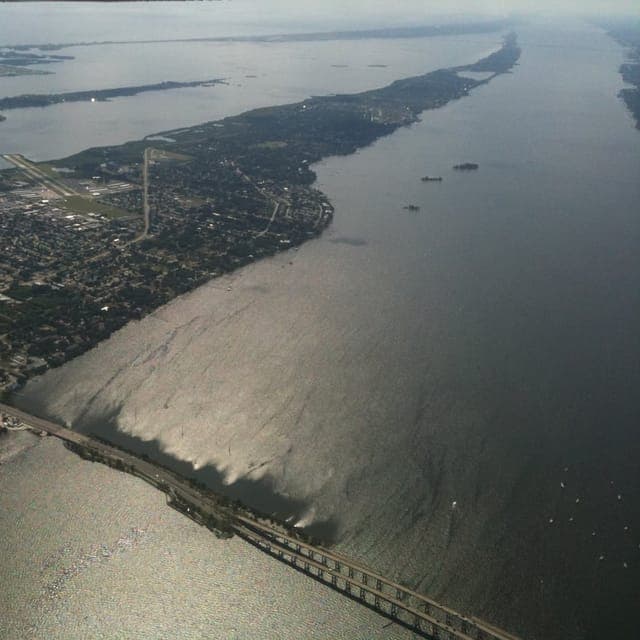
Living in Brevard County means trading the frantic pace of Orlando or Miami for a life where the Atlantic Ocean is your backyard, rocket launches rattle your windows, and the biggest traffic jam might be caused by a manatee crossing. This is the Space Coast, a 72-mile stretch of barrier islands and mainland communities that feels less like a single county and more like a collection of distinct towns, each with its own personality. Whether you’re a young engineer at Kennedy Space Center, a retiree fishing the Indian River Lagoon, or a family raising kids in Viera, the rhythm here is dictated by the tides, the school calendar, and the launch schedule.
Daily Rhythm: Launches, Lagoon Life, and the Commute
A typical weekday in Brevard County starts early, often with a glance at the sky. The average commute is just over 25 minutes, a figure that feels accurate for most residents—unless you’re driving from Palm Bay to Titusville during rush hour, which can stretch closer to 45. The county’s spine is US-1 and I-95, but most daily errands happen along the local arteries. In Cocoa Beach, people grab coffee at the Sunrise Bread Company before hitting the waves; in Melbourne, the morning rush is to the gym or the office parks near the airport. The median age here is 46.8, noticeably older than the national average, which means the pace is slower. You see fewer 20-somethings hustling and more retirees biking to the grocery store or families loading kayaks onto SUVs.
What people actually do on weekends depends on which part of the county they call home. In Satellite Beach, Saturday means paddleboarding in the Banana River. In Rockledge, it’s a trip to the Brevard Zoo or a youth soccer game. In the rural areas around Mims and Scottsmoor, it’s hunting, fishing, and four-wheeling. The Indian River Lagoon is the county’s unofficial living room—people fish from its shores, boat through its channels, and complain about the algae blooms that have plagued it in recent years. Shopping is spread out, with The Avenue Viera serving as the main retail hub for the central part of the county, while Melbourne’s downtown offers a more walkable, local scene with breweries like Hell ’n Blazes Brewing.
Sports, Space, and the Community Identity
Brevard County doesn’t have a major pro sports team, but it has something arguably more central to its identity: NASA and the Space Coast. Rocket launches from Cape Canaveral are a regular occurrence, and residents treat them like a local weather event—people post launch times on Facebook, gather on the beach, and pause whatever they’re doing to watch. The Kennedy Space Center Visitor Complex is a major draw, but for locals, it’s just the place where their neighbors work. The median household income is $75,817, and a significant chunk of that comes from aerospace and defense contractors like L3Harris, Northrop Grumman, and the Air Force’s Patrick Space Force Base.
For sports fans, the focus is on high school football and minor league baseball. The Melbourne Central Catholic Hustlers and Viera High School Hawks draw big crowds on Friday nights, and the county takes its Little League seriously. The Brevard County Manatees (now the Space Coast Turtles) play at the USSSA Space Coast Complex in Viera, a sprawling sports park that also hosts national youth tournaments. College sports loyalties are split between Florida State and Florida, with a strong University of Central Florida presence from nearby Orlando. The biggest annual event is the Cocoa Beach Surf Festival, which brings out the county’s laid-back, beach-town side, while the Melbourne Art Festival draws a more cultured crowd.
What’s There to Do: Beaches, Breweries, and the Outdoors
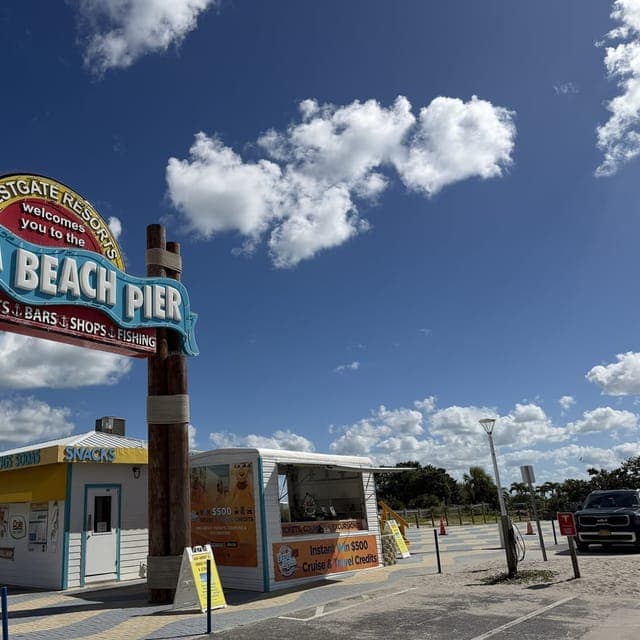
Outdoor life is the main event. The county boasts 72 miles of coastline, with Cocoa Beach being the most famous—think Ron Jon Surf Shop, surf lessons, and a pier packed with tourists. Locals prefer the quieter beaches: Playalinda Beach at the northern end of Canaveral National Seashore, where you can see rocket launch pads from the sand, or Sebastian Inlet State Park, a world-class fishing and surfing spot. The Enchanted Forest Sanctuary in Titusville offers hiking through coastal scrub, and the Merritt Island National Wildlife Refuge is a haven for birdwatchers and photographers.
When the sun goes down, the scene shifts to local breweries and waterfront bars. Florida’s Craft Brewing in Melbourne, Playalinda Brewing Company in Titusville, and Coasters Taphouse in Cocoa Beach are staples. For a more upscale evening, the Melbourne Yacht Club or Chart House in Cocoa Beach offer dinner with a view. The county’s cultural scene is modest but present—the King Center for the Performing Arts in Melbourne hosts touring Broadway shows and concerts, and the Brevard Symphony Orchestra performs there as well. The biggest frustration for locals? The cost of living index is 118, above the national average, driven largely by housing. The median home value is $304,400, which feels steep for a county that isn’t Miami or Tampa, but it’s a bargain compared to coastal California or the Northeast.
Pros and Cons of Living Here
What longtime residents love: The lack of big-city stress, the proximity to the ocean, the sense of community in towns like Indialantic and Merritt Island, and the pride that comes from living in a place that literally sends people to space. The violent crime rate is 207 per 100,000, which is below the national average and feels even lower in the beachside communities. Schools are a mixed bag—Viera High School and West Shore Junior/Senior High are highly rated, but rural schools in the north end of the county struggle with funding. The college-educated population is 33.5%, slightly below the national average, but the presence of Florida Tech and Eastern Florida State College brings a steady stream of educated newcomers.
What frustrates them: The summer heat and humidity are relentless from May through October. The Indian River Lagoon’s environmental health is a constant worry—fish kills and algae blooms make headlines every few years. Traffic on I-95 can be a nightmare during snowbird season, and the county’s sprawl means you’ll drive 30 minutes to get from one town to another. There’s also a cultural divide between the beachside communities (wealthier, more liberal-leaning) and the mainland towns (more conservative, working-class). But for the right person—someone who values a slower pace, outdoor recreation, and the thrill of watching a rocket streak across the sky—Brevard County is a place you don’t leave once you’ve settled in.

* Values derived from national, state, county, city and local statistics and may differ in a specific area. Last updated: 2026-06-17T15:02:13.000Z
Narrative content on this page is AI-generated and may contain mistakes. Verify any details that matter before acting on them.
ReloMaps may earn a commission from affiliate links at no extra cost to you.

