Photo: Wikipedia
Find The Best Places To Live
in Cocoa
PRO TIP! You can paste a Zillow or Redfin link to get info on that property.
What It's Like Living in Cocoa, FL
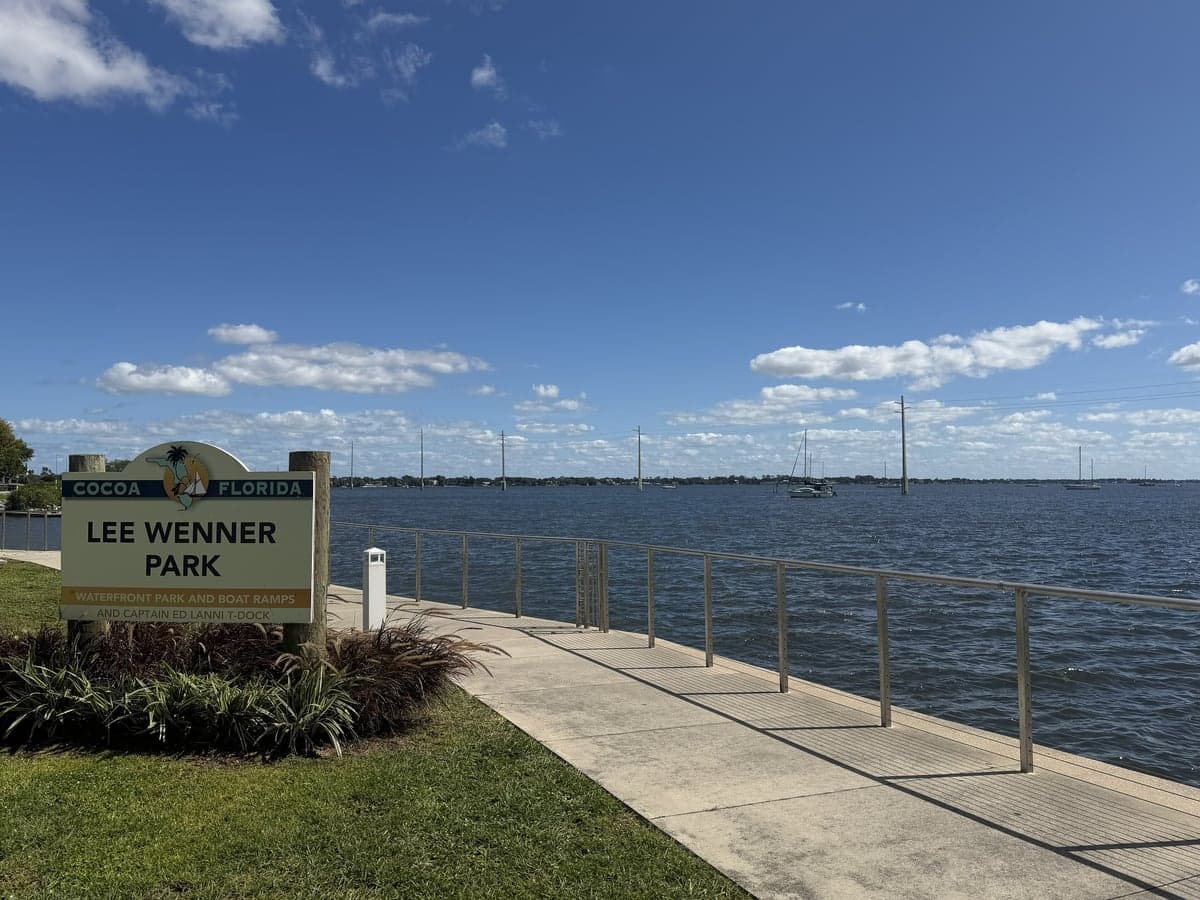
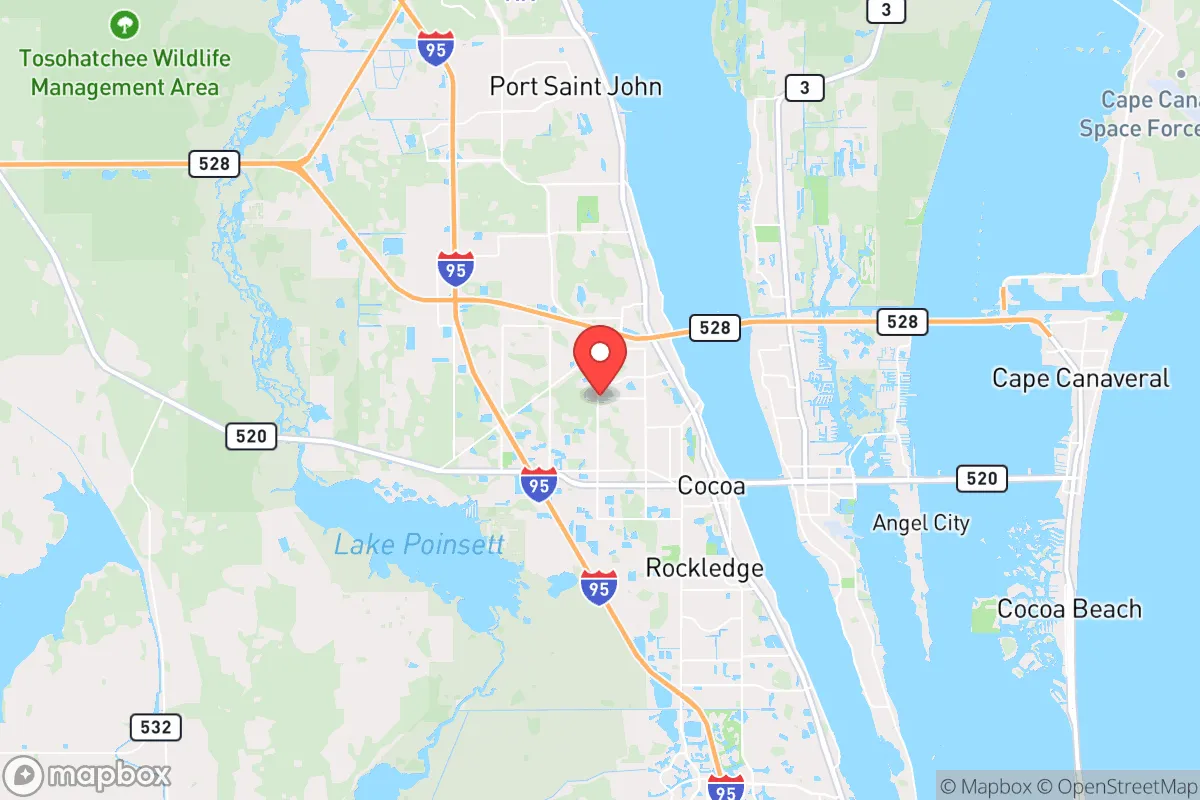
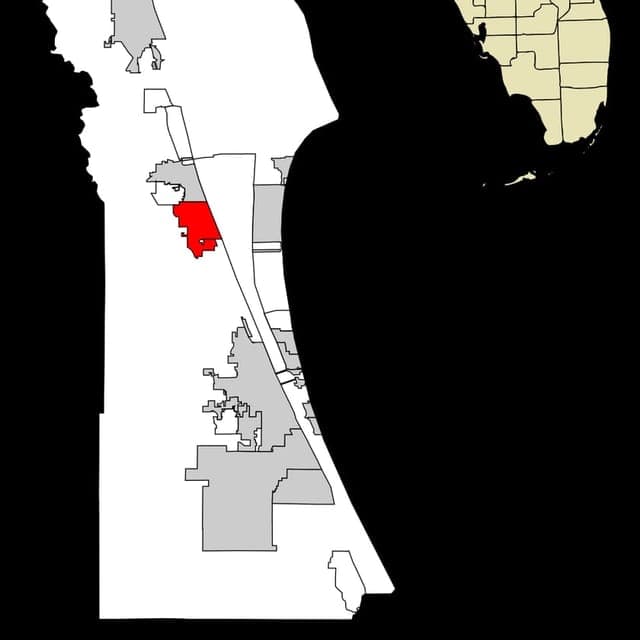
Cocoa, Florida, is a town that feels like it’s still figuring out its next chapter, caught between a historic riverfront core and the sprawling, tourist-heavy Space Coast just east. With a population hovering around 19,300, it’s smaller and noticeably quieter than its flashier neighbor Cocoa Beach, and that’s exactly the point for the people who choose to live here. You get a working-class, slightly gritty town with genuine character, not a polished resort veneer.
The Daily Rhythm: Laid-Back, Local, and a Little Rough Around the Edges
Life in Cocoa moves at a slower, more deliberate pace than what you’d find in Orlando or even Melbourne. The median age here is 45, which skews older than the national average, and the median household income sits at $56,553—below the state median. That means you’re not in a high-gloss suburb; you’re in a place where people work at the port, at Kennedy Space Center, or in local trades, and they come home to a modest house on a quiet street. The average commute is about 26 minutes, which is manageable but can feel longer when you’re sitting behind snowbirds on US-1 or waiting for the train to pass through downtown.
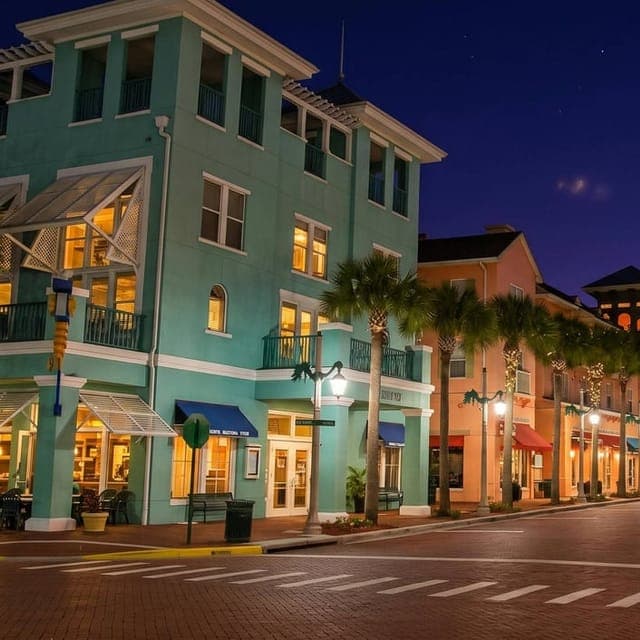
Weekends here revolve around the Cocoa Village historic district, a walkable stretch of brick streets along the Indian River. Locals grab coffee at Osceola Café, browse the antique shops, or catch live music at Murphy’s Pub or Ryan’s Pizza. The vibe is casual—shorts and flip-flops are standard year-round. You’ll see families pushing strollers past the old brick buildings, and retirees sitting on benches watching the boats go by. It’s not a nightlife destination, but there’s a steady hum of community activity, especially during the weekly farmer’s market or the monthly First Friday street party.
Sports, Space, and the Local Identity
Sports fandom in Cocoa is split between high school loyalty and the pull of the nearby pros. Cocoa High School football is a big deal—Friday night games draw solid crowds, and the Tigers have a proud tradition. For college football, it’s mostly Gators and Seminoles, with a sprinkling of UCF fans. Pro sports are a short drive: the Orlando Magic (basketball) are about 45 minutes west, and the Space Coast is home to the Brevard County Manatees (minor league baseball) in nearby Viera. But the real local identity isn’t a team—it’s the space program. Rocket launches from Cape Canaveral are a regular, almost casual part of life. People pull over on the side of the road to watch a Falcon 9 streak across the sky, and it never gets old.
The town’s biggest annual event is the Cocoa Beach Art & Space Festival, but locals also pack the Space Coast State Fair and the Cocoa Village Christmas Parade. The Brevard Zoo, just south in Melbourne, is a popular weekend trip, and the Merritt Island National Wildlife Refuge offers hiking and kayaking that feels a world away from the strip malls. Fishing and boating are huge—the Indian River Lagoon is right there, and you’ll see kayaks and small skiffs tied up at public ramps all along the coast.
What Works, What Doesn’t: The Honest Trade-Offs
The biggest draw is affordability. The cost of living index is 91 (well below the national average of 100), and the median home value is $215,700—a fraction of what you’d pay in Cocoa Beach or Viera. That means a young family or a single person on a modest salary can actually buy a house here. But that low price tag comes with trade-offs. The violent crime rate is 918.8 per 100,000, which is significantly higher than the national average and a real concern for anyone looking at neighborhoods east of I-95. Parts of Cocoa, especially around the older commercial corridors, feel neglected, and property crime is a recurring frustration for residents.
On the plus side, the weather is classic Florida: hot, humid summers with afternoon thunderstorms, and mild, pleasant winters that run from November through March. Hurricanes are a seasonal reality—you’ll need a plan and a generator—but most storms pass with just wind and rain. The schools, part of Brevard Public Schools, are a mixed bag; Cocoa High School has a solid reputation for athletics and some academic programs, but many families with means look to private options or the magnet schools in Viera. Education is a frequent topic at local coffee shops, and the school board elections get real attention.
For the kind of person who fits here, it’s someone who values space and pace over polish. You’re not coming to Cocoa for a trendy food scene or a booming job market—you’re coming because you can afford a yard, you like being 15 minutes from the beach, and you don’t mind that the best restaurant in town is a no-frills seafood shack. The people who stay are the ones who appreciate the quiet, the rocket launches, and the sense that they’re part of a real, unfiltered Florida town—not a theme park version of one.

Similar towns to Cocoa

* Values derived from national, state, county, city and local statistics and may differ in a specific area. Last updated: 2026-08-22T17:11:04.000Z
Narrative content on this page is AI-generated and may contain mistakes. Verify any details that matter before acting on them.
ReloMaps may earn a commission from affiliate links at no extra cost to you.

