Photo: Wikipedia
Quality of Life in Exeter, NH
Above-average quality of iife. The area offers a reasonable cost of living, decent mobility, and a mix of neighborhood amenities.
What does Quality of Life tell us?
Quality of Life blends cost of living, nearby amenities, socioeconomic signals, and neighborhood character. City-level scores represent the whole municipality; individual neighborhoods can differ.
What does this tell us?
Quality of Life blends cost of living, nearby amenities, socioeconomic signals, and neighborhood character. City-level scores represent the whole municipality; individual neighborhoods can differ.
Cost of Living
31% above national average
The Real Cost of Living in Exeter, NH for 2026
| Tier | Individual | Family (4) |
|---|---|---|
| Survival | $25k | $47k |
| Comfortable | $68k | $100k |
| Luxury | $151k+ | $235k+ |
| Elite (Top 5%) | $178k+ | $276k+ |
84%
The Area Signal
A metric tracking the socioeconomic signals of the area.
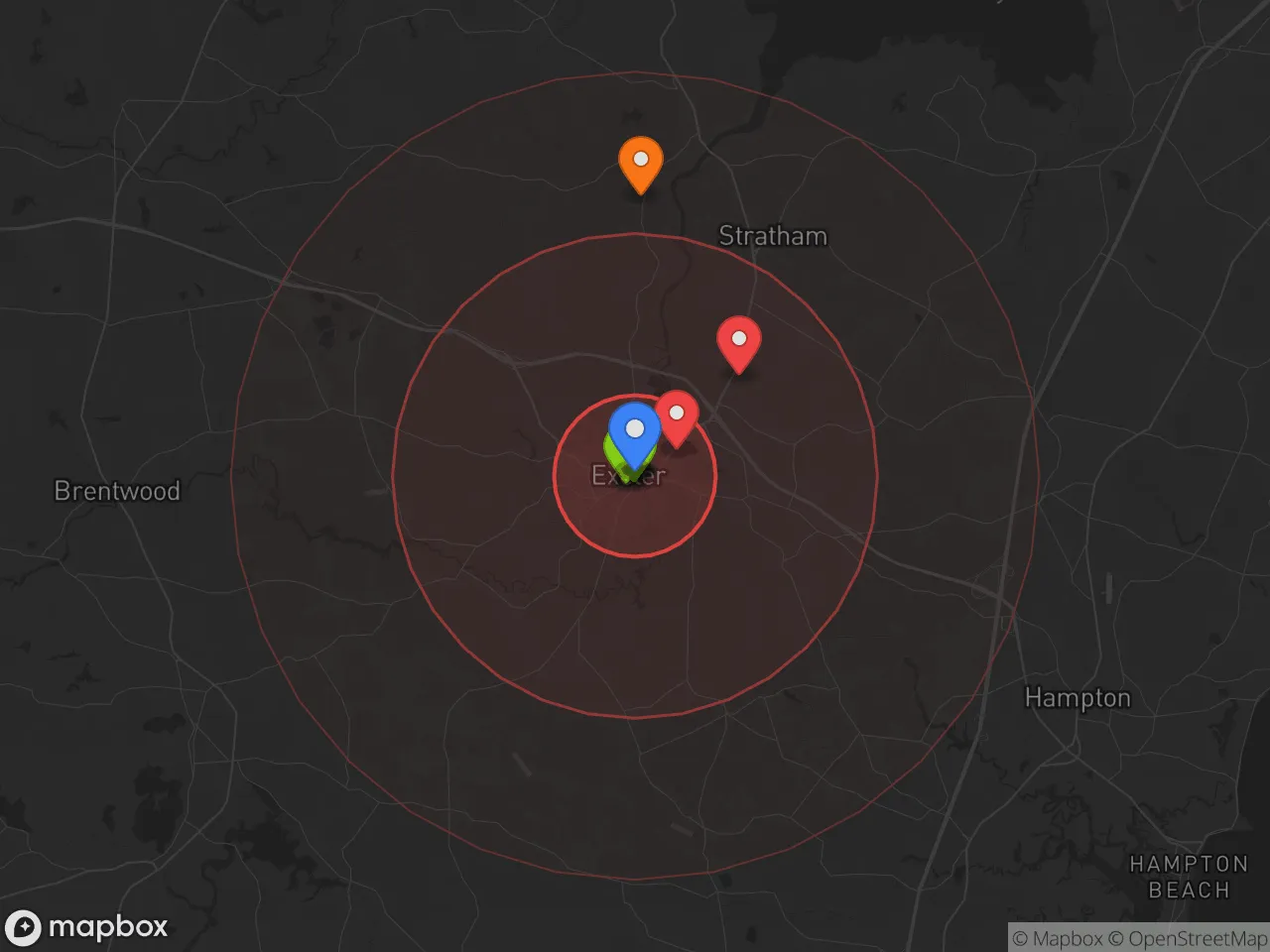
Hobbies
Explore the areaGroceries
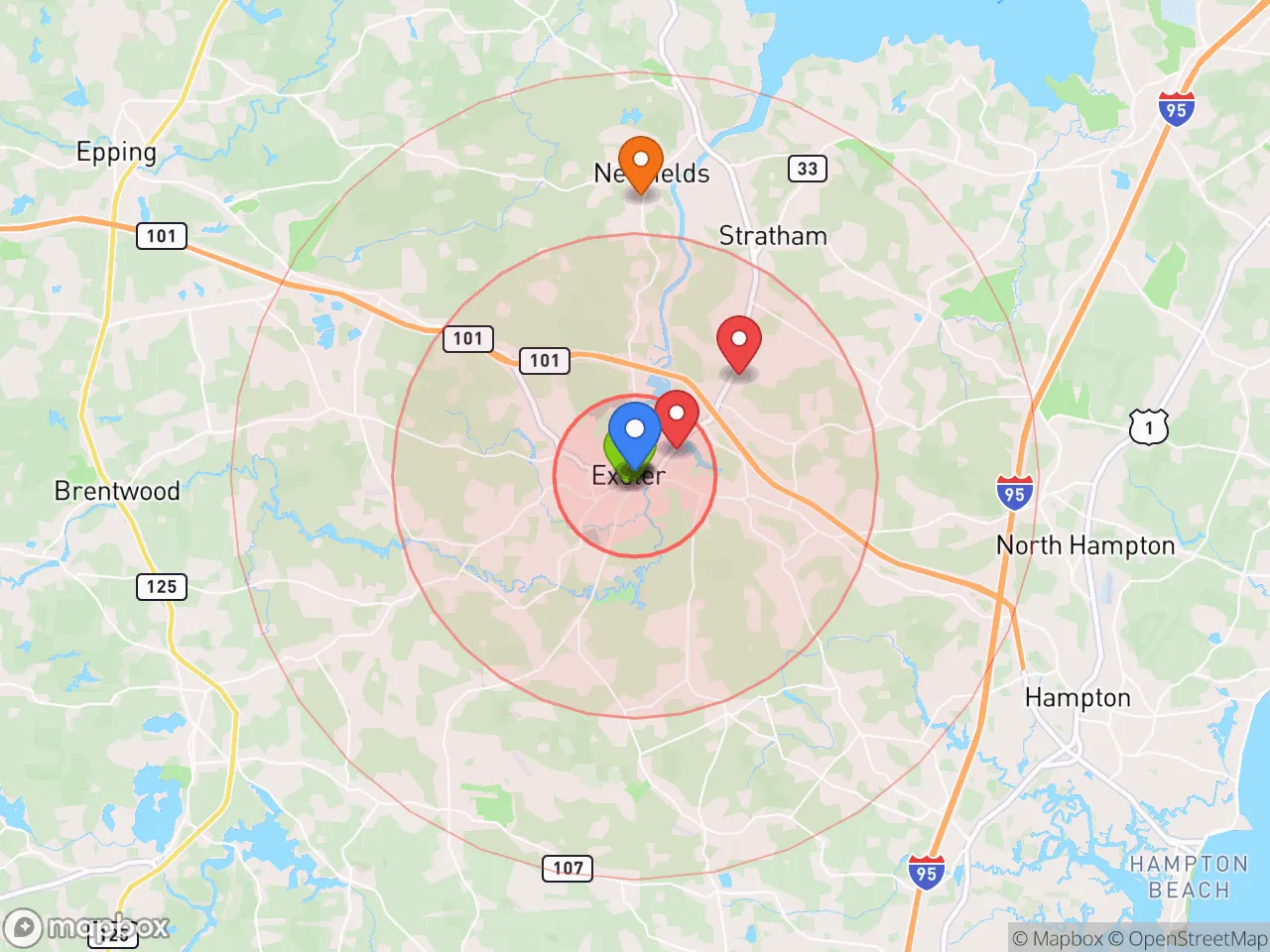
5 within 10 miles
Gas
20 within 10 miles
Hospital
13 within 20 miles
Airport
PDX — Portland International Jetport
Post Office
USPS — Exeter, NH
Critical Amenities
Quality-of-Life Analysis
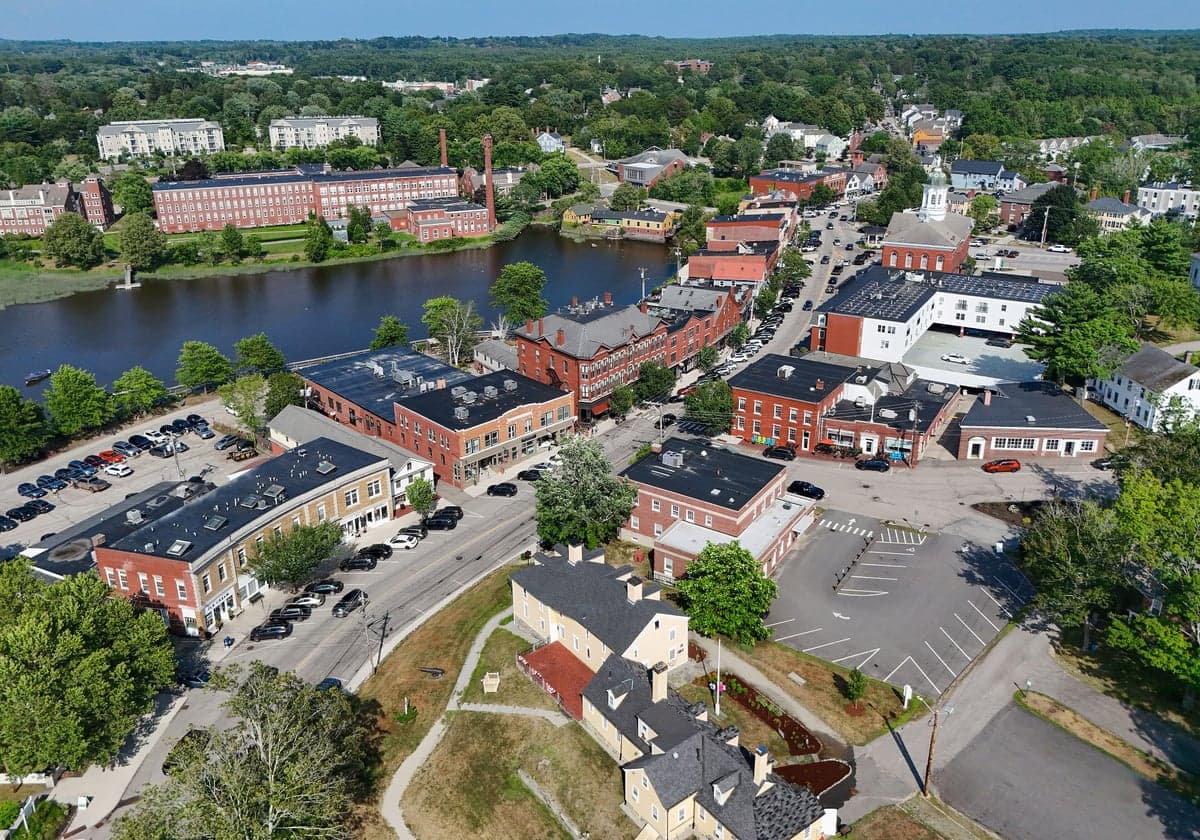
Exeter, New Hampshire, is an affluent historic town where the cost of living index sits at 131 (31% above the national average), attracting a mix of professionals, academics, and families drawn to its top-tier schools and walkable downtown. With a median home value of $349,300 and median rent of $1,569, the community skews toward higher-income households—many commuting to Portsmouth, Boston, or the Seacoast’s tech and healthcare hubs. The average commute of 23.6 minutes is notably shorter than the national average, reflecting Exeter’s role as a self-contained employment center as well as a bedroom community.
Cost of living, housing, and how Exeter compares to nearby towns
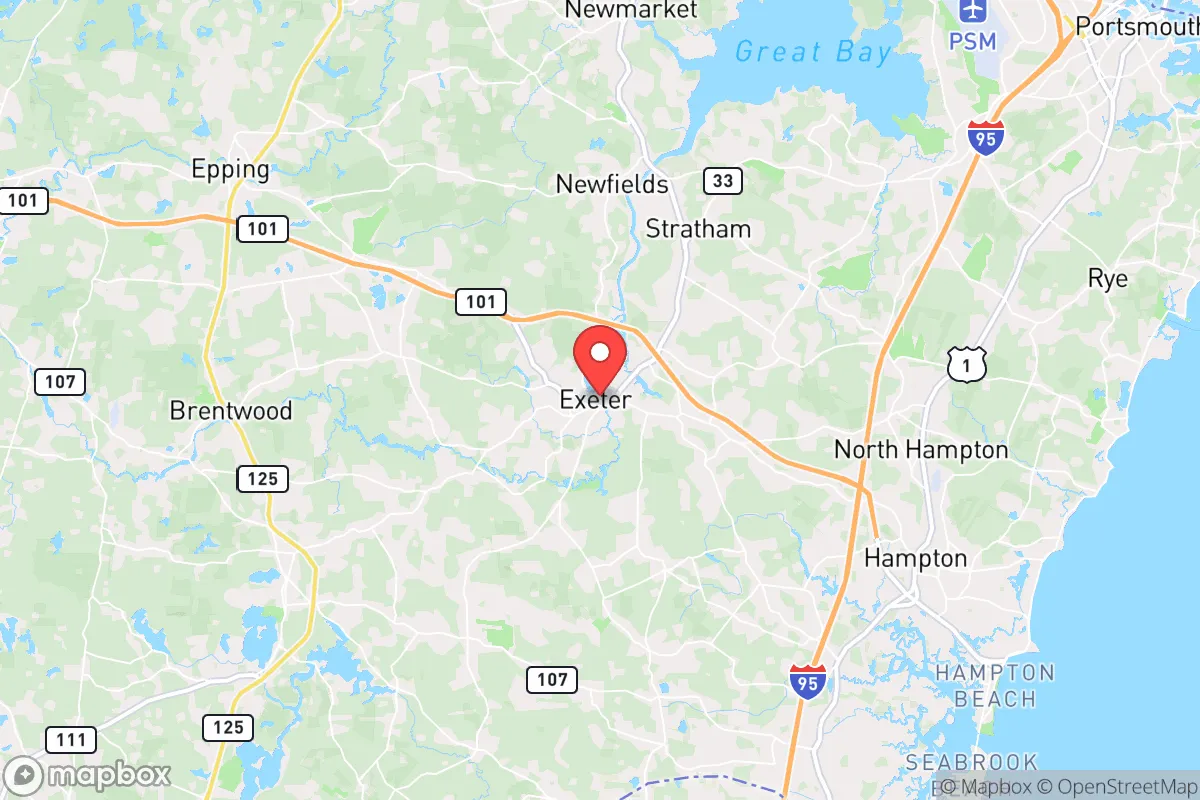
Exeter’s housing market is expensive by New Hampshire standards but moderately priced relative to the Seacoast’s priciest enclaves. The median home value of $349,300 is roughly 15% below Portsmouth’s median, yet about 20% above the state median, placing it in a middle-to-upper tier alongside Stratham and Newfields. Renters face a median of $1,569—about $200 more per month than the state average—driven by limited multifamily inventory and strong demand from Phillips Exeter Academy staff and young professionals. The overall cost of living index of 131 is heavily influenced by housing (roughly 1.5x the national average), while groceries and healthcare are closer to the U.S. baseline. Property taxes in Exeter are high, as in all New Hampshire towns, with a rate around $18.50 per $1,000 of assessed value, adding roughly $6,500 annually on a median-priced home. For buyers, this means a $350,000 home carries a monthly tax bill of about $540—a significant factor when comparing to towns in Massachusetts or Maine with lower mill rates.
What daily life is like: amenities, schools, and community rhythm
Daily life in Exeter revolves around a compact, historic downtown anchored by the Phillips Exeter Academy campus, which functions as a cultural and architectural centerpiece. The town’s public schools—Exeter High School, Cooperative Middle School, and Main Street School—consistently rank among New Hampshire’s top 10%, with Exeter High posting a 94% graduation rate and strong college matriculation to the University of New Hampshire and regional private colleges. Amenities include the Exeter Public Library, the Exeter Hospital (a major local employer with over 1,800 staff), and the Swasey Parkway along the Exeter River, which hosts seasonal farmers’ markets and concerts. The retail mix is upscale but practical: a local co-op grocery, independent bookstores, and boutique shops, supplemented by a Walmart and Market Basket on the outskirts. The commute profile is a key quality-of-life asset—the average 23.6-minute drive is well under the national average of 26 minutes, with most residents working within Rockingham County or commuting 30–40 minutes to Portsmouth or Manchester. Traffic congestion is minimal except during Phillips Exeter Academy drop-off and pickup hours, and the town’s walkable core means many errands can be done on foot.
Exeter is best suited for professionals and families who prioritize school quality, a walkable downtown, and short commutes over nightlife or urban density. The high cost of living and property taxes will deter budget-conscious renters and first-time buyers, but the trade-off is access to one of New Hampshire’s best public school systems and a community with strong civic engagement—evident in the town’s high voter turnout and active conservation efforts. Empty-nesters and remote workers also thrive here, drawn to the historic character and proximity to the Seacoast’s beaches and Portsmouth’s dining scene. Those seeking a lower cost of entry should consider neighboring Epping or Raymond, where median home values run 20–30% lower, though with longer commutes and less robust school ratings.

Crime in Exeter, NH
Lower crime rates than 96% of comparable U.S. locations.
Violent CrimeViolent Crime Analysis
Property CrimeProperty Crime Analysis
Crime Analysis
Exeter, New Hampshire, presents a statistically low-crime environment compared to national averages, but its proximity to the liberal-leaning Boston metro area and the broader trend of progressive criminal justice policies in the Northeast warrants a cautious assessment. With a violent crime rate of just 61.6 per 100,000 residents and a property crime rate of 511.5 per 100,000, the town appears safe on paper. However, these figures must be weighed against the regional context, where soft-on-crime judicial philosophies in neighboring jurisdictions can create spillover effects, emboldening offenders and undermining public safety for communities like Exeter.
Crime in context
Exeter’s violent crime rate is roughly 83% lower than the national average of about 380 per 100,000, and its property crime rate is approximately 65% below the U.S. figure of 1,500 per 100,000. Compared to the state of New Hampshire, which itself has a low violent crime rate of around 150 per 100,000, Exeter is a standout. Yet these numbers do not tell the full story. New Hampshire’s Rockingham County, where Exeter sits, is increasingly influenced by the criminal justice policies of nearby Massachusetts and the Boston metro area—a region known for progressive district attorneys who prioritize diversion programs and reduced sentencing. This ideological approach, while sympathetic to offenders, has been linked to rising recidivism and a greater number of criminals operating across state lines, directly impacting communities like Exeter that share a border with this high-crime corridor.
What residents experience
Daily life in Exeter feels safe, with most crime being non-violent and opportunistic—primarily theft from vehicles and minor burglaries. However, residents should be aware that the town’s low crime statistics are partly a function of its small population and affluent demographics, not necessarily a robust deterrent system. The presence of progressive policies in nearby cities like Portsmouth and Manchester, where district attorneys have adopted bail reform and charge-reduction initiatives, means that offenders who would otherwise be incarcerated are often released quickly. This creates a revolving door that can extend into Exeter, as property crime perpetrators—often from larger metro areas—target suburban towns with lighter police presence. For families and retirees, this means remaining vigilant about home security and vehicle locking, as the risk of property crime, while low, is not negligible.
Neighborhood-level variation is minimal in Exeter, with most areas—such as the historic downtown, the Exeter River corridor, and the residential streets near Phillips Exeter Academy—reporting similarly low crime rates. The town’s police department maintains a proactive community policing model, but its effectiveness is constrained by the broader regional justice system. The safest pockets are the gated communities and newer subdivisions on the outskirts, where private security and neighborhood watch programs add an extra layer of protection. In contrast, areas closer to the Route 101 and 108 corridors, which provide easy access to and from the Boston metro area, see slightly higher rates of vehicle break-ins and package theft. For those considering a move, Exeter remains a statistically safe choice, but the influence of progressive criminal justice policies in the surrounding region means that complacency is not advised—vigilance and community engagement are essential to maintaining the town’s current safety profile.
* Values derived from national, state, county, city and local statistics and may differ in a specific area. Last updated: 2026-09-22T00:53:16.000Z
Narrative content on this page is AI-generated and may contain mistakes. Verify any details that matter before acting on them.
ReloMaps may earn a commission from affiliate links at no extra cost to you.

