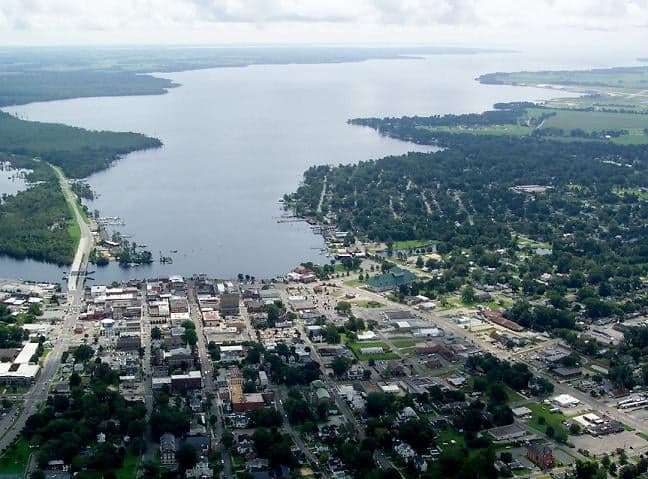
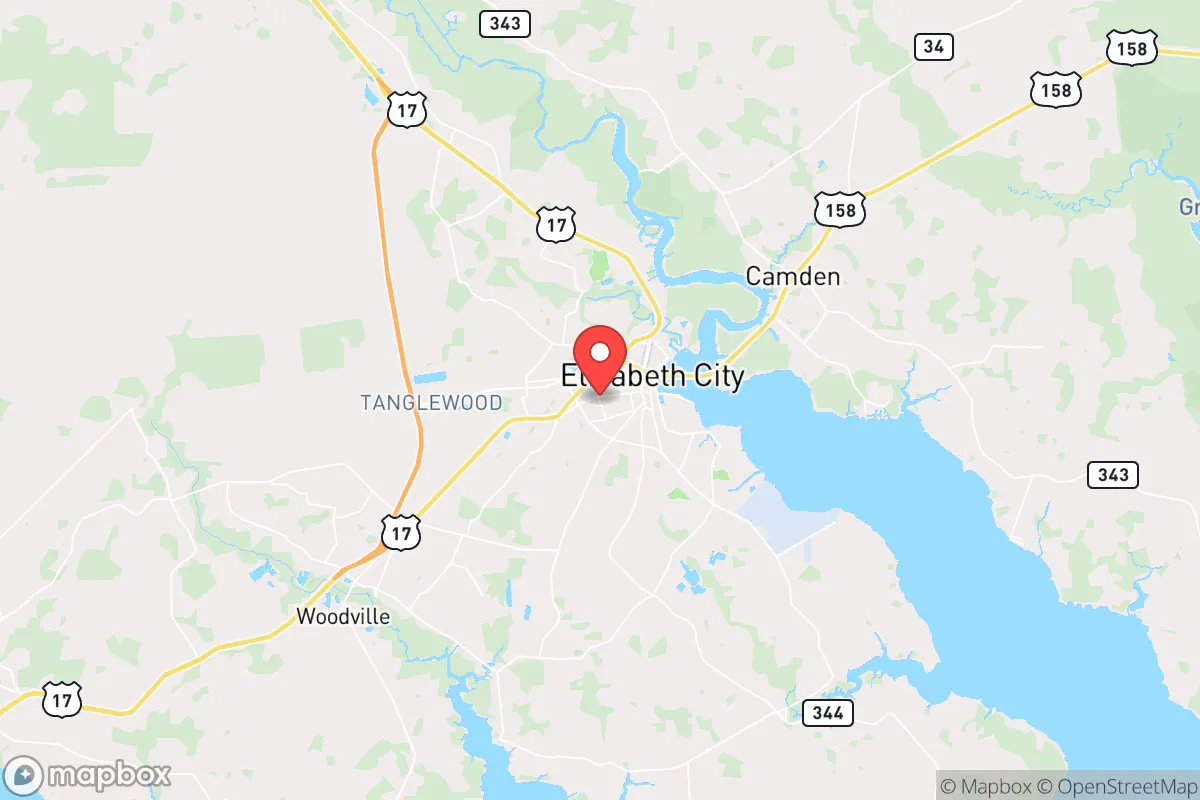
Photo: Wikipedia
Quality of Life in Elizabeth City, NC
A high quality of life with strong walkability, manageable living costs, healthy neighborhood signals, and solid amenity access.
What does Quality of Life tell us?
Quality of Life blends cost of living, nearby amenities, socioeconomic signals, and neighborhood character. City-level scores represent the whole municipality; individual neighborhoods can differ.
What does this tell us?
Quality of Life blends cost of living, nearby amenities, socioeconomic signals, and neighborhood character. City-level scores represent the whole municipality; individual neighborhoods can differ.
Cost of Living
14% below national average
The Real Cost of Living in Elizabeth City, NC for 2026
| Tier | Individual | Family (4) |
|---|---|---|
| Survival | $18k | $33k |
| Comfortable | $39k | $58k |
| Luxury | $90k+ | $139k+ |
| Elite (Top 5%) | $105k+ | $164k+ |
88%
The Area Signal
A metric tracking the socioeconomic signals of the area.
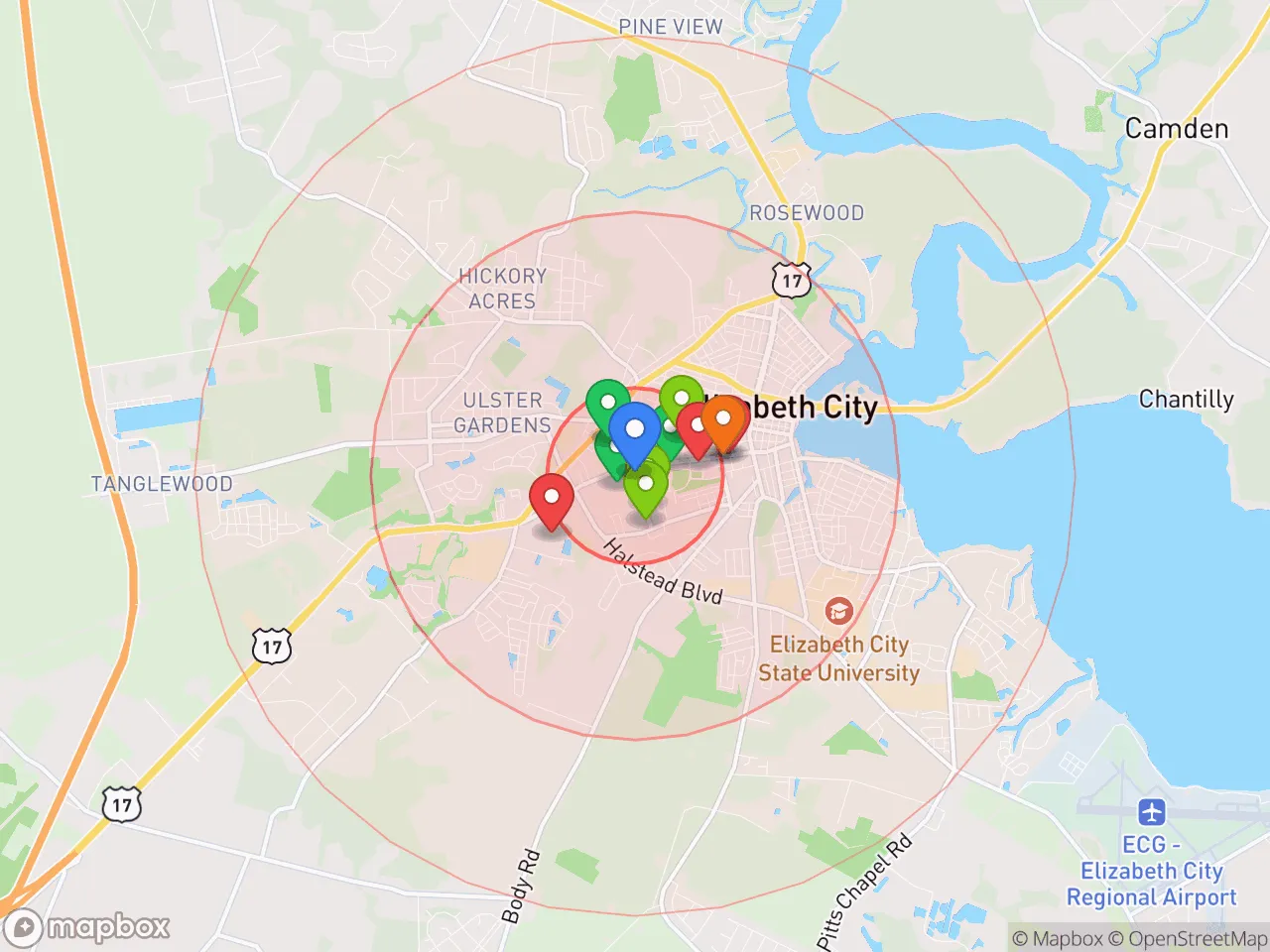
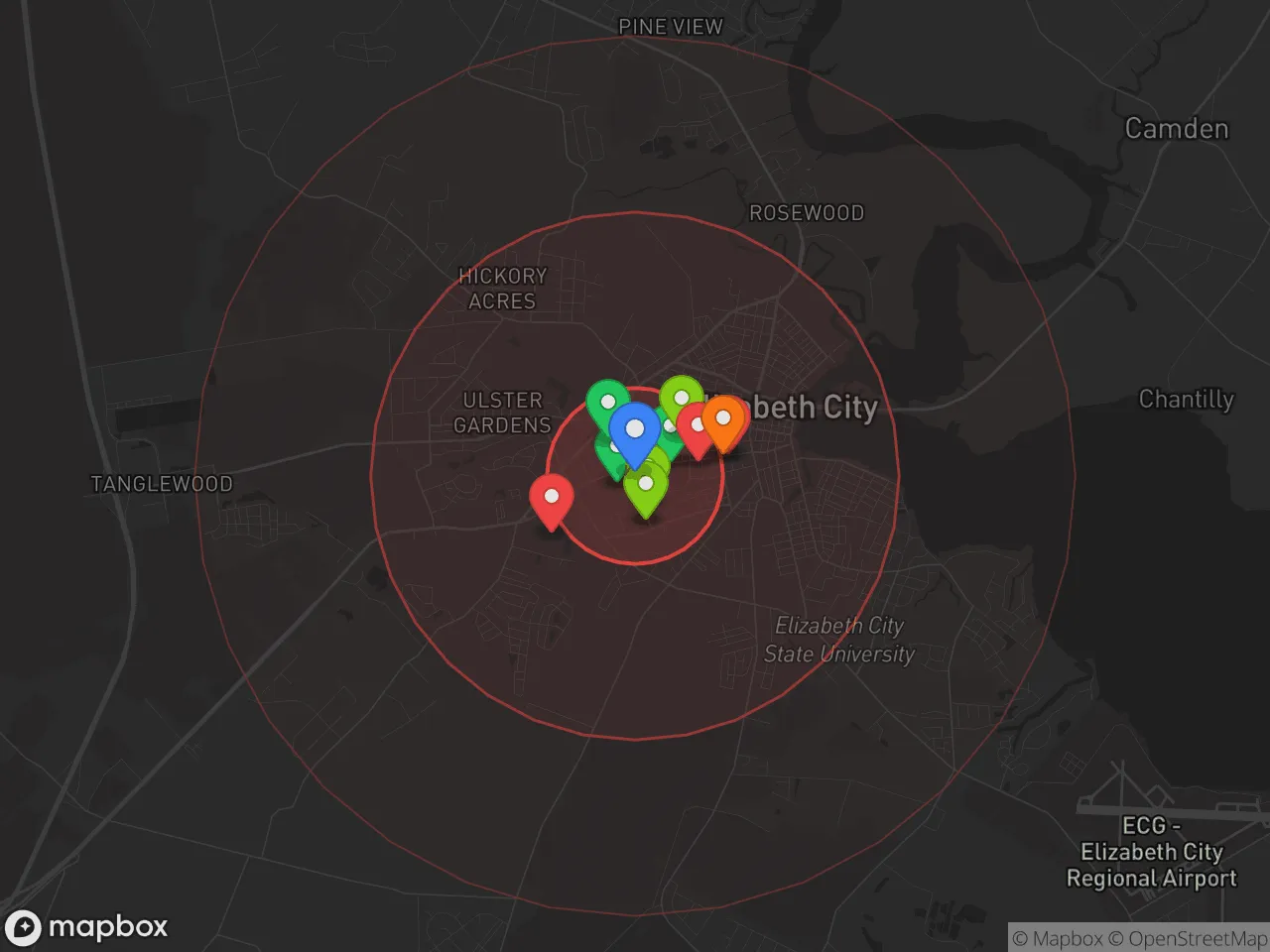
Hobbies
Explore the areaGroceries
3 within 10 miles
Gas
6 within 10 miles
Hospital
1 within 20 miles
Airport
RDU — Raleigh–Durham International
Post Office
USPS — Elizabeth City, NC
Critical Amenities
Quality-of-Life Analysis
Elizabeth City offers a notably lower cost of living than much of the coastal Northeast, with a composite index of 86 (where 100 equals the U.S. average), making it an attractive option for retirees, remote workers, and first-time homebuyers seeking affordability near the water. The city's population skews toward a mix of long-standing local families, students and faculty from Elizabeth City State University, and newcomers drawn by the slower pace and lower housing costs compared to the Outer Banks or Norfolk. While not an affluent community by national standards, its median household income hovers around $40,000, reflecting a working- and middle-class base that values stability and access to the Pasquotank River and nearby sounds.
Cost of living, housing affordability, and how it compares to nearby areas
Housing in Elizabeth City is significantly more affordable than in the popular coastal resort areas to the east. The median home value sits at $202,100, roughly half the median in Dare County (Outer Banks) and well below the Norfolk-Virginia Beach metro median of about $300,000. The median gross rent is $1,111, which undercuts rents in both the Outer Banks (often $1,500+) and the Hampton Roads suburbs. For context, a household earning the area's median income would spend about 33% of gross pay on a mortgage at current rates — within the standard affordability threshold. The overall cost of living index of 86 is driven primarily by lower housing and transportation costs; groceries and healthcare are close to the national average. Compared to nearby Edenton (index ~82) or Hertford (~84), Elizabeth City is slightly pricier but offers more retail, dining, and employment options, making it the practical hub of the northeastern North Carolina region.
What daily life is like for families: amenities, schools, and local rhythm
Daily life in Elizabeth City revolves around a compact downtown along the Pasquotank River, the Elizabeth City State University campus, and a network of parks and waterfront access points. The average commute is 22 minutes, well under the national average of 27 minutes, which means less time in the car and more time for riverfront walks, kayaking, or attending community events like the monthly First Friday ArtWalk. The public school system, Elizabeth City-Pasquotank County Schools, serves roughly 3,800 students across nine schools; while academic performance is mixed — the district's graduation rate is about 82%, slightly below the state average — there are specialized programs at the early college high school and a growing focus on career-technical education. For families, the presence of a four-year public university brings cultural programming, Division II athletics, and part-time job opportunities for older students. Healthcare is anchored by Sentara Albemarle Medical Center, a 182-bed facility that provides the region's only comprehensive emergency and surgical services. The overall rhythm is unhurried: mornings start with coffee at a local café on Water Street, afternoons might involve a trip to the nearby Dismal Swamp State Park, and evenings are quiet, with most retail and dining closing by 9 p.m.
Elizabeth City is best suited for people who prioritize affordability, a slower pace, and access to water-based recreation over urban nightlife or high-end shopping. Retirees on fixed incomes, remote workers who need a low-cost home base within an hour of the coast, and families who value a short commute and a tight-knit community will find the most to like here. Those seeking robust public transit, diverse high-end dining, or top-tier public schools may find the city's offerings limited. For the right resident, however, the combination of a cost of living 14% below the national average, a 22-minute commute, and a riverfront setting creates a quality of life that is both practical and pleasant.

Crime in Elizabeth City, NC
Higher crime rates than 57% of comparable U.S. locations.
Violent CrimeViolent Crime Analysis
Property CrimeProperty Crime Analysis
Crime Analysis
Elizabeth City, North Carolina, reports a violent crime rate of 350.3 incidents per 100,000 residents and a property crime rate of 2,436.6 per 100,000, placing it above both state and national averages for overall crime risk. While not among the most dangerous cities in the state, these figures indicate that residents face a heightened likelihood of experiencing crime compared to the typical North Carolina community. The city’s location as a regional hub in the northeastern part of the state, combined with its proximity to the larger Hampton Roads metro area, introduces dynamics that influence local safety conditions.
Crime in context
Elizabeth City’s violent crime rate of 350.3 per 100,000 is roughly 20% higher than the North Carolina state average and significantly exceeds the national median for cities of similar size. Property crime, at 2,436.6 per 100,000, also runs well above state benchmarks, with larceny-theft and burglary being the most frequently reported offenses. These numbers place Elizabeth City in a higher-risk tier among small North Carolina cities, though the rates are lower than those seen in larger, more distressed urban centers like Fayetteville or Wilmington. The city’s proximity to the Hampton Roads metropolitan area—a region that includes Norfolk and Virginia Beach—means that regional crime patterns, including drug trafficking along the I-64 corridor, can spill over into Elizabeth City. Progressive prosecutorial policies in nearby large metro jurisdictions have been linked to reduced incarceration rates and increased recidivism, and some of those effects may ripple into smaller communities like Elizabeth City through population movement and regional criminal networks.
What residents experience
For residents, the most tangible safety concerns center on property crimes such as vehicle break-ins, home burglaries, and theft from porches or yards. Violent incidents, while less frequent, do occur and are often concentrated in specific areas or tied to disputes among individuals known to one another. Elizabeth City’s downtown and older residential neighborhoods near Water Street and Ehringhaus Street have historically reported higher crime volumes, while newer subdivisions on the city’s outskirts tend to see fewer incidents. Residents commonly report that police response times are adequate for emergencies but that proactive patrols in higher-crime areas could be improved. The presence of Elizabeth City State University introduces a transient student population, which can both contribute to and be affected by local crime patterns, particularly theft and alcohol-related offenses.
Neighborhood-level variation
Safety in Elizabeth City varies noticeably by neighborhood. Areas west of U.S. Highway 17, including the Halstead Boulevard corridor and newer developments near the waterfront, generally experience lower crime rates. In contrast, older central neighborhoods such as those around Road Street, Cypress Street, and the area near the Pasquotank River bridge report higher concentrations of both property and violent crime. Prospective residents should research block-level crime maps and consider visiting neighborhoods at different times of day to assess conditions firsthand. The city’s relatively compact size means that safe and higher-risk areas can be just a few blocks apart, making localized knowledge essential for an accurate safety assessment.
* Values derived from national, state, county, city and local statistics and may differ in a specific area. Last updated: 2026-10-21T18:42:18.000Z
Narrative content on this page is AI-generated and may contain mistakes. Verify any details that matter before acting on them.
ReloMaps may earn a commission from affiliate links at no extra cost to you.

