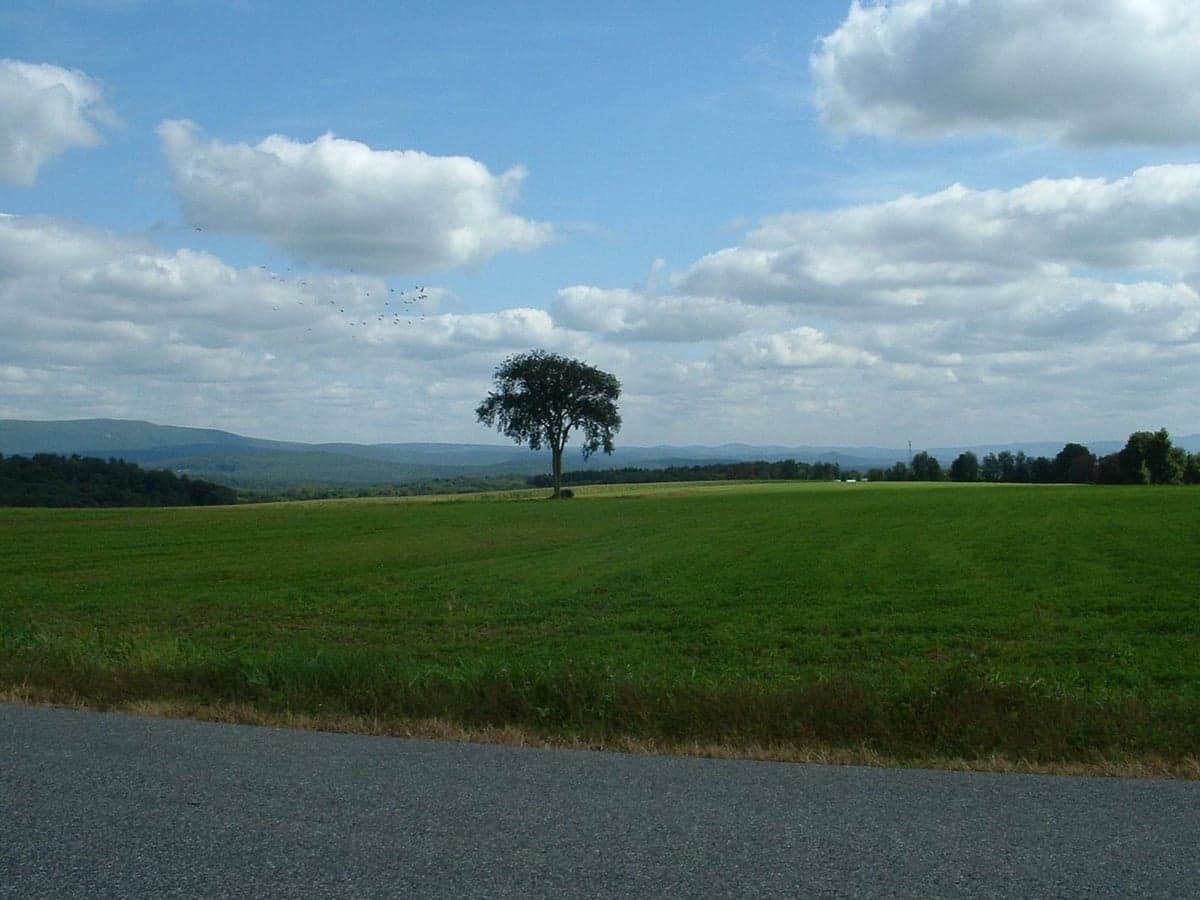
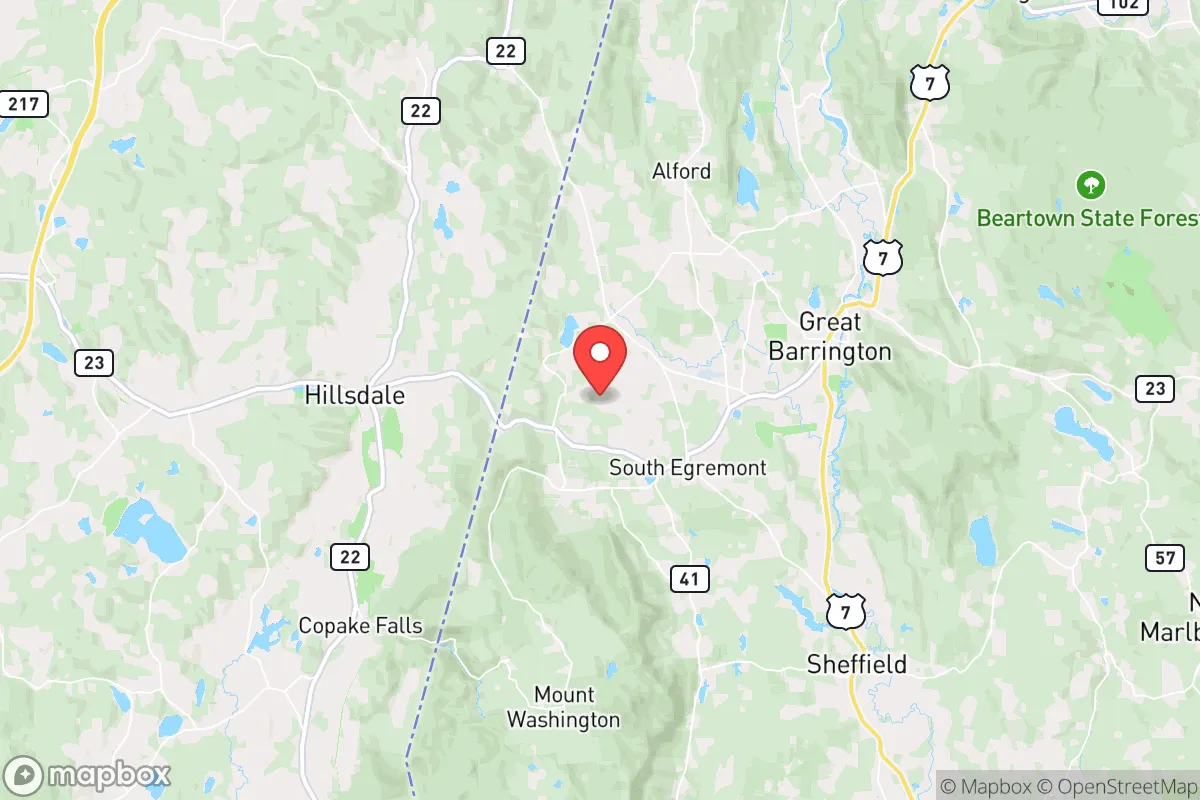
Photo: Wikipedia
Quality of Life in Egremont, MA
A high quality of life with strong walkability, manageable living costs, healthy neighborhood signals, and solid amenity access.
What does Quality of Life tell us?
Quality of Life blends cost of living, nearby amenities, socioeconomic signals, and neighborhood character. City-level scores represent the whole municipality; individual neighborhoods can differ.
What does this tell us?
Quality of Life blends cost of living, nearby amenities, socioeconomic signals, and neighborhood character. City-level scores represent the whole municipality; individual neighborhoods can differ.
Cost of Living
58% above national average
The Real Cost of Living in Egremont, MA for 2026
| Tier | Individual | Family (4) |
|---|---|---|
| Survival | $21k | $39k |
| Comfortable | $125k | $184k |
| Luxury | $193k+ | $300k+ |
| Elite (Top 5%) | $227k+ | $353k+ |
60%
The Area Signal
A metric tracking the socioeconomic signals of the area.
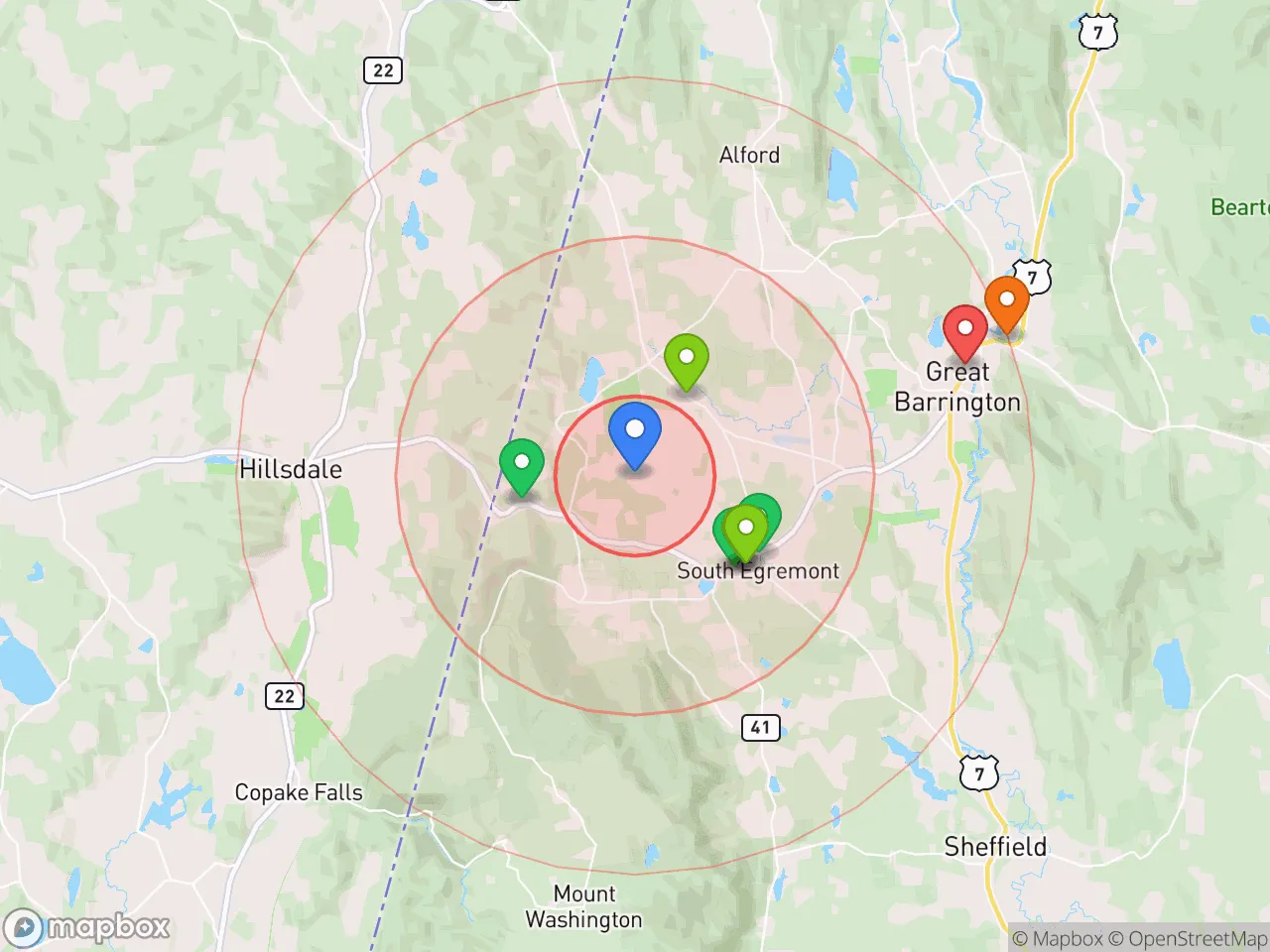
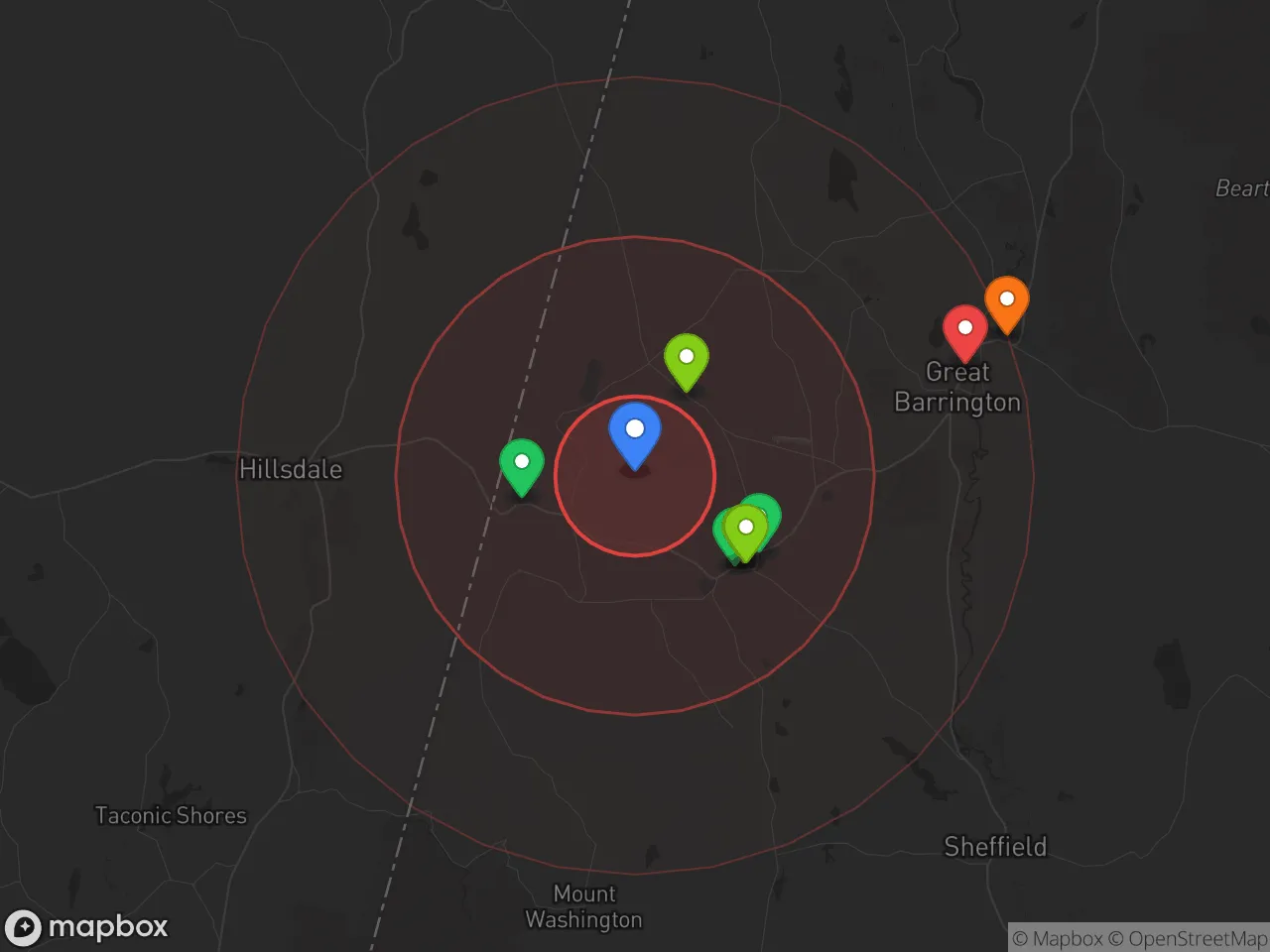
Hobbies
Explore the areaGroceries
2 within 10 miles
Gas
8 within 10 miles
Hospital
3 within 20 miles
Airport
JFK — John F. Kennedy International
Post Office
USPS — Egremont, MA
Critical Amenities
Quality-of-Life Analysis
Egremont, Massachusetts, is a small, affluent Berkshire County town where the cost of living index of 158 (58% above the U.S. average) reflects a community of professionals, second-home owners, and retirees drawn to its rural character and proximity to cultural amenities. With a median home value of $643,400 and a median rent of $1,289, the housing market is significantly more expensive than the national median, but it remains competitive compared to the priciest Boston suburbs or neighboring New York State towns. The typical resident is a homeowner with a higher-than-average income, often commuting 38 minutes to work—a journey that frequently leads to Great Barrington, Stockbridge, or Pittsfield, where employment hubs in healthcare, education, and the arts are concentrated.
Cost of living, housing affordability, and how Egremont compares to nearby towns
Egremont’s cost of living index of 158 is driven almost entirely by housing, as groceries and healthcare costs align more closely with national averages. The median home value of $643,400 is roughly 30% higher than the Berkshire County median of about $495,000, placing Egremont among the pricier towns in the region alongside Sheffield and Great Barrington. Renters face a more moderate burden: the median rent of $1,289 is only slightly above the county average of $1,200, making renting a more accessible entry point than buying. For comparison, a similar-sized home in nearby Pittsfield (index 110) would cost roughly 30% less, while in South Egremont—a village within the town—prices can exceed $750,000 for historic properties. Property taxes in Egremont average about 1.1% of assessed value, which is lower than the Massachusetts state average of 1.2%, offering some relief to homeowners. The 38-minute average commute is longer than the national average of 26 minutes, reflecting the town’s rural setting and the need to drive to job centers in Great Barrington (15 minutes) or Pittsfield (25 minutes).
Schools, local amenities, and the daily rhythm of life in Egremont
Egremont is served by the Berkshire Hills Regional School District, which includes the highly rated Undermountain Elementary School (rated 8/10 on GreatSchools) in nearby Sheffield and Monument Mountain Regional High School in Great Barrington. The town has no commercial downtown; instead, daily errands center on the village of South Egremont, which offers a general store, a post office, and a handful of restaurants. For groceries, healthcare, and retail, residents drive 10 minutes to Great Barrington, which hosts a Big Y supermarket, Fairview Hospital, and a walkable Main Street with boutiques and cafes. Outdoor life defines the rhythm here: the Appalachian Trail passes through town, and Mount Everett State Reservation and Bash Bish Falls are within a 15-minute drive. Cultural amenities are a short trip away—Tanglewood (summer home of the Boston Symphony Orchestra) is 20 minutes north, and the Norman Rockwell Museum is in Stockbridge, 15 minutes east. The town has no public transit, so a car is essential. Community life revolves around the Egremont Village Association, which hosts seasonal events like the Egremont Summer Festival and a farmers’ market.
Egremont is best suited for those who prioritize quiet, natural beauty, and access to Berkshire County’s cultural scene over urban convenience or low housing costs. Retirees and remote workers with flexible schedules will appreciate the slower pace and the 38-minute commute to Pittsfield or Great Barrington for work. Families should note the strong school district but plan for the lack of after-school activities within town limits. Second-home buyers seeking a weekend retreat near Tanglewood and ski areas like Butternut (15 minutes away) will find Egremont’s high home values justified by its scenic setting and low property tax rate. Renters and first-time buyers on a budget may find better value in nearby Sheffield or Lee, where median home values are $100,000–$150,000 lower. Ultimately, Egremont offers a premium lifestyle for those who can afford it, with trade-offs in commute time and local convenience.

Crime in Egremont, MA
Lower crime rates than 91% of comparable U.S. locations.
Violent CrimeViolent Crime Analysis
Property CrimeProperty Crime Analysis
Crime Analysis
Egremont, Massachusetts, is one of the safest small towns in the Berkshires, with a violent crime rate of just 145.3 per 100,000 residents and a reported property crime rate of 0 per 100,000. These figures place the town far below both the Massachusetts state average and national benchmarks, making it an outlier for safety in a region that generally enjoys low crime. However, the broader context of Berkshire County and the state’s progressive criminal justice policies warrants a cautious perspective for potential residents.
Crime in context
Egremont’s violent crime rate of 145.3 per 100,000 is approximately 60% lower than the national average of roughly 380 per 100,000 and well under the Massachusetts state average of about 300 per 100,000. The property crime rate of 0 per 100,000 is essentially nonexistent, a rarity even in rural communities. For comparison, the national property crime rate hovers around 1,950 per 100,000. While these statistics are exceptional, they must be weighed against the reality that Massachusetts, particularly its western counties, operates under a legal framework that includes progressive district attorneys and judges. In 2024, Berkshire County’s district attorney, Timothy Shugrue, has emphasized diversion programs and alternatives to incarceration. Critics argue such policies can reduce deterrence and lead to recidivism, even if local crime numbers remain low. The state’s 2018 criminal justice reform law, which raised the felony theft threshold to $1,250 and expanded parole eligibility, has been cited by some law enforcement groups as a factor in property crime trends elsewhere in the state, though Egremont has not yet experienced those effects.
What residents experience
Daily life in Egremont is characterized by a strong sense of security, with most incidents limited to minor traffic violations or occasional domestic disputes. The town is patrolled by the Massachusetts State Police and the Egremont Police Department, a small force that maintains close community ties. Residents report feeling safe walking at night and leaving homes unlocked, a stark contrast to urban areas. However, the town’s proximity to Great Barrington (about 10 miles east) and Pittsfield (about 20 miles north) means that regional crime trends can occasionally spill over. Great Barrington, for instance, has seen a slight uptick in drug-related offenses and thefts from vehicles in recent years, though violent crime there remains low. For families and retirees seeking a quiet, rural environment, Egremont’s safety record is a major draw, but the broader judicial environment in Massachusetts—where progressive policies prioritize rehabilitation over punishment—should be a consideration for those concerned about long-term crime trends.
Neighborhood-level variation within Egremont is minimal due to the town’s small population (about 1,200) and rural layout. The South Egremont village area, near the Connecticut border, sees slightly more traffic and occasional trespassing incidents, while the northern parts near the Appalachian Trail are extremely isolated and virtually crime-free. No specific neighborhoods have elevated crime rates, and the town lacks the socioeconomic disparities that often drive crime in larger communities. For the most current data, residents can consult the Egremont Police Department’s annual reports or the Massachusetts Executive Office of Public Safety and Security’s crime statistics portal.
* Values derived from national, state, county, city and local statistics and may differ in a specific area. Last updated: 2026-09-29T17:14:46.000Z
Narrative content on this page is AI-generated and may contain mistakes. Verify any details that matter before acting on them.
ReloMaps may earn a commission from affiliate links at no extra cost to you.

