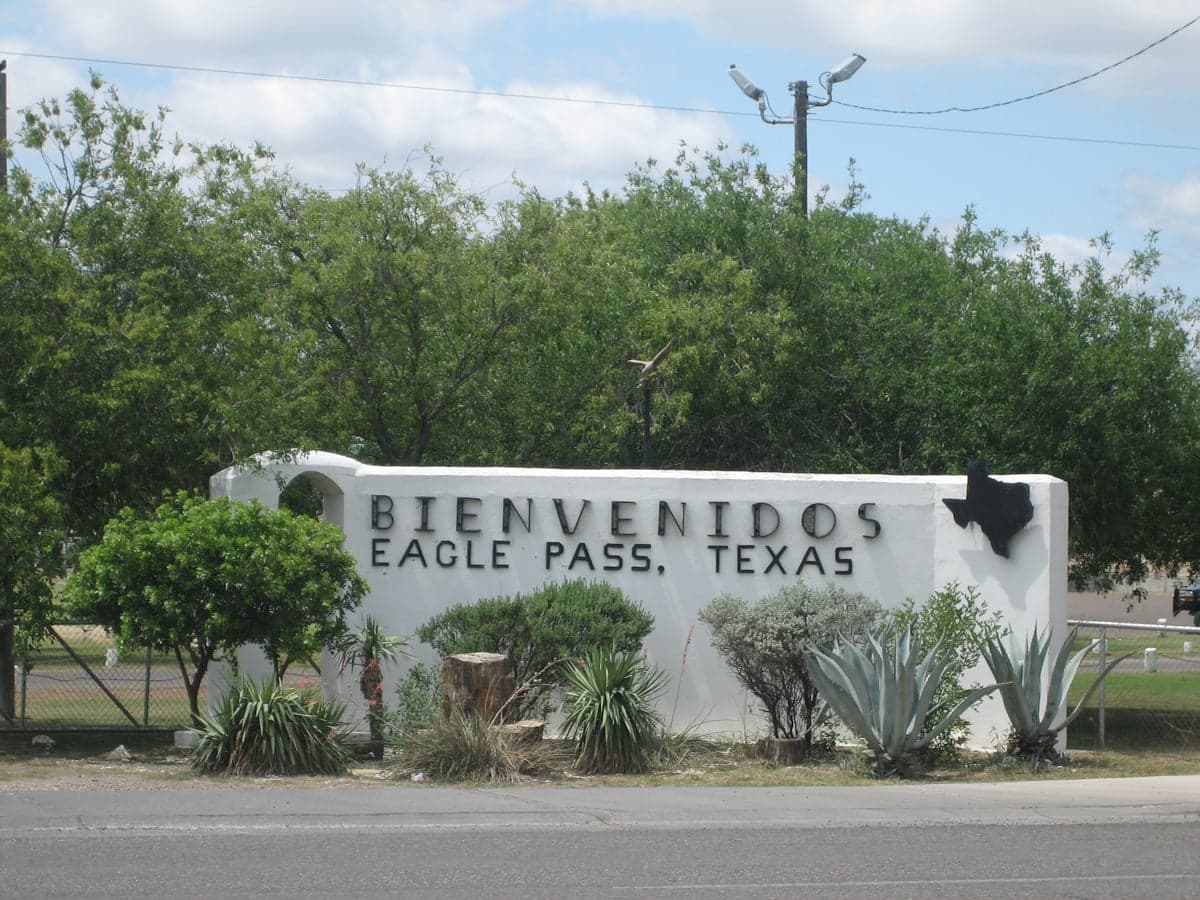
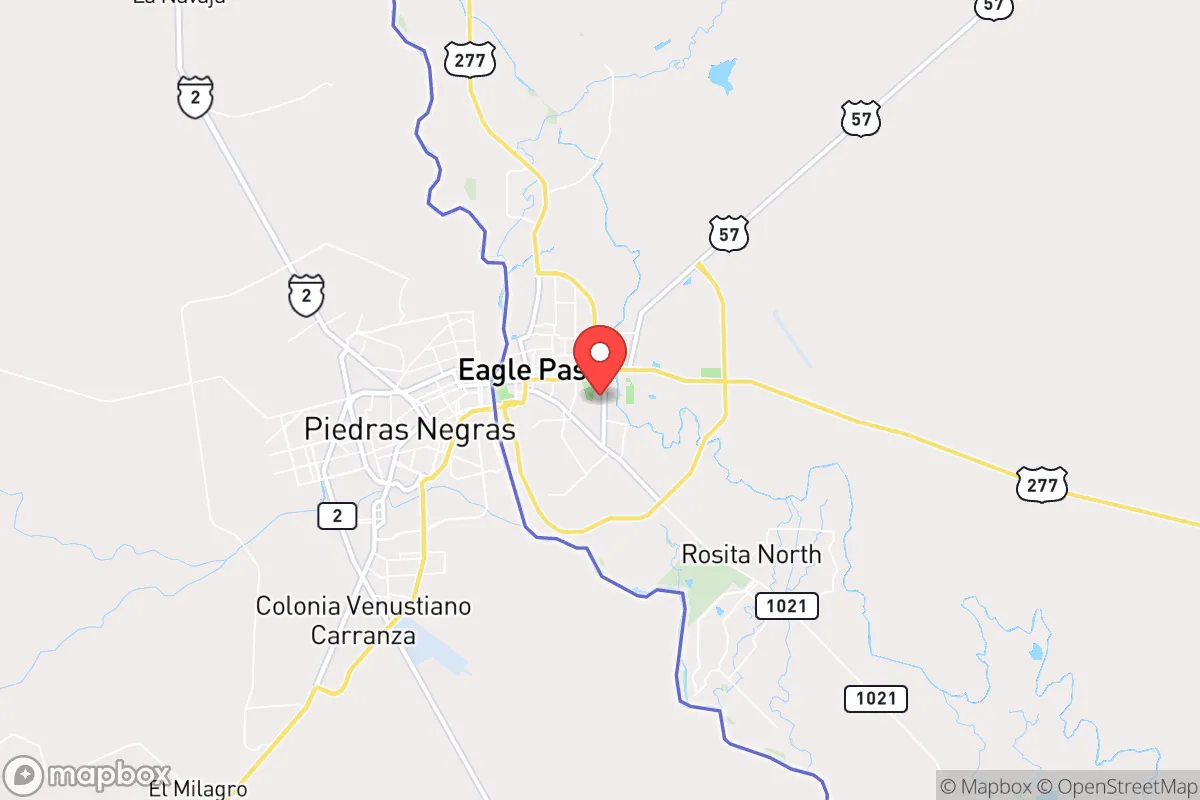
Photo: Wikipedia
Quality of Life in Eagle Pass, TX
Above-average quality of iife. The area offers a reasonable cost of living, decent mobility, and a mix of neighborhood amenities.
What does Quality of Life tell us?
Quality of Life blends cost of living, nearby amenities, socioeconomic signals, and neighborhood character. City-level scores represent the whole municipality; individual neighborhoods can differ.
What does this tell us?
Quality of Life blends cost of living, nearby amenities, socioeconomic signals, and neighborhood character. City-level scores represent the whole municipality; individual neighborhoods can differ.
Cost of Living
32% below national average
The Real Cost of Living in Eagle Pass, TX for 2026
| Tier | Individual | Family (4) |
|---|---|---|
| Survival | $13k | $24k |
| Comfortable | $37k | $55k |
| Luxury | $88k+ | $136k+ |
| Elite (Top 5%) | $103k+ | $160k+ |
100%
The Area Signal
A metric tracking the socioeconomic signals of the area.
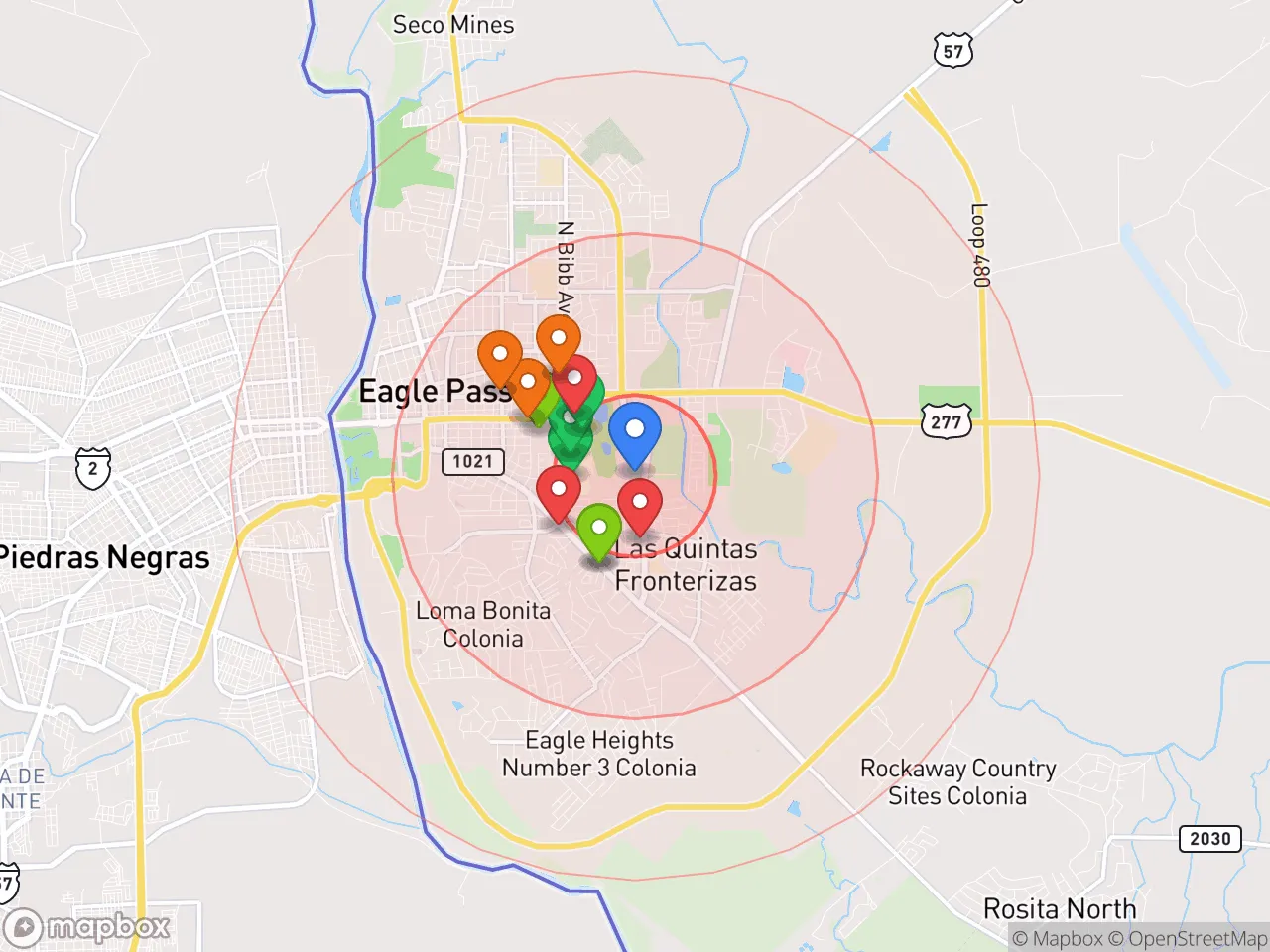
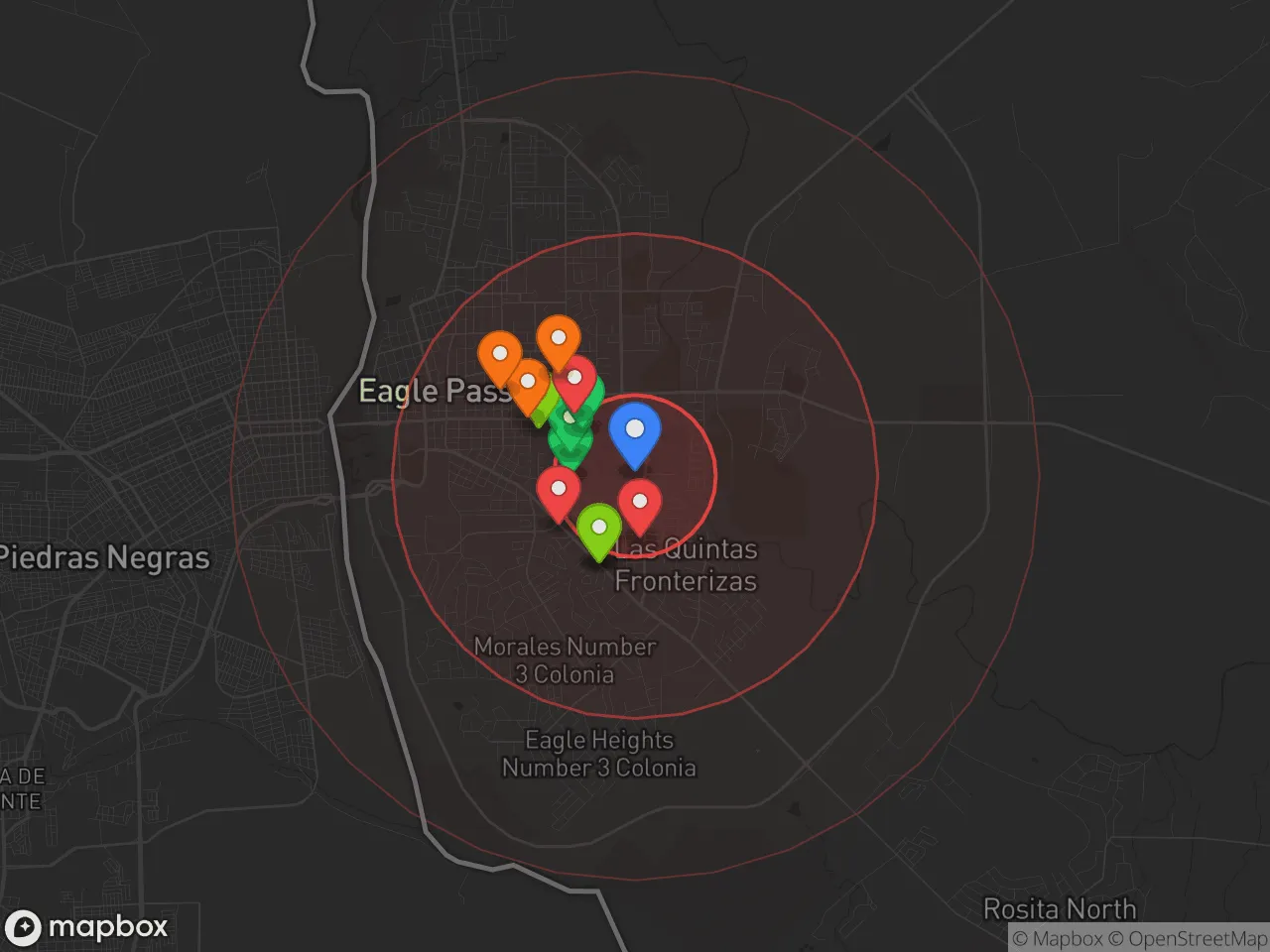
Hobbies
Explore the areaGroceries
0 within 10 miles
Gas
0 within 10 miles
Hospital
0 within 20 miles
Airport
SAN — San Antonio International
Post Office
Critical Amenities
Quality-of-Life Analysis
Eagle Pass, Texas, presents a notably affordable quality of life that attracts a mix of border economy workers, military families connected to the nearby Fort Duncan, and retirees seeking a low-cost, warm-climate alternative to pricier Texas metros. With a cost of living index of 68 (100 = U.S. average), the city offers a financial cushion that is increasingly rare in 2026, drawing residents who prioritize budget stability over urban amenities. The population skews younger and family-oriented, with a strong Hispanic cultural foundation that shapes daily life, commerce, and community events.
Cost of living, housing affordability, and how Eagle Pass compares to nearby cities
Eagle Pass’s cost of living sits 32% below the national average, making it one of the most affordable border communities in Texas. The median home value is $192,600, roughly half the Texas state median of around $340,000, while the median rent of $794 is well below the national average of $1,200. Compared to nearby Del Rio (COL index 72) or Piedras Negras across the border (where U.S. dollars stretch further but cross-border commuting adds time), Eagle Pass offers a middle ground: lower housing costs than San Antonio (COL index 90) but with a slower, more predictable pace of life. The average commute of 20.3 minutes is notably shorter than the national average of 26 minutes, reducing transportation costs and freeing up time for family or side work. Property taxes in Maverick County hover around 1.8%, slightly above the Texas average, but the low home prices keep annual tax bills manageable—typically under $3,500 for a median-priced home.
What daily life is like for families: schools, amenities, and local rhythm
Daily life in Eagle Pass revolves around a tight-knit, border-town rhythm. The Eagle Pass Independent School District serves roughly 10,000 students, with Winn High School and Eagle Pass High School offering dual-credit programs and UIL athletics. For healthcare, Fort Duncan Regional Medical Center provides emergency and specialty care, though residents often travel 140 miles to San Antonio for advanced procedures. Retail and dining are concentrated along the U.S. 277 corridor, with national chains like Walmart and H-E-B supplemented by local taquerias and panaderías. The city’s Maverick County Lake offers fishing, kayaking, and camping within a 15-minute drive, while the Eagle Pass Golf Course provides a low-cost 18-hole option. Cross-border shopping and medical tourism to Piedras Negras are common, with the international bridge seeing heavy daily foot traffic. The pace is noticeably slower than San Antonio or Laredo—weekends center on family gatherings, church events, and high school football at the 6,000-seat Eagle Pass Stadium.
Eagle Pass is best suited for budget-conscious families, border-industry workers, and retirees who value low housing costs, short commutes, and a strong cultural community over big-city entertainment and career diversity. The city’s affordability is a genuine advantage—a median home at $192,600 and rent under $800 allow many households to live on a single income or save aggressively. However, those seeking high-end dining, specialized healthcare, or rapid job growth in tech or professional services will find the options limited. For anyone comfortable with a slower, binational lifestyle where Spanish and English blend seamlessly, Eagle Pass offers a stable, low-stress quality of life that few Texas cities can match on price alone.

Crime in Eagle Pass, TX
Generally safer than 73% of comparable U.S. locations.
Violent CrimeViolent Crime Analysis
Property CrimeProperty Crime Analysis
Crime Analysis
Eagle Pass, Texas, presents a mixed safety profile that is significantly shaped by its border location and local law enforcement priorities. The city’s violent crime rate of 179.8 incidents per 100,000 residents is notably lower than both the Texas state average and the national rate, while its property crime rate of 1,528.1 per 100,000 sits slightly above the national median. These figures, however, do not capture the full picture of daily safety, which is heavily influenced by the city’s role as a major port of entry and the surrounding county’s conservative legal environment.
Crime in context
Eagle Pass’s violent crime rate is roughly half the national average of about 380 per 100,000, placing it among safer small cities in Texas for personal safety. Property crime, however, is a more pressing concern, with a rate approximately 10% higher than the national average of 1,401 per 100,000. This pattern is common in border communities, where vehicle theft and burglary rates can be elevated due to cross-border trafficking and transient populations. Crucially, Maverick County, which encompasses Eagle Pass, operates under a conservative legal framework. Unlike large metro areas with progressive district attorneys who may deprioritize certain prosecutions, local judges and the district attorney here generally pursue tougher sentencing, which helps keep violent offenders off the streets and contributes to the low violent crime numbers.
What residents experience
For most residents, daily life in Eagle Pass does not involve violent encounters. The low violent crime rate means that random assaults or robberies are uncommon. The primary safety nuisance is property crime, particularly theft from vehicles and residential burglaries in neighborhoods near the border crossing or major commercial corridors. Residents report that petty theft and vehicle break-ins are the most frequent crimes, often targeting unlocked cars or unattended items. The presence of U.S. Customs and Border Protection and local police patrols in high-traffic areas provides a visible deterrent, though some neighborhoods closer to the international bridge experience more transient activity and associated property crime.
Neighborhood-level variation
Safety in Eagle Pass varies noticeably by neighborhood. The newer subdivisions on the city’s north side, such as those near the Eagle Pass Golf Course and along Highway 277, generally experience very low crime rates and are considered the safest areas. Older neighborhoods closer to downtown and the Rio Grande, particularly around the port of entry, see higher rates of property crime and occasional drug-related offenses. The colonias on the city’s periphery, which lack full infrastructure, can have elevated rates of domestic violence and theft, though these are often underreported. Overall, the city’s conservative judicial approach means that even in higher-crime pockets, repeat offenders face stricter consequences than in jurisdictions with progressive prosecutors, contributing to a generally safer environment than many similarly sized Texas border towns.
* Values derived from national, state, county, city and local statistics and may differ in a specific area. Last updated: 2026-11-11T04:03:54.000Z
Narrative content on this page is AI-generated and may contain mistakes. Verify any details that matter before acting on them.
ReloMaps may earn a commission from affiliate links at no extra cost to you.

