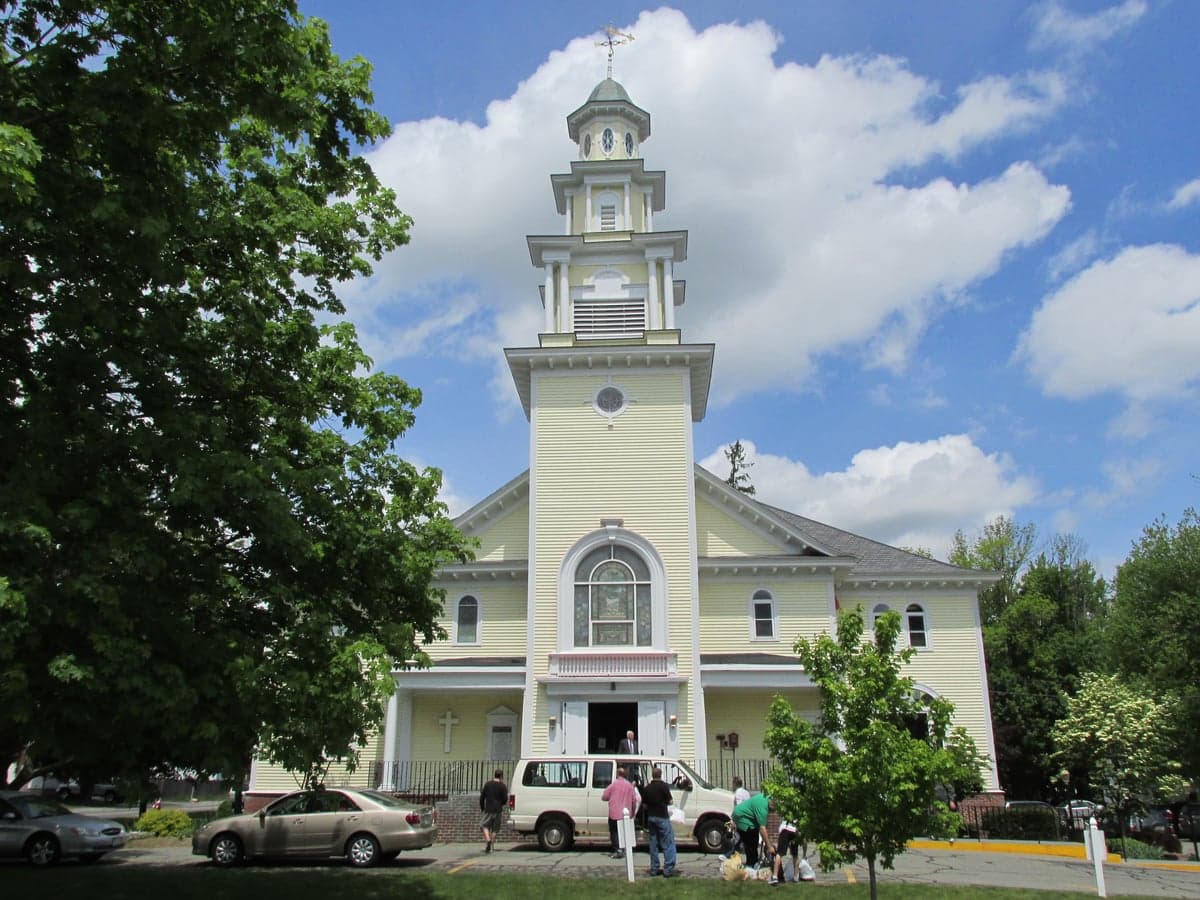
Photo: Wikipedia
Quality of Life in Dracut, MA
A high quality of life with strong walkability, manageable living costs, healthy neighborhood signals, and solid amenity access.
What does Quality of Life tell us?
Quality of Life blends cost of living, nearby amenities, socioeconomic signals, and neighborhood character. City-level scores represent the whole municipality; individual neighborhoods can differ.
What does this tell us?
Quality of Life blends cost of living, nearby amenities, socioeconomic signals, and neighborhood character. City-level scores represent the whole municipality; individual neighborhoods can differ.
Cost of Living
39% above national average
The Real Cost of Living in Dracut, MA for 2026
| Tier | Individual | Family (4) |
|---|---|---|
| Survival | $26k | $48k |
| Comfortable | $77k | $113k |
| Luxury | $128k+ | $198k+ |
| Elite (Top 5%) | $150k+ | $233k+ |
68%
The Area Signal
A metric tracking the socioeconomic signals of the area.
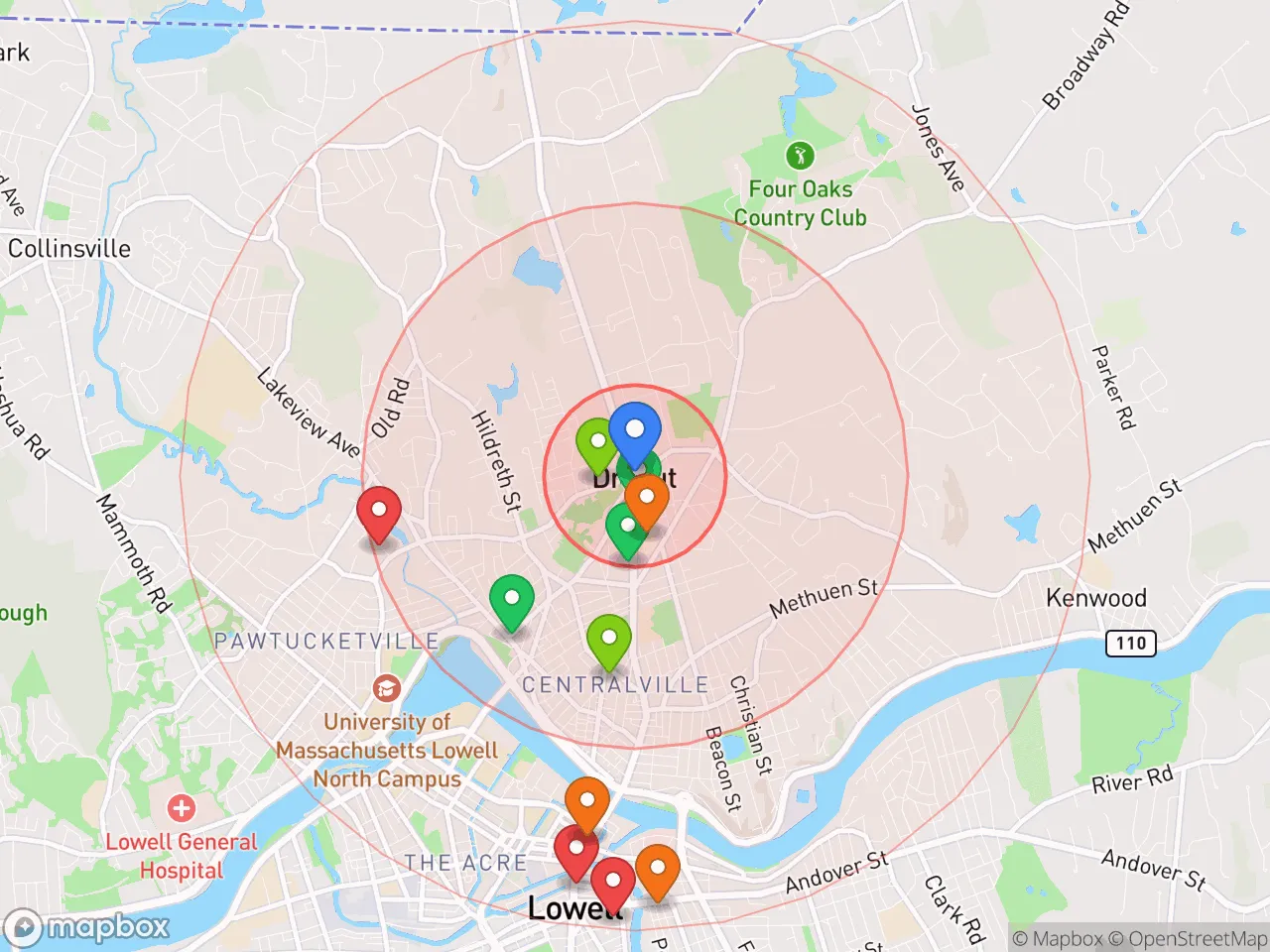
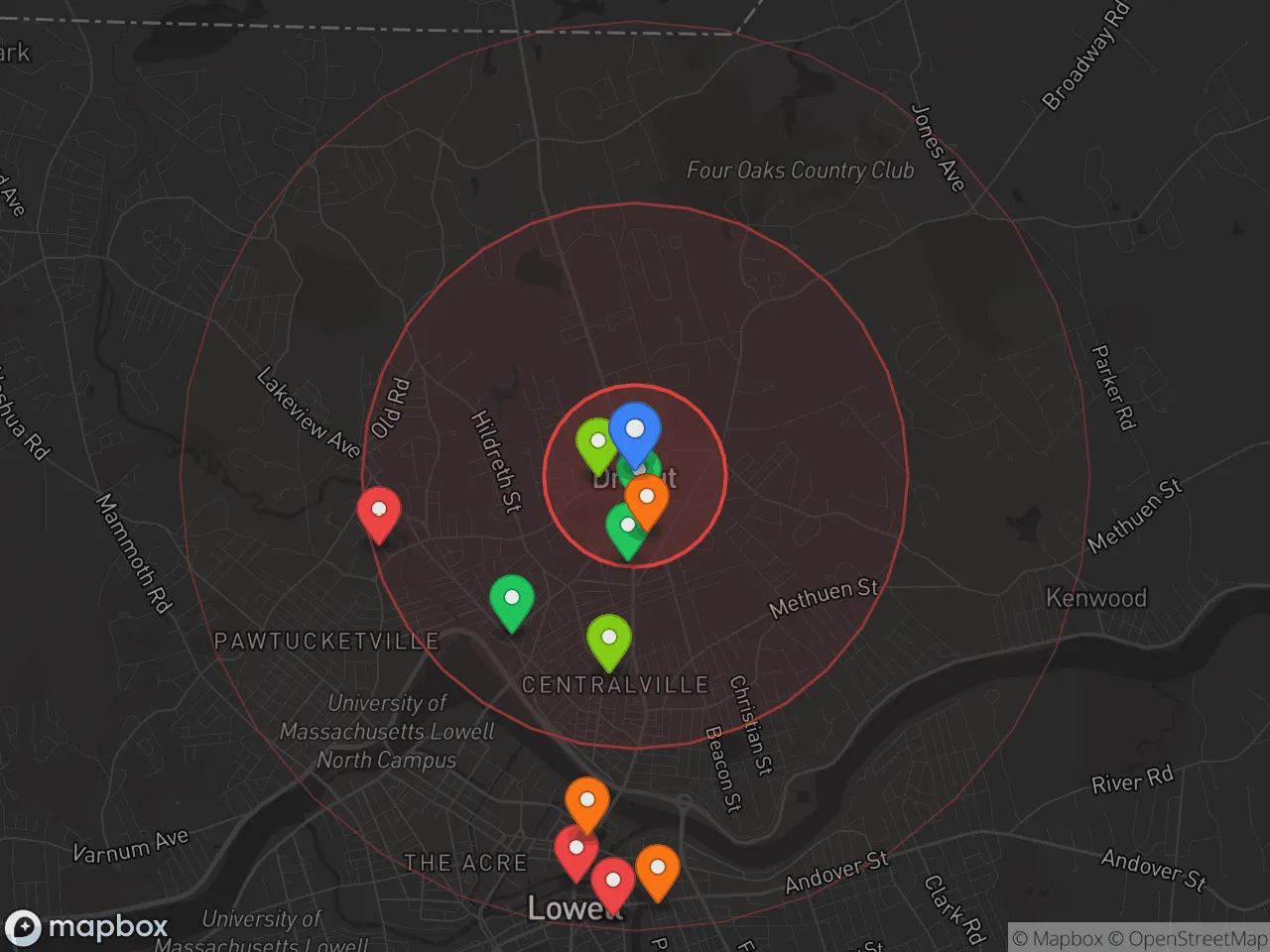
Hobbies
Explore the areaGroceries
0 within 10 miles
Gas
0 within 10 miles
Hospital
0 within 20 miles
Airport
PDX — Portland International Jetport
Post Office
Critical Amenities
Quality-of-Life Analysis
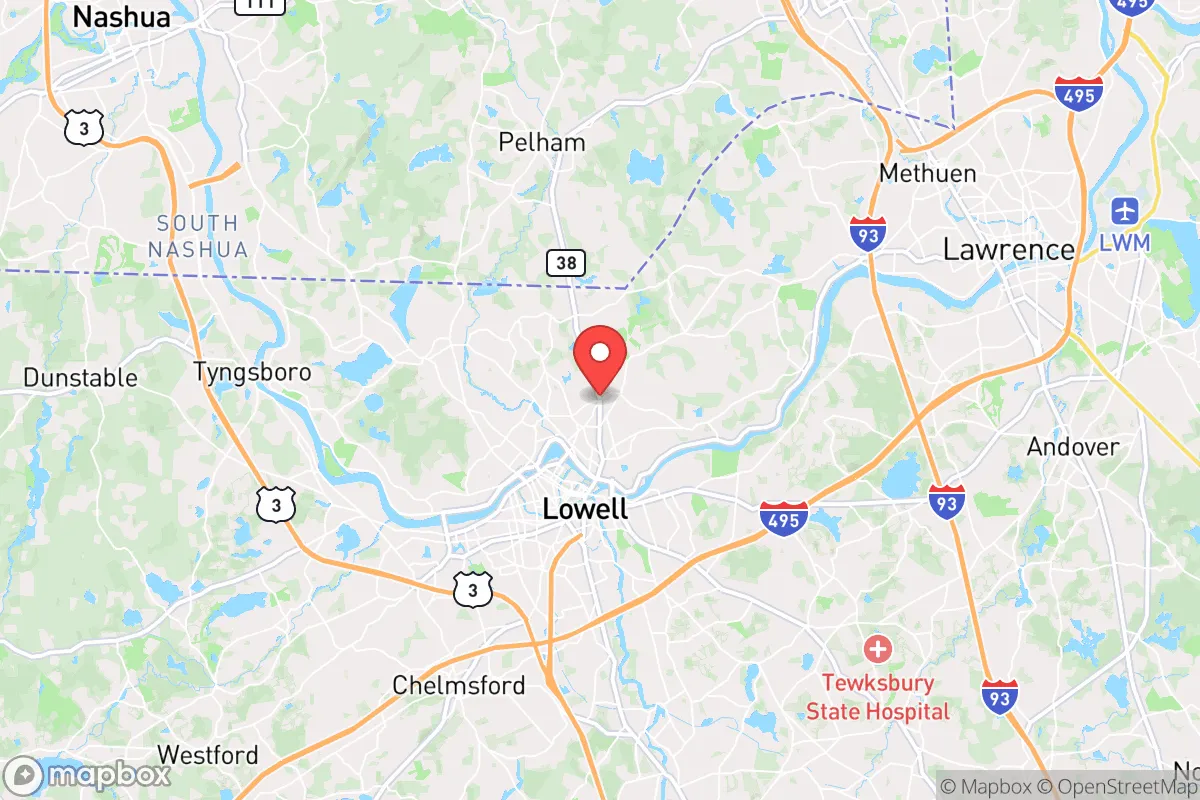
Dracut, Massachusetts, is an affluent, family-oriented suburb northwest of Boston, where a predominantly white-collar population of roughly 31,000 enjoys a blend of rural charm and commuter convenience. The town’s cost of living index of 139 (100 = U.S. average) reflects its position as a more affordable alternative to immediate neighbors like Lowell and Tewksbury, while still commanding a premium over national norms. Residents are typically professionals, tradespeople, and families drawn by strong schools, low crime, and access to the Merrimack Valley’s job market.
Cost of living and housing affordability compared to Lowell and Tewksbury
Dracut’s cost of living sits 39% above the national average, driven primarily by housing. The median home value of $395,100 is notably lower than the Boston metro median of roughly $650,000, making Dracut a relative bargain for the region. Median rent stands at $1,603, which undercuts nearby Lowell ($1,750) and Tewksbury ($1,800). However, property taxes in Dracut average about $5,200 annually on a median home—higher than the state median of $4,800—partly due to the town’s reliance on residential property taxes without a large commercial base. For buyers, the trade-off is clear: you pay less for a single-family home than in adjacent suburbs, but you get less commercial tax relief. The average commute of 27.5 minutes is manageable for workers heading to Boston (via I-93 or the Lowell Commuter Rail) or to regional employers like Raytheon in Andover or Lowell General Hospital. Utility costs and grocery prices align with the state average, meaning the biggest budget strain remains housing.
Schools, parks, and what daily life is like for families
Dracut’s public school system—serving about 3,700 students across six elementary schools, one middle school, and Dracut Senior High School—consistently earns above-average ratings on GreatSchools, with the high school scoring 7/10. The district offers robust special education programs and a strong athletics tradition, particularly in football and hockey. Daily life revolves around the town’s 20+ parks and conservation areas, including the 200-acre Beaver Brook Reservation and the Dracut Town Forest, which provide hiking, fishing, and cross-country skiing. The town lacks a traditional downtown; instead, commercial activity clusters along Lakeview Avenue and Broadway Road, anchored by a Market Basket supermarket, local diners, and small plazas. For dining and nightlife, residents drive 10 minutes to Lowell’s Mill City district or 20 minutes to Nashua, New Hampshire’s Pheasant Lane Mall. The absence of a commuter rail stop inside Dracut means most residents drive to Lowell’s Gallagher Terminal or Wilmington’s station, though the MBTA bus route 13 connects Dracut to Lowell’s train station. The town’s annual Old Home Day festival in September and the Dracut Farmers Market (June–October) reinforce a tight-knit, civic-minded atmosphere.
Dracut is best suited for families and professionals who prioritize good schools, low crime, and space over urban amenities. Empty-nesters and retirees also find appeal in the town’s quiet neighborhoods and proximity to Nashua’s tax-free shopping. Singles and young professionals may find the social scene limited, but the short commute to Boston and Lowell offsets that for many. Anyone seeking a walkable, transit-rich environment should look elsewhere; Dracut is car-dependent, with a Walk Score of 22. For those who value a safe, well-funded school system and a house with a yard within striking distance of Boston, Dracut delivers a solid, if unglamorous, quality of life.

Crime in Dracut, MA
Lower crime rates than 89% of comparable U.S. locations.
Violent CrimeViolent Crime Analysis
Property CrimeProperty Crime Analysis
Crime Analysis
Dracut, Massachusetts, presents a mixed safety profile for prospective residents. The town’s violent crime rate of 124.2 incidents per 100,000 people is notably lower than both the Massachusetts state average and national figures, while its property crime rate of 409.1 per 100,000 sits slightly below the national median but above the state average. However, as a community within the Greater Boston metro area, Dracut is subject to the broader regional influence of progressive criminal justice policies that can undermine public safety by prioritizing offender rehabilitation over incarceration and deterrence.
Crime in context
Dracut’s violent crime rate is roughly one-third the national average (which hovers around 380 per 100,000), making it a statistically safe town for violent offenses. Property crime, while higher than the state average of approximately 350 per 100,000, remains below the U.S. median of about 1,950 per 100,000. These numbers place Dracut in a favorable position compared to many neighboring communities in Middlesex County. However, these statistics should be weighed against the reality that Massachusetts, like many progressive states, has enacted bail reform laws and sentencing guidelines that reduce pretrial detention and shorten sentences for nonviolent offenders. This legal environment can lead to repeat property offenders cycling through the system quickly, a dynamic that residents may notice in the form of car break-ins or package thefts even when overall rates appear moderate.
What residents experience
Daily life in Dracut is generally quiet, with most crime concentrated in retail corridors and near transit access points. The town’s low violent crime rate means serious incidents like assault or robbery are rare. Property crime, particularly larceny from vehicles and residential burglary, is the primary concern. Residents often report that unlocked cars and visible valuables are the most common targets. The presence of progressive district attorneys in Middlesex County, who have implemented policies to reduce cash bail and divert low-level offenders from jail, means that individuals caught for these property crimes may face minimal consequences. This can create a sense of impunity among repeat offenders and frustrate victims who see little justice. For families, the trade-off is a low risk of violent victimization but a higher likelihood of dealing with petty theft and the knowledge that the legal system may not fully address it.
Neighborhood-level variation in Dracut is modest but worth noting. The area around Lakeview Avenue and the town center near the Lowell line sees slightly higher property crime due to denser housing and easier access to major roads. The more rural, single-family-home neighborhoods in the northern and eastern parts of town, such as those near the Tyngsborough border, report fewer incidents. Prospective buyers should consider that even in safer pockets, the regional justice philosophy means that property crime prevention relies heavily on personal vigilance—locking doors, installing cameras, and avoiding leaving items in cars—rather than on aggressive law enforcement or prosecution. For those prioritizing a low-crime environment with a conservative approach to public safety, Dracut’s statistical safety is real, but the progressive legal context of the broader metro area remains a factor to weigh carefully.
* Values derived from national, state, county, city and local statistics and may differ in a specific area. Last updated: 2026-10-21T23:20:45.000Z
Narrative content on this page is AI-generated and may contain mistakes. Verify any details that matter before acting on them.
ReloMaps may earn a commission from affiliate links at no extra cost to you.

