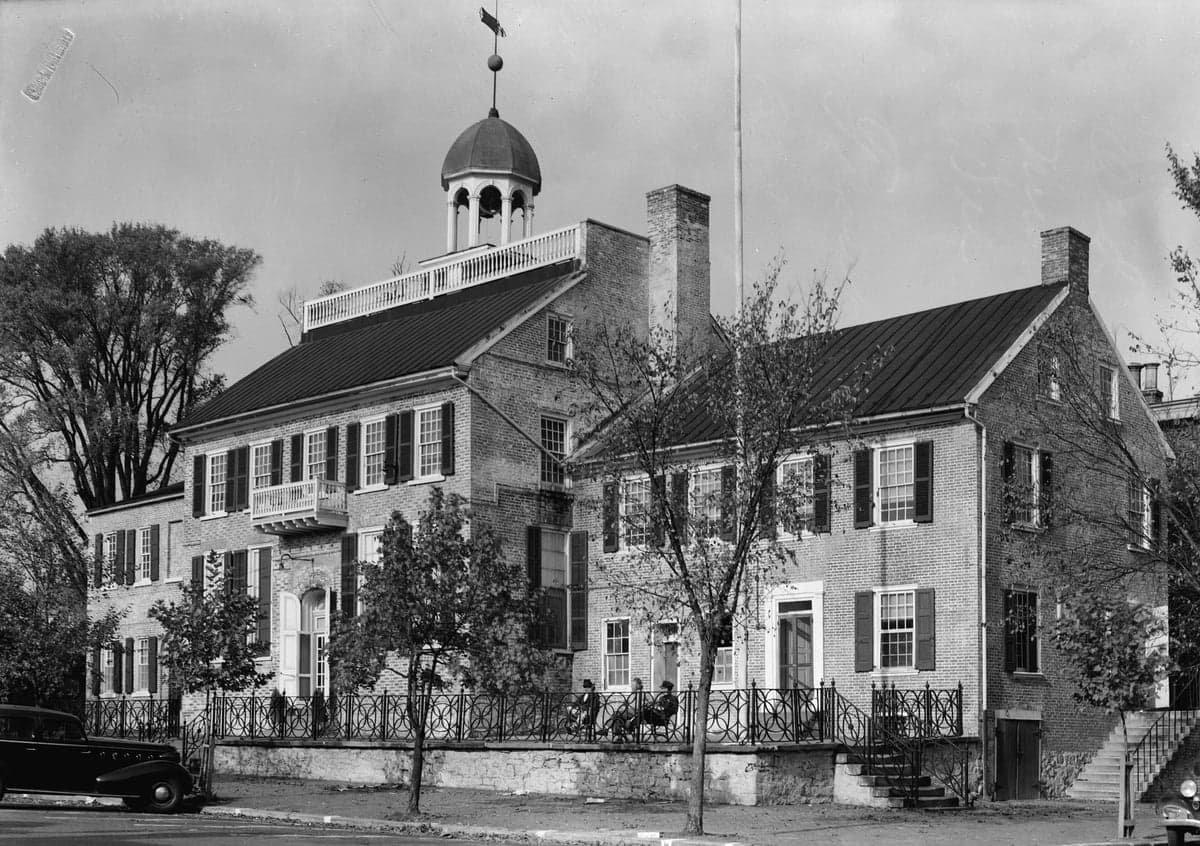
Photo: Wikipedia
Strategic Assessment of New Castle County
Multiple tactical vulnerabilities. Population density, target proximity, or disaster risk are likely compounding. A retreat property and exit planning is required.
What does the Strategic Assessment tell us?
Our Strategic Assessment grades tactical survivability of an area. Major population centers, military targets, fallout zones, natural disasters, and border exposure all drive risk — lower exposure means a more defensible position in a crisis.
This is heavily inspired by Joel Skousen's Strategic Relocation book. Highly recommended you checkout the book ($)What does this tell us?
Our Strategic Assessment grades tactical survivability of an area. Major population centers, military targets, fallout zones, natural disasters, and border exposure all drive risk — lower exposure means a more defensible position in a crisis.
This is heavily inspired by Joel Skousen's Strategic Relocation book. Highly recommended you checkout the book ($)Strategic Pillars

Key Distances
Strategic Assessment Analysis
New Castle County, Delaware, occupies a strategic position that is both its greatest asset and its most significant liability for a relocator focused on resilience and self-sufficiency. As the northernmost and most populous county in the state, it sits squarely within the densely developed Northeast Corridor, offering proximity to major employment centers like Wilmington, Philadelphia, and Baltimore, but this same geography places it within the fallout and disruption zones of several high-value targets. For a conservative-leaning individual or family weighing disaster readiness, the county presents a complex trade-off: robust infrastructure and economic opportunity against significant exposure to man-made and natural risks that demand a serious, proactive preparedness posture.
Geographic position and natural advantages for disaster readiness
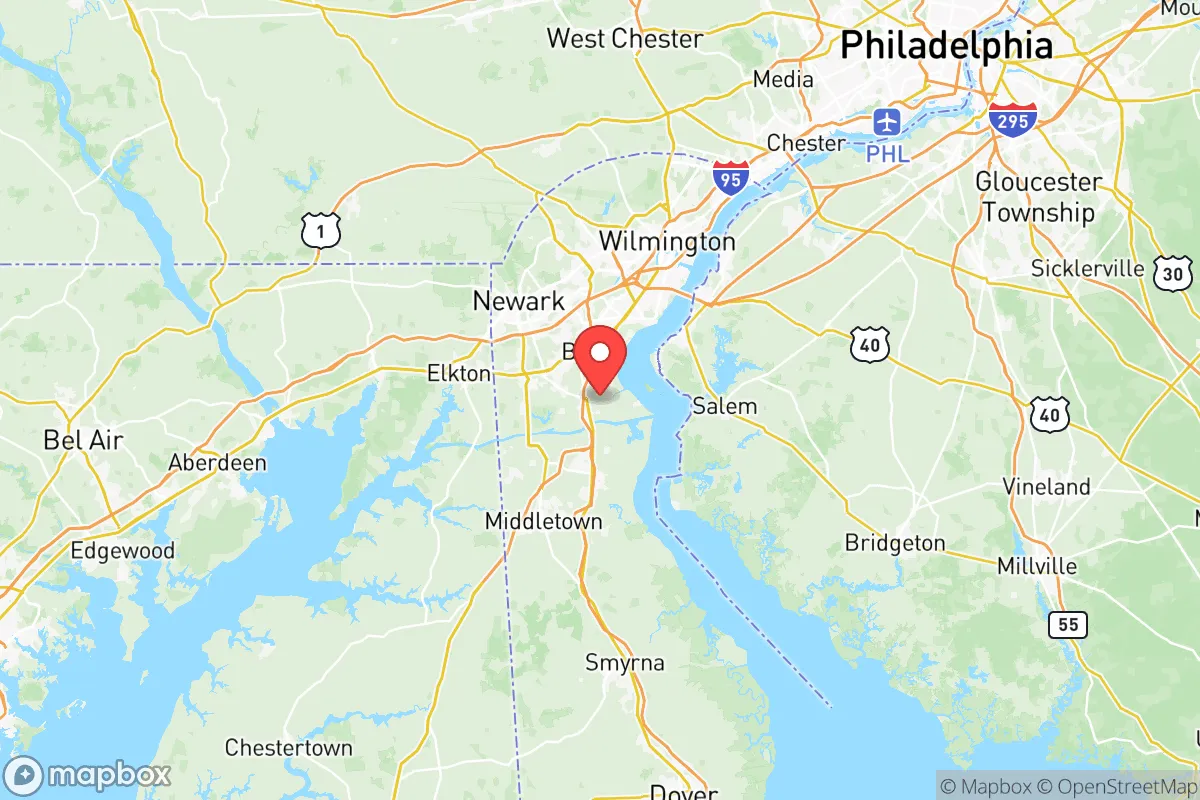
New Castle County benefits from a temperate climate and a location that is generally removed from the most severe natural disaster zones in the United States. It is not subject to the hurricane landfalls that regularly strike the Gulf Coast or the Outer Banks, nor does it face the wildfire risks of the West or the tornado alleys of the Plains. The county's position along the Delaware River and its proximity to the Chesapeake Bay provide ample surface water, a critical resource for long-term self-sufficiency. The terrain is predominantly flat to gently rolling, which simplifies construction, gardening, and the installation of off-grid energy systems like solar panels. The area's agricultural heritage is still visible in the southern and western parts of the county, particularly around towns like Middletown and Odessa, where land is more affordable and rural parcels offer space for private wells, septic systems, and food production. The county's location also places it within a reasonable driving distance of the Appalachian foothills in Pennsylvania and Maryland, offering a potential retreat option for those who want a secondary location within a few hours' drive. However, the county's dense development along the I-95 corridor, from Newark through Wilmington to the Pennsylvania line, means that the most desirable land for self-sufficiency is increasingly found in the southern half of the county, where suburban sprawl gives way to farmland and small towns.
Risks, exposures, and proximity to fallout-relevant landmarks
The most serious resilience concern for New Castle County is its proximity to a dense concentration of high-value, high-risk infrastructure. The county is home to the Port of Wilmington, a major deepwater port handling chemicals, petroleum, and agricultural products, making it a potential target for both physical attack and industrial accident. The Delaware City Refinery, located just south of the port, is one of the largest refineries on the East Coast, processing over 140,000 barrels of crude oil per day. A major incident at either facility could produce a toxic release, fire, or supply chain disruption affecting the entire region. Additionally, the county lies within the fallout shadow of Philadelphia, just 30 miles to the north, and is within 50 miles of Baltimore, both of which are major population centers with significant military, government, and industrial targets. The presence of Dover Air Force Base, approximately 45 miles south in Kent County, adds another layer of strategic significance to the region. For a relocator concerned with nuclear or electromagnetic pulse (EMP) scenarios, the county's position in the densely populated Northeast Corridor, with its concentration of power grids, communication hubs, and transportation chokepoints, represents a substantial risk. Natural hazards are less severe but not absent: the county is vulnerable to nor'easters, which can bring prolonged power outages, flooding in low-lying areas near the Delaware River and its tributaries, and occasional ice storms that disrupt travel and infrastructure.
Practical resilience for a relocator: food, water, energy, and defensibility
For a relocator willing to choose a property carefully, New Castle County offers a workable foundation for practical self-sufficiency, though it requires deliberate effort. Water availability is the county's strongest asset: the water table is high across much of the area, and private wells are common in rural and suburban parcels south of the C&D Canal, particularly around Middletown, Townsend, and the agricultural areas near the Maryland line. Municipal water systems in Newark and Wilmington are generally reliable but are dependent on the regional power grid and treatment infrastructure, making a private well a significant advantage. Food production is feasible on parcels of one acre or more, with a growing season from April to October that supports a wide range of vegetables, fruits, and small livestock. The county has a robust network of farmers' markets, feed stores, and agricultural supply outlets, particularly in the southern half. Energy resilience is more challenging: the county's grid is part of the PJM Interconnection, one of the largest and most complex power grids in the world, and is vulnerable to both cyberattack and physical disruption. Solar with battery backup is a viable option, as the region receives adequate sunlight, but homeowners must navigate local permitting and homeowners' association restrictions, which vary significantly by municipality. Defensibility is the weakest category: the county's population density, extensive road network, and proximity to major urban centers make it difficult to secure a property against civil unrest or large-scale evacuation flows. The most defensible properties are those located on rural dead-end roads with good sightlines, away from major highways, and with neighbors who share a similar preparedness mindset. The community culture in southern New Castle County is more independent and rural than the northern suburbs, with a noticeable presence of hunting, fishing, and outdoor recreation that aligns with a self-sufficient lifestyle.
The overall strategic picture for New Castle County is one of conditional viability. For a relocator who prioritizes economic opportunity, access to healthcare, and proximity to family or employment, the county offers a reasonable balance of urban convenience and rural potential, provided they are willing to invest in off-grid infrastructure and maintain a low profile. The county's location within the Northeast Corridor is a double-edged sword: it provides access to markets, suppliers, and services, but it also places the relocator within the disruption zone of multiple high-value targets. The southern half of the county, particularly the area around Middletown and the agricultural belt near the Maryland border, offers the best combination of affordable land, water access, and distance from the most concentrated risks. A relocator serious about resilience should view New Castle County as a location that requires active preparation rather than passive safety, and should prioritize property selection, community building, and infrastructure hardening as ongoing commitments rather than one-time decisions.

* Values derived from national, state, county, city and local statistics and may differ in a specific area. Last updated: 2026-06-17T15:01:38.000Z
Narrative content on this page is AI-generated and may contain mistakes. Verify any details that matter before acting on them.
ReloMaps may earn a commission from affiliate links at no extra cost to you.

