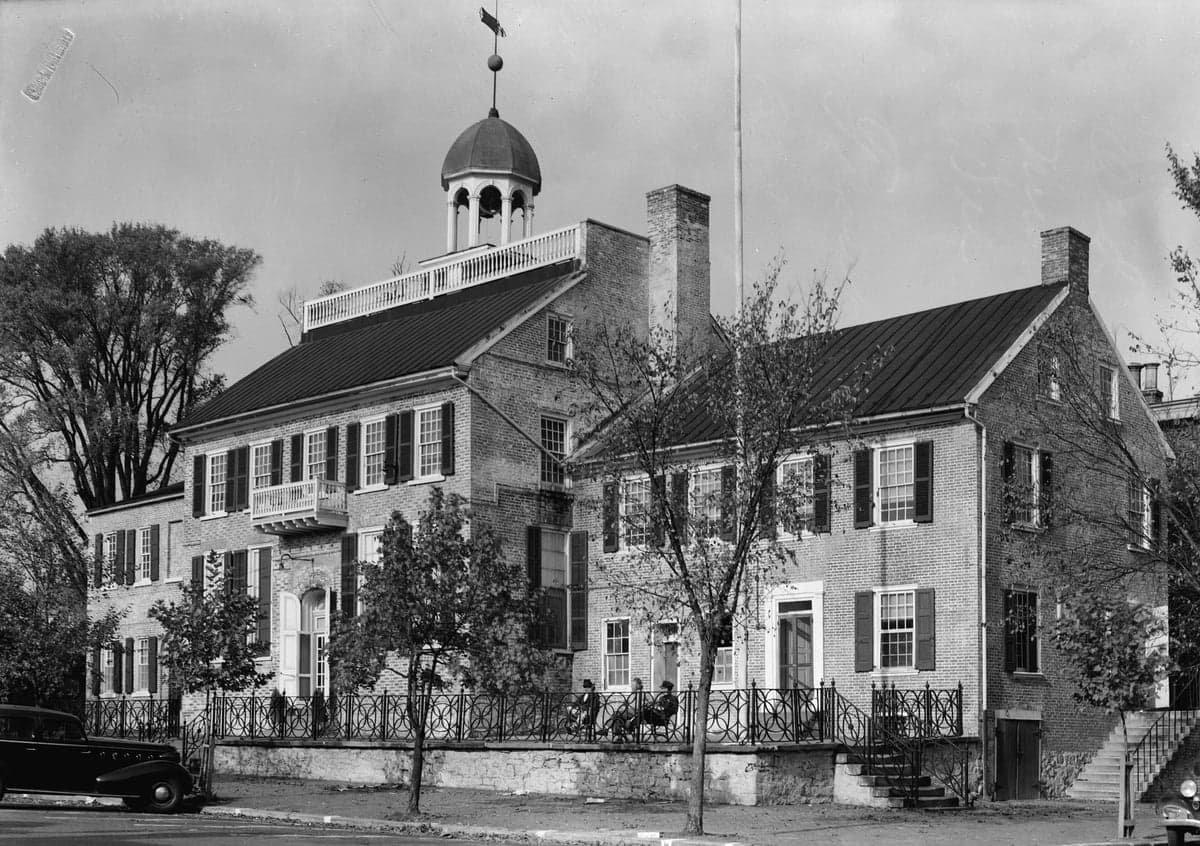
Photo: Wikipedia
Quality of Life in New Castle County
A livable area that tracks near national norms for affordability, walkability, and neighborhood health.
What does Quality of Life tell us?
Quality of Life measures an area by evaluating factors like cost of living, nearby amenities, country club access, airport proximity, socioeconomic signals and neighborhood character. For large states, this is a general average — quality of life can vary dramatically between metro areas, suburbs, and rural communities within the same state.
What does this tell us?
Quality of Life measures an area by evaluating factors like cost of living, nearby amenities, country club access, airport proximity, socioeconomic signals and neighborhood character. For large states, this is a general average — quality of life can vary dramatically between metro areas, suburbs, and rural communities within the same state.
Cost of Living
18% above national average
95%
The Real Cost of Living in New Castle County for 2026
| Tier | Individual | Family (4) |
|---|---|---|
| Survival | $22k | $41k |
| Comfortable | $64k | $94k |
| Luxury | $158k+ | $245k+ |
| Elite (Top 5%) | $186k+ | $288k+ |
Quality-of-Life Analysis
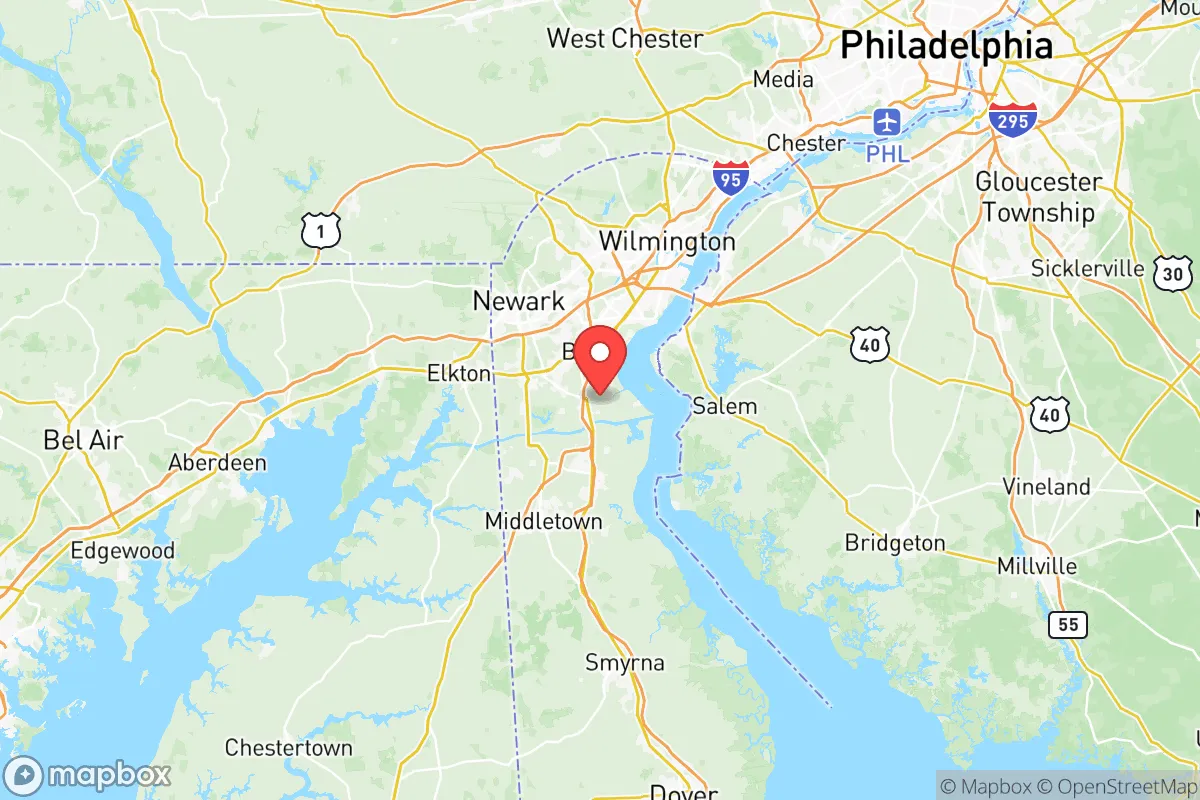
New Castle County, Delaware, offers a broad quality-of-life spectrum that ranges from the dense, walkable urban core of Wilmington to the quiet, agricultural landscapes of its southern and western reaches. The county’s character shifts noticeably as you move from the I-95 corridor outward, attracting a mix of professionals commuting to Philadelphia or Baltimore, families seeking suburban school districts, and residents who want rural acreage within an hour of major East Coast cities. With a cost-of-living index of 118 (100 being the U.S. average), the county is moderately more expensive than the national norm, but the range of housing costs and lifestyle options means that both urbanites and homesteaders can find a fit here.
Largest town(s) & population centers
Wilmington is the county’s largest city and its economic anchor, home to a dense downtown skyline shaped by the financial and legal sectors, including the headquarters of Bank of America’s credit card division and numerous corporate law firms. Daily life in Wilmington is walkable in the central business district and the historic Trolley Square neighborhood, where residents have access to the Riverfront’s restaurants, the Delaware Art Museum, and Amtrak service to Philadelphia (30 minutes) and New York (90 minutes). Just north of Wilmington, the suburban city of Newark revolves around the University of Delaware campus, giving it a younger, more transient feel with a lively Main Street of bars, bookstores, and cafes. Newark’s housing stock is a mix of student rentals near campus and single-family homes in established subdivisions like White Clay Creek, and its average commute of 25 minutes is among the shortest in the county. Middletown, in the county’s southern half, has grown rapidly from a small farming town into a major bedroom community, with large master-planned developments such as Bayview Estates and a new high school that opened in 2023 to accommodate the influx of families.
Smaller towns & rural pockets
South of the C&D Canal, the county’s character becomes distinctly rural. Odessa is a historic village of fewer than 500 residents, with a preserved 18th-century waterfront and a handful of antique shops, offering a quiet alternative to the suburban sprawl farther north. St. Georges, an unincorporated community along the Chesapeake & Delaware Canal, is a cluster of homes and a volunteer fire company, with no commercial downtown and direct access to the canal’s recreational trails. In the far western part of the county, near the Maryland line, the area around Mount Pleasant and Ashland consists of rolling farmland, horse pastures, and scattered subdivisions on well-and-septic lots. These pockets lack public water and sewer infrastructure, which keeps development density low and property taxes relatively modest compared to Newark or Wilmington. The White Clay Creek Preserve and Lum’s Pond State Park provide outdoor recreation in these less-developed areas, drawing hikers and kayakers from across the county.
Cost & lifestyle range
The cost of living varies sharply across the county. At the high end, the Greenville and Centerville area in the northwest features estates and country clubs, with median home values well above the county’s $329,800 average and a lifestyle centered on private schools, equestrian facilities, and the DuPont Country Club. At the moderate end, Bear and Glasgow in the central part of the county offer newer townhome developments and mid-range single-family homes, with median rents close to the county’s $1,379 average and easy access to Route 1 and I-95 for commuting. On the more affordable side, Wilmington’s East Side and parts of New Castle City have older housing stock and lower home prices, though buyers should factor in higher property tax rates in New Castle City compared to the county’s unincorporated areas. Rural properties in southern New Castle County near Townsend and Clayton often come with larger lots and lower purchase prices than comparable homes in Newark, but the trade-off is longer drives to grocery stores and medical services — the nearest hospital for Townsend residents is in Middletown, about 15 minutes away.
New Castle County works best for people who want access to East Coast job markets without the cost of living in Philadelphia or New York proper. Professionals who work in Wilmington’s financial district or commute to the I-95 corridor will find the most convenience in Newark or northern suburbs like Pike Creek. Families seeking good public schools and newer housing tend to settle in Middletown or the Appoquinimink School District. Those who prioritize space, privacy, and a slower pace will feel at home in the rural pockets south of the canal or along the Maryland border. The county’s diversity of settings — from urban lofts to farmhouses — means that the right fit depends almost entirely on how much commute time and amenity density a resident is willing to trade for square footage and quiet.

Crime in New Castle County
Crime rates similar to the national median for U.S. locations.
Violent CrimeViolent Crime Analysis
Property CrimeProperty Crime Analysis
Crime Analysis
New Castle County, Delaware’s most populous county, presents a mixed safety profile: its overall violent crime rate of 348.9 per 100,000 residents sits notably above the national average, while property crime at 1,571.5 per 100,000 is roughly in line with comparable mid-Atlantic suburban counties. The county’s safety picture is heavily shaped by the contrast between Wilmington’s concentrated crime challenges and the generally lower-crime suburbs and rural towns that surround it. Readers should be aware that progressive criminal justice policies in the county’s largest city have contributed to a permissive environment that, while well-intentioned, has resulted in more offenders cycling back onto the streets rather than facing meaningful accountability.
Crime in context
New Castle County’s violent crime rate of 348.9 per 100,000 is roughly 1.6 times the national average of about 220 per 100,000, and significantly higher than Delaware’s statewide rate of approximately 400 per 100,000 (which is itself elevated by Wilmington’s numbers). Property crime at 1,571.5 per 100,000 is slightly above the national average of 1,450 but below the statewide figure of roughly 1,800. The county’s crime numbers are pulled upward almost entirely by Wilmington, which consistently reports violent crime rates 3–4 times the county average. By contrast, suburban towns like Newark, Middletown, and Bear report violent crime rates well below 200 per 100,000, often in the range of 100–150 per 100,000. The stark intra-county divide means that a single county-level statistic obscures dramatically different realities for residents of different municipalities.
What residents experience
For most residents outside Wilmington, daily life involves minimal exposure to violent crime. Newark, home to the University of Delaware, sees property crime—especially bicycle theft and package theft—as the primary concern, with violent incidents largely confined to late-night disturbances near the college bar district. Middletown and Bear, fast-growing suburbs along the Route 1 corridor, report property crime rates that are manageable but rising with population growth, particularly vehicle break-ins and mail theft. In Wilmington, however, residents face a different reality: the city’s violent crime rate of roughly 1,200 per 100,000 places it among the most dangerous small cities in the Northeast. Gun violence and drug-related homicides are concentrated in a handful of neighborhoods—notably the East Side, Southbridge, and the Riverside area—while the Trolley Square and Forty Acres neighborhoods remain relatively safer. The county’s judicial climate, particularly in Wilmington’s courts, has been characterized by a progressive approach that emphasizes diversion programs and reduced sentences for nonviolent offenders. While intended to reduce incarceration, this approach has been criticized for allowing repeat property offenders and drug dealers to return to the same neighborhoods quickly, undermining public confidence in the justice system.
Neighborhood-level variation
The most important factor for anyone considering a move to New Castle County is understanding that safety varies enormously by municipality and even by street. Hockessin and Greenville, affluent unincorporated areas in the county’s northwest, consistently report the lowest crime rates—violent crime below 50 per 100,000—and are among the safest places in the entire state. New Castle City, the historic town along the Delaware River, occupies a middle ground: its violent crime rate of roughly 250 per 100,000 is below the county average but above the safest suburbs, with property crime driven by car break-ins in tourist areas. The county’s unincorporated areas, policed by the New Castle County Police Department, generally fall between the safest towns and Wilmington, with violent crime rates around 200–300 per 100,000 depending on the specific census tract. Prospective residents should examine block-level crime maps for their specific target neighborhood rather than relying on county-wide averages, as a move from one side of a municipal line to the other can mean a 10x difference in violent crime risk.
* Values derived from national, state, county, city and local statistics and may differ in a specific area. Last updated: 2026-06-17T15:01:38.000Z
Narrative content on this page is AI-generated and may contain mistakes. Verify any details that matter before acting on them.
ReloMaps may earn a commission from affiliate links at no extra cost to you.

