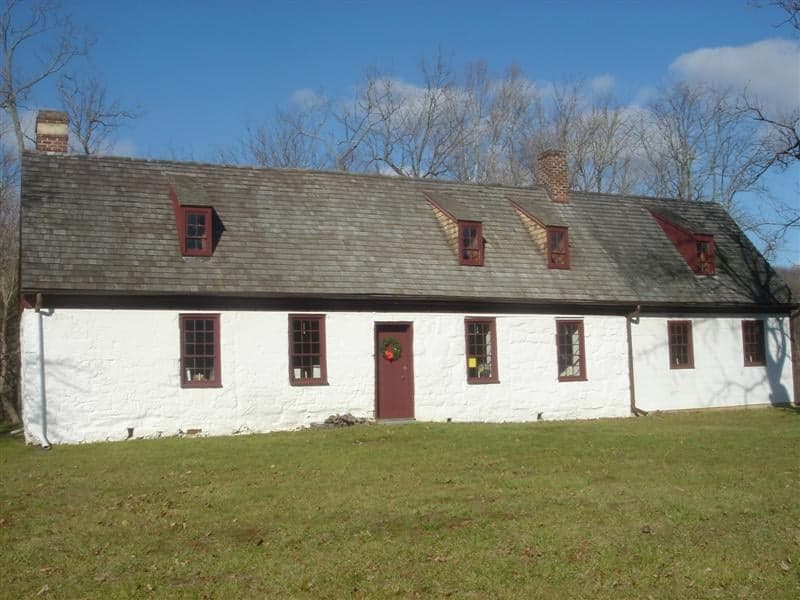
Photo: Wikipedia
Strategic Assessment of Davidsonville, MD
Meaningful friction. Expect exposure to either population pressure, blast zones, or natural disaster risk. Consider buying a retreat property.
What does the Strategic Assessment tell us?
Our Strategic Assessment grades tactical survivability of an area. Major population centers, military targets, fallout zones, natural disasters, and border exposure all drive risk — lower exposure means a more defensible position in a crisis.
This is heavily inspired by Joel Skousen's Strategic Relocation book. Highly recommended you checkout the book ($)What does this tell us?
Our Strategic Assessment grades tactical survivability of an area. Major population centers, military targets, fallout zones, natural disasters, and border exposure all drive risk — lower exposure means a more defensible position in a crisis.
This is heavily inspired by Joel Skousen's Strategic Relocation book. Highly recommended you checkout the book ($)Strategic Pillars
Key Distances
Regional Safe Places
Below is our recommended "safe zones" in Maryland and the surrounding area based on our strategic heuristics. For most people, it's unrealistic to live in a “safe zone” full-time due to work, family or other personal reasons. They tend to be more rural. However, many of these areas are perfect for second homes and retreat properties that double as a vacation home or even a short-term rental.
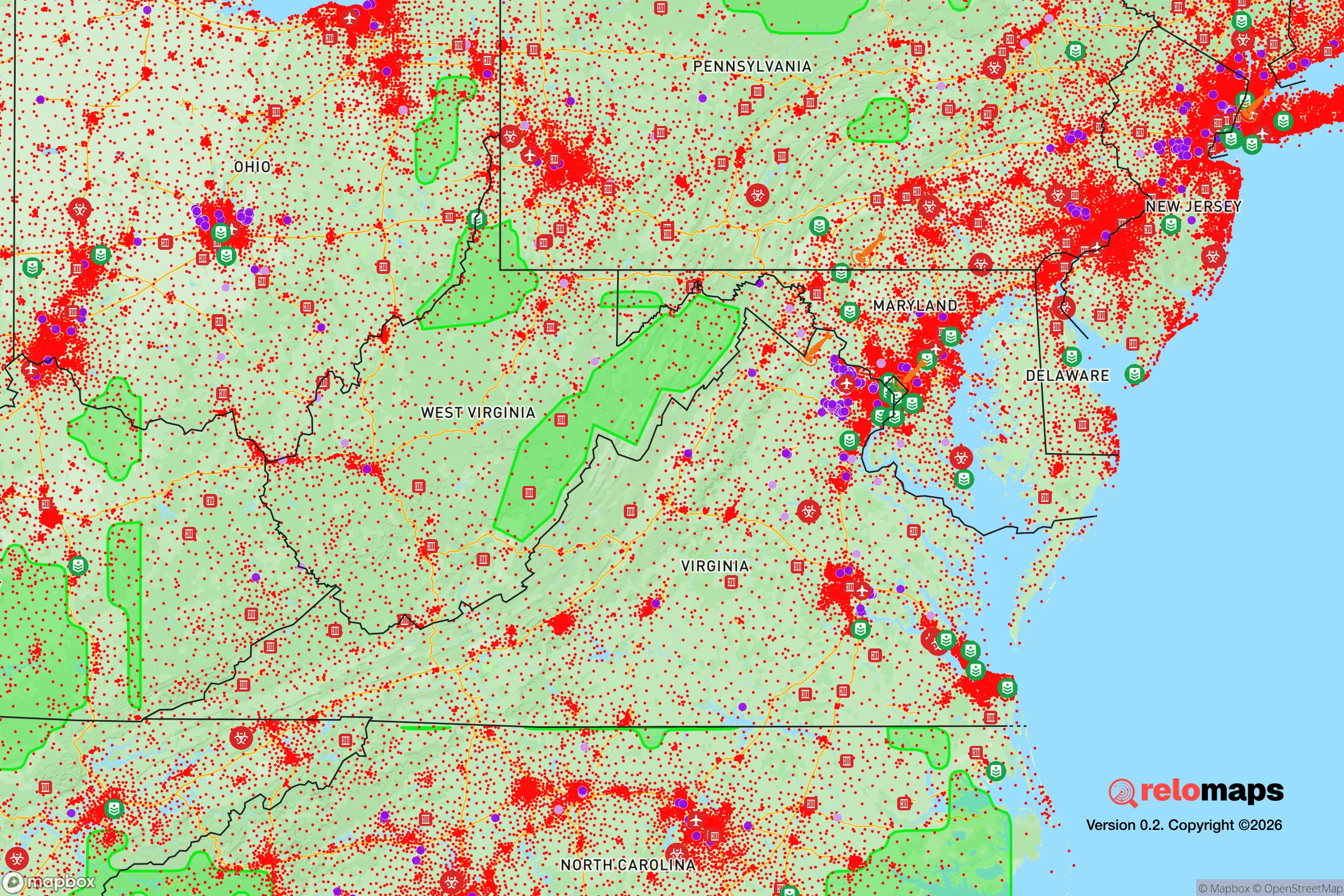
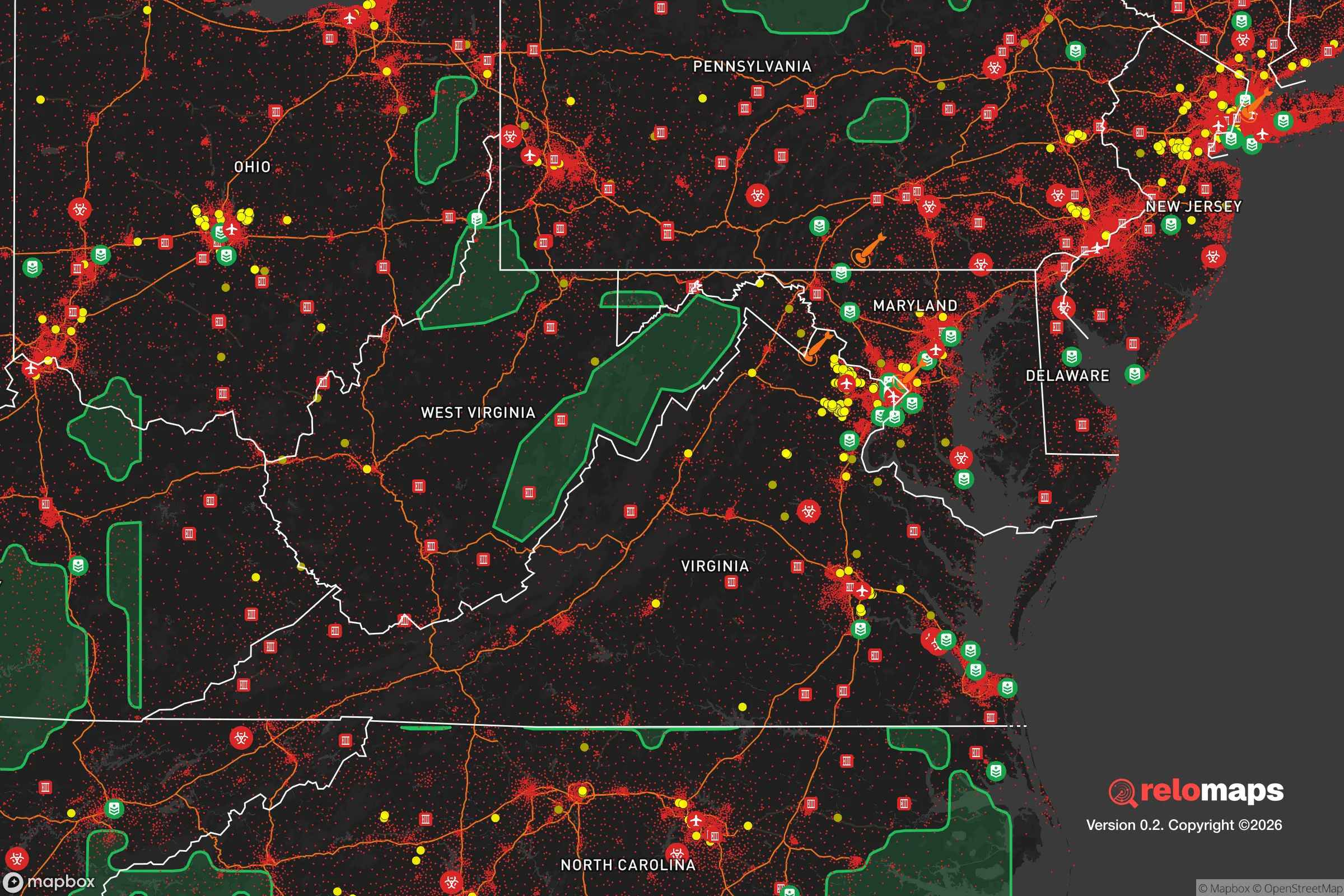


Important Note: For informational purposes only. This does not mean nothing bad ever happens in the green zones. Please use common sense. This is based on public data and modeled with AI. We tried to take a conservative approach but mistakes happen. We update this regularly as new information becomes available.
Solar Generator Recommendations
Backup power matters more here than in safer locations. We've picked three solar generators across budgets and capacity tiers — start with the budget unit if you only need a few essentials, or step up if you want to run a fridge and HVAC for days at a time.

Jackery Portable Power Station Explorer 300
Budget OptionPower on the Go: Weighing only 11 lbs, it's convenient to set up and store with book-sized foldable solar panels

BLUETTI Portable Power Station AC180
Designed for both indoor and outdoor scenarios, AC180 is highly capable as it has a robost capacity and continuous output power.

EF ECOFLOW DELTA Pro Ultra Power Station
Upgraded PickEcoFlow DELTA Pro Ultra is a whole-home energy system designed to grow with your family. Integrated with the Smart Home Panel 2, it scales to meet your evolving energy needs — keeping your home powered, intelligent, and secure through every stage of life.
We earn a commission, at no additional cost to you.
Strategic Assessment Analysis
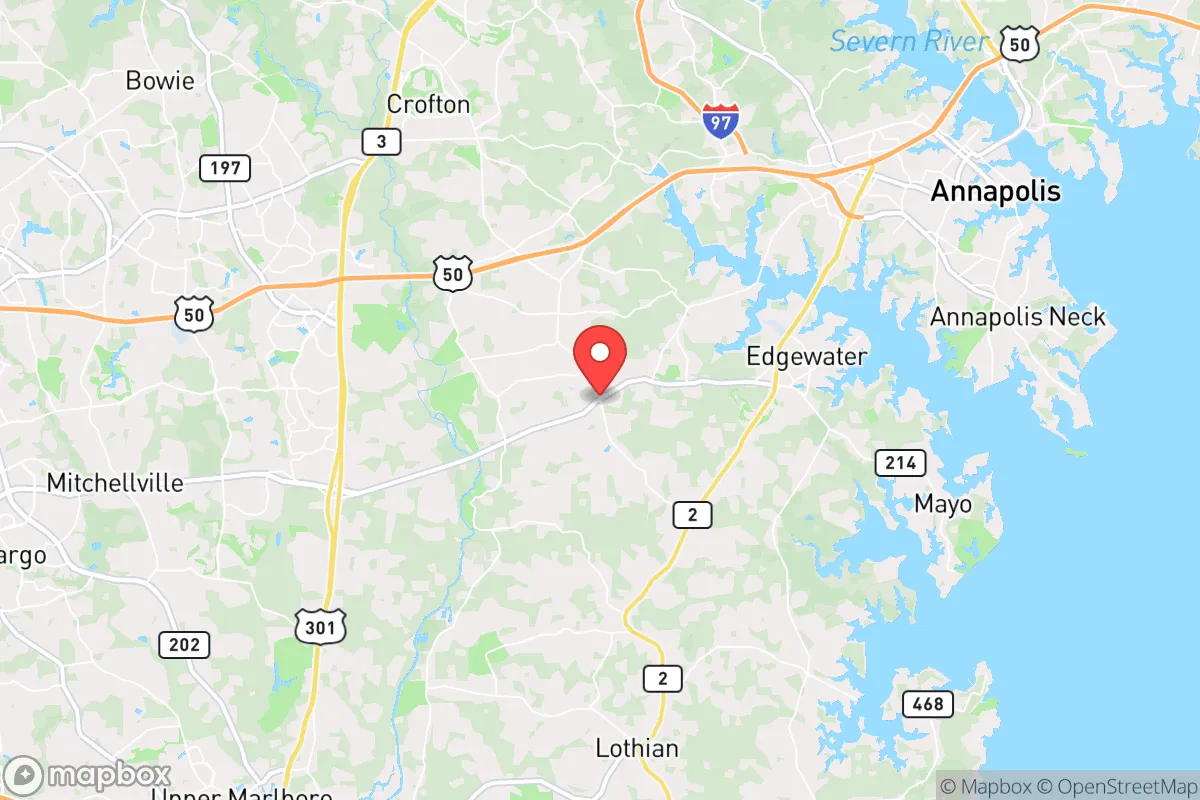
Davidsonville, Maryland, offers a compelling mix of strategic depth and everyday practicality for the relocation-minded individual or family who values preparedness without wanting to live off-grid. Nestled in Anne Arundel County, this unincorporated community sits roughly 15 miles southwest of Annapolis and 25 miles east of Washington, D.C., placing it in a sweet spot—close enough to metropolitan job markets and infrastructure, yet far enough to avoid the immediate chaos of a major urban or military target. Its resilience profile is defined by a blend of rural character, water access, and a surprisingly defensible geography, though proximity to the D.C. beltway and the Patuxent River Naval Air Station introduces real considerations for anyone serious about disaster readiness.
Geographic position and natural advantages for self-sufficiency
Davidsonville’s location on the western shore of the Chesapeake Bay provides a natural buffer against the kind of dense suburban sprawl that makes evacuation a nightmare. The area is characterized by rolling farmland, forested tracts, and a network of creeks and tributaries feeding into the South River and Patuxent River. This topography offers multiple benefits: ample groundwater access via private wells (common in the area), natural cover for concealment, and a lower population density than nearby Crofton or Bowie. The land is generally well-drained and fertile, supporting small-scale agriculture—a key advantage for anyone looking to supplement food supplies. The proximity to the Chesapeake also means a ready source of seafood and a potential waterway evacuation route, though tidal flooding from storm surge is a real risk in low-lying areas near the bay. For a relocator, the ability to dig a well, plant a garden, and hunt deer on private land is not theoretical; it’s a practical reality in many parts of Davidsonville, where lot sizes of one to five acres are common.
Risks, exposures, and proximity to fallout-relevant landmarks
The most significant strategic liability for Davidsonville is its position within the Washington, D.C. metropolitan area’s outer ring. The community lies roughly 20 miles from the Pentagon and 25 miles from the White House, placing it within the primary blast and fallout zone for any high-yield conventional or nuclear attack on the capital. Additionally, the Patuxent River Naval Air Station (NAS Pax River) in nearby Lexington Park is a major military installation specializing in naval aviation testing and electronic warfare—a high-value target in its own right. The prevailing winds in the region typically blow from the west to east, meaning fallout from a D.C. strike would likely drift toward the Chesapeake Bay and the Eastern Shore, putting Davidsonville in a secondary contamination zone. On the natural disaster front, the area is susceptible to hurricanes and nor’easters, with storm surge from the bay potentially flooding low-lying neighborhoods along the South River. Tornadoes are a lesser but real risk, and the region’s clay-heavy soils can lead to basement flooding and septic system failures during heavy rains. For the prepared relocator, these risks are manageable with proper planning—reinforced shelter, water storage, and a bug-out route east toward the Delmarva Peninsula—but they cannot be ignored.
Practical resilience for a relocator: food, water, energy, and defensibility
Davidsonville’s practical resilience is above average for the Mid-Atlantic exurbs, but it requires active investment. Water security is the strongest asset: many homes have private wells, and the shallow aquifer is generally reliable, though drought years can lower yields. A hand pump or solar-powered well backup is a straightforward upgrade. For surface water, the South River and Patuxent are accessible but brackish, requiring filtration or desalination. Food resilience is moderate. The area has several working farms—including Davidsonville Family Farm and local CSAs—but grocery options are limited to a few small markets and a Giant in nearby Edgewater. A serious prepper would want to establish a garden and possibly raise chickens or goats, which are permitted on larger lots. Hunting is legal in season, with white-tailed deer and wild turkey common. Energy resilience is a weak point. BGE is the primary utility, and power outages from storms are frequent, sometimes lasting days. Solar panels with battery storage are a wise investment, as natural gas backup is less common here than in newer subdivisions. Defensibility is a mixed bag. The road network is a tangle of two-lane country roads (MD-2, MD-214, MD-424) that can become gridlocked during an evacuation—especially if the Bay Bridge is the only route east. However, the rural layout offers natural chokepoints and good lines of sight for those on larger properties. Neighbors tend to be self-reliant and community-oriented, with a strong volunteer fire department presence, but law enforcement response times can stretch during regional emergencies.
Overall, Davidsonville presents a solid strategic choice for the relocation-minded individual or family who wants a balance of rural self-sufficiency and metropolitan access, provided they are willing to invest in hardening their property and planning for the worst. The area’s natural advantages—water, farmland, and low density—are real and actionable, but they are offset by its proximity to high-value targets in D.C. and the naval air station. For someone who can accept that risk and prepare accordingly—stockpiling supplies, reinforcing their home, and establishing a bug-out plan to the Eastern Shore—Davidsonville offers a defensible, livable base of operations. It is not a remote bunker, but it is a place where a prepared family can ride out most scenarios with a reasonable chance of coming through intact.

* Values derived from national, state, county, city and local statistics and may differ in a specific area. Last updated: 2026-11-24T12:33:08.000Z
Narrative content on this page is AI-generated and may contain mistakes. Verify any details that matter before acting on them.
ReloMaps may earn a commission from affiliate links at no extra cost to you.

