Photo: Wikipedia
Find The Best Places To Live
in Corvallis
PRO TIP! You can paste a Zillow or Redfin link to get info on that property.
What It's Like Living in Corvallis, OR
Corvallis is a college town that doesn’t quite fit the party-school stereotype. It’s more of a quiet, bike-friendly bubble where Oregon State University’s beaver mascot is everywhere, and the local economy runs on research grants, hospital shifts, and a steady stream of students. With a population of just over 60,000, it feels smaller than it is—partly because the median age is 27.6, which means a lot of your neighbors are either taking finals or grading them.
Daily Rhythm: What People Actually Do
Life here moves at a pace that can feel refreshing or frustrating, depending on what you’re used to. The average commute is under 17 minutes, so most people don’t spend much time in a car. Instead, they walk or bike—Corvallis has an extensive network of paths, and you’ll see students pedaling to campus in the rain without a second thought. Weekends often involve a trip to the Corvallis Farmers’ Market (year-round, but peak in summer), a hike in McDonald-Dunn Forest just north of town, or a lazy afternoon at one of the local breweries like Block 15 or Sky High. Grocery shopping is split between the co-op (First Alternative) and the standard chains, but the co-op has a loyal following. Dining out leans casual—think food carts, pizza joints, and a handful of sit-down spots like Luc for French-inspired fare or Del Alma for something fancier.
Who Fits In—and Who Doesn’t
Corvallis is a magnet for people who value education and the outdoors over nightlife and status. Over 60% of adults have a college degree, and the median income is around $64,000—modest for a town with a cost of living index of 137, meaning everyday expenses run about 37% above the national average. That math works best for dual-income professionals (think OSU faculty, HP employees, or hospital staff at Good Samaritan Regional Medical Center) or for families who bought a home before prices shot up. The median home value is now $480,600, which is steep for a town this size. Renters dominate the student-heavy west side; homeowners cluster in the older neighborhoods near downtown or the newer subdivisions south of town. If you’re looking for a place with a vibrant singles scene or a fast-track career, this isn’t it. If you want a safe, quiet place to raise kids or finish a degree, it fits well.
Sports, Festivals, and What Passes for Nightlife
OSU sports are the main event. Beaver football games at Reser Stadium draw the biggest crowds, but basketball and baseball also have loyal followings. High school sports are a big deal too—Corvallis High and Crescent Valley both field competitive teams, and Friday night lights are well-attended. Beyond athletics, the town’s cultural calendar revolves around the Da Vinci Days festival (a mix of art, science, and music) and the Corvallis Fall Festival. Music venues are limited: the Majestic Theatre hosts community theater and small concerts, and the Whiteside Theatre brings in touring acts. For a town this size, there’s a surprising number of trivia nights and open mics, but if you want a proper club or a major concert, you’re driving an hour north to Portland or an hour south to Eugene.
Honest Pros and Cons
- Pro: Safety. The violent crime rate is 176.3 per 100,000—well below the national average. Property crime is more of an issue, especially bike theft near campus, but most people feel comfortable walking alone at night.
- Pro: Walkability and bike infrastructure. You can live without a car here if you work near downtown or campus. The city has invested heavily in bike lanes and paths.
- Con: Cost of living. That 137 index number is real. Rents are high relative to local wages, and buying a home on a single income is tough unless you have significant savings or family help.
- Con: Weather. From November through June, expect overcast skies and frequent drizzle. Summers are gorgeous—dry, warm, and sunny—but the gray months wear on some people.
- Con: Limited job market outside OSU and HP. If you lose a job at the university or the tech campus, you’re looking at a long commute or a move. The local economy is not diversified.
Cultural Quirks and Local Identity
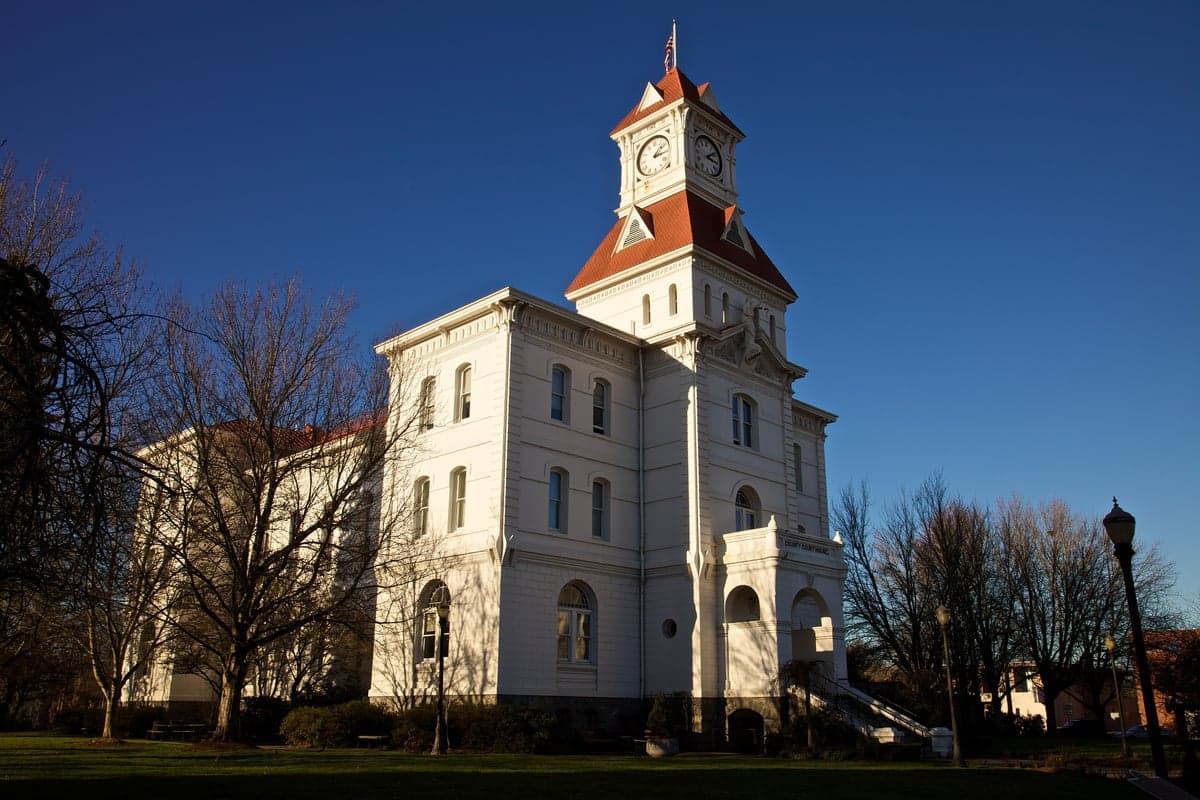
Corvallis has a strong “keep it weird” streak, but it’s a quieter weird than Portland. You’ll see bumper stickers for local ballot measures, a lot of Subaru Outbacks, and a general suspicion of chain stores (the city council has fought off big-box developments for years). The town’s identity is wrapped up in OSU’s land-grant mission—there’s a practical, problem-solving vibe that shows up in everything from the community garden plots to the city’s ambitious climate action plan. One quirk: the Benton County Courthouse lawn is a popular spot for protests and picnics, sometimes simultaneously. And if you mention you’re from Corvallis to an Oregonian from elsewhere, they’ll probably ask if you know someone who works at HP or OSU—because odds are, you do.

Similar small cities to Corvallis
* Values derived from national, state, county, city and local statistics and may differ in a specific area. Last updated: 2026-06-13T19:02:48.000Z
Narrative content on this page is AI-generated and may contain mistakes. Verify any details that matter before acting on them.
ReloMaps may earn a commission from affiliate links at no extra cost to you.

