Find The Best Places To Live in Capitol Planning Region County
PRO TIP! You can paste a Zillow or Redfin link to get info on that property.
Best Places to Live in Capitol Planning Region County
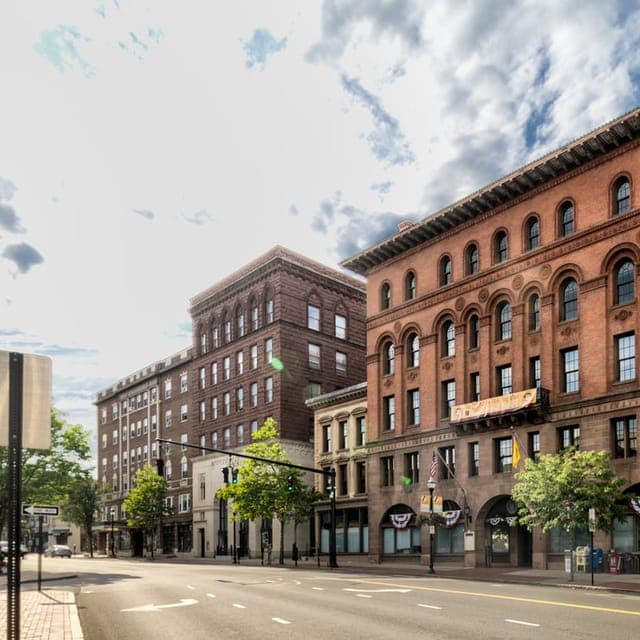
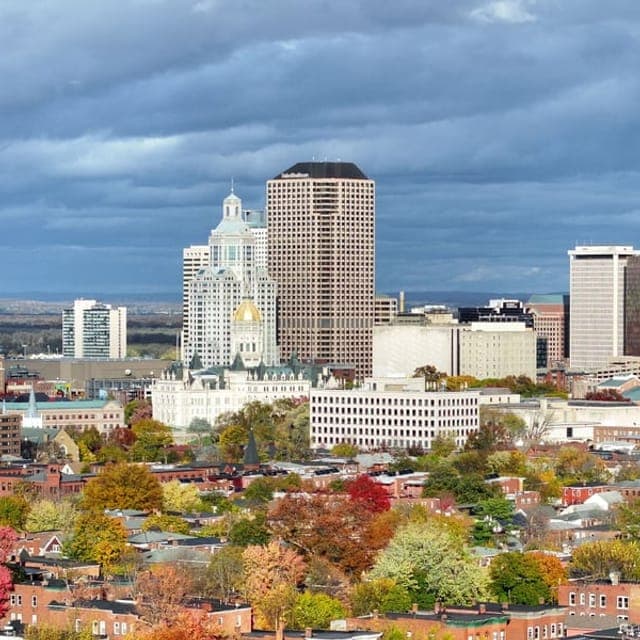
Cities & Towns in Capitol Planning Region County
Cities in Capitol Planning Region County
What It's Like Living in Capitol Planning Region County, CT
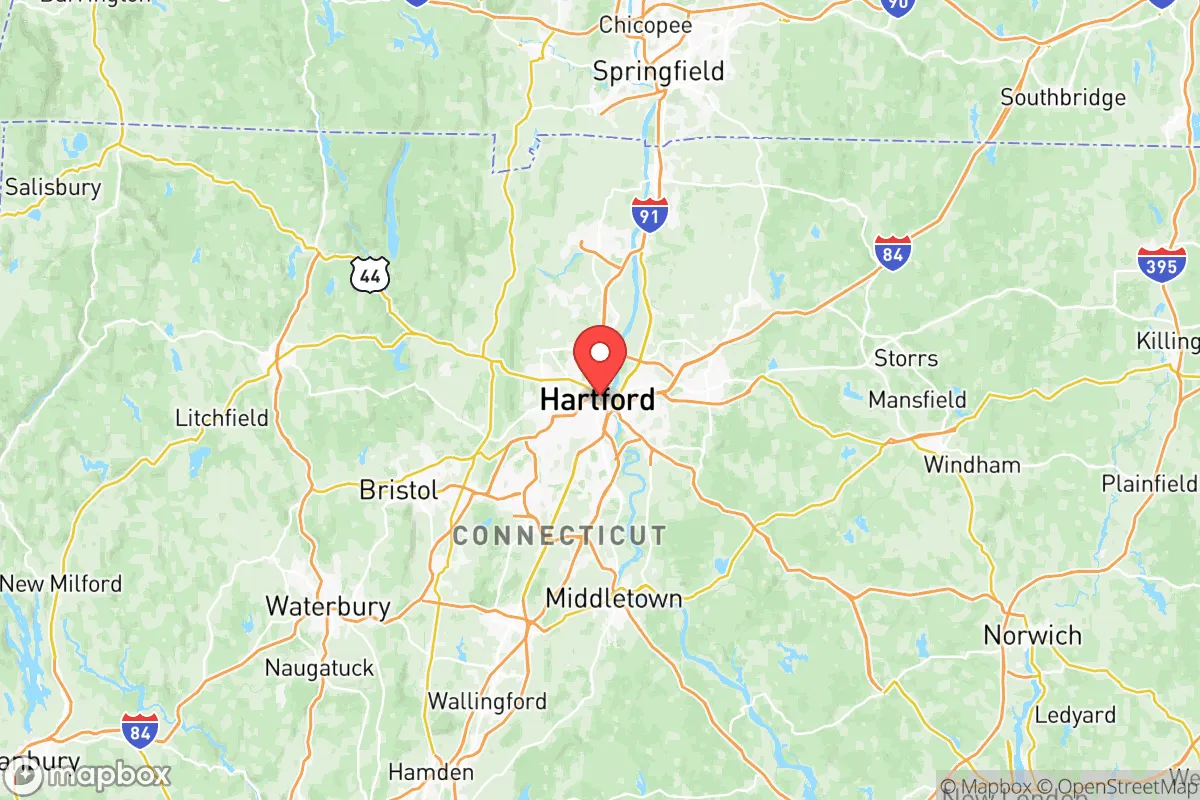
Capitol Planning Region County, Connecticut, feels less like a single county and more like a collection of distinct worlds stitched together by winding roads and a shared sense of New England pragmatism. From the historic, walkable streets of Hartford to the leafy, commuter-friendly neighborhoods of Manchester and the more rural stretches of East Windsor, life here is defined by a quiet, steady rhythm—one that appeals to people who value community, history, and a slower pace than the Boston-New York corridor. It’s a place where you can have a career in insurance or healthcare, own a home with a yard, and still be within striking distance of the coast or the Berkshires, all without the frantic energy of a major metro.
The Daily Rhythm: Commutes, Coffee, and Community Anchors
For most residents, daily life revolves around a few core anchors: work, school, and local gathering spots. The average commute here is just under 24 minutes, which is noticeably shorter than in Fairfield County or the suburbs of New York City. That means someone living in West Hartford can work in Hartford and be home in time to coach Little League or grab dinner at a local spot like Max Burger without feeling like the day was eaten by traffic. The county’s median age of 40.2 reflects a population that is largely settled—families raising kids, empty-nesters downsizing, and professionals who have traded the grind for a manageable lifestyle. With a median household income of $91,541 and a median home value of $298,200, housing is still attainable for many dual-income families, though prices have risen noticeably since 2020. The cost of living index sits at 112, meaning you’ll pay a bit more than the national average for groceries and utilities, but far less than in Boston or New York.
Schools are a major part of the social fabric in towns like Glastonbury and Simsbury, where Friday-night football games and school theater productions draw crowds. In Hartford itself, the magnet school system and programs like the Hartford Stage Company offer cultural depth, but the city’s public school system has long been a point of frustration for families who can afford private options. The seasonal rhythm is classic New England: fall brings apple picking at Lyman Orchards in Middlefield and leaf-peeping drives along the Connecticut River, while winter means skiing at nearby Powder Ridge or simply hunkering down during the occasional nor’easter. Summers are warm and humid, with weekends spent at the many town parks or at the shoreline—a 30- to 40-minute drive to places like Hammonasset Beach.
Sports, Entertainment, and Where People Actually Hang Out
Sports fandom here is a layered affair. UConn basketball is the undisputed king—men’s and women’s games at the XL Center in Hartford are events that unite the entire county, regardless of town. High school sports are a big deal in the suburbs: the rivalry between Glastonbury and Southington in football and soccer can pack bleachers on a Friday night. For pro sports, residents are split between the Red Sox and Yankees, with the Hartford Yard Goats (the Rockies’ Double-A affiliate) offering a more affordable, family-friendly baseball experience at Dunkin’ Park in downtown Hartford. The team’s stadium has become a genuine gathering spot, with a lively atmosphere on summer evenings.
Beyond sports, the county punches above its weight in entertainment. Hartford’s Bushnell Center for the Performing Arts hosts Broadway tours and concerts, while the Infinity Music Hall in Hartford and the smaller venues in Manchester and New Britain offer live music from local and national acts. The restaurant scene is surprisingly strong for a mid-sized metro: you’ll find everything from classic New England seafood at Max’s Oyster Bar in West Hartford to authentic Puerto Rican cuisine in Hartford’s Frog Hollow neighborhood. The annual Taste of Hartford festival is a good snapshot of the area’s culinary diversity. For outdoor enthusiasts, the Farmington River and the trails at Talcott Mountain State Park provide hiking, fishing, and kayaking within 20 minutes of downtown. The Mark Twain House & Museum in Hartford is a major cultural draw, offering a deep dive into the area’s literary history.
Pros and Cons: What Locals Love and What Grinds Their Gears
Longtime residents will tell you the biggest upside is the sense of community and the lack of pretense. People know their neighbors, and there’s a genuine pride in local institutions—whether it’s the West Hartford Reservoir for a morning run or the annual Durham Fair, one of the largest in New England. The violent crime rate of 110.5 per 100,000 is notably lower than the national average, which is a major draw for families. Property crime is more of a concern in Hartford’s core, but suburban towns like South Windsor and Avon feel very safe. The county’s 41.5% college-educated population means there’s a solid base of professionals, but the job market is heavily tilted toward insurance (Hartford is the insurance capital of the U.S.), healthcare, and education, which can feel limiting for people in tech or creative fields.
On the downside, the property tax burden is a persistent complaint. Connecticut has some of the highest property taxes in the country, and Capitol Planning Region County is no exception—a $300,000 home can carry annual taxes of $6,000 or more, depending on the town. This frustrates retirees on fixed incomes and younger buyers alike. Another common gripe is the state’s fiscal instability and the perception of a high cost of living that doesn’t always match the services delivered. Winters can feel long and gray, especially in January and February, when the lack of major nightlife in smaller towns can make cabin fever a real thing. The nightlife scene is concentrated in Hartford and West Hartford’s Blue Back Square; outside of those areas, evenings are quiet. For the right person—someone who values community, outdoor access, and a manageable pace over constant excitement—Capitol Planning Region County offers a solid, grounded life. It’s not for everyone, but for those who stay, it’s home.

* Values derived from national, state, county, city and local statistics and may differ in a specific area. Last updated: 2026-06-22T07:56:12.000Z
Narrative content on this page is AI-generated and may contain mistakes. Verify any details that matter before acting on them.
ReloMaps may earn a commission from affiliate links at no extra cost to you.

