Photo: Wikipedia
Quality of Life in Comanche, TX
Above-average quality of iife. The area offers a reasonable cost of living, decent mobility, and a mix of neighborhood amenities.
What does Quality of Life tell us?
Quality of Life blends cost of living, nearby amenities, socioeconomic signals, and neighborhood character. City-level scores represent the whole municipality; individual neighborhoods can differ.
What does this tell us?
Quality of Life blends cost of living, nearby amenities, socioeconomic signals, and neighborhood character. City-level scores represent the whole municipality; individual neighborhoods can differ.
Cost of Living
40% below national average
The Real Cost of Living in Comanche, TX for 2026
| Tier | Individual | Family (4) |
|---|---|---|
| Survival | $13k | $25k |
| Comfortable | $23k | $34k |
| Luxury | $73k+ | $114k+ |
| Elite (Top 5%) | $86k+ | $134k+ |
144%
The Area Signal
A metric tracking the socioeconomic signals of the area.
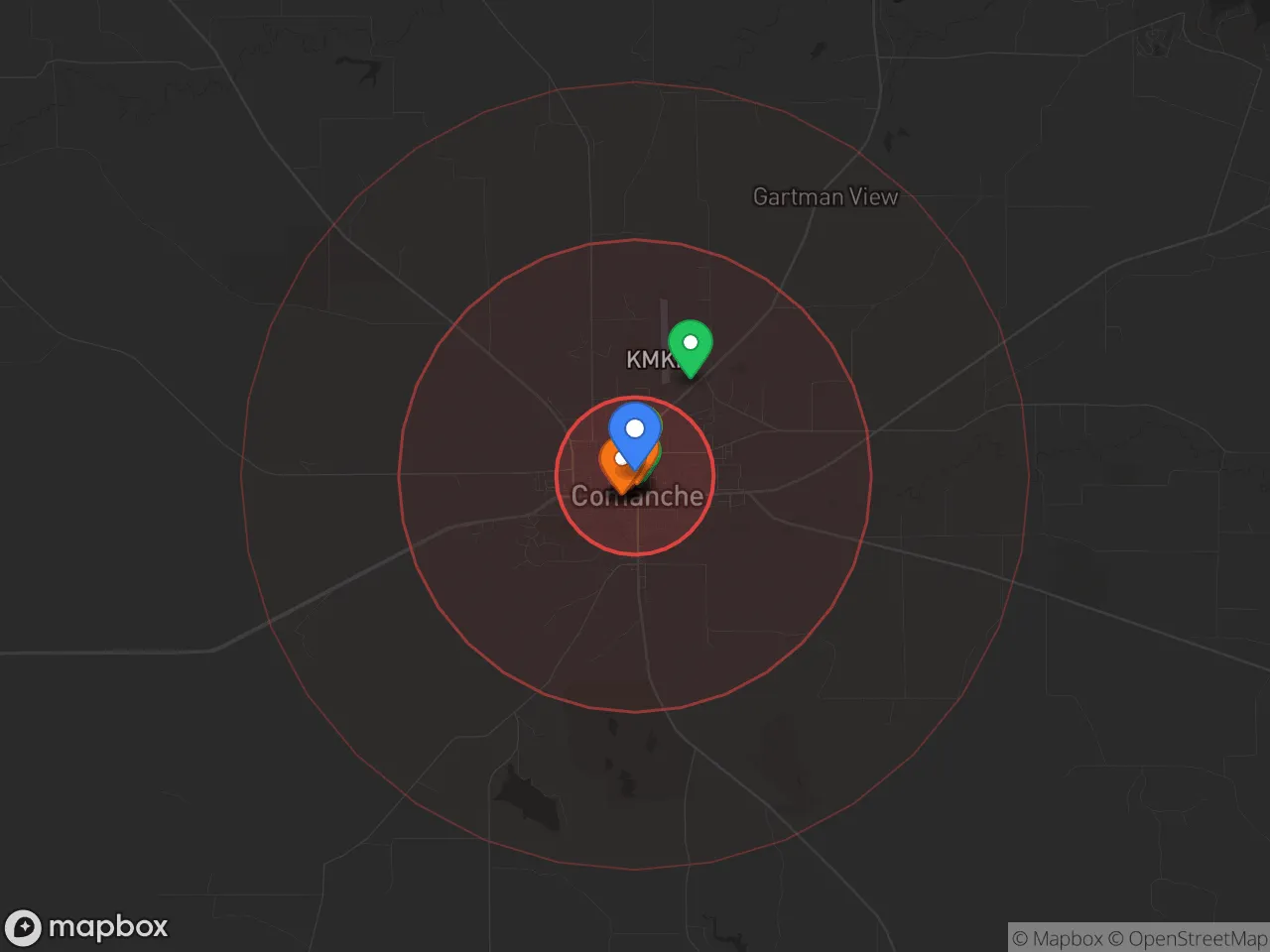
Hobbies
Explore the areaGroceries
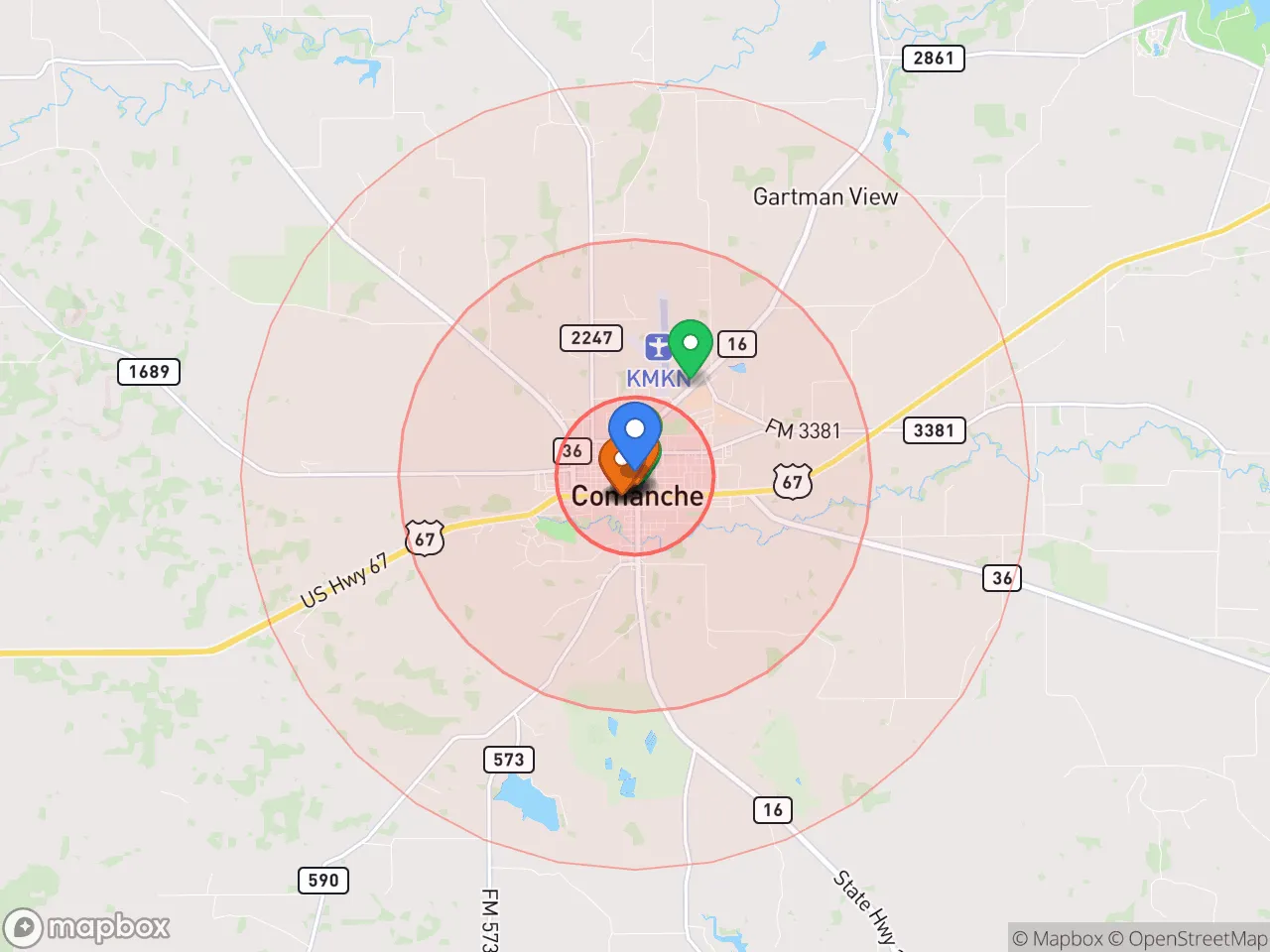
1 within 10 miles
Gas
1 within 10 miles
Hospital
1 within 20 miles
Airport
DFW — Dallas/Fort Worth International
Post Office
USPS — Comanche, TX
Critical Amenities
Quality-of-Life Analysis
Comanche, Texas, presents a notably affordable quality of life that attracts a mix of retirees, remote workers, and families seeking a slower pace without sacrificing proximity to larger job centers. With a cost-of-living index of 60 (40% below the U.S. average), the area’s median home value of $118,200 and median rent of $837 place it well below state and national benchmarks, drawing residents who prioritize financial breathing room over urban amenities. The population skews older and more established, with a significant share of residents employed in agriculture, healthcare, and local government, though a growing number of newcomers are relocating from pricier Texas metros like Austin and Dallas.
Cost of living, housing affordability, and how Comanche compares to nearby towns
Comanche’s housing market is among the most accessible in central Texas, with a median home value of $118,200—roughly one-third the median home value in nearby Brownwood ($180,000) and less than half that of Stephenville ($240,000). Renters also benefit: the median rent of $837 is about 30% lower than the state average, making it feasible for single-income households and early-career professionals. The overall cost-of-living index of 60 reflects savings across all categories, though groceries and utilities are only modestly cheaper than the national average. The average commute of 26.7 minutes is slightly longer than the national average, driven by residents traveling to jobs in Brownwood (20 miles west) or Stephenville (30 miles east), but remains manageable for those who value lower housing costs over a short drive. Property taxes in Comanche County hover around 1.2% of assessed value, which is below the Texas median of 1.6%, further enhancing affordability for homeowners.
Local amenities, schools, and what daily life feels like in Comanche
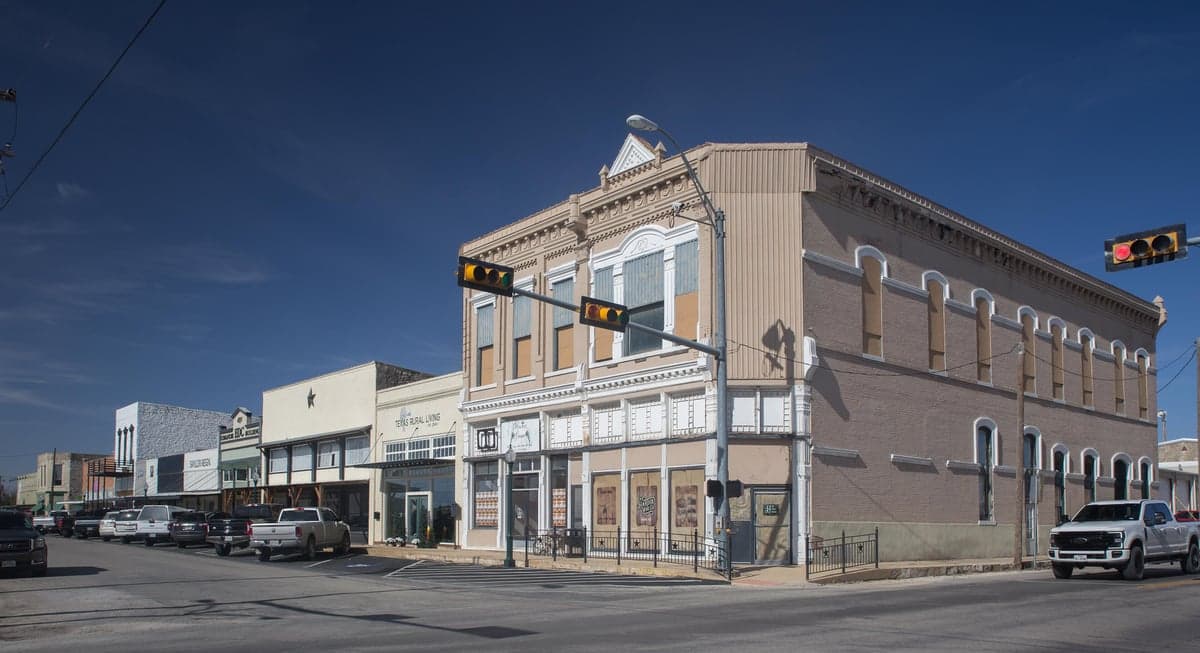
Daily life in Comanche centers on a compact downtown with a historic courthouse square, a handful of locally owned restaurants, and basic retail like a grocery store and hardware shop. The Comanche Independent School District serves roughly 1,600 students across three campuses, with an average student-teacher ratio of 13:1 and a graduation rate near 95%, though standardized test scores trail state averages in math and reading. For recreation, residents use Lake Proctor (15 minutes east) for fishing and boating, and the Comanche City Park offers a pool, walking trails, and sports fields. Healthcare is limited to a small county hospital and a few clinics; serious medical needs require a 30-minute drive to Brownwood or a 90-minute trip to Abilene. The rhythm of life is slow and neighborly—most errands are done by noon, and community events like the Comanche County Fair and the annual Rodeo draw strong local turnout. There is no major shopping mall or chain entertainment, so residents often drive to Stephenville for dining and retail variety.
Comanche is best suited for those who prioritize low housing costs, a quiet rural setting, and a tight-knit community over career diversity or urban nightlife. Retirees on fixed incomes, remote workers with stable internet (fiber is available in parts of town), and families who value small schools and outdoor recreation will find the trade-offs worthwhile. However, professionals seeking frequent cultural events, specialized healthcare, or rapid career advancement may find the 26-minute commute to Brownwood or Stephenville a necessary compromise. For anyone willing to trade convenience for affordability, Comanche offers a stable, low-stress base with genuine small-town character.

Crime in Comanche, TX
Generally safer than 73% of comparable U.S. locations.
Violent CrimeViolent Crime Analysis
Property CrimeProperty Crime Analysis
Crime Analysis
Comanche, Texas, reports a violent crime rate of 292.2 per 100,000 residents and a property crime rate of 1,416 per 100,000, placing it in a moderate range for a rural Central Texas community. These figures suggest that while serious violent incidents are less common than in many urban centers, property-related offenses like theft and burglary occur at a noticeable frequency. The overall safety picture is mixed, with the town benefiting from its small size and close-knit character but facing challenges typical of communities along the I-20 corridor.
Crime in context
Comanche’s violent crime rate of 292.2 per 100,000 is slightly above the national average of roughly 270 per 100,000 but remains significantly lower than Texas’s statewide average of approximately 450 per 100,000. Property crime in Comanche, at 1,416 per 100,000, falls below the Texas average of about 2,200 per 100,000 and the national average of 1,954 per 100,000. These comparisons indicate that Comanche is safer than many parts of the state, particularly when contrasted with larger metro areas like Dallas or Houston, where progressive district attorneys and lenient sentencing policies have been linked to higher recidivism and reduced public safety. In Comanche, the local justice system operates under more traditional, conservative principles, which tends to result in stricter accountability for offenders and fewer criminals returning to the streets.
What residents experience
Residents of Comanche report that property crime—especially theft from vehicles and unlocked sheds—is the most common safety concern, often tied to transient populations moving along U.S. Highway 377 and State Highway 16. Violent crime is rare but not unheard of, with incidents typically involving individuals known to each other rather than random attacks. The presence of the Comanche County Sheriff’s Office and a responsive local police department contributes to a sense of security, though response times in outlying areas can be slower. Unlike in larger cities where progressive policies may prioritize offender rehabilitation over victim protection, Comanche’s approach emphasizes swift justice and community-based policing, which helps maintain order and deters repeat offenses.
Neighborhood-level variation in Comanche is modest but worth noting. The historic downtown core and newer subdivisions on the town’s east side tend to see lower crime rates, while areas near the highway intersections and older rental properties experience slightly higher property crime. The rural outskirts, including communities like Sipe Springs and Gustine, report very low crime overall, though residents there rely heavily on county law enforcement. For those moving to Comanche, choosing a home away from major traffic corridors and ensuring basic security measures—like outdoor lighting and locked gates—can further reduce risk in an already relatively safe environment.
* Values derived from national, state, county, city and local statistics and may differ in a specific area. Last updated: 2026-05-13T17:09:54.000Z
Narrative content on this page is AI-generated and may contain mistakes. Verify any details that matter before acting on them.
ReloMaps may earn a commission from affiliate links at no extra cost to you.

