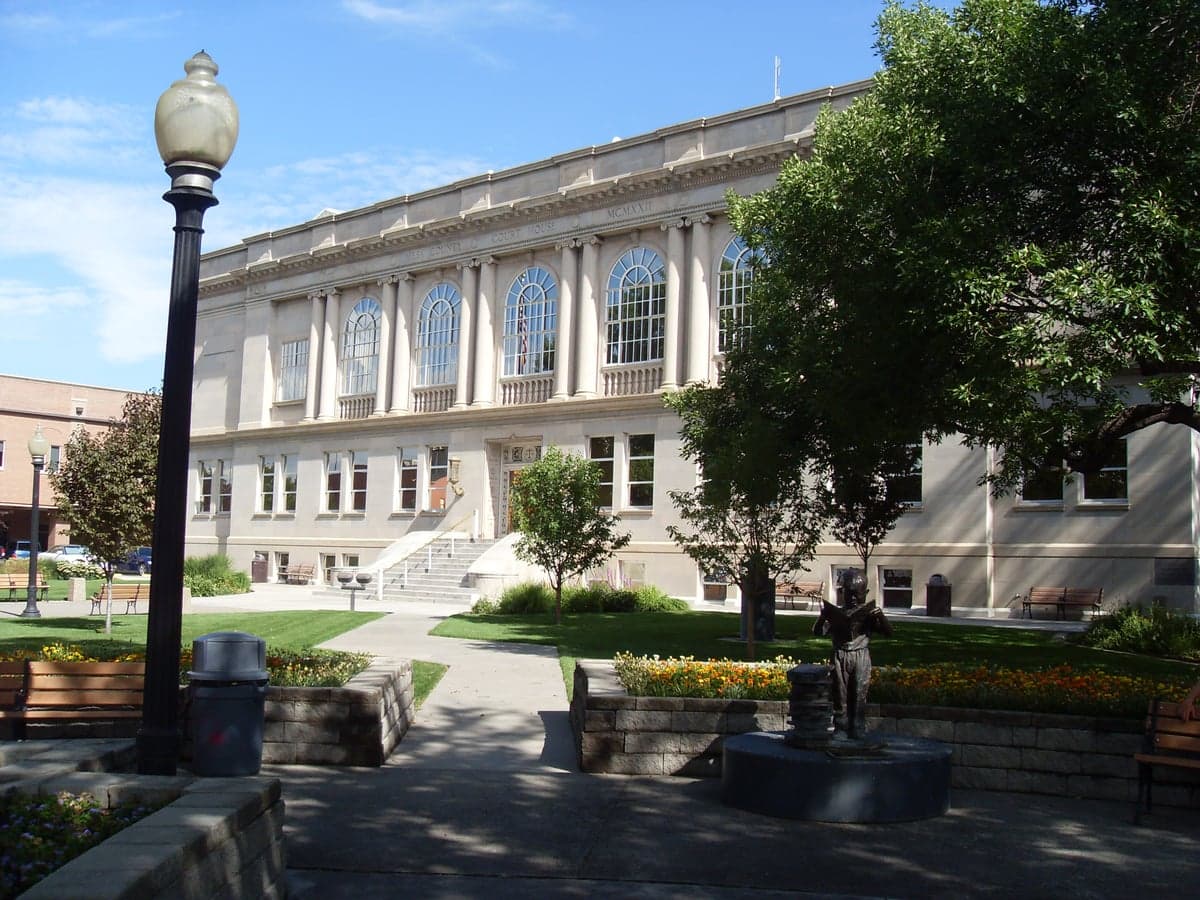
Photo: Wikipedia
Quality of Life in Mesa County
A livable area that tracks near national norms for affordability, walkability, and neighborhood health.
What does Quality of Life tell us?
Quality of Life measures an area by evaluating factors like cost of living, nearby amenities, country club access, airport proximity, socioeconomic signals and neighborhood character. For large states, this is a general average — quality of life can vary dramatically between metro areas, suburbs, and rural communities within the same state.
What does this tell us?
Quality of Life measures an area by evaluating factors like cost of living, nearby amenities, country club access, airport proximity, socioeconomic signals and neighborhood character. For large states, this is a general average — quality of life can vary dramatically between metro areas, suburbs, and rural communities within the same state.
Cost of Living
9% above national average
72%
The Real Cost of Living in Mesa County for 2026
| Tier | Individual | Family (4) |
|---|---|---|
| Survival | $18k | $35k |
| Comfortable | $68k | $100k |
| Luxury | $122k+ | $190k+ |
| Elite (Top 5%) | $144k+ | $223k+ |
Quality-of-Life Analysis
Mesa County, Colorado, offers a broad quality-of-life spectrum that ranges from the urban amenities of its largest city, Grand Junction, to the quiet, agricultural rhythms of smaller communities like Palisade and Fruita, and further out to the remote, high-desert solitude of unincorporated areas such as Gateway and Mack. This diversity attracts a wide mix of residents: remote workers and retirees who value the outdoor access and lower cost of living relative to the Front Range, alongside agricultural workers, energy sector employees, and those seeking a slower, more self-sufficient lifestyle. The county's character is defined by this contrast, where a craft brewery scene and a regional airport exist within a short drive of cattle ranches and Bureau of Land Management (BLM) wilderness.
Largest town(s) & population centers
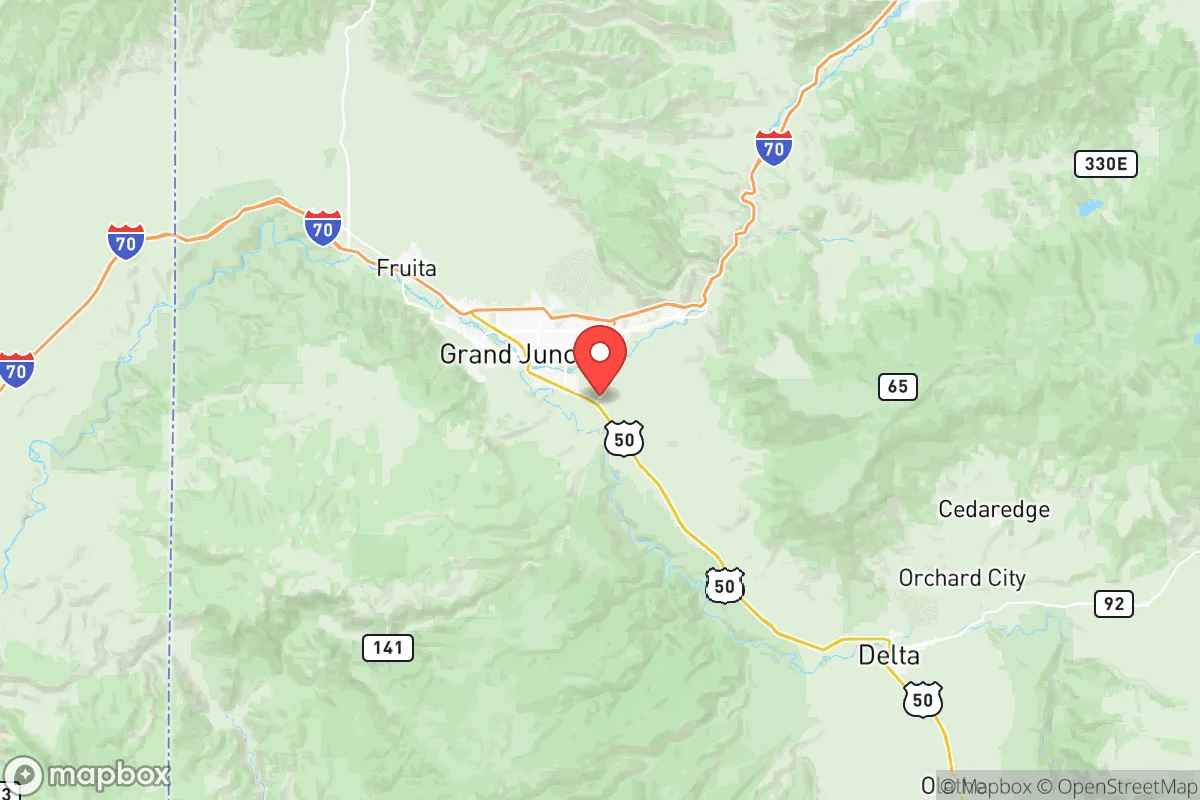
Grand Junction is the undisputed population and economic hub of Mesa County, home to roughly 65,000 residents and serving as the commercial center for Colorado's Western Slope. Daily life here offers the most complete set of amenities in the region, including a regional hospital (St. Mary's Medical Center), Colorado Mesa University, a downtown core with restaurants and shops on Main Street, and the Grand Junction Regional Airport with direct flights to Denver and Dallas. The city's layout is relatively compact, and the average commute time of just over 19 minutes is notably low for a regional hub, making it practical for workers in healthcare, education, and the energy sector. The adjacent towns of Fruita (pop. ~13,000) and Palisade (pop. ~2,600) function as smaller, distinct population centers within the metro area. Fruita is known for its family-oriented atmosphere, mountain biking trails at the Kokopelli Trailhead, and a growing brewery scene, while Palisade is the heart of the county's wine country, with a slower, more agricultural feel centered on its fruit orchards and annual Peach Festival.
Smaller towns & rural pockets
Beyond the Grand Valley, Mesa County contains several smaller communities and unincorporated areas that offer a markedly different lifestyle. Clifton (pop. ~20,000) is a large unincorporated suburb directly east of Grand Junction, offering more affordable housing and a working-class character, with a mix of older homes and mobile home parks. Further east, De Beque (pop. ~500) is a tiny town along the Colorado River, serving as a gateway to the Roan Plateau and offering a true rural, hunting-and-fishing lifestyle. To the west, Mack (pop. ~500) is a small agricultural community near the Utah border, known for its quiet, wide-open spaces and proximity to the Colorado National Monument. The most remote pocket is Gateway (pop. ~100), a former mining town turned resort destination, home to the high-end Gateway Canyons Resort and surrounded by dramatic red rock canyons. These areas lack the retail and healthcare infrastructure of Grand Junction, but offer significantly more land, privacy, and direct access to public lands.
Cost & lifestyle range
The cost of living and available amenities vary substantially across Mesa County. The county's overall cost of living index is 109 (9% above the national average), but this figure is heavily weighted by the Grand Junction metro. The median home value sits at $349,400, and the median rent is $1,154, which is affordable compared to Colorado's Front Range but elevated relative to other rural Western Slope counties. At the higher end of the spectrum, Grand Junction's Redlands and Orchard Mesa neighborhoods and the newer developments in Fruita command premium prices for homes with mountain views and proximity to the Colorado River. At the lower end, Clifton and the outlying areas of De Beque and Mack offer more affordable housing stock, often with larger lots but fewer nearby services. The lifestyle trade-off is clear: residents in the Grand Valley pay more for housing but gain access to grocery stores, medical care, and entertainment within a 15-minute drive, while those in the rural pockets accept longer drives to Grand Junction (30-60 minutes) in exchange for lower property costs, more land, and a quieter, more independent way of life.
Mesa County is best suited for individuals and families who want a balance of small-city convenience and immediate access to world-class outdoor recreation, but who are not seeking the dense urban energy or job diversity of a major metropolitan area. Remote workers, retirees, and those employed in healthcare, education, or the trades will find the most opportunity and the best fit in the Grand Junction-Fruita-Palisade corridor. Those who prioritize land, privacy, and a self-sufficient rural lifestyle will find the most value in the county's smaller communities and unincorporated areas, provided they are comfortable with longer commutes and limited local services.

Crime in Mesa County
Crime rates similar to the national median for U.S. locations.
Violent CrimeViolent Crime Analysis
Property CrimeProperty Crime Analysis
Crime Analysis
Mesa County, Colorado, reports a violent crime rate of 427.5 incidents per 100,000 residents and a property crime rate of 2,092.1 per 100,000, placing it above national averages for both categories. The county's largest city, Grand Junction, drives much of this volume, while smaller communities like Palisade and Fruita experience notably lower incident densities. Understanding where crime concentrates and how the local justice system operates is essential for anyone evaluating safety in this Western Slope region.
Crime in context
Mesa County's violent crime rate of 427.5 per 100,000 is approximately 22% higher than the national average of roughly 380 per 100,000 and significantly above Colorado's statewide rate of about 410 per 100,000. Property crime in the county, at 2,092.1 per 100,000, exceeds the national benchmark of roughly 1,950 per 100,000 and is notably higher than the Colorado average of approximately 1,800 per 100,000. These figures place Mesa County among the higher-crime counties in Colorado, though the burden is not evenly distributed. The 21st Judicial District, which covers Mesa County, has seen ongoing debate over sentencing practices and prosecutorial priorities, with critics pointing to progressive policies that some argue prioritize offender rehabilitation over public safety. This ideological approach, while well-intentioned, can result in reduced consequences for repeat offenders and a greater number of criminals remaining on the streets, directly impacting community safety and victim justice.
What residents experience
Residents in Grand Junction, particularly in areas near the downtown core and along the North Avenue corridor, report higher frequencies of property crimes such as vehicle theft, burglary, and vandalism. The city's population of roughly 65,000 makes it the primary hub for both economic activity and criminal incidents. In contrast, Fruita and Palisade consistently report lower crime rates, with Fruita's violent crime rate estimated at roughly half the county average. These smaller towns benefit from tighter-knit communities and fewer transient populations. Clifton and Orchard Mesa, unincorporated areas adjacent to Grand Junction, experience crime patterns that mirror the city's periphery, with property crime being the predominant concern. Law enforcement presence varies significantly across these areas, with the Mesa County Sheriff's Office covering unincorporated zones while the Grand Junction Police Department handles the city proper. The progressive judicial philosophy prevalent in the district has raised concerns among residents who feel that lenient sentencing for property and drug offenses fails to deter repeat criminal behavior, leaving victims without adequate recourse and neighborhoods vulnerable to recurring crime.
Neighborhood-level variation within Mesa County is substantial. The Redlands area south of the Colorado River and the newer developments near the Bookcliffs offer notably lower crime rates, while older neighborhoods near Grand Junction's downtown and the Orchard Mesa area see elevated incidents. For those considering relocation, property crime is the primary concern countywide, with theft and vehicle break-ins being the most common offenses reported. The county's position as a regional transportation corridor also contributes to transient crime, with Interstate 70 facilitating movement of stolen goods and individuals through the area. Prospective residents should research specific neighborhoods and consider that the local justice system's progressive leanings may result in faster return of convicted offenders to the community, a factor that warrants careful consideration when evaluating long-term safety and quality of life in Mesa County.
* Values derived from national, state, county, city and local statistics and may differ in a specific area. Last updated: 2026-06-29T14:17:33.000Z
Narrative content on this page is AI-generated and may contain mistakes. Verify any details that matter before acting on them.
ReloMaps may earn a commission from affiliate links at no extra cost to you.

