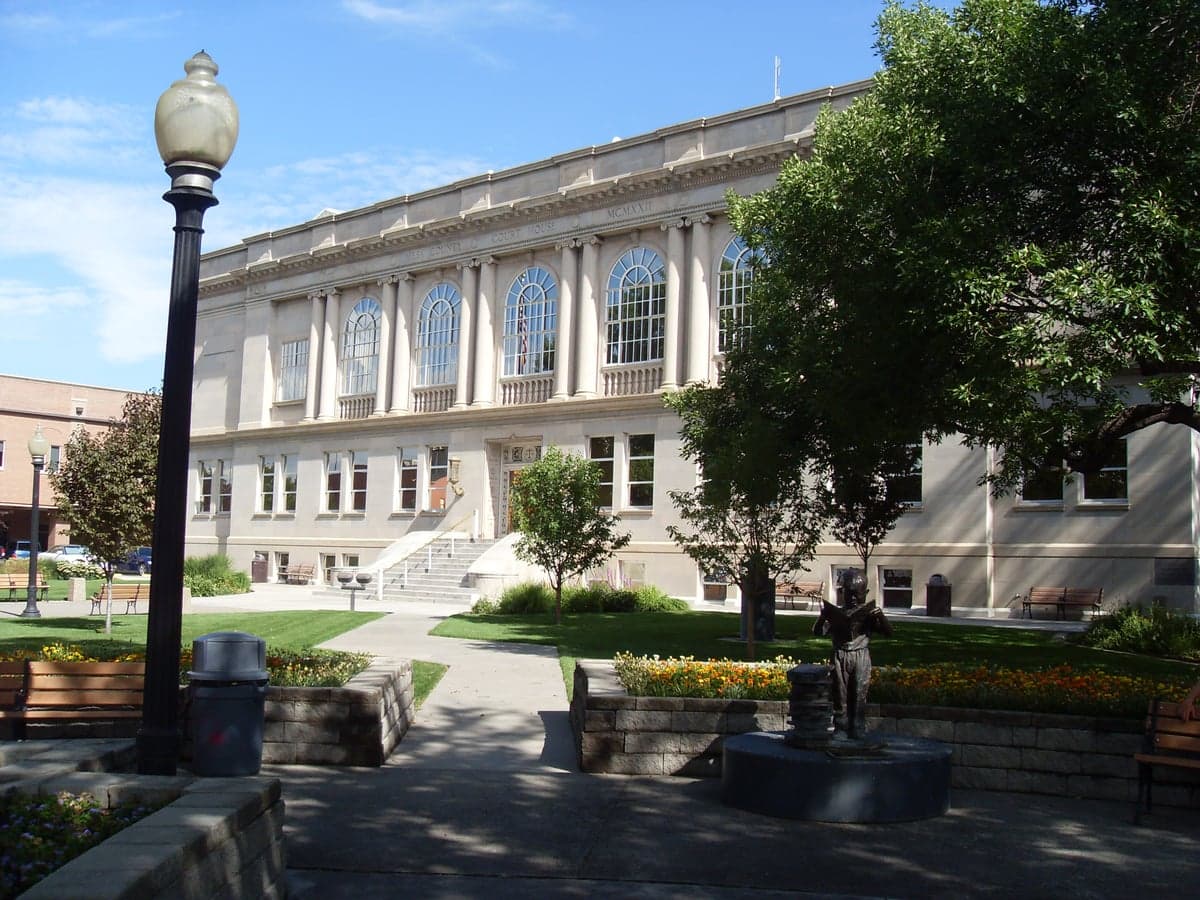
Photo: Wikipedia
Personal Sovereignty in Mesa County
Viable for self-reliance. Generally workable, though some barriers may limit total independence.
What does Personal Sovereignty tell us?
Personal Sovereignty measures your capacity for self-reliance and independence with minimal government friction. Higher scores mean fewer barriers between you and the way you want to live... but it assumes you have the space you need and good neighbors.
What does this tell us?
Personal Sovereignty measures your capacity for self-reliance and independence with minimal government friction. Higher scores mean fewer barriers between you and the way you want to live... but it assumes you have the space you need and good neighbors.
State Policy
Energy independence: Net exporter (110% of energy produced in-state)
Personal Liberty
Homesteading

Personal Liberty Analysis
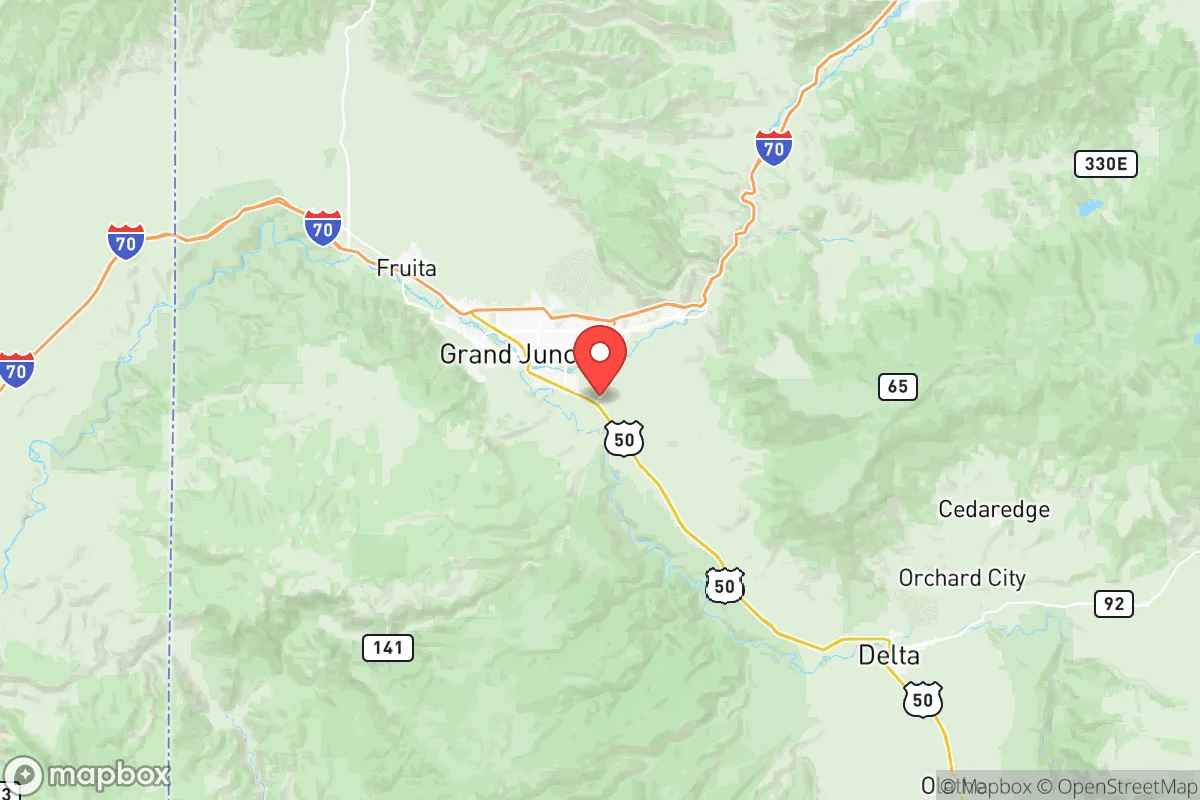
Mesa County, Colorado, offers a notably high degree of personal sovereignty relative to the state's Front Range urban centers, with a regulatory environment that generally favors individual autonomy and self-reliance. The county's political culture, anchored by the city of Grand Junction and extending into towns like Fruita, Palisade, and the more rural communities of Gateway and De Beque, consistently pushes back against state-level mandates, creating a distinct pocket of personal freedom within a state that has trended leftward in recent years. For individuals and families who prioritize making their own choices on taxes, self-defense, property use, and daily life, Mesa County presents a compelling balance of rural independence and access to regional services.
Tax burden and regulatory posture compared to Colorado's Front Range
Mesa County's tax burden is significantly lighter than what residents encounter in Denver, Boulder, or even Colorado Springs. The county's property tax rate is among the lowest in the state, with a typical effective rate around 0.5% of actual value, compared to rates exceeding 0.7% in many Front Range counties. The county government has also adopted a posture of limited regulation, particularly in land use and business licensing. Grand Junction, the county seat, has a streamlined permitting process for small businesses and home-based enterprises, while towns like Fruita and Palisade maintain similarly light-touch approaches. The regulatory environment in unincorporated areas of the county, especially around Whitewater and Mack, is even more permissive, with fewer zoning restrictions and lower fees. This stands in stark contrast to the more heavily regulated Front Range, where environmental and land-use rules can significantly delay or increase the cost of development and business operations.
Self-defense and gun law specifics in Mesa County
Mesa County is a stronghold for Second Amendment rights within Colorado, with local law enforcement and elected officials publicly opposing state-level firearm restrictions. The county sheriff has declared the county a "Second Amendment Sanctuary," signaling that local resources will not be used to enforce certain state gun laws deemed unconstitutional by the sheriff's office. This means that while state law requires background checks for private firearm sales and limits magazine capacity to 15 rounds, enforcement is less aggressive than in Denver or Boulder. Open carry is legal in Mesa County without a permit, and concealed carry permits are issued by the county sheriff with a relatively straightforward process. Towns like Grand Junction and Fruita have multiple gun shops and shooting ranges, reflecting a deeply embedded gun culture. For residents who prioritize self-defense rights, Mesa County offers a far more permissive environment than the state's urban centers, though it is still subject to Colorado's preemptive state laws.
Self-reliance and homesteading viability across Mesa County
Homesteading and off-grid living are viable in Mesa County, particularly in the more rural and unincorporated areas. Zoning in unincorporated parts of the county, such as the areas around De Beque, Mack, and Whitewater, allows for small-scale agriculture, livestock keeping, and accessory dwelling units with minimal bureaucratic hurdles. Minimum lot sizes in these areas are typically 1 to 5 acres, making it feasible to establish a self-sufficient homestead. Off-grid living is legally possible, though residents must comply with state building codes and health department regulations for septic systems and water wells. Solar energy is widely used, and the county does not impose prohibitive restrictions on rainwater collection or alternative energy systems. In contrast, the more densely populated areas of Grand Junction and Fruita have stricter zoning that limits livestock and accessory structures, but even there, backyard chickens and small gardens are generally permitted. For those seeking maximum self-reliance, the rural fringes of the county offer the most freedom, with lower land prices and fewer neighbors to contend with.
Personal liberties in Mesa County: parental rights, medical autonomy, speech, and property
Mesa County's culture strongly supports parental rights and medical autonomy, with local school boards and health officials generally deferring to family decisions. The county's school districts, including Mesa County Valley School District 51 and the smaller Plateau Valley School District, have resisted state-level mandates on curriculum and health policies, allowing parents more input than in many Front Range districts. Medical freedom is a prominent local issue, with several independent healthcare providers and a vocal community opposing vaccine mandates and government health interventions. Free speech is robustly protected, with public meetings and local media reflecting a wide range of conservative and libertarian viewpoints. Property rights are also strongly defended; the county's planning department is known for a "yes, if possible" approach rather than a "no, unless" mentality, particularly for agricultural and residential uses. Eminent domain is rarely used, and property owners generally have wide latitude to use their land as they see fit, subject only to basic health and safety codes.
Overall, Mesa County offers one of the highest levels of personal sovereignty in Colorado, rivaled only by a few other rural counties in the state's western slope. For a relocation-minded individual or family who values low taxes, minimal regulation, strong self-defense rights, and the ability to live self-sufficiently, Mesa County is a standout choice. While it is not a libertarian utopia—state laws on taxes, gun control, and environmental regulation still apply—the local culture and governance consistently push the boundaries of what is permissible, creating an environment where personal freedom is the default rather than the exception. Compared to the Front Range, where regulatory density and cultural pressure can feel suffocating to those who prize independence, Mesa County feels like a different state entirely.

* Values derived from national, state, county, city and local statistics and may differ in a specific area. Last updated: 2026-06-29T14:17:33.000Z
Narrative content on this page is AI-generated and may contain mistakes. Verify any details that matter before acting on them.
ReloMaps may earn a commission from affiliate links at no extra cost to you.

