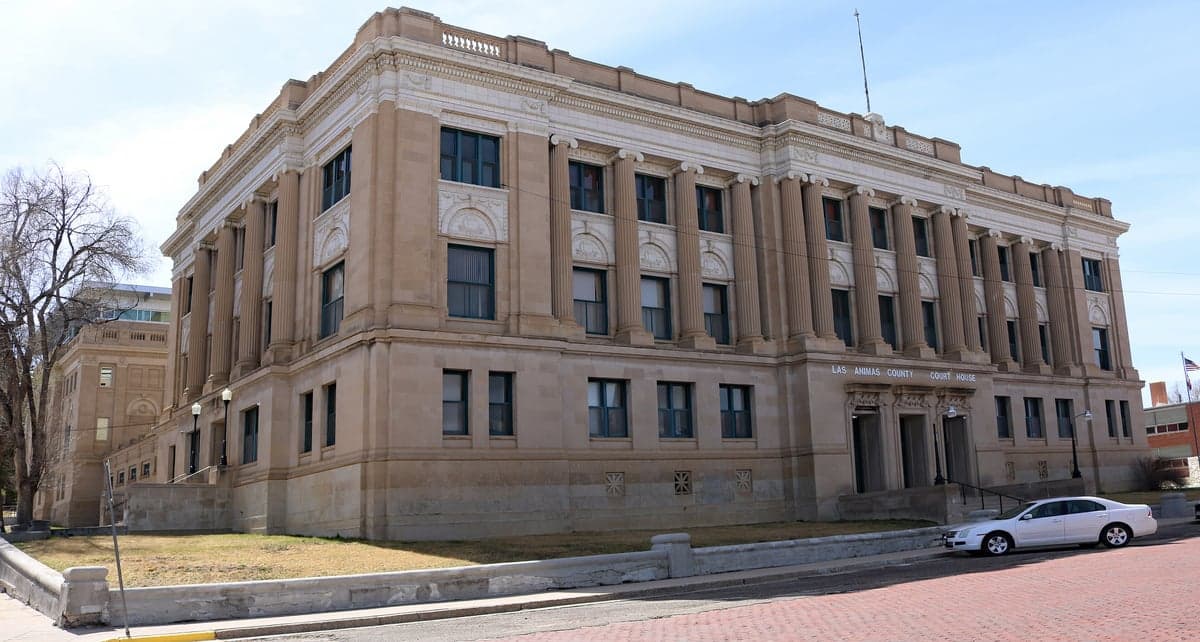
Photo: Wikipedia
Quality of Life in Las Animas County
A livable area that tracks near national norms for affordability, walkability, and neighborhood health.
What does Quality of Life tell us?
Quality of Life measures an area by evaluating factors like cost of living, nearby amenities, country club access, airport proximity, socioeconomic signals and neighborhood character. For large states, this is a general average — quality of life can vary dramatically between metro areas, suburbs, and rural communities within the same state.
What does this tell us?
Quality of Life measures an area by evaluating factors like cost of living, nearby amenities, country club access, airport proximity, socioeconomic signals and neighborhood character. For large states, this is a general average — quality of life can vary dramatically between metro areas, suburbs, and rural communities within the same state.
Cost of Living
24% below national average
82%
The Real Cost of Living in Las Animas County for 2026
| Tier | Individual | Family (4) |
|---|---|---|
| Survival | $14k | $26k |
| Comfortable | $42k | $61k |
| Luxury | $91k+ | $141k+ |
| Elite (Top 5%) | $108k+ | $168k+ |
Quality-of-Life Analysis
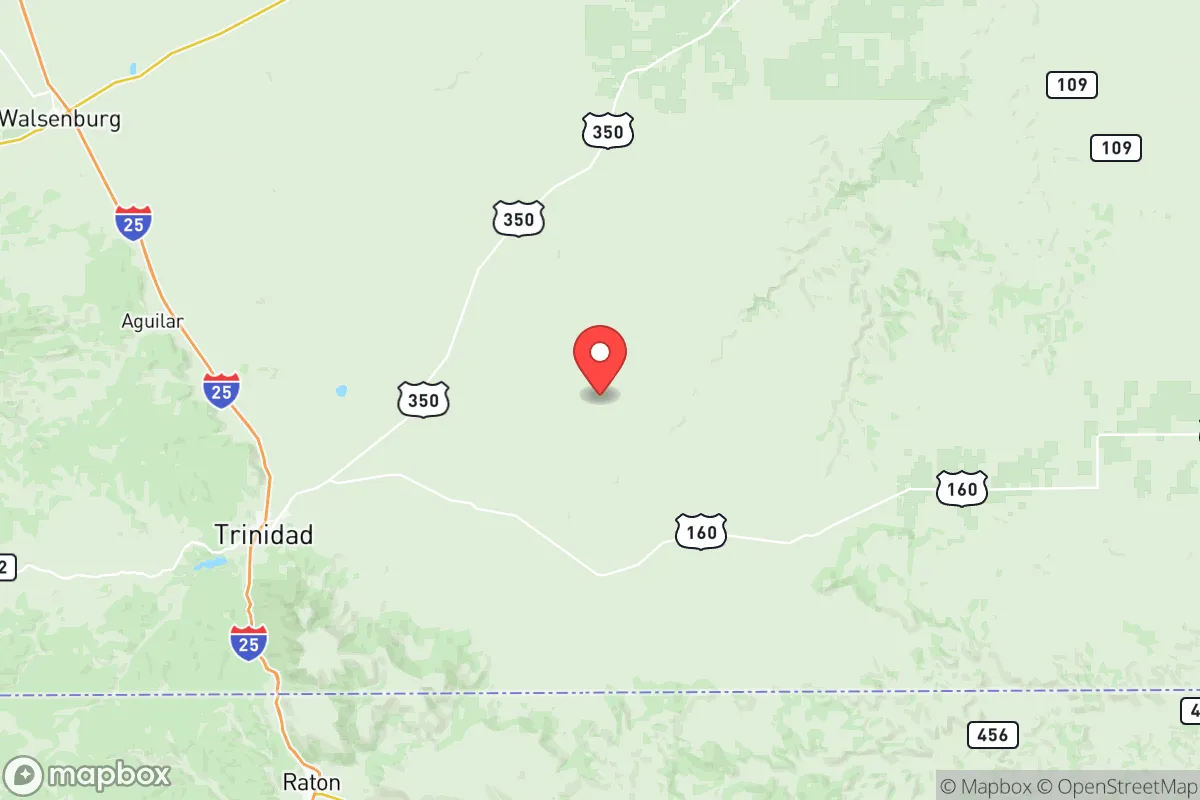
Las Animas County, Colorado, offers a spectrum of quality-of-life options that range from the historic, amenity-rich town of Trinidad to remote, off-grid homesteads in the county’s vast high plains and canyonlands. The county’s character is defined by its deep Hispanic and coal-mining heritage, dramatic landscapes along the Purgatoire River, and a cost of living well below the national average. People drawn here typically fall into two camps: those seeking affordable small-town living with walkable historic districts and basic services, and those seeking true rural isolation, often on large acreages with few neighbors and no municipal utilities.
Largest town(s) & population centers
Trinidad, the county seat and only incorporated city of significant size, is the undisputed population center with roughly 8,000 residents. Daily life in Trinidad centers on its well-preserved Victorian and Italianate architecture, a walkable downtown with independent coffee shops, art galleries, and the Trinidad History Museum. The city offers a full range of services: a regional hospital (Mount San Rafael), a Walmart Supercenter, and Trinidad State College. Commute times are short — the countywide average is just under 20 minutes — and most residents work in healthcare, education, retail, or local government. A smaller but notable population center is the unincorporated community of Aguilar (pop. ~500), which sits 20 miles north of Trinidad along Interstate 25. Aguilar is quieter and more blue-collar, with a handful of local businesses and a strong sense of community centered on the annual Aguilar Days festival. Neither town offers the nightlife or cultural density of a Front Range city, but both provide a safe, low-stress environment for families and retirees.
Smaller towns & rural pockets
Beyond Trinidad and Aguilar, Las Animas County is dotted with tiny, unincorporated communities that offer a radically different lifestyle. Stonewall Gap (pop. ~50) and Weston (pop. ~60) sit in the foothills of the Sangre de Cristo Mountains, where residents live on multi-acre parcels with well water and septic systems, often commuting to Trinidad for work or supplies. Kim (pop. ~70), in the far southeastern corner of the county, is one of the most remote inhabited places in Colorado — a true high-plains outpost with a post office, a gas station, and little else. Model and Thatcher are ghost-town-level hamlets where only a handful of families remain, living in century-old farmhouses surrounded by cattle ranches. These areas attract people who value privacy, self-sufficiency, and wide-open spaces over convenience. Internet access is often limited to satellite or spotty cellular, and the nearest grocery store may be 30–45 minutes away.
Cost & lifestyle range
The cost of living in Las Animas County is a major draw, with a composite index of 76 (24% below the U.S. average). The median home value is $214,500, and median rent is $875. At the low end of the spectrum, a small fixer-upper home in Aguilar or a rural property near Stonewall Gap can be found for under $150,000, while a well-maintained historic home in Trinidad’s desirable “Uptown” district might sell for $300,000–$400,000. Rentals are scarce in the smaller towns; most housing in Kim or Weston is owner-occupied. The lifestyle range is stark: in Trinidad, a resident can walk to a brewery, a library, and a medical clinic. In Kim, the nearest hospital is 70 miles away in Springfield. Property taxes are among the lowest in Colorado (roughly 0.5% of assessed value), which keeps carrying costs low for homeowners but also means fewer county services — road maintenance and snow plowing are minimal in the most remote areas. Utilities are generally cheaper than the national average, though propane and well-pump electricity can add up for rural residents.
Who thrives in Las Animas County? The county suits two distinct personality types: the budget-conscious retiree or remote worker who wants a walkable, historic small town with a low cost of living (Trinidad), and the independent homesteader or rancher who values solitude, self-reliance, and vast landscapes over convenience (Kim, Stonewall Gap, Weston). Families with school-age children should note that Trinidad’s schools are adequate but not top-tier, and rural students face long bus rides. The county is not for those seeking urban amenities, high-end dining, or rapid career growth. It is a place where affordability and space come first, and where the trade-offs — limited shopping, long drives for specialized healthcare, and harsh winters — are accepted in exchange for a slower, quieter life.

Crime in Las Animas County
Higher crime rates than 57% of comparable U.S. locations.
Violent CrimeViolent Crime Analysis
Property CrimeProperty Crime Analysis
Crime Analysis
Las Animas County, located in southeastern Colorado, presents a mixed safety picture with violent crime rates that are slightly below the national average but property crime rates that significantly exceed both state and national benchmarks. The county's vast rural geography, anchored by the city of Trinidad and smaller communities like Aguilar, Starkville, and Hoehne, creates a landscape where crime is not evenly distributed. Residents in unincorporated areas often experience different safety realities than those in the county's more populated corridors, and the local justice system's approach to prosecution plays a direct role in public safety outcomes.
Crime in context
Las Animas County reports a violent crime rate of 428.1 per 100,000 residents, which is roughly 22% higher than the Colorado state average of approximately 350 per 100,000 but still below the national average of 380.4 per 100,000. The property crime rate of 2,177.4 per 100,000 is a more serious concern, running about 15% above the Colorado average of 1,890 per 100,000 and well above the national figure of 1,954 per 100,000. These figures are drawn from the most recent FBI Uniform Crime Reporting data, which aggregates reports from the Trinidad Police Department, the Las Animas County Sheriff's Office, and the Colorado State Patrol. It is important to note that smaller towns like Aguilar and Starkville may have incomplete reporting, meaning actual crime totals could be higher than officially recorded. The county's proximity to the New Mexico border also introduces cross-jurisdictional crime dynamics, particularly vehicle theft and drug trafficking along the I-25 corridor.
What residents experience
Residents in Trinidad, the county seat and largest city, report the highest concentration of both violent and property crime, with the downtown area and neighborhoods near the historic district seeing elevated rates of theft, burglary, and drug-related offenses. The 2nd Judicial District Attorney's Office, which prosecutes cases in Las Animas County, has faced criticism from local law enforcement for what some describe as a lenient approach to repeat offenders and drug possession cases. This progressive prosecutorial philosophy, while intended to reduce incarceration rates, has resulted in shorter sentences and more plea deals for property crime offenders, directly contributing to higher recidivism and a perception among residents that the justice system prioritizes offender rehabilitation over victim protection. In contrast, the unincorporated areas around Hoehne and the rural stretches east of Trinidad experience far fewer incidents, though residents there cite long sheriff response times—often exceeding 30 minutes—as a persistent safety concern. Property crime, particularly theft from vehicles and outbuildings, is the most common complaint across all areas, with the county's agricultural zones seeing occasional livestock theft and equipment burglaries.
Neighborhood-level variation is pronounced in Las Animas County. The safest areas are generally the small, tight-knit communities of Aguilar and Starkville, where neighborly watch programs and low population density keep crime rates minimal. The most dangerous areas are concentrated in central Trinidad, particularly around the intersection of Main Street and Commercial Street, where drug activity and vagrancy are common. The county's rural subdivisions, such as those near the Purgatoire River, offer a middle ground—lower violent crime but persistent property crime risks. For prospective residents, the safest choice is to look at properties in the outlying towns or on the county's eastern edge, while those considering Trinidad should research specific blocks and consult with the Trinidad Police Department's crime mapping service. The progressive judicial philosophy in the 2nd Judicial District means that even in safer neighborhoods, residents should invest in security systems and comprehensive insurance, as the system's leniency toward property offenders shows no signs of changing.
* Values derived from national, state, county, city and local statistics and may differ in a specific area. Last updated: 2026-07-27T01:29:57.000Z
Narrative content on this page is AI-generated and may contain mistakes. Verify any details that matter before acting on them.
ReloMaps may earn a commission from affiliate links at no extra cost to you.

