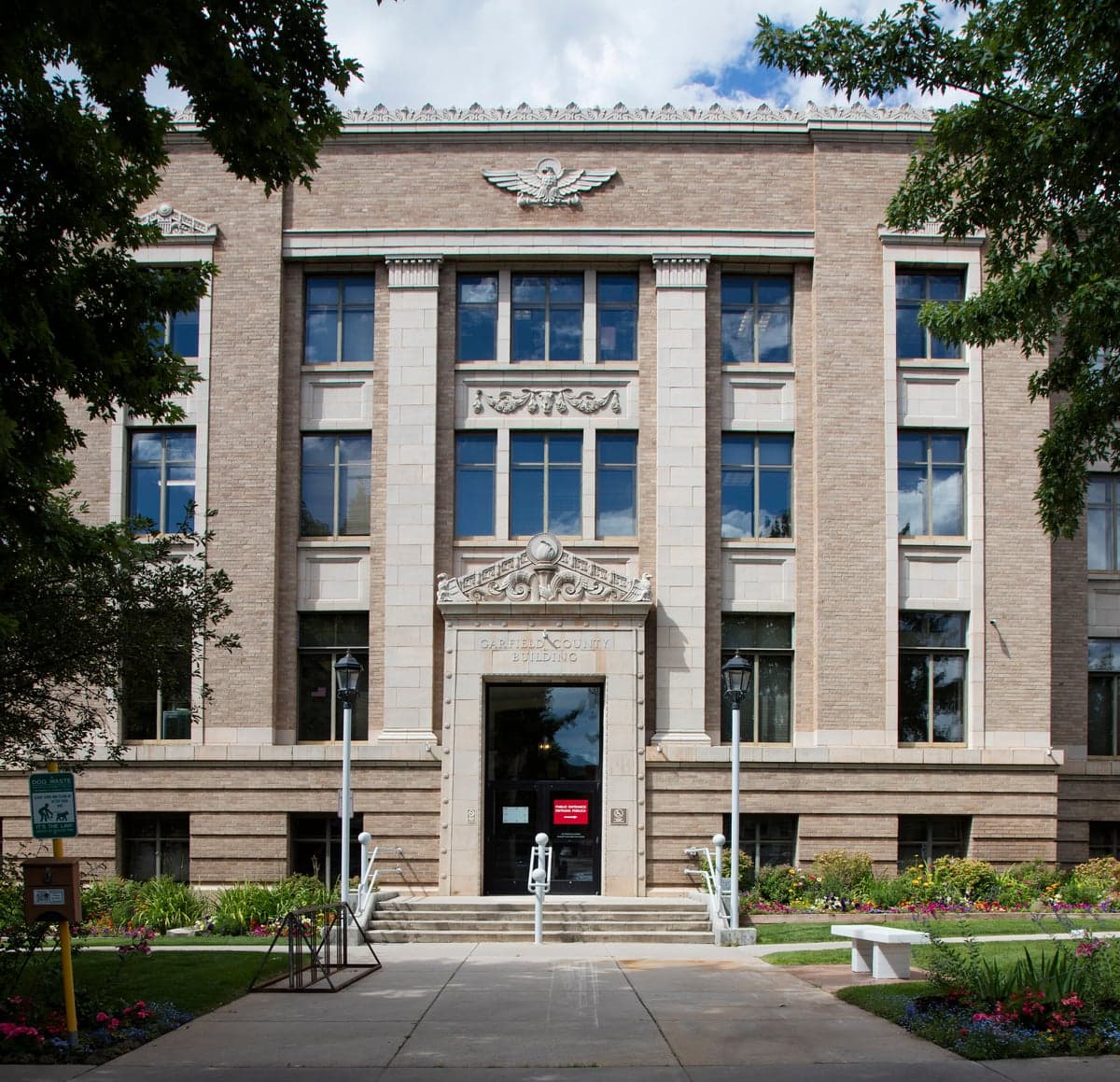
Photo: Wikipedia
Quality of Life in Garfield County
A livable area that tracks near national norms for affordability, walkability, and neighborhood health.
What does Quality of Life tell us?
Quality of Life measures an area by evaluating factors like cost of living, nearby amenities, country club access, airport proximity, socioeconomic signals and neighborhood character. For large states, this is a general average — quality of life can vary dramatically between metro areas, suburbs, and rural communities within the same state.
What does this tell us?
Quality of Life measures an area by evaluating factors like cost of living, nearby amenities, country club access, airport proximity, socioeconomic signals and neighborhood character. For large states, this is a general average — quality of life can vary dramatically between metro areas, suburbs, and rural communities within the same state.
Cost of Living
48% above national average
62%
The Real Cost of Living in Garfield County for 2026
| Tier | Individual | Family (4) |
|---|---|---|
| Survival | $24k | $45k |
| Comfortable | $95k | $140k |
| Luxury | $143k+ | $222k+ |
| Elite (Top 5%) | $169k+ | $262k+ |
Quality-of-Life Analysis
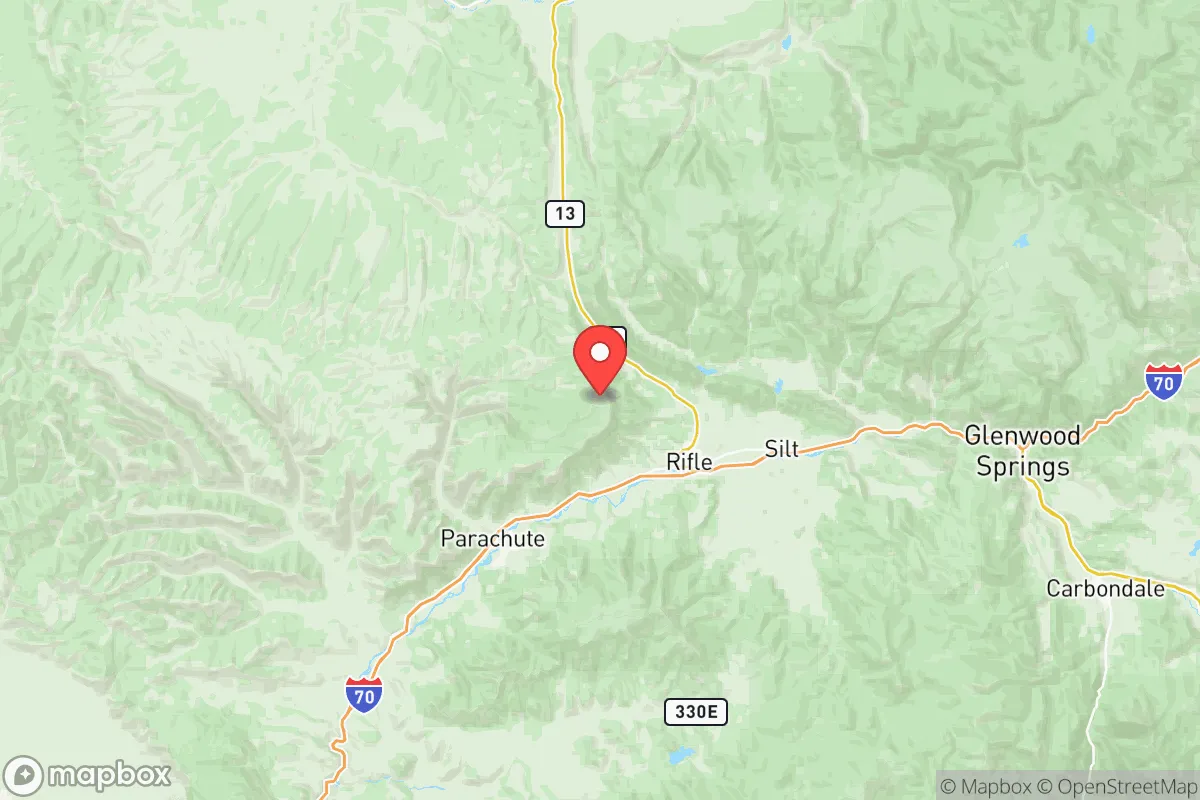
Garfield County, Colorado, offers a quality-of-life spectrum that ranges from the resort-adjacent bustle of Glenwood Springs to the quiet agricultural rhythms of towns like Silt and New Castle, attracting everyone from second-home buyers and remote workers to energy-sector employees and lifelong ranchers. The county’s western slope geography, straddling I-70 between the Roaring Fork Valley and the Colorado River, creates distinct lifestyle zones within a 30-minute drive. With a cost-of-living index of 148 (100 being the U.S. average), a median home value of $490,600, and a median rent of $1,515, the county is more affordable than neighboring Pitkin County (Aspen) but significantly pricier than the national norm, shaping who can live where.
Largest town(s) & population centers
Glenwood Springs, the county seat and largest town (pop. ~10,000), is the region’s commercial and recreational hub. Daily life here centers on the historic downtown, the Glenwood Hot Springs Pool, and easy access to hiking, biking, and whitewater rafting on the Colorado and Roaring Fork rivers. The town has a full-service hospital (Valley View), a strong public school system, and a walkable core that supports a mix of locals and tourists. Rifle (pop. ~10,000), 30 miles east, has a more working-class, energy-industry character, with a lower cost of entry for housing and a growing retail corridor anchored by Colorado Mountain College’s Rifle campus. Carbondale (pop. ~6,500), just south of Glenwood Springs, leans artsy and outdoorsy, with a strong local food scene and a reputation as a more affordable alternative to Aspen, though home prices still average well above the county median. The average commute across the county is 31.6 minutes, reflecting the spread between these centers and outlying residential areas.
Smaller towns & rural pockets
New Castle (pop. ~4,500), situated between Glenwood Springs and Rifle, is a fast-growing bedroom community with new subdivisions and a small historic downtown. It attracts families priced out of Glenwood Springs and workers commuting to the I-70 corridor. Silt (pop. ~3,000) and Parachute (pop. ~1,200) are smaller, more affordable towns with a strong agricultural and energy-industry base. Parachute, near the De Beque Canyon, has seen recent investment in riverfront parks and a new elementary school. Unincorporated areas like Battlement Mesa, a planned community near Parachute, offer lower home prices and a quieter, retiree-friendly lifestyle. Further south, the Crystal River Valley (including Redstone and Marble) is a rural, scenic corridor with limited services, seasonal access, and a mix of historic mining cabins and high-end second homes — a world apart from the I-70 towns.
Cost & lifestyle range
The cost-of-living spread in Garfield County is wide. At the high end, Glenwood Springs and Carbondale command median home values well above the county’s $490,600 average, with many properties exceeding $700,000. Rentals in these towns are tight, with the county median rent of $1,515 often representing a one-bedroom unit. At the lower end, Rifle, Silt, and Parachute offer median home values closer to $350,000–$400,000, and rental availability is somewhat better, though still below demand. Lifestyle amenities follow the same gradient: Glenwood Springs and Carbondale have farmers’ markets, art galleries, and fine dining; Rifle and Parachute have big-box retail, chain restaurants, and a stronger focus on outdoor recreation like hunting, fishing, and off-roading. The trade-off is commute time — living in Parachute and working in Glenwood Springs means a 45-minute drive each way, a common pattern for those seeking affordability without leaving the county.
Who thrives in Garfield County depends heavily on which part they choose. Remote workers and outdoor enthusiasts with flexible budgets gravitate to Glenwood Springs or Carbondale for walkability and culture. Families and energy-sector employees find better value and space in Rifle, Silt, or New Castle. Retirees and those seeking true quiet often settle in Battlement Mesa or the Crystal River Valley. The county’s defining strength is that it offers a genuine range — from resort-adjacent convenience to rural self-sufficiency — within a single, manageable geography.

Crime in Garfield County
Higher crime rates than 57% of comparable U.S. locations.
Violent CrimeViolent Crime Analysis
Property CrimeProperty Crime Analysis
Crime Analysis
Garfield County, Colorado, presents a mixed safety picture that varies significantly between its mountain resort communities and rural stretches. The county's violent crime rate of 428.1 per 100,000 residents and property crime rate of 2,177.4 per 100,000 place it above national averages, though the distribution of crime is far from uniform. Glenwood Springs, the county seat, and the I-70 corridor towns of Rifle and Parachute bear the brunt of reported incidents, while smaller communities like Carbondale and New Castle tend to see lower rates, particularly for violent offenses.
Crime in context
Garfield County's violent crime rate of 428.1 per 100,000 is roughly 22% higher than the national average of approximately 350 per 100,000, and significantly above the Colorado state average of around 380 per 100,000. Property crime at 2,177.4 per 100,000 is also elevated, exceeding the national rate of about 1,950 per 100,000. These figures are driven largely by incidents in Glenwood Springs, which as the commercial and transportation hub sees higher rates of theft, vehicle break-ins, and drug-related offenses. The 9th Judicial District, which covers Garfield, Pitkin, and Rio Blanco counties, has seen a notable increase in property crime along the I-70 corridor since 2020, with law enforcement attributing much of it to transient populations and organized retail theft rings operating between the Front Range and the Western Slope. The district attorney's office, while generally conservative in approach, has faced challenges with case backlogs that critics say delay justice for victims.
What residents experience
Daily life for most Garfield County residents involves a heightened awareness of property crime, particularly vehicle burglaries and package thefts in the more populated areas. In Glenwood Springs, the downtown core and South Glenwood neighborhoods report the highest concentration of incidents, with the Glenwood Springs Police Department logging over 1,200 property crime calls in 2024 alone. Rifle, the county's second-largest city, sees a disproportionate share of drug-related offenses and domestic violence incidents, with the Rifle Police Department reporting a 15% increase in narcotics cases year-over-year. Parachute, at the western edge of the county, has struggled with property crime tied to its position as a gateway to the Grand Valley, though violent crime there remains relatively low. Residents in Carbondale and New Castle generally report feeling safer, with community policing efforts and neighborhood watch programs contributing to lower incident rates. The progressive lean of some local elected officials in Glenwood Springs has drawn criticism from conservative residents who argue that lenient sentencing for nonviolent offenders contributes to repeat property crimes, a concern echoed by the Garfield County Sheriff's Office in public safety briefings.
Neighborhood-level variation is pronounced. The unincorporated areas around Battlement Mesa and the rural subdivisions near Silt and De Beque see very low violent crime rates, often below 100 per 100,000, but property crime can spike seasonally with tourist traffic. The Colorado River Valley, particularly the stretch from New Castle to Parachute, sees higher rates of vehicle theft and burglary during summer months. For those considering relocation, the safest bets are the smaller communities of Carbondale and New Castle, where violent crime rates are roughly half the county average, while Glenwood Springs and Rifle require more vigilance, especially regarding property security. The county's overall safety trajectory is stable, but the influence of progressive judicial policies in the 9th Judicial District remains a point of concern for residents who prioritize public safety over offender rehabilitation.
* Values derived from national, state, county, city and local statistics and may differ in a specific area. Last updated: 2026-07-18T14:02:29.000Z
Narrative content on this page is AI-generated and may contain mistakes. Verify any details that matter before acting on them.
ReloMaps may earn a commission from affiliate links at no extra cost to you.

