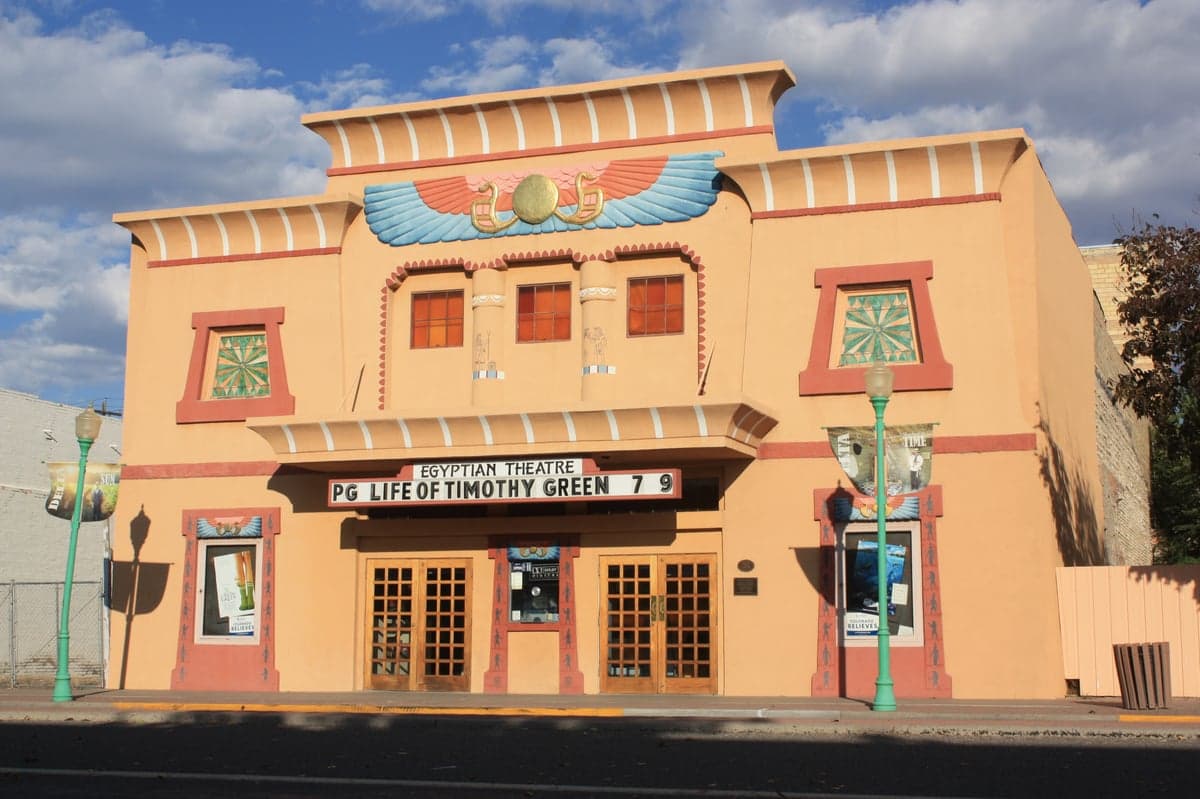
Photo: Wikipedia
Quality of Life in Delta County
A livable area that tracks near national norms for affordability, walkability, and neighborhood health.
What does Quality of Life tell us?
Quality of Life measures an area by evaluating factors like cost of living, nearby amenities, country club access, airport proximity, socioeconomic signals and neighborhood character. For large states, this is a general average — quality of life can vary dramatically between metro areas, suburbs, and rural communities within the same state.
What does this tell us?
Quality of Life measures an area by evaluating factors like cost of living, nearby amenities, country club access, airport proximity, socioeconomic signals and neighborhood character. For large states, this is a general average — quality of life can vary dramatically between metro areas, suburbs, and rural communities within the same state.
Cost of Living
1% above national average
64%
The Real Cost of Living in Delta County for 2026
| Tier | Individual | Family (4) |
|---|---|---|
| Survival | $17k | $32k |
| Comfortable | $62k | $91k |
| Luxury | $105k+ | $163k+ |
| Elite (Top 5%) | $136k+ | $210k+ |
Quality-of-Life Analysis
Delta County, Colorado, offers a spectrum of living environments that ranges from the historic riverfront hub of Delta to the high-altitude, agricultural outpost of Paonia, with scattered unincorporated communities and vast ranchlands in between. This diversity attracts a mix of retirees seeking a lower cost of living, outdoor recreationists drawn to the Grand Mesa and Gunnison River, and agricultural workers tied to the region’s orchards and vineyards. The county’s character shifts noticeably from the commercial bustle of its largest town to the quiet, self-sufficient rhythms of its smaller settlements.
Largest town(s) & population centers
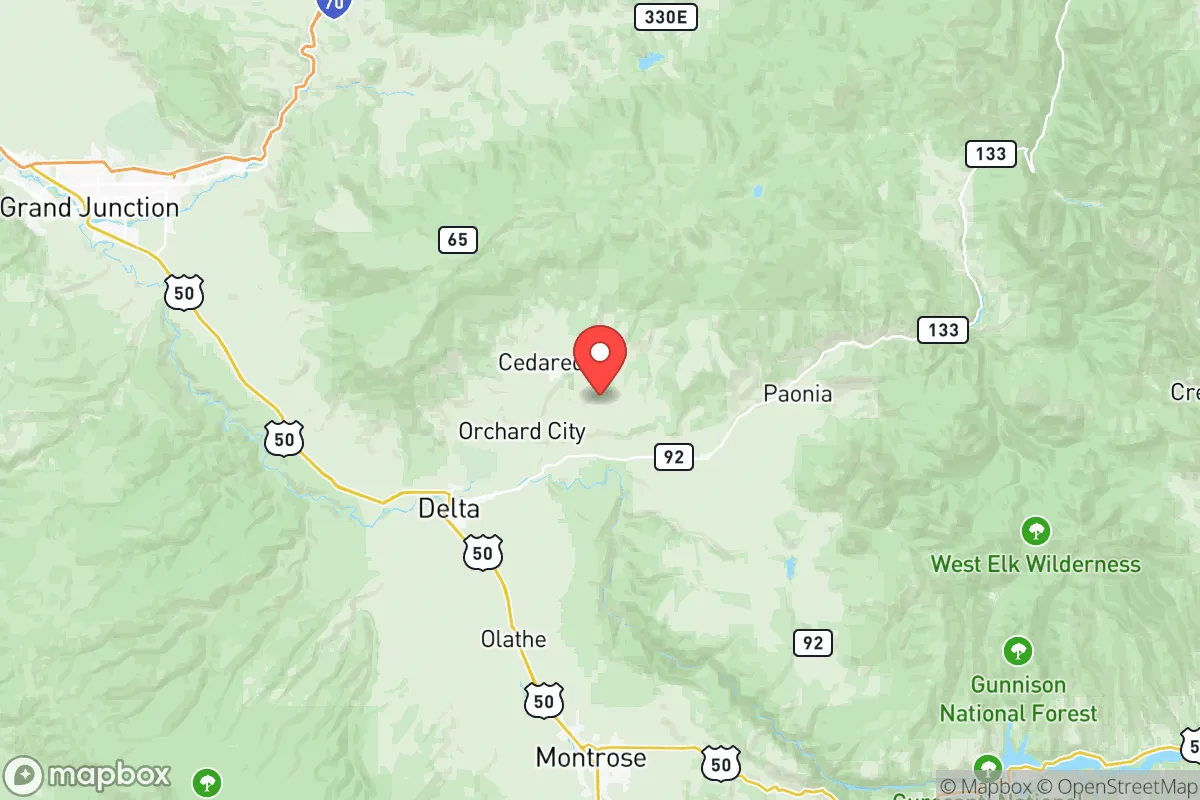
Delta, the county seat and largest municipality (population roughly 9,000), serves as the primary commercial and administrative center. Daily life here revolves around Main Street’s local shops, the Delta County Memorial Hospital, and a mix of chain retailers and fast-food outlets along Highway 92. The town sits at the confluence of the Gunnison and Uncompahgre Rivers, providing residents with easy access to riverfront parks and the Delta Recreation Center. Montrose, though technically in Montrose County, functions as a regional employment and shopping hub for western Delta County residents, with a 20-minute commute from Delta proper. The average commute across the county is 26.3 minutes, reflecting the spread-out nature of work and home locations.
Smaller towns & rural pockets
Paonia (population ~1,500) is the county’s second-largest incorporated town, known for its organic farming community, the annual Mountain Harvest Festival, and a walkable downtown with independent bookstores and cafes. Cedaredge (population ~2,300) sits on the southern slope of the Grand Mesa and serves as a gateway to the mesa’s fishing lakes and snowmobiling trails, with a strong retiree presence. Hotchkiss (population ~1,000) is a quieter agricultural town with a historic downtown and proximity to the North Fork Valley’s wineries. Unincorporated areas like Crawford (population ~400) and Lazear offer true rural living, with homes on acreage, limited services, and a reliance on Delta or Paonia for groceries and medical care. The Surface Creek Valley area, stretching between Cedaredge and Delta, is a patchwork of small farms and newer subdivisions appealing to those wanting land without total isolation.
Cost & lifestyle range
The county’s cost of living index sits at 101 (on par with the U.S. average), but the spread within the county is significant. Delta town anchors the lower end: median home value is $318,000, and median rent is $1,080, making it one of the more affordable Colorado towns with a hospital and full grocery stores. Paonia and Cedaredge sit moderately higher, with home values often $350,000–$450,000 for a single-family home, driven by desirability of the North Fork Valley’s lifestyle and Grand Mesa views. The rural pockets—particularly Crawford and the unincorporated areas along the Gunnison River—offer the cheapest land (often under $200,000 for a bare lot or older mobile home), but come with trade-offs: no municipal water or sewer, longer drives to schools and clinics, and limited internet options. At the upper end, custom-built homes on acreage near Paonia or on the Grand Mesa can exceed $600,000, attracting remote workers and second-home buyers. Amenities follow the same gradient: Delta has a Walmart, a hospital, and multiple dining options; Paonia has a small grocery co-op and a pharmacy; Crawford has a gas station and a post office, with the nearest full-service grocery 20 minutes away in Hotchkiss.
This county works best for people who value space and self-reliance over urban convenience. Retirees on fixed incomes often settle in Delta or Cedaredge for the lower housing costs and access to medical care. Remote workers and creatives gravitate toward Paonia’s tight-knit, progressive community. Agricultural families and off-grid homesteaders occupy the rural valleys and mesa slopes. Anyone needing frequent flights, specialty retail, or a dense social scene will find Delta County too quiet; those seeking affordable land, clean air, and a slower pace will find it a precise fit.

Crime in Delta County
Crime rates similar to the national median for U.S. locations.
Violent CrimeViolent Crime Analysis
Property CrimeProperty Crime Analysis
Crime Analysis
Delta County, Colorado, presents a mixed safety picture that demands careful attention from potential residents. With a violent crime rate of 427.5 per 100,000 residents and a property crime rate of 2,175.8 per 100,000, the county exceeds both state and national averages, making it one of the more challenging areas in western Colorado for personal and property security. The county seat of Delta and the town of Paonia are the primary population centers where crime is concentrated, while smaller communities like Hotchkiss and Cedaredge generally report fewer incidents.
Crime in context
Delta County’s violent crime rate of 427.5 per 100,000 is roughly 20% higher than the national average (about 380 per 100K) and significantly above Colorado’s statewide rate of approximately 410 per 100K. Property crime at 2,175.8 per 100K is similarly elevated, outpacing both the national figure (around 1,950 per 100K) and the Colorado average (roughly 2,000 per 100K). These numbers place Delta County in a higher-risk tier compared to neighboring counties like Montrose (which reports lower violent crime) or Mesa County (which has comparable but slightly lower property crime rates). The 7th Judicial District, which covers Delta County along with Montrose and Ouray counties, has seen increasing caseloads tied to drug-related offenses, particularly methamphetamine and opioid trafficking along the Highway 92 and Highway 50 corridors.
What residents experience
Residents in Delta County report that property crime—especially vehicle break-ins, theft from outbuildings, and burglary of unoccupied homes—is the most common safety concern. The town of Delta itself accounts for a disproportionate share of reported incidents, with its downtown area and the neighborhoods near the Delta-Montrose Regional Airport seeing higher theft rates. Paonia, a smaller agricultural and arts community, experiences occasional property crime spikes during harvest season when transient labor populations increase. Hotchkiss and Cedaredge, by contrast, have notably lower crime rates, with residents describing them as quieter and more insulated from the drug-related property crime that affects the county’s larger towns. Violent crime, while less frequent, includes aggravated assaults often linked to domestic disputes or alcohol-fueled altercations in bars and public spaces. The progressive lean of the 7th Judicial District’s elected officials has been a point of concern for some residents, who argue that diversion programs and lenient sentencing for nonviolent property offenders contribute to repeat offenses and a revolving-door effect in the county jail.
Neighborhood-level variation is significant within Delta County. The unincorporated areas around Surface Creek and the North Fork Valley (including Paonia and Hotchkiss) generally see lower crime rates than the more densely populated city of Delta. Within Delta, the older residential blocks near the downtown core and the commercial strips along Main Street and Highway 92 report the highest incident densities. Newer subdivisions on the outskirts of Delta and the rural ranching areas south of Cedaredge are considered safer by local law enforcement, with property crime rates roughly half the county average. For those considering relocation, the safest housing choices are in Cedaredge or the rural pockets between Hotchkiss and Paonia, while buyers should exercise caution with properties in central Delta or near the airport corridor. The county’s sheriff’s office and the Delta Police Department both maintain active community policing programs, but response times in remote areas can exceed 20 minutes, making neighborhood watch participation and personal security measures a practical necessity.
* Values derived from national, state, county, city and local statistics and may differ in a specific area. Last updated: 2026-06-24T22:31:14.000Z
Narrative content on this page is AI-generated and may contain mistakes. Verify any details that matter before acting on them.
ReloMaps may earn a commission from affiliate links at no extra cost to you.

