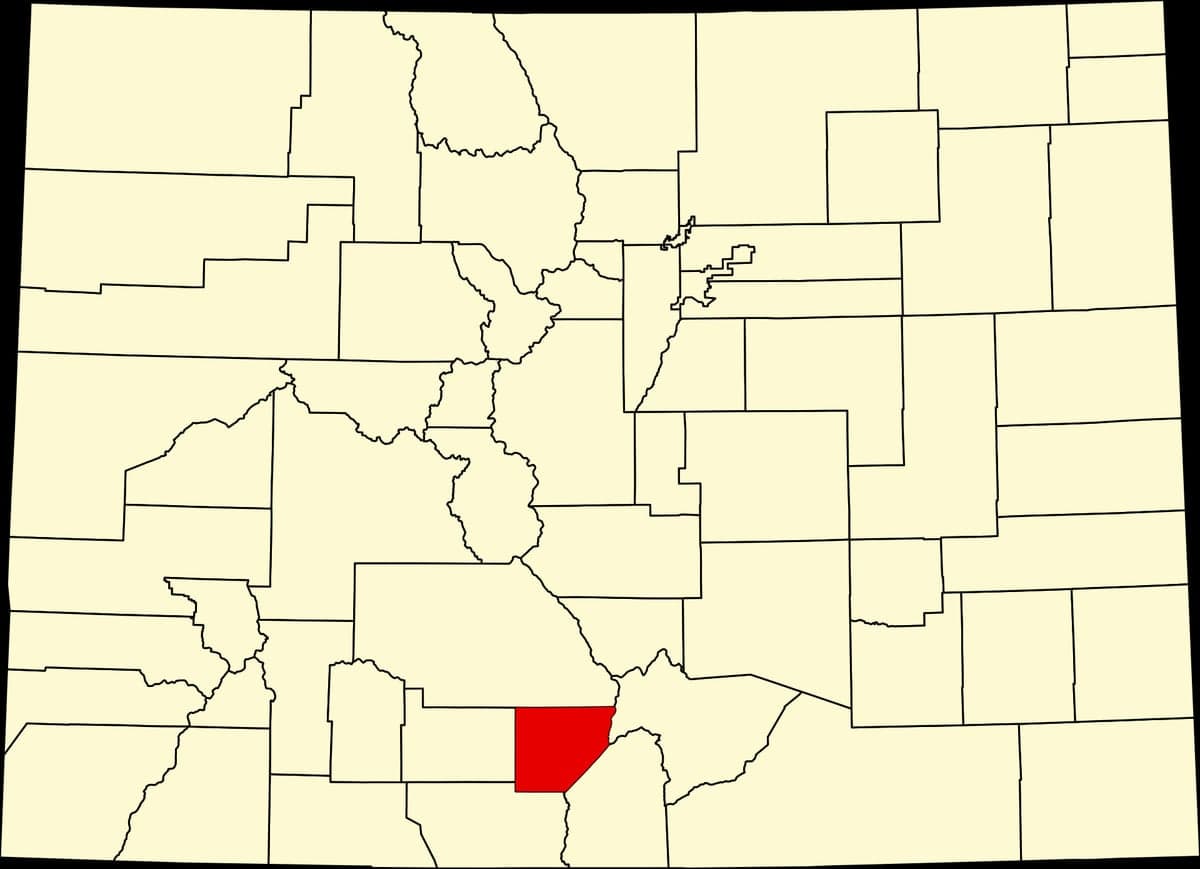
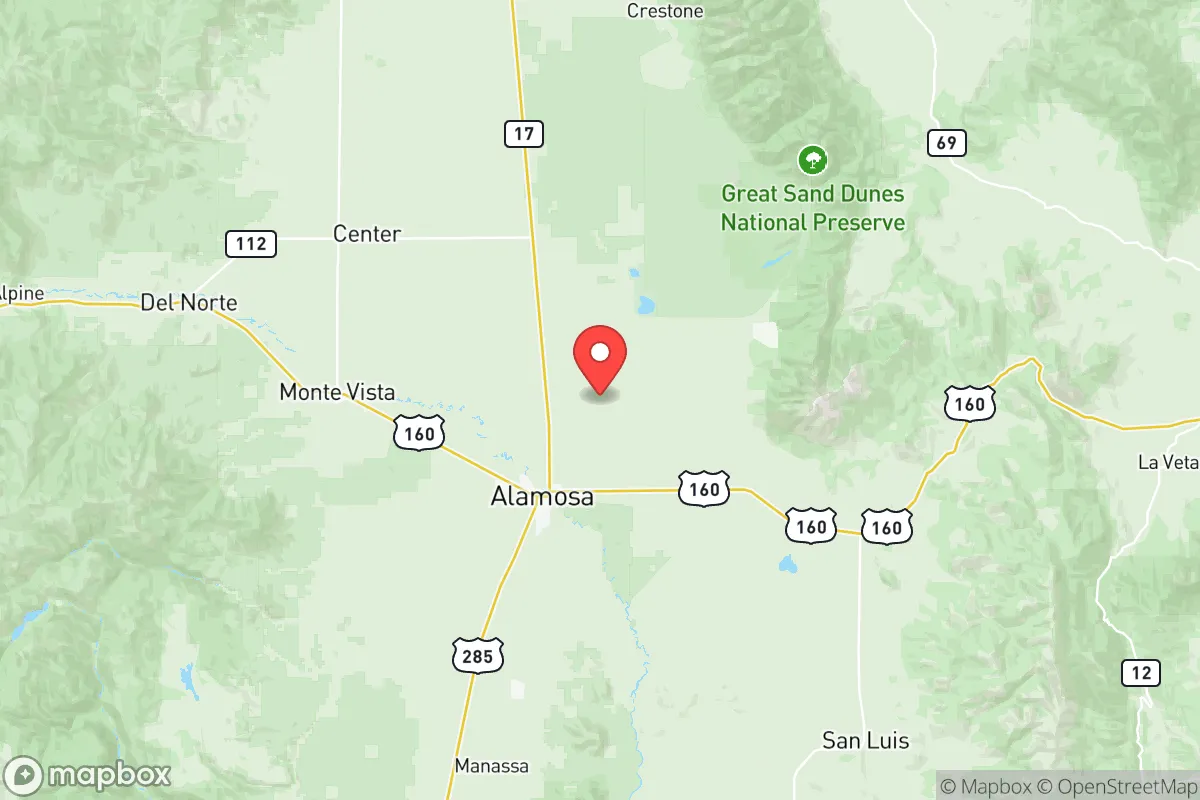
Photo: Wikipedia
Find The Best Places To Live in Alamosa County
PRO TIP! You can paste a Zillow or Redfin link to get info on that property.
Best Places to Live in Alamosa County
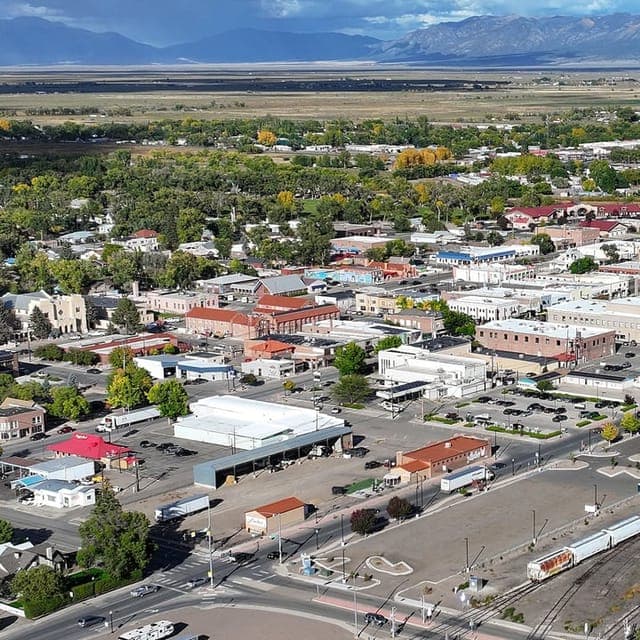
Cities & Towns in Alamosa County
Cities in Alamosa County
What It's Like Living in Alamosa County, CO
Alamosa County is the heartbeat of the San Luis Valley, a place where the sky stretches forever and the pace of life follows the rhythms of the Rio Grande. The county seat of Alamosa anchors the region with its college-town energy, while the smaller communities of Mosca, Hooper, and Fort Garland offer a quieter, more rural existence. Living here means trading urban convenience for wide-open spaces, a low cost of living, and a community where everyone knows your name — but also accepting a reality that can feel isolated, especially in the winter months.
The Rhythm of the Valley
Daily life in Alamosa County moves at a deliberate, unhurried pace. Most people work within a 15-minute commute — the average is just over 15 minutes — so there’s no grinding traffic, just the occasional slowdown behind a tractor on Highway 17. Mornings often start with coffee at the San Luis Valley Brewing Company in downtown Alamosa, where locals chat about the weather or the upcoming Adams State University Grizzlies game. Grocery runs happen at the local Safeway or the farmers market on Main Street during summer. The cost of living index sits at 78, well below the national average of 100, and a median home value of $218,800 makes homeownership reachable for families and single professionals alike — a stark contrast to the Front Range cities like Denver or Colorado Springs. But the trade-off is a limited job market. The median household income is $51,445, and many residents work in education, healthcare, or agriculture. If you’re not employed by the university, the school district, or the hospital, you may find yourself commuting to nearby towns like Monte Vista or even driving over La Veta Pass to the San Luis Valley’s edge.
Seasonal rhythms define life here. Winters are long and cold, with snow that can shut down the valley for days. Summers are short but glorious, drawing everyone outdoors. The Great Sand Dunes National Park, just a 20-minute drive east of Alamosa, becomes a weekend ritual for families — sledding down the dunes in summer, stargazing in the dark sky preserve. The Rio Grande itself offers tubing and fishing near the town of Mosca, though the water is always chilly. Fall brings the annual Alamosa Summerfest and the San Luis Valley Big Bird Festival, a quirky celebration of the region’s sandhill crane migration that draws birders from across the state.
What You’ll Spend Your Time Doing
Friday nights in the fall are reserved for high school football. Alamosa High School’s Mean Moose pack the stands, and the rivalry with Monte Vista is genuine and long-standing. For college sports, Adams State University provides a steady stream of events — the Grizzlies wrestling team is a national powerhouse, and the track and field program regularly produces national champions. It’s a source of local pride, and you’ll see “Adams State” gear all over town. Adults often gravitate toward the Rio Grande Farm Park, a community space where you can volunteer, buy fresh produce, or just walk the trails. The UFO Watchtower near Hooper is a classic roadside attraction — a metal tower built by a local rancher who claims to have seen unexplained lights in the sky. Whether you believe or not, it’s a fun afternoon trip that captures the valley’s quirky, independent spirit.
Eating out is limited but satisfying. Calvillo’s Mexican Restaurant in Alamosa is a staple for enchiladas and tamales, while the Bistro at 717 offers a farm-to-table dinner that feels like a special occasion. For a quick bite, Frosted Roll serves up donuts and breakfast burritos that fuel the early-morning crowd. The bar scene is modest — the San Luis Valley Brewing Company is the main gathering spot, with live music on weekends that ranges from bluegrass to country. The Hooper Trading Post is a general store that feels like a time capsule, where you can buy a fishing license, a soda, and a piece of local history.
Who Fits In and Who Doesn’t
Alamosa County appeals most to people who value space, quiet, and community over career fast tracks and nightlife. It’s a place for families who want their kids to grow up knowing their neighbors, and for single individuals who enjoy outdoor solitude — hiking, hunting, fishing, or simply watching the stars. The median age is 33.1, relatively young because of the university, but the population of 16,515 is small, so you'll see familiar faces everywhere. The college-educated share is 29.3%, lower than the state average, but that reflects the agricultural base as much as anything. Conservative-leaning residents will find the valley generally more traditional than Boulder or Denver, with a strong sense of self-reliance and a suspicion of government overreach. However, the county is not monolithic — Adams State brings a more liberal, academic crowd, and the two groups coexist largely by staying out of each other’s way.
What frustrates longtime residents? The violent crime rate of 427.5 per 100,000 stands out — it’s high for a rural area, driven largely by domestic incidents and drug-related offenses tied to the valley’s isolation. Property crime is also a concern, especially in the more remote parts around Fort Garland. The limited healthcare options mean a specialist visit means a two-hour drive to Pueblo or Colorado Springs. And the weather can be brutal: winter inversions trap cold air in the valley, making it feel even colder than the thermometer reads. But the pros are real: the cost of living, the sense of safety in most neighborhoods, the lack of traffic, and the raw beauty of the San Luis Valley — sunsets that paint the Sangre de Cristo mountains orange and purple, and a silence that’s rare in modern America. If you can handle the trade-offs, Alamosa County offers a life that’s hard to find anywhere else.

* Values derived from national, state, county, city and local statistics and may differ in a specific area. Last updated: 2026-07-10T08:40:33.000Z
Narrative content on this page is AI-generated and may contain mistakes. Verify any details that matter before acting on them.
ReloMaps may earn a commission from affiliate links at no extra cost to you.

