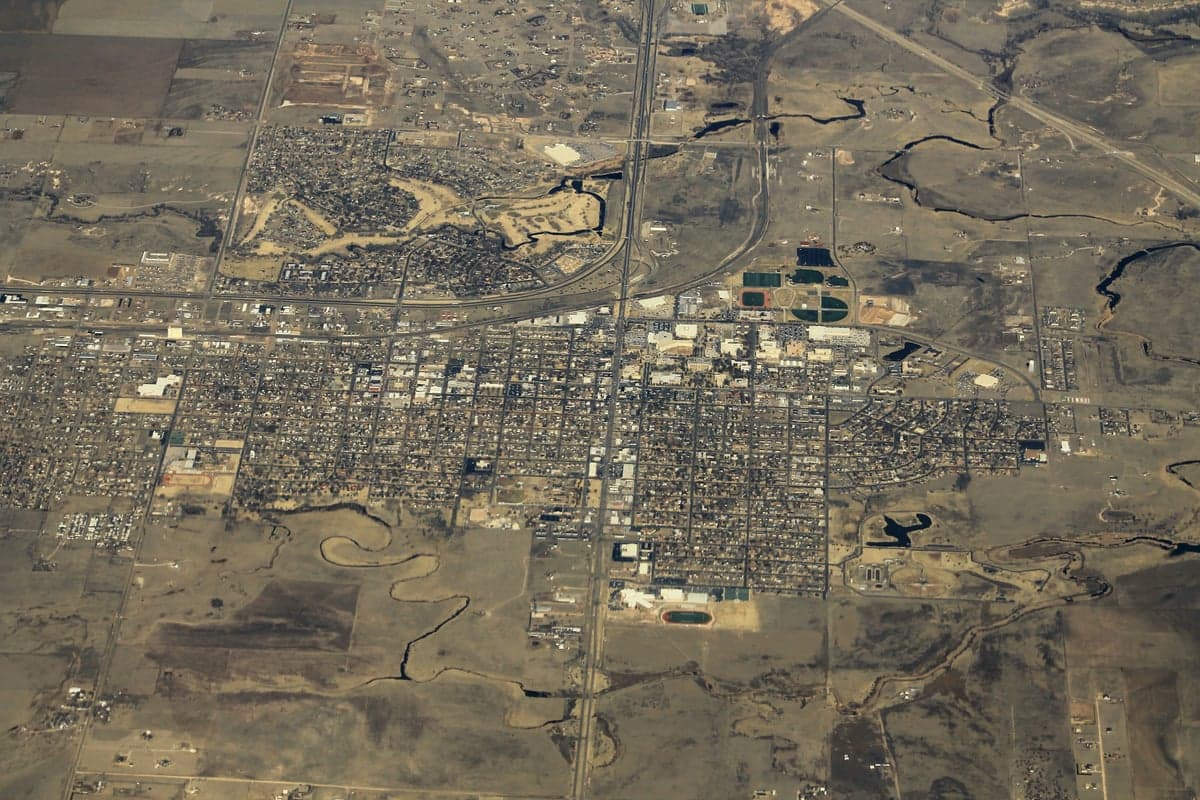
Photo: Wikipedia
Quality of Life in Canyon, TX
A high quality of life with strong walkability, manageable living costs, healthy neighborhood signals, and solid amenity access.
What does Quality of Life tell us?
Quality of Life blends cost of living, nearby amenities, socioeconomic signals, and neighborhood character. City-level scores represent the whole municipality; individual neighborhoods can differ.
What does this tell us?
Quality of Life blends cost of living, nearby amenities, socioeconomic signals, and neighborhood character. City-level scores represent the whole municipality; individual neighborhoods can differ.
Cost of Living
19% below national average
The Real Cost of Living in Canyon, TX for 2026
| Tier | Individual | Family (4) |
|---|---|---|
| Survival | $16k | $29k |
| Comfortable | $42k | $62k |
| Luxury | $105k+ | $162k+ |
| Elite (Top 5%) | $123k+ | $191k+ |
109%
The Area Signal
A metric tracking the socioeconomic signals of the area.
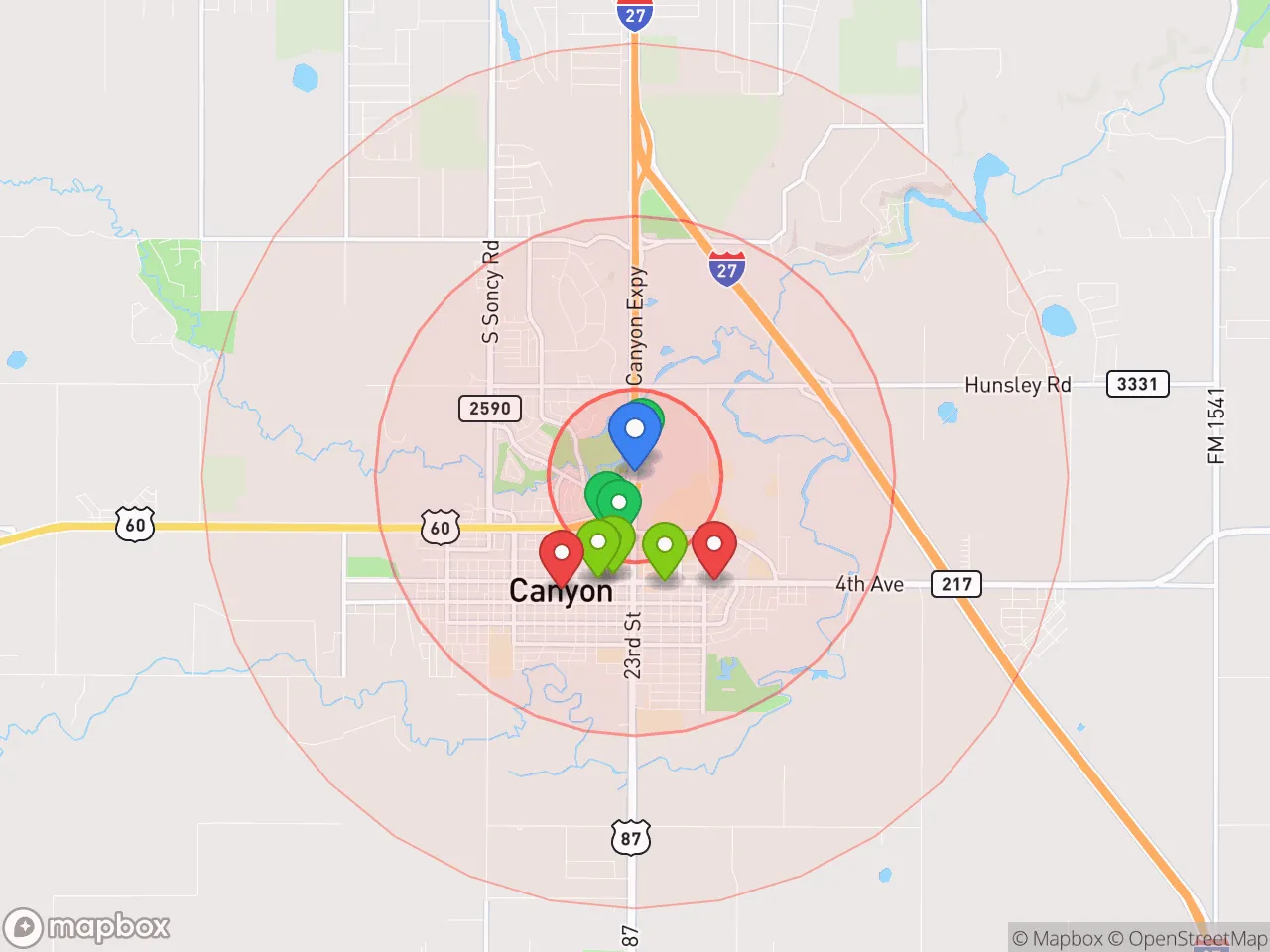
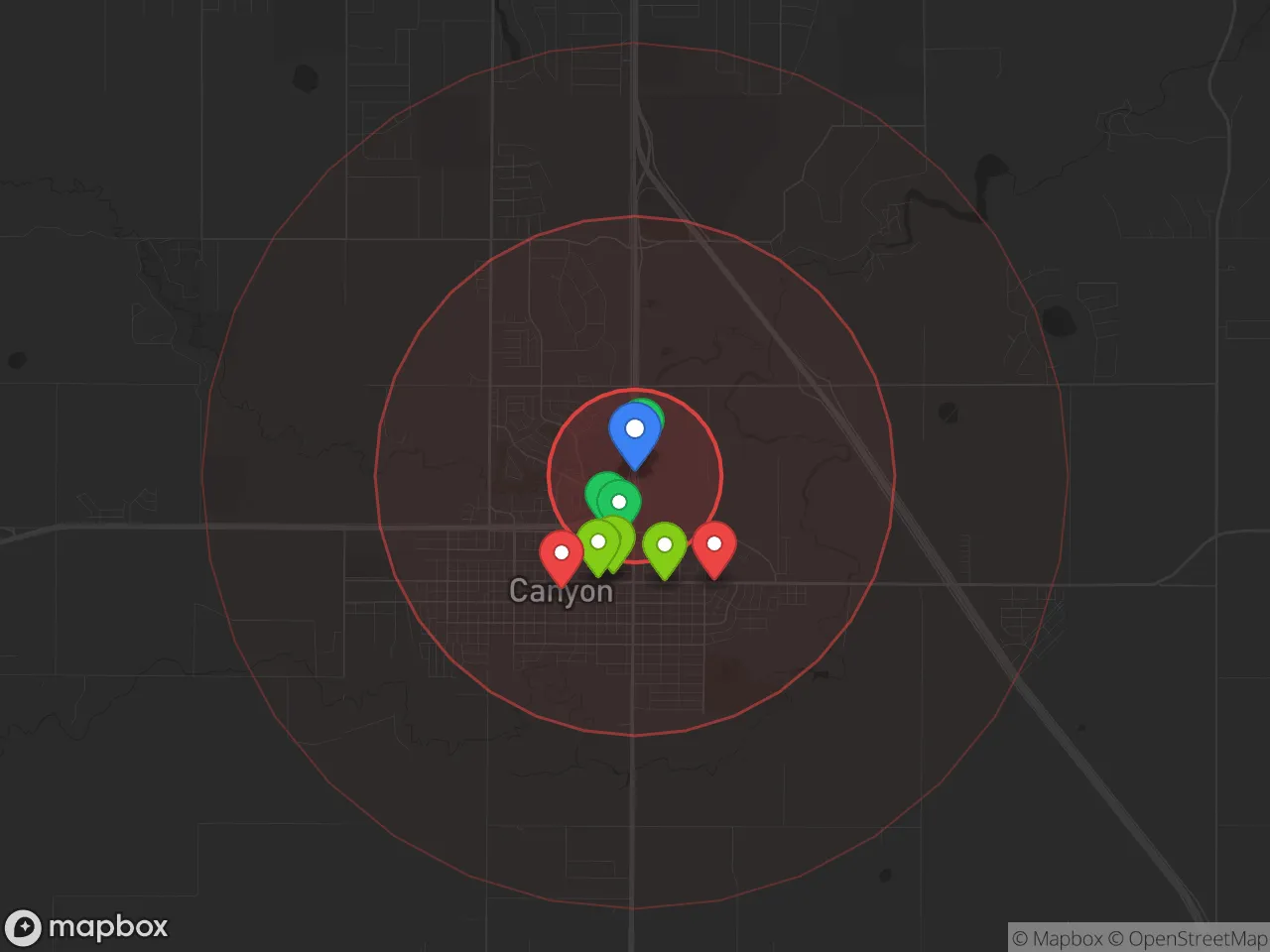
Hobbies
Explore the areaGroceries
0 within 10 miles
Gas
0 within 10 miles
Hospital
0 within 20 miles
Airport
LAS — Las Vegas Municipal
Post Office
Critical Amenities
Quality-of-Life Analysis
Canyon, Texas, presents a quality of life defined by small-town affordability and a strong sense of community, attracting a mix of families, retirees, and Texas Panhandle professionals who prioritize space and lower living costs over urban amenities. With a cost of living index of 81 (19% below the U.S. average), the city offers a notably lower financial barrier to entry than nearby Amarillo, making it a practical choice for those seeking a quieter, more budget-friendly lifestyle without sacrificing access to regional employment and services.
How housing costs and daily expenses compare to Amarillo and the Panhandle
The financial appeal of Canyon is most evident in its housing market. The median home value sits at $218,300, significantly lower than the national median, while the median rent is a competitive $975 per month. This pricing undercuts Amarillo’s averages by roughly 10-15%, providing residents with more square footage or newer construction for the same monthly payment. The average commute of approximately 22 minutes is manageable and typical for the region, with most residents driving into Amarillo for work or shopping without the congestion found in larger metro areas. Utility costs and grocery prices also trend below national averages, stretching household budgets further for those employed by local anchors like West Texas A&M University, the Canyon Independent School District, or regional healthcare providers.
What daily life is like for families and professionals in Canyon
Daily life in Canyon revolves around a slower, more predictable rhythm than what is found in Amarillo or Dallas. The city’s public school system is a primary draw, with Canyon High School and Randall High School both earning consistent state accountability ratings that attract families. For recreation, residents rely heavily on Palo Duro Canyon State Park—the second-largest canyon in the United States—which offers hiking, mountain biking, and horseback riding just minutes from downtown. Local amenities include a historic downtown square with independent restaurants and shops, a public library, and community events like the annual Tri-State Fair. While nightlife and cultural options are limited compared to a major city, the proximity to Amarillo (a 20-minute drive) provides access to larger hospitals, an international airport, and retail chains without the daily noise and traffic.
Who will thrive best in Canyon’s current environment
Canyon is best suited for individuals and families who value low cost of living, short commutes, and outdoor access over dense urban entertainment. Retirees on fixed incomes benefit from the affordable housing and lower tax burden, while young families find a safe, community-oriented environment with strong schools. Professionals working at West Texas A&M University or in Amarillo’s healthcare and energy sectors will appreciate the easy commute and lower housing costs. Those seeking a vibrant nightlife, diverse dining, or extensive public transit will likely find Canyon too quiet. The city’s steady population growth—driven by its affordability and quality schools—suggests it will remain a practical haven for those prioritizing financial stability and a grounded, nature-connected lifestyle in the Texas Panhandle.

Crime in Canyon, TX
Lower crime rates than 93% of comparable U.S. locations.
Violent CrimeViolent Crime Analysis
Property CrimeProperty Crime Analysis
Crime Analysis
Canyon, Texas, presents a notably safe environment compared to both state and national benchmarks, with a violent crime rate of 94.9 incidents per 100,000 residents and a property crime rate of 462.5 per 100,000. These figures place Canyon well below the national average for violent crime (roughly 380 per 100,000) and significantly under the Texas state average (approximately 445 per 100,000). For property crime, the city’s rate is also lower than the national median of around 1,950 per 100,000, reflecting a community where serious offenses are relatively uncommon.
Crime in context
Canyon’s crime statistics are a fraction of those seen in larger Texas metros like Amarillo (which reports violent crime rates near 600 per 100,000) or Lubbock (around 500 per 100,000). The city benefits from its status as a smaller, college-oriented community (home to West Texas A&M University) and a conservative local justice system. Unlike larger urban counties where progressive district attorneys and judges may prioritize diversion programs over incarceration—a trend that often correlates with higher recidivism and more offenders on the street—Canyon’s Randall County maintains a traditional law-and-order approach. This philosophy emphasizes accountability and victim rights, contributing to the low crime rates. The property crime rate, while higher than the violent crime figure, is still manageable and typical for a rural-suburban hub of its size.
What residents experience
Daily life in Canyon involves minimal exposure to violent crime. The most common incidents are thefts from vehicles and occasional burglaries, often concentrated near commercial corridors like 23rd Street or the university campus. Residents report feeling safe walking downtown or using parks after dark, a sentiment backed by the data. The city’s police department maintains a visible presence, and community policing efforts are active. For families, the low violent crime rate is a key draw, as schools and neighborhoods rarely see incidents like aggravated assault or robbery. However, as with any community, locking vehicles and securing property is advised, as opportunistic theft remains the primary risk.
Neighborhood-level variation in Canyon is modest but worth noting. Areas closer to the university and the downtown square see slightly higher foot traffic and associated petty crime, while newer subdivisions on the city’s east and south sides report near-zero violent crime. The historic district and residential streets west of I-27 are particularly quiet. Overall, Canyon’s crime profile is a strong positive for potential movers, especially those seeking a conservative, family-oriented environment where public safety is a clear priority.
* Values derived from national, state, county, city and local statistics and may differ in a specific area. Last updated: 2026-10-23T20:59:54.000Z
Narrative content on this page is AI-generated and may contain mistakes. Verify any details that matter before acting on them.
ReloMaps may earn a commission from affiliate links at no extra cost to you.

