Photo: Wikipedia
Strategic Assessment of Canonsburg, PA
Meaningful friction. Expect exposure to either population pressure, blast zones, or natural disaster risk. Consider buying a retreat property.
What does the Strategic Assessment tell us?
Our Strategic Assessment grades tactical survivability of an area. Major population centers, military targets, fallout zones, natural disasters, and border exposure all drive risk — lower exposure means a more defensible position in a crisis.
This is heavily inspired by Joel Skousen's Strategic Relocation book. Highly recommended you checkout the book ($)What does this tell us?
Our Strategic Assessment grades tactical survivability of an area. Major population centers, military targets, fallout zones, natural disasters, and border exposure all drive risk — lower exposure means a more defensible position in a crisis.
This is heavily inspired by Joel Skousen's Strategic Relocation book. Highly recommended you checkout the book ($)Strategic Pillars
Key Distances
Regional Safe Places
Below is our recommended "safe zones" in Pennsylvania and the surrounding area based on our strategic heuristics. For most people, it's unrealistic to live in a “safe zone” full-time due to work, family or other personal reasons. They tend to be more rural. However, many of these areas are perfect for second homes and retreat properties that double as a vacation home or even a short-term rental.
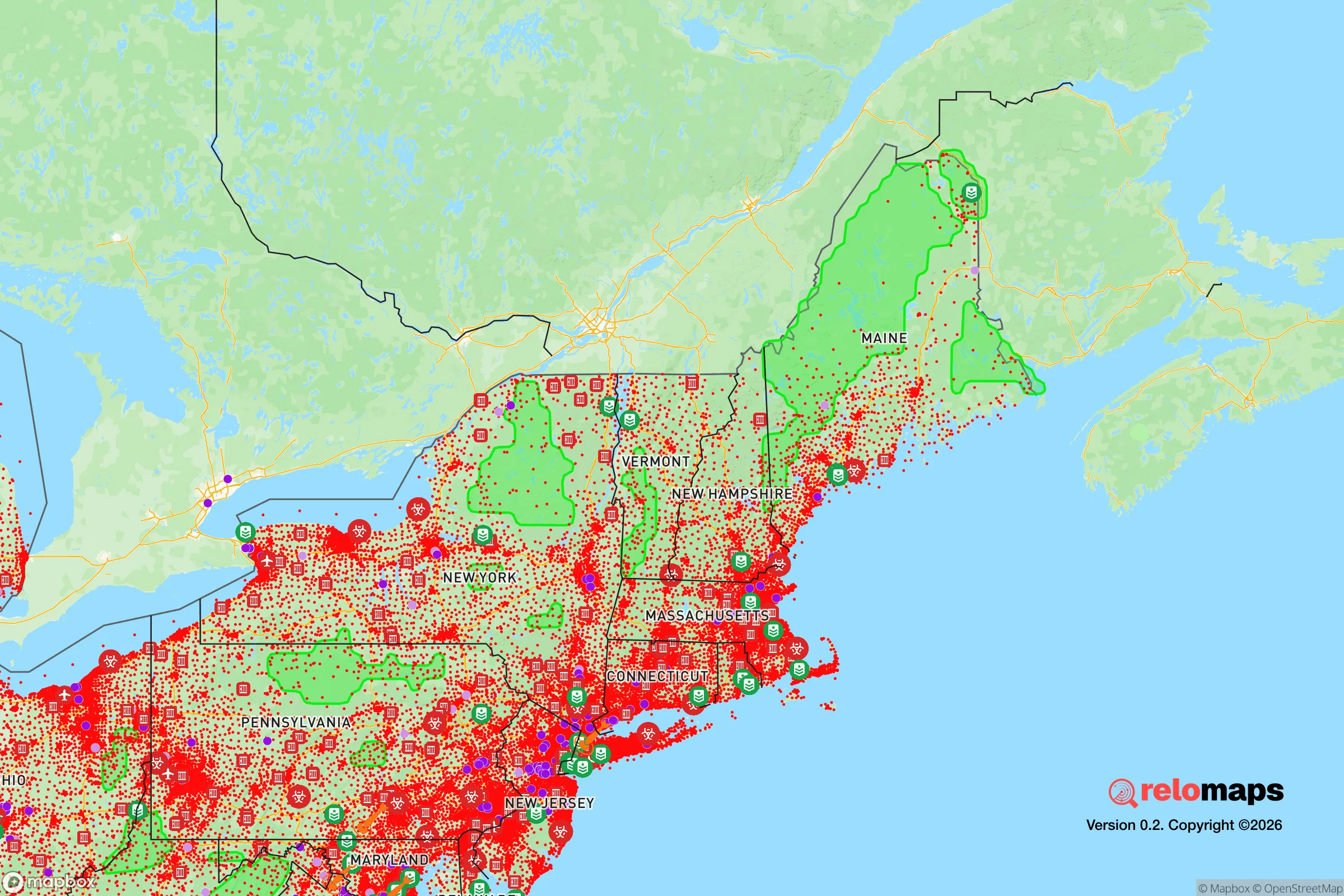
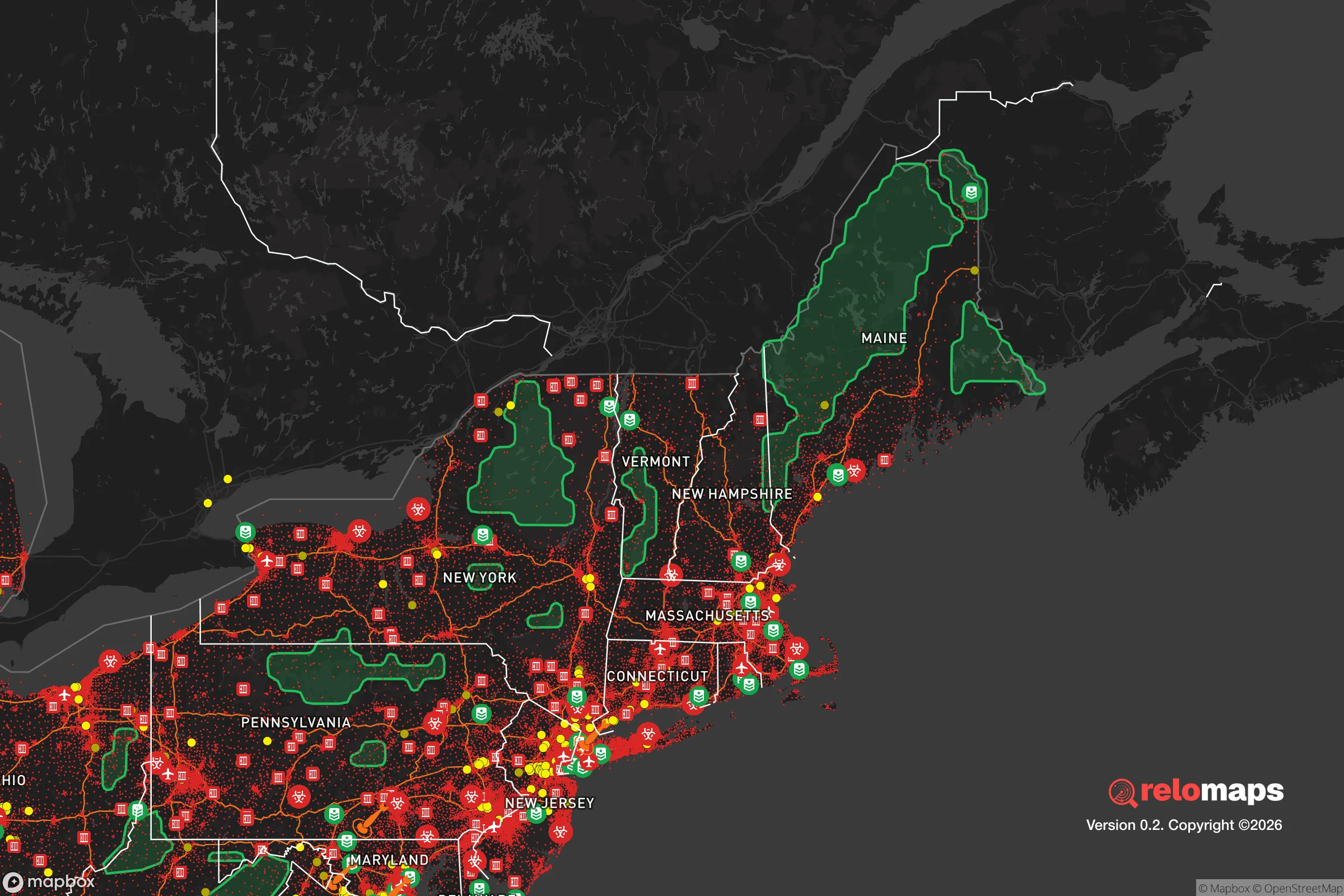


Important Note: For informational purposes only. This does not mean nothing bad ever happens in the green zones. Please use common sense. This is based on public data and modeled with AI. We tried to take a conservative approach but mistakes happen. We update this regularly as new information becomes available.
Solar Generator Recommendations
Backup power matters more here than in safer locations. We've picked three solar generators across budgets and capacity tiers — start with the budget unit if you only need a few essentials, or step up if you want to run a fridge and HVAC for days at a time.
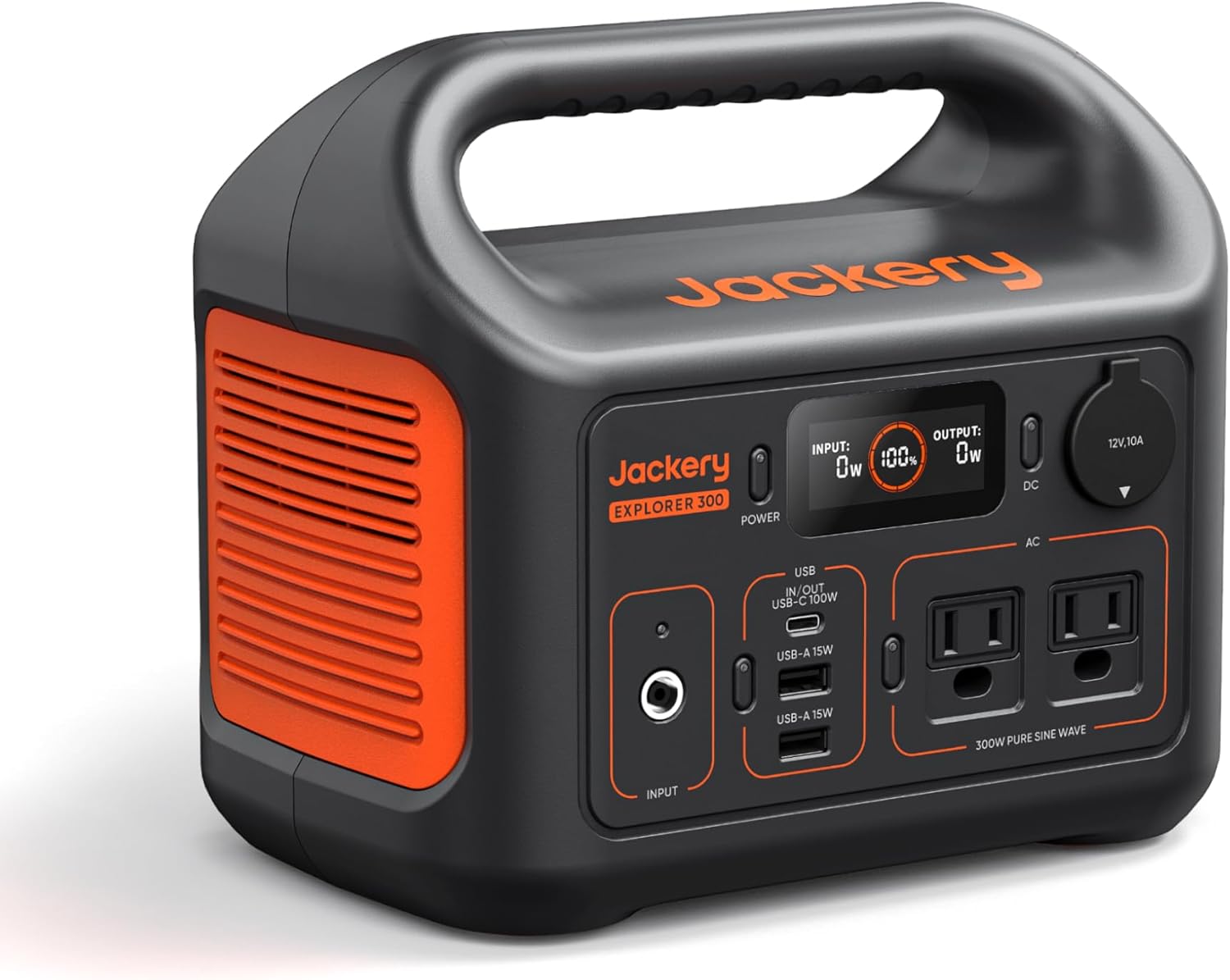
Jackery Portable Power Station Explorer 300
Budget OptionPower on the Go: Weighing only 11 lbs, it's convenient to set up and store with book-sized foldable solar panels

BLUETTI Portable Power Station AC180
Designed for both indoor and outdoor scenarios, AC180 is highly capable as it has a robost capacity and continuous output power.

EF ECOFLOW DELTA Pro Ultra Power Station
Upgraded PickEcoFlow DELTA Pro Ultra is a whole-home energy system designed to grow with your family. Integrated with the Smart Home Panel 2, it scales to meet your evolving energy needs — keeping your home powered, intelligent, and secure through every stage of life.
We earn a commission, at no additional cost to you.
Strategic Assessment Analysis
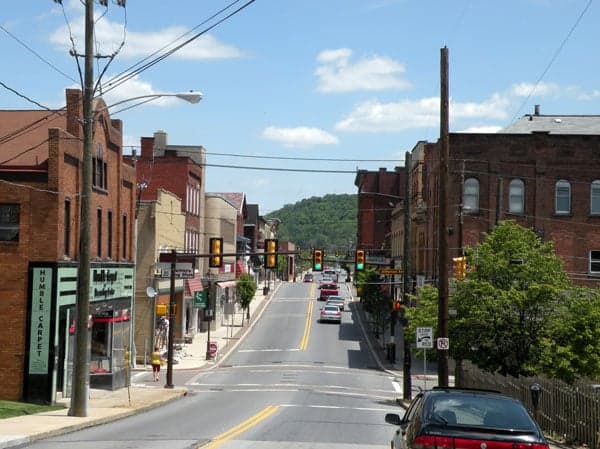
Canonsburg, Pennsylvania, offers a strategic paradox for the relocation-minded reader focused on resilience: it sits in a historically stable, resource-rich region of the Appalachian foothills, yet its proximity to Pittsburgh and the Ohio River Valley’s industrial and nuclear infrastructure introduces distinct vulnerabilities. For a single individual or family weighing disaster readiness and self-sufficiency, Canonsburg’s position provides a solid baseline of geographic protection—ample water, moderate climate, and defensible terrain—but demands clear-eyed awareness of its exposure to man-made risks and logistical choke points. This assessment breaks down the area’s natural advantages, its exposure to fallout-relevant landmarks, and the practical steps a relocator can take to build genuine resilience here.
Geographic position and natural advantages for long-term stability
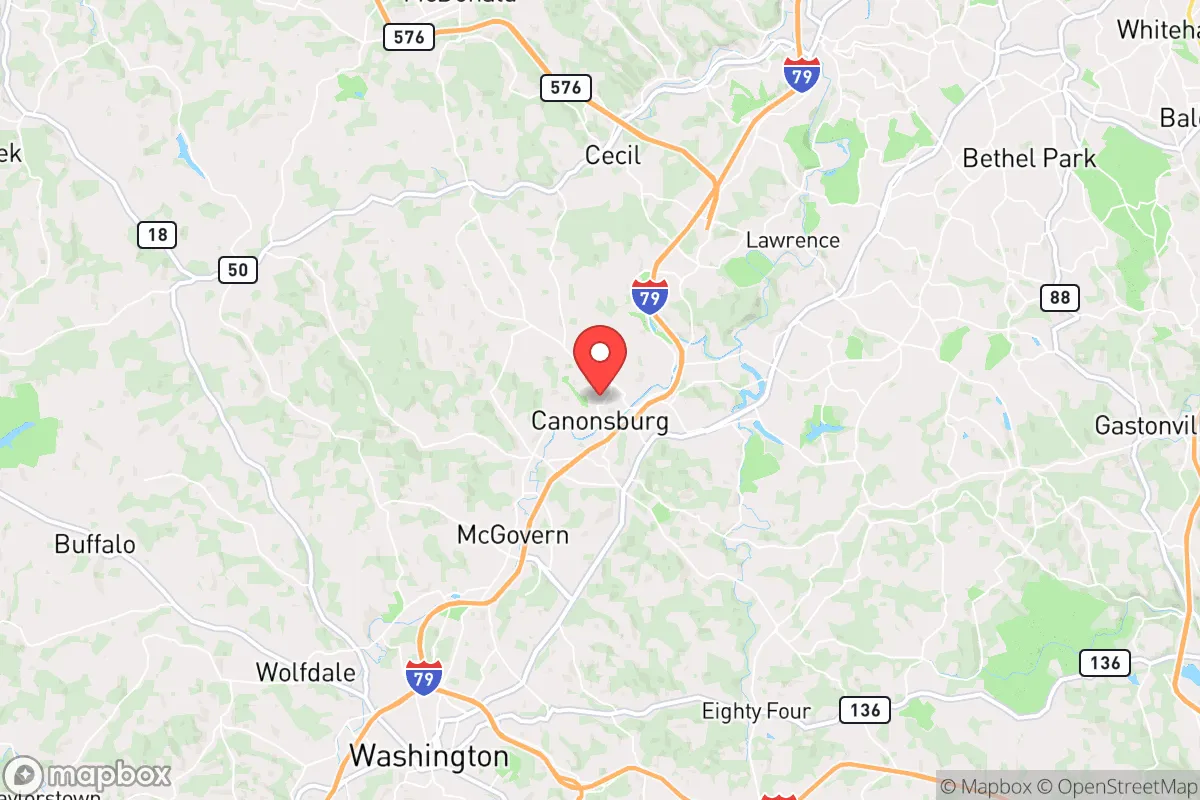
Canonsburg lies in Washington County, roughly 18 miles southwest of downtown Pittsburgh, nestled in the rolling hills of the Appalachian Plateau. This terrain is a genuine asset: the region’s hills and valleys provide natural cover and defensible positions, with elevations ranging from 900 to 1,200 feet above sea level, reducing flood risk compared to low-lying river towns. The area sits atop the Marcellus Shale formation, meaning abundant natural gas reserves lie directly beneath—a resource that, with proper infrastructure, can support off-grid energy generation. Water is plentiful: Chartiers Creek runs through the borough, and the larger Ohio River is 15 miles west, while groundwater in the region is generally accessible via private wells at depths of 100–300 feet. The climate is temperate, with average annual precipitation of 38 inches, supporting year-round gardening and livestock grazing. Winters are cold but not extreme—average January lows around 20°F—and the growing season runs roughly 160 days, long enough for staple crops like potatoes, beans, and squash. For a relocator, this means the land can sustain basic food production without the drought or wildfire risks common in the West. The local soil, primarily silt loam derived from limestone, is fertile for small-scale agriculture, and the surrounding Washington County has a long history of farming, with over 1,200 farms still operating. In a grid-down scenario, the ability to hunt deer (abundant in state game lands like the nearby 3,000-acre Cross Creek County Park) and fish in Chartiers Creek or the Ohio River adds a protein buffer. The region’s relative isolation from major fault lines and hurricane tracks further reduces natural disaster risk—tornadoes are rare, and the last significant earthquake was a minor 2.5 magnitude event in 2011. For a family seeking a stable, resource-rich base, Canonsburg’s geography is a strong starting point.
Risks, exposures, and proximity to fallout-relevant landmarks
The primary vulnerability for Canonsburg is its proximity to high-value man-made targets and industrial hazards. Pittsburgh, 18 miles northeast, is a major metropolitan area with a population of 1.7 million, hosting critical infrastructure including the Pittsburgh International Airport (a civilian and military cargo hub), the U.S. Steel Edgar Thomson Plant (a major steel mill), and the Port of Pittsburgh (the second-largest inland port in the U.S., handling coal, chemicals, and petroleum). In a conflict or major disruption, these are plausible targets for conventional or asymmetric attack. More specifically, the Beaver Valley Nuclear Power Station sits just 25 miles northwest of Canonsburg, on the Ohio River in Shippingport, Pennsylvania. This single-unit pressurized water reactor (operated by Energy Harbor) is a Class A target for any adversary seeking to disrupt the grid or cause radiological contamination. While the plant has robust containment, a direct strike or sabotage could produce a fallout plume that, depending on wind direction, could affect Canonsburg within hours. The prevailing winds in southwestern Pennsylvania are from the west-southwest, meaning a release from Beaver Valley would push contamination toward the Pittsburgh metro area—but Canonsburg lies slightly south of that direct line, offering a partial buffer. Still, the risk is non-zero. Additionally, the region is crisscrossed by natural gas pipelines (including the Mariner East pipeline system) and rail lines carrying hazardous materials—a derailment or rupture could cause localized fires or toxic releases. The area also sits within 50 miles of the Westinghouse Nuclear Fuel Fabrication Facility in Columbia, South Carolina, though that is less directly relevant. For a relocator, the key takeaway is that Canonsburg’s resilience is contingent on situational awareness: having a radiation detection kit, a pre-planned evacuation route east or south (away from the Ohio River corridor), and a basement or interior room for sheltering in place during a chemical or radiological event. The borough itself has no major industrial facilities, but its position in a densely populated corridor (Washington County has 210,000 residents) means that a crisis in Pittsburgh or at Beaver Valley would create immediate refugee flows along I-79 and Route 19, potentially clogging escape routes. The local hospital, Canonsburg General Hospital, is a 100-bed facility that could be overwhelmed quickly. In short, the area’s man-made risk profile is moderate-to-high, requiring proactive planning rather than passive reliance on distance.
Practical resilience for a relocator: food, water, energy, and defensibility
For a family or individual serious about self-sufficiency, Canonsburg offers a workable but not ideal baseline. Food production is feasible: the growing season supports a three-season garden, and the local soil can be amended with compost to boost yields. The Washington County Agricultural Extension office in nearby Washington, PA, offers soil testing and workshops on small-scale farming. Local farmers’ markets (e.g., the Canonsburg Farmers Market, June–October) provide a source for seeds, starter plants, and livestock—chickens, goats, and rabbits are common in the surrounding rural areas. For long-term storage, the area’s cool basements (typical in older homes) can serve as root cellars for potatoes, apples, and canned goods. Water is the stronger asset: private wells are common in the borough’s outskirts, and the average well depth of 150–200 feet yields 10–20 gallons per minute, enough for a household and small garden. However, reliance on municipal water (from the Canonsburg Water Authority, sourced from the Monongahela River) is a vulnerability—a grid failure or contamination event would cut supply. Installing a hand pump on an existing well or a rainwater catchment system (the area gets 38 inches of rain annually) is a prudent investment. Energy resilience is mixed: natural gas is abundant and cheap, but the grid is tied to the PJM Interconnection, which has faced reliability concerns during extreme weather (e.g., Winter Storm Elliott in 2022 caused rolling blackouts). A backup generator running on propane or natural gas is a standard recommendation here, and solar panels are viable (the region gets 4.2 peak sun hours per day, comparable to much of the Northeast). Defensibility is the weakest link: Canonsburg is a compact borough of 1.5 square miles with a population density of 3,500 per square mile, meaning close neighbors and limited room for perimeter security. The terrain is hilly but not mountainous, and the borough’s street grid offers few natural chokepoints. For a relocator, the better strategy is to buy land in the surrounding Washington County townships (e.g., North Strabane or Cecil Township), where 5–10 acre parcels are available for $10,000–$20,000 per acre, allowing for a more defensible homestead with setback from roads. The local gun culture is moderate—Washington County has a strong hunting tradition, and firearms are common, but there are no restrictive local ordinances beyond state law (Pennsylvania is a shall-issue state for concealed carry). In a crisis, the community’s social fabric is a double-edged sword: the borough has a strong sense of local identity (the annual Canonsburg Fourth of July parade draws thousands), but the population is aging (median age 42) and not uniformly prepared. Building a network of like-minded neighbors through local prepper groups or the Washington County Emergency Management Agency’s CERT program is a practical step.
Overall, Canonsburg presents a realistic but conditional strategic picture for the resilience-minded relocator. Its geographic assets—abundant water, fertile soil, moderate climate, and defensible terrain—provide a solid foundation for long-term self-sufficiency, especially for a family willing to invest in land outside the borough core. However, its proximity to Pittsburgh and the Beaver Valley nuclear plant introduces a man-made risk profile that cannot be ignored, requiring a disciplined approach to monitoring, sheltering, and evacuation planning. The area is not a remote bunker; it is a semi-urban hub in a region that would face significant pressure during a major crisis. For a single individual or family who values community access and economic opportunity (Canonsburg has a low unemployment rate of 3.2% and a cost of living 10% below the national average) while maintaining a serious preparedness posture, it is a viable choice—but only if you treat the risks as real and the advantages as earned, not given. The smart move here is to buy acreage in the surrounding townships, drill a well, install solar and a generator, and build a network of local contacts before you need them. Canonsburg won’t save you from a worst-case scenario, but it gives you the tools to survive one if you use them right.

* Values derived from national, state, county, city and local statistics and may differ in a specific area. Last updated: 2026-10-23T21:47:04.000Z
Narrative content on this page is AI-generated and may contain mistakes. Verify any details that matter before acting on them.
ReloMaps may earn a commission from affiliate links at no extra cost to you.

