Photo: Wikipedia
Find The Best Places To Live
in Pittsburgh
PRO TIP! You can paste a Zillow or Redfin link to get info on that property.
What It's Like Living in Pittsburgh, PA
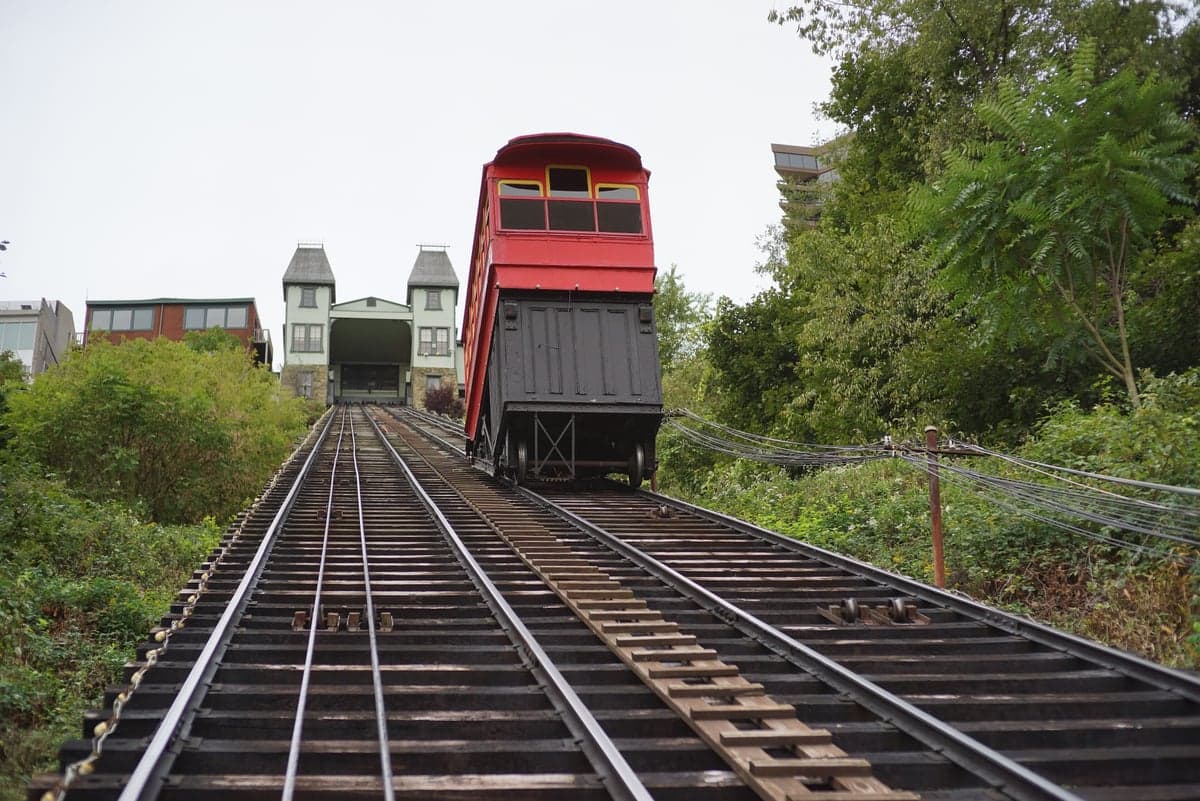
Living in Pittsburgh means getting used to a city that feels more like a collection of tight-knit neighborhoods than a sprawling metropolis. It’s a place where the steel industry’s legacy is still visible in the bridges and brick buildings, but the economy has quietly shifted toward healthcare, tech, and education. If you’re considering a move here, expect a city that’s affordable, fiercely proud of its sports teams, and full of people who will tell you exactly what they think over a beer at a dive bar.
Daily Rhythm: What People Actually Do
Most Pittsburghers live in one of the city’s 90 distinct neighborhoods, and daily life revolves around local spots rather than a single downtown core. You’ll find people grabbing coffee at Commonplace Coffee in Squirrel Hill, running errands at the Strip District’s produce markets on a Saturday morning, or grabbing a sandwich from Primanti Bros. after a Pirates game. The average commute is just over 23 minutes, which means you can actually get home in time to cook dinner or meet friends at a neighborhood bar like Kelly’s Bar & Lounge in East Liberty. The median age here is 33.5, so you’ll see a mix of young professionals from UPMC and the universities, along with families who’ve been in the same house for generations.
Weekends often involve hiking in Frick Park or Schenley Park, both of which have trails that feel surprisingly remote for a city of 303,620 people. In the summer, the Three Rivers Arts Festival fills Point State Park with live music and art booths, while winter means bundling up for a Penguins game at PPG Paints Arena. The cost of living index is 90—10% below the national average—so your paycheck goes further here than in most other major cities. A median home value of $193,200 means you can buy a solid three-bedroom in a neighborhood like Brookline or Dormont without stretching your budget.
Sports & Community: More Than Just a Pastime
Sports are the city’s shared religion. The Pittsburgh Steelers dominate fall Sundays, with black and gold flags flying from porches and bars packed for every game. The Pittsburgh Penguins have a passionate following that fills the arena even during regular-season games, and the Pittsburgh Pirates—despite years of losing records—still draw crowds to PNC Park, widely considered one of the most beautiful ballparks in baseball. High school football is also a big deal, especially in suburbs like North Allegheny and Pine-Richland, where Friday night games are community events. College sports are less dominant than in some other regions, but the University of Pittsburgh Panthers basketball and football teams have loyal followings, especially when they play rivals like West Virginia or Penn State.
This sports culture creates a strong sense of belonging. If you’re a transplant, wearing a Steelers jersey to a bar is an instant conversation starter. The downside? Traffic around stadiums on game days is a mess, and parking can cost $40 or more. But locals accept it as the price of living in a city that takes its teams seriously.
What’s There to Do: Festivals, Food, and Outdoor Life
Pittsburgh punches above its weight in entertainment. The Carnegie Museums of Art and Natural History in Oakland are world-class, and the Andy Warhol Museum on the North Shore is a must-see for art lovers. Music venues like Stage AE and Mr. Smalls Theatre host everything from indie bands to national acts. The food scene has grown significantly, with James Beard-nominated spots like Gi-Jin and Pusadee’s Garden offering inventive menus alongside old-school Italian eateries in Bloomfield. For outdoor enthusiasts, the Three Rivers Heritage Trail runs for 33 miles along the city’s rivers, perfect for biking or running. In the fall, the Pittsburgh Renaissance Festival in nearby Westmoreland County draws families, and winter brings ice skating at PPG Place.
One cultural quirk: Pittsburghers have their own dialect. You’ll hear “yinz” instead of “you all,” and “gumband” for rubber band. It’s a small-town feel in a city of 300,000, and most people are friendly enough to explain what they mean if you look confused.
Pros and Cons of Living Here
- Pros: Affordable housing (median home value $193,200), short commutes, strong job market in healthcare and tech (UPMC is the largest employer), excellent parks and outdoor access, passionate sports culture, and a low cost of living (90 index).
- Cons: Violent crime rate of 472.3 per 100,000—higher than the national average and concentrated in certain neighborhoods like Homewood and the Hill District. Winters are gray and snowy, with average snowfall around 40 inches. The city’s hilly geography means steep roads and tricky driving in ice. Public schools are uneven; many families with kids move to suburbs like Mt. Lebanon or Upper St. Clair for better-rated districts.
For a conservative-leaning audience, Pittsburgh offers a mix of blue-collar values and urban amenities. The city leans Democratic politically, but the surrounding suburbs and exurbs are more mixed, and many residents hold traditional views on work, family, and community. If you’re looking for a place where you can buy a house without a six-figure salary, watch a game with neighbors who’ve lived there for decades, and still have access to museums and concerts, Pittsburgh is a solid bet. Just bring a good winter coat and a willingness to learn what “yinz” means.

Similar mid-size cities to Pittsburgh
* Values derived from national, state, county, city and local statistics and may differ in a specific area. Last updated: 2026-05-01T20:26:10.000Z
Narrative content on this page is AI-generated and may contain mistakes. Verify any details that matter before acting on them.
ReloMaps may earn a commission from affiliate links at no extra cost to you.

