Photo: Wikipedia
Find The Best Places To Live in Tuolumne County
PRO TIP! You can paste a Zillow or Redfin link to get info on that property.
Best Places to Live in Tuolumne County
Cities & Towns in Tuolumne County
Cities in Tuolumne County
What It's Like Living in Tuolumne County, CA
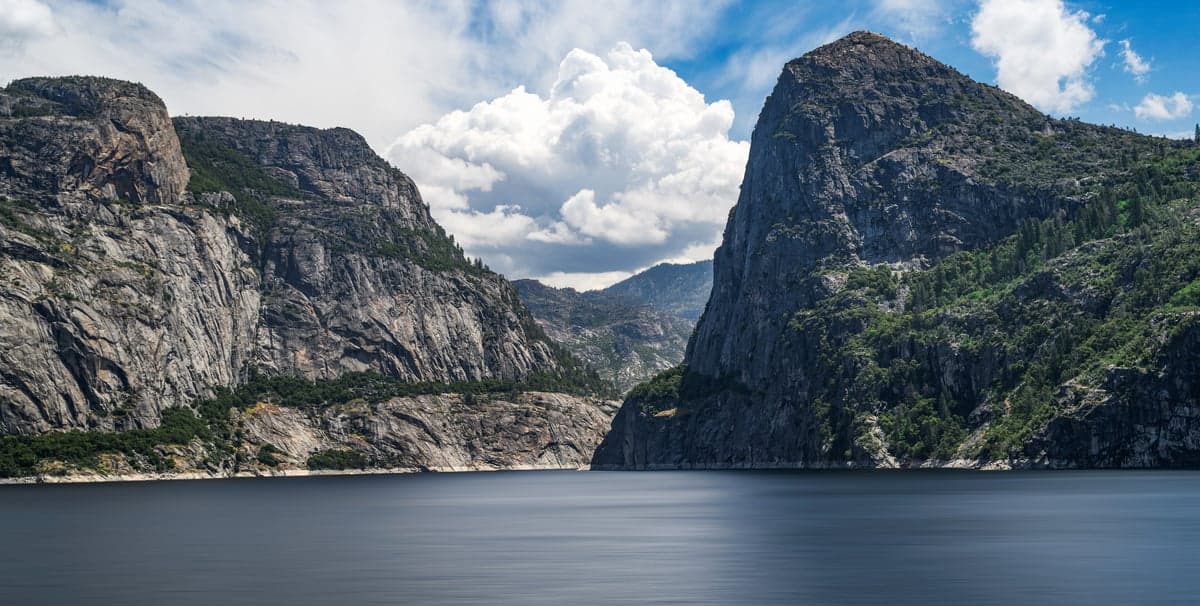
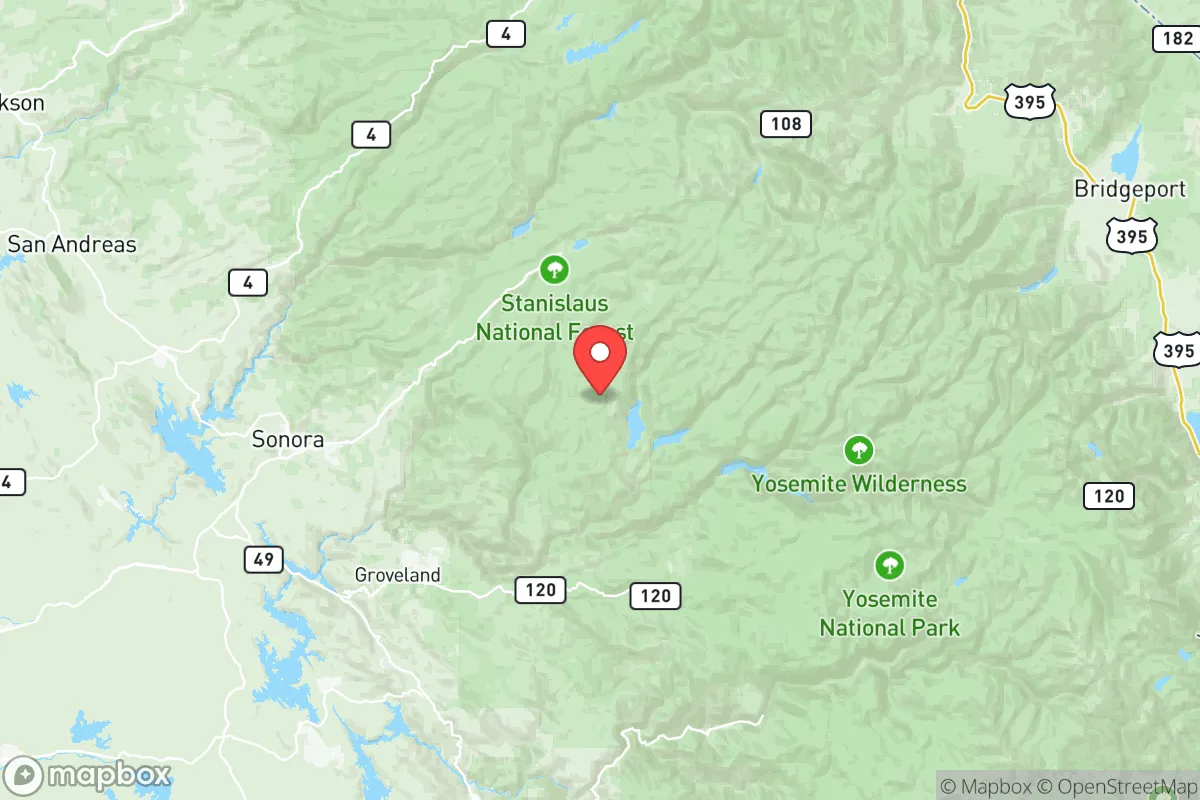
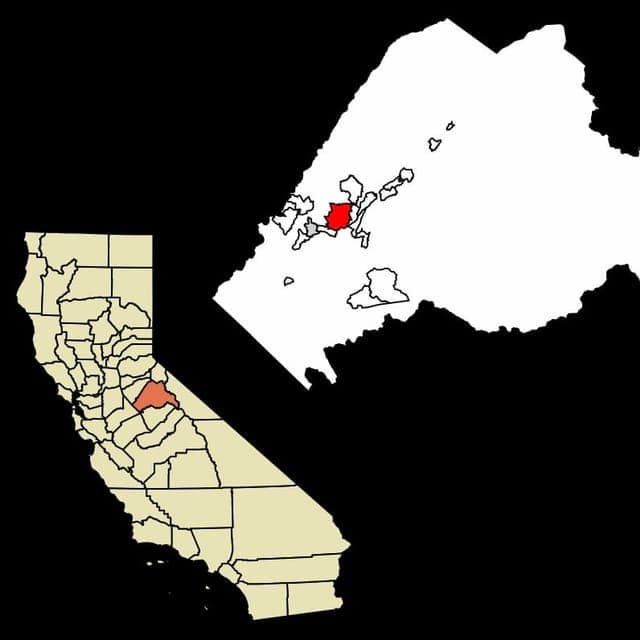
Living in Tuolumne County means trading strip-mall convenience for old-growth forests, gold rush history, and a pace of life that takes its cues from the seasons rather than the clock. Spread across the western slope of the Sierra Nevada, this county of roughly 54,873 people is anchored by the historic city of Sonora, with smaller clusters in Twain Harte, Groveland, Jamestown, and the mountain community of Pinecrest. It’s a place where your neighbors might be a fourth-generation rancher, a telecommuting software engineer, or a retiree who came for the fishing and never left.
Daily Rhythm: What Life Actually Looks Like Here
For most residents, a typical day involves a commute that averages 31 minutes one way — longer than you might expect for a rural county, largely because many people drive into the Central Valley for work or shopping. The main commercial corridor runs through Sonora and Jamestown along Highway 108, where you’ll find the usual anchors like Safeway and Rite Aid, alongside local standbys like the Jamestown Hotel for a burger and a beer. Weekends often revolve around the outdoors: fishing on Pinecrest Lake, hiking the Stanislaus National Forest trails, or browsing antiques in Columbia State Historic Park, a living gold rush town. The median age here is 48.8, noticeably older than the state average, so the social rhythm leans quieter — church potlucks, high school football games, and volunteer fire department fundraisers are the real social calendar.
The kind of person who fits in here values self-sufficiency and small-town familiarity. You’ll need to be okay driving 20 minutes for a specialty grocery item, and comfortable with the fact that everyone in Sonora will know your business after one town council meeting. The median household income sits at $72,259, which stretches further than it would on the coast, but the cost of living index of 122 (above the US average) means housing and groceries still bite — especially since the median home value is $406,200. Where the county really stands out is its relatively low college attainment rate of 23.9%; this isn’t a place full of transplants with advanced degrees, but rather a community built around trades, public sector jobs, and the tourism economy.
Sports, Community, and Where Locals Gather
High school sports are the closest thing Tuolumne County has to a big Friday-night spectacle. Sonora High School’s Wildcats draw solid crowds for football and basketball, and the rivalry with Summerville High School in Tuolumne City is genuine — expect packed bleachers and that unmistakable small-town intensity. There are no college or professional teams here, but the Mother Lode Fairgrounds in Sonora host rodeos, demolition derbies, and the annual Mother Lode Fair each July, which feels like the county’s biggest social event. For a more mellow outing, locals gravitate toward the Twain Harte Golf Course or the Black Oak Casino in Tuolumne City, which offers slots, dining, and occasional live music. The Columbia College Mountaineers provide junior college sports, but the crowd is smaller — more family than fanatic.
Cultural quirks run deep here. The county takes its gold rush heritage seriously — Jamestown still looks like a movie set from a Western, and the Railtown 1897 State Historic Park runs vintage train rides that are a staple for family outings. The Sonora Farmers Market on Thursdays from May through October is where you’ll see the real cross-section of the county: ranchers selling grass-fed beef, Hmong farmers with greens, and artists from the foothills. For music, the Tuolumne County Concert Series brings classical and folk acts to the historic Sonora Opera Hall, while the Groveland Hotel hosts blues and bluegrass on summer weekends.
The Honest Tradeoffs: What Residents Love and Loathe
What longtime residents love most is the sheer access to wilderness. You can be on a trail in the Stanislaus National Forest within 15 minutes of downtown Sonora, and Yosemite National Park’s western entrance is only a 45-minute drive from Groveland. The fishing on the Tuolumne River is exceptional, and winter snowpack means Dodge Ridge Ski Area near Pinecrest is a reliable local escape — no need to brave the crowds at Tahoe. The crime reality is more complicated. The violent crime rate of 434.5 per 100,000 is higher than the national average, and while much of it is concentrated in specific parts of Sonora and the Highway 108 corridor, it’s a statistic that gives families pause when choosing neighborhoods. Property crime — especially vehicle break-ins at trailheads — is a consistent frustration.
On the economic side, the biggest complaint is lack of job diversity. Healthcare, education, and tourism dominate, with Tuolumne Me-Wuk Tribal Government and Mark Twain Medical Center as major employers. If you don’t work in those sectors, you’re likely commuting to Modesto or Sonora for a decent paycheck. Schools here function as community hubs — Gold Rush Charter School in Sonora and Twain Harte School are woven into local life, but families often supplement with church or sports programs. The seasonal rhythm is real: summer brings tourists and fire season smoke, winter can mean highway closures over Sonora Pass, and spring is the sweet spot when the wildflowers bloom and the rivers run full.
If you’re a conservative-leaning family seeking a place where neighbors actually look out for each other, kids still ride bikes to the park, and you can own a gun without side-eye, Tuolumne County delivers. It’s not for anyone needing urban amenities, career acceleration, or racial diversity — the population is predominantly white and older. But for the person who wants quiet nights, big skies, and a community that still knows your name, it earns its keep.

* Values derived from national, state, county, city and local statistics and may differ in a specific area. Last updated: 2026-09-14T05:28:19.000Z
Narrative content on this page is AI-generated and may contain mistakes. Verify any details that matter before acting on them.
ReloMaps may earn a commission from affiliate links at no extra cost to you.

