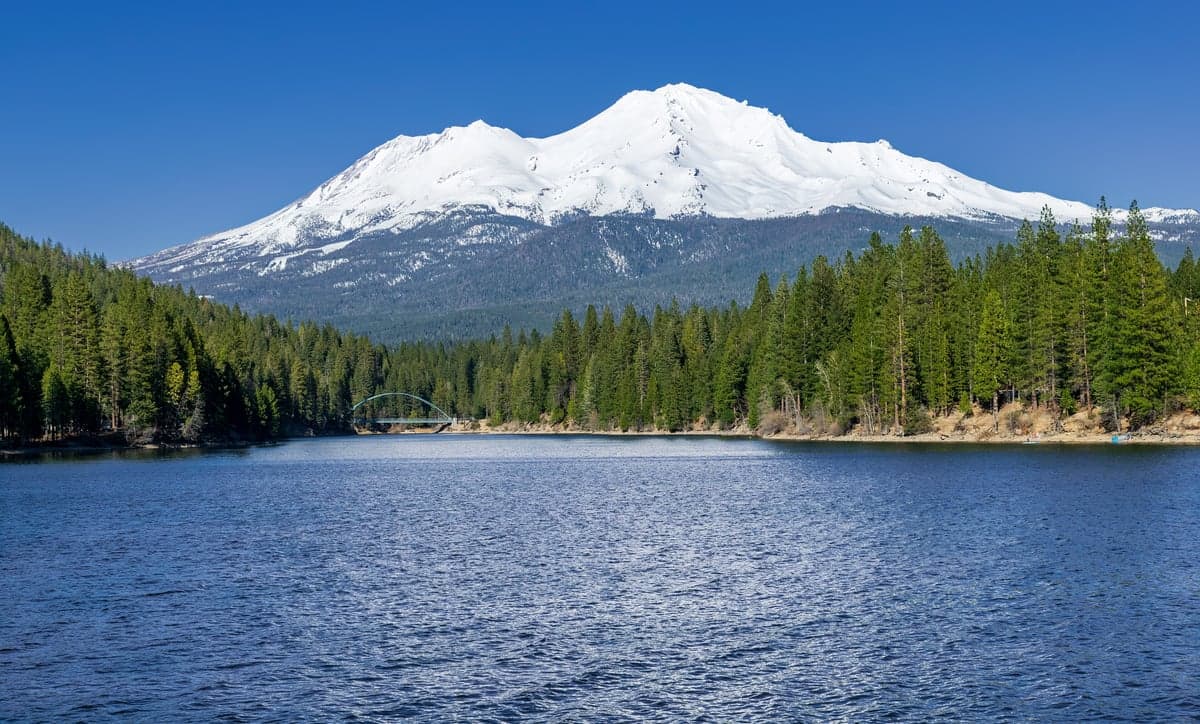
Photo: Wikipedia
Personal Sovereignty in Siskiyou County
Viable for self-reliance. Generally workable, though some barriers may limit total independence.
What does Personal Sovereignty tell us?
Personal Sovereignty measures your capacity for self-reliance and independence with minimal government friction. Higher scores mean fewer barriers between you and the way you want to live... but it assumes you have the space you need and good neighbors.
What does this tell us?
Personal Sovereignty measures your capacity for self-reliance and independence with minimal government friction. Higher scores mean fewer barriers between you and the way you want to live... but it assumes you have the space you need and good neighbors.
State Policy
Energy independence: Importer (33% of energy produced in-state)
Personal Liberty
Homesteading

Personal Liberty Analysis
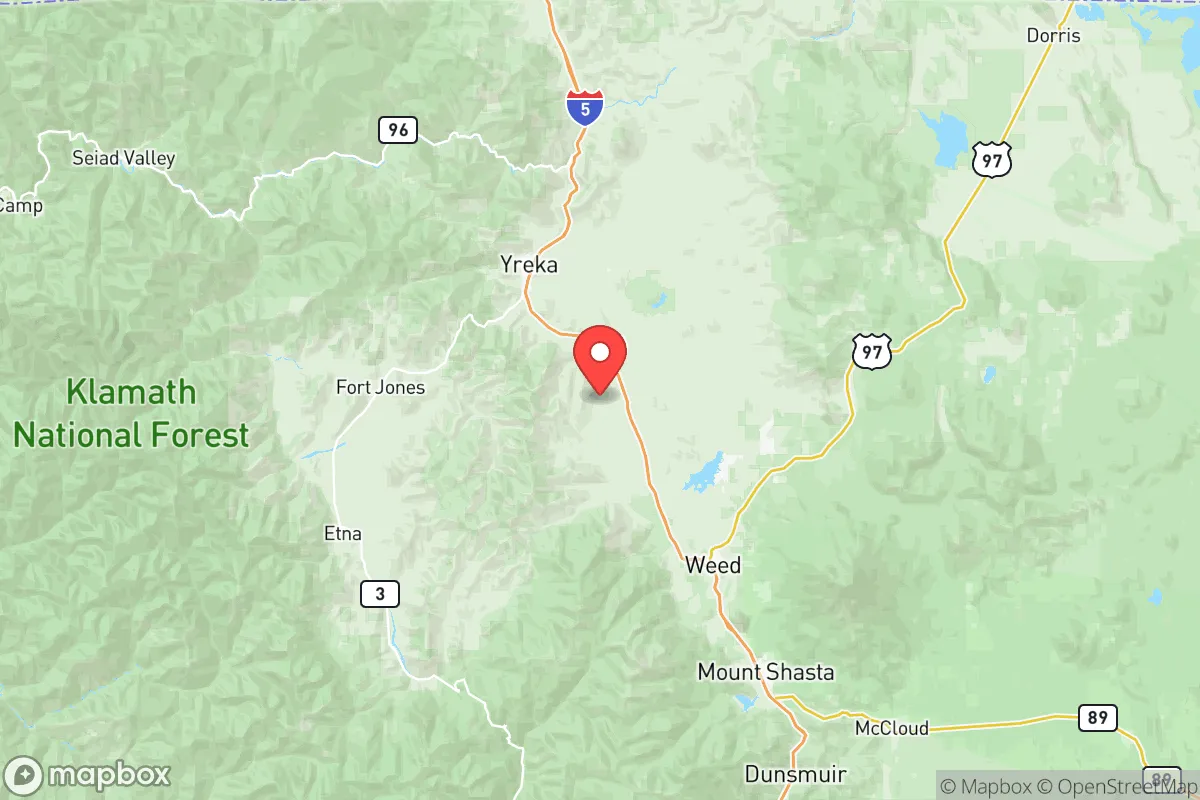
Siskiyou County, California, offers one of the strongest personal sovereignty environments in the state, largely because its remote geography and small population make heavy-handed enforcement impractical. With roughly 44,000 residents spread across an area larger than Connecticut, the county operates with a distinctly hands-off ethos compared to the Bay Area or Sacramento. For those weighing relocation, the trade-off is clear: you gain exceptional freedom from regulatory oversight, but you also inherit the responsibility of self-sufficiency in a region where services are thin and distances are vast.
Tax burden and regulatory posture in Siskiyou County
California's statewide tax burden is undeniably high, but Siskiyou County's local posture softens the edges. Property taxes are capped by Proposition 13 at roughly 1% of assessed value, and the county's median home price—around $350,000 in 2025—keeps annual bills near $3,500, a fraction of what homeowners pay in Los Angeles or San Diego. Sales tax in the county seat of Yreka sits at 7.25%, the state minimum, whereas nearby counties like Del Norte add another 1.25%. The regulatory climate is similarly light-touch: the county's planning department processes most rural building permits without the discretionary review common in coastal jurisdictions. In unincorporated areas like Montague and Fort Jones, a simple ministerial permit often suffices for a new dwelling, whereas the same project in the city of Mount Shasta—which has its own stricter zoning code—would trigger design review and environmental analysis. The county has also pushed back on state mandates, including a 2023 resolution opposing California's ban on new gas-powered leaf blowers, signaling a local government that prioritizes practicality over Sacramento's preferences.
Self-defense and gun law specifics in the far north state
California's gun laws are among the nation's strictest, but Siskiyou County's enforcement culture and political leadership create a more permissive reality. The county sheriff, who is elected locally, has publicly stated that his office will not enforce "unconstitutional" firearm restrictions, a stance echoed by the Siskiyou County Board of Supervisors in a 2022 resolution. Concealed carry permits (CCWs) are issued on a "shall-issue" basis in practice, with the sheriff's office processing applications in weeks rather than the months or outright denials common in urban counties like Alameda or Santa Clara. As of 2025, the county's issuance rate exceeds 90% of applicants, compared to under 10% in San Francisco. The gun culture is deeply embedded in towns like Weed and Dorris, where hunting and sport shooting are mainstream activities. However, prospective residents should note that state-level restrictions—including the 10-day waiting period, the handgun roster, and the ban on magazines over 10 rounds—still apply. The practical difference is that local sheriffs and judges are overwhelmingly pro-Second Amendment, and the county's remoteness means range access is rarely an issue; the Klamath National Forest offers thousands of acres of legal shooting areas within a 30-minute drive of Yreka.
Homesteading and off-grid viability across the county
Siskiyou County is one of the last places in California where genuine off-grid homesteading remains feasible and legal. Zoning in unincorporated areas allows for dwellings on parcels as small as 2.5 acres in agricultural zones, and many properties in the Scott Valley—around the towns of Etna and Fort Jones—come with existing water rights and irrigation ditches. The county's building department permits owner-builder construction without requiring a licensed general contractor, a significant advantage for those who want to build with their own hands. Off-grid solar is standard practice; the county's planning office processes solar permits over the counter, and net metering agreements with Pacific Power (the dominant utility) are straightforward. The biggest regulatory hurdle is the California Environmental Quality Act (CEQA), which can trigger review for larger projects, but the county's categorical exemptions cover most single-family dwellings. Water is the critical variable: the Shasta River and Scott River watersheds have adjudicated water rights, and new wells in some areas require a permit from the state Department of Water Resources. In contrast, the high desert east of Dorris offers easier well permitting but less surface water. For those seeking maximum independence, the unincorporated areas around Happy Camp—deep in the Klamath River canyon—offer the most permissive environment, with minimal zoning enforcement and a population density of under two people per square mile.
Personal liberties: parental rights, medical autonomy, and property
On personal liberties, Siskiyou County stands apart from California's urban centers in several measurable ways. Parental rights are a flashpoint: the county's school boards, particularly in Yreka and Weed, have adopted policies requiring parental notification for any student health or counseling services, and the county's public health department does not operate school-based clinics offering reproductive services. Medical autonomy is similarly respected in practice—the county has no local mask mandates or vaccine requirements, and the sheriff has stated he will not enforce state health orders that conflict with individual choice. Property rights are protected by a strong local culture of "live and let live"; the county's nuisance ordinances are complaint-driven, meaning enforcement only occurs when a neighbor files a formal grievance. This contrasts sharply with cities like Mount Shasta, which has an active code enforcement unit that responds to unregistered vehicles and unpermitted structures. Free speech is robustly protected; the county's public meetings are famously contentious, and the Board of Supervisors has repeatedly invited public comment on state overreach. The one area where the county is less permissive is cannabis cultivation—while the county allows it, the permitting process is expensive (fees exceed $5,000), and the sheriff's office actively raids unlicensed grows, a stance that has created tension with some libertarian-leaning residents.
Relative to the rest of California, Siskiyou County offers a sovereignty profile closer to rural Idaho or Montana than to the state's coastal metros. The combination of a cooperative sheriff, a county government that resists Sacramento mandates, and vast unincorporated land makes it a top-tier destination for those prioritizing personal freedom. The trade-offs are real: winters are harsh, healthcare is limited to one small hospital in Yreka, and the nearest major airport is a three-hour drive. But for a single individual or family willing to embrace self-reliance, Siskiyou County delivers a level of autonomy that is increasingly rare in the Golden State—and the towns of Dorris, Happy Camp, and Fort Jones offer distinct flavors of that independence, from high-desert ranching to river-canyon isolation.

* Values derived from national, state, county, city and local statistics and may differ in a specific area. Last updated: 2026-10-29T07:30:52.000Z
Narrative content on this page is AI-generated and may contain mistakes. Verify any details that matter before acting on them.
ReloMaps may earn a commission from affiliate links at no extra cost to you.

